Cheapest Places to Live in Colorado (2026 Guide to Affordable Cities & Homes)
October 9, 2026
7 minutes
If you've been searching for the cheapest places to live in Colorado, you already know the state's housing market can feel like two different worlds - Denver and the mountain resort counties on one side, and dozens of quietly affordable small cities on the other. This guide breaks down the cheapest places to live in Colorado in 2026, using real home prices, estimated FHA mortgage payments, and property tax data, so you can see exactly where your money goes further. Throughout this guide, we'll point out the affordable places to live in Colorado that consistently deliver the strongest combination of low price and livability - whether you land on them by searching for the cheapest city to live in Colorado, the most affordable places to live in Colorado, or simply where is the cheapest place to live in Colorado near a job you can commute to.
Monte Vista, CO currently anchors our list of cheapest places to live in Colorado, but it's far from the only option. Whether you're looking for the most affordable places to live in Colorado, affordable towns in Colorado, cheap places to live in Colorado, or simply the cheapest city to live in Colorado near a major job market, this guide covers it all - plus what it actually takes, income- and mortgage-wise, to buy in these markets.
Here's what the numbers look like as of mid-2026 for the #1 spot on our list of cheapest places to live in Colorado:
- Median home price: ~$255,000 (Monte Vista listings and sold prices have ranged roughly $180K - $290K over the past year, depending on the data source and month - it's a small, low-volume market, so prices swing more than in a big city)
- Estimated monthly mortgage (FHA, 3.5% down, ~6.6% rate): ~$1,890/month, including taxes and insurance
- Property tax rate: among the lowest in the state - well under the national median of roughly 1%
- Cost of living: meaningfully lower than Denver, driven mostly by housing
To put that in perspective:
| Location | Median Home Price | Est. Monthly Payment |
|---|---|---|
| Monte Vista | ~$255,000 | ~$1,890 |
| Denver | ~$630,000 | ~$4,300 |
Estimated FHA payment assumes 3.5% down and a ~6.6% interest rate - today's house mortgage rates, and the average 30 year mortgage rate as of July 2026 (Freddie Mac).
That's roughly a $2,400/month difference - or close to $29,000 a year in housing cost avoided by choosing one of the cheapest cities to live in Colorado over the Denver metro.
Note: Because Colorado's property tax rates are among the lowest in the country - well below states like Texas or Illinois - your long-term carrying costs stay more predictable, even as home values rise
Before locking in a payment, it's worth doing a mortgage rate comparison and understanding how loan structure changes your real monthly cost - especially when comparing 15-year vs. 30-year mortgage loans in lower-priced markets..
Below are the most affordable cities in Colorado in 2026, based on current home prices, estimated monthly payments, and cost of living.
Ready to see what you'd actually qualify for? Get prequalified with reAlpha Mortgage in a few minutes, with no obligation.
Bundle your agent and mortgage. Save an average of $10,000.
Don't have an agent yet? Pair your reAlpha mortgage with a reAlpha agent, and you could get up to 1.5% cash back at closing.
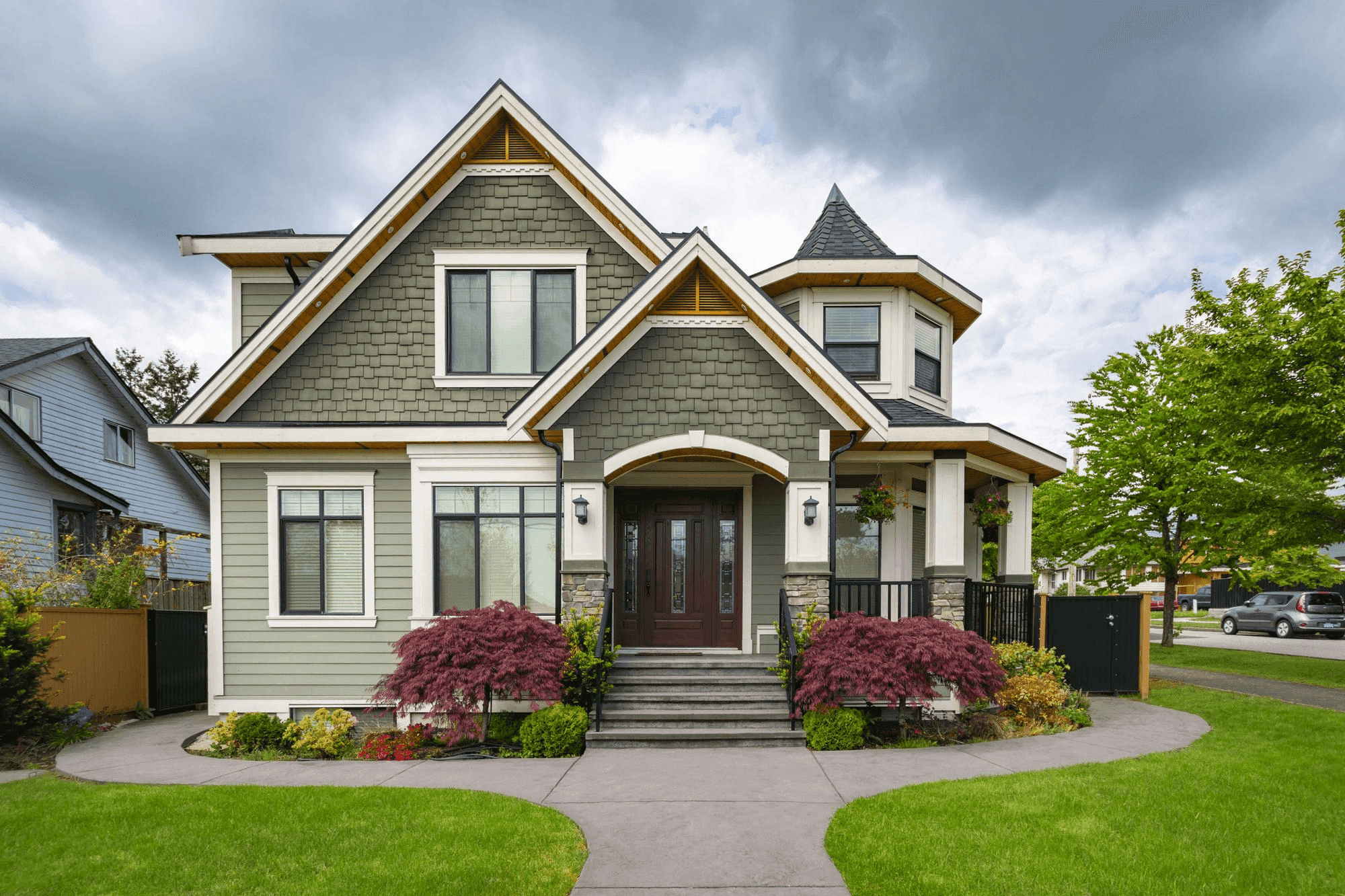
The Top 10 Cheapest Places to Live in Colorado (2026)
If you're asking where is the cheapest place to live in Colorado, this table is your starting point. It ranks the cheapest towns in Colorado and the most affordable cities in Colorado side by side, using estimated home prices and FHA mortgage payments. Taken together, this table is one of the clearest snapshots of the affordable places to live in Colorado that keep coming up in buyer searches this year - and it's a solid answer whether you typed in cheapest cities in Colorado to live, most affordable city in Colorado, or affordable cities to live in Colorado.
| Rank | City | Est. Median Home Price | Est. FHA Payment | Best For |
|---|---|---|---|---|
| 1 | Monte Vista | ~$255,000 | ~$1,890/mo | Retirees, remote workers, budget-first families |
| 2 | Lamar | ~$185,000 | ~$1,370/mo | Ultra-budget buyers, retirees, land seekers |
| 3 | La Junta | ~$195,000 | ~$1,440/mo | Retirees, first time home buyers |
| 4 | Sterling | ~$250,000 | ~$1,850/mo | Agricultural families, budget buyers |
| 5 | Pueblo | ~$265,000 | ~$1,960/mo | First time home buyers, commuters, families |
| 6 | Trinidad | ~$270,000 | ~$2,000/mo | Outdoor lovers, hybrid workers, artists |
| 7 | Alamosa | ~$285,000 | ~$2,110/mo | Families, university employees |
| 8 | Fort Morgan | ~$300,000 | ~$2,220/mo | Denver commuters, agricultural workers |
| 9 | Clifton | ~$322,000 | ~$2,380/mo | Grand Junction workers |
| 10 | Canon City | ~$338,000 | ~$2,500/mo | Colorado Springs commuters, outdoor families |
Note: Estimated FHA payment includes principal, interest, taxes, insurance, and mortgage insurance, assuming 3.5% down and a ~6.6% mortgage rate. Prices are current estimates as of mid-2026 and can shift with each new sale - always confirm with a local listing or lender before budgeting.
If you're calculating payments in the $250K - $300K range, it helps to see a realistic principal + interest breakdown first, along with what an estimated monthly mortgage payment actually looks like once taxes and insurance are folded in.
1. Monte Vista, CO - Among the Cheapest Places to Live in Colorado
- Est. median home price: ~$255,000
- Est. FHA payment: ~$1,890/month
- Property tax rate: very low relative to the national median
- Best for: retirees, remote workers, budget-first families
Monte Vista sits in the San Luis Valley, one of the largest alpine valleys in the world, with the Sangre de Cristo and San Juan mountain ranges on either horizon. Compared to Denver, buyers here can expect to save well over $2,000 a month on housing - one of the clearest examples of why it's considered one of the cheapest places to live in Colorado.
2. Lamar, CO
- Est. median home price: ~$185,000
- Est. FHA payment: $1,370/month
- Best for: ultra-budget buyers, retirees, land seekers
Lamar, in the Arkansas River Valley in southeastern Colorado, consistently posts some of the lowest home prices in the state and a cost of living well below the national average - making it a strong contender for the single cheapest place to live in Colorado depending on the month's listings, and a frequent answer to "what is the cheapest place to live in Colorado."
3. La Junta, CO
- Est. median home price:~$195,000
- Est. FHA payment: ~$1,440/month
- Best for: retirees, first time home buyers.
A historic railroad town on the Santa Fe Trail with rock-bottom housing costs and genuine small-town character.
4. Sterling, CO
- Est. median home price:~$250,000
- Est. FHA payment: ~$1,850/month
- Best for: agricultural families, budget buyers.
The commercial hub of Colorado's northeastern plains, Sterling offers quality homes for well under half the statewide median, plus access to Northeastern Junior College.
5. Pueblo, CO
- Est. median home price: ~$265,000
- Est. FHA payment: ~$1,960/month
- Best for: first time home buyers, commuters, growing families.
Pueblo remains one of the most talked-about affordable cities in Colorado, with a growing healthcare and renewables sector and homes still available well under $300K.
6. Trinidad, CO
- Est. median home price: ~$270,000
- Est. FHA payment: ~$2,000/month
- Best for: outdoor lovers, hybrid workers, artists
Historic Victorian architecture, foothill access near the Sangre de Cristo range, and a mild southern-Colorado climate - at a fraction of what you'd pay in a ski town.
7. Alamosa, CO
- Est. median home price: ~$285,000
- Est. FHA payment: ~$2,110/month
- Best for: families, university employees, remote workers.
Home to Adams State University, Alamosa anchors the San Luis Valley with a cost of living well below the state average.
8. Fort Morgan, CO
- Est. median home price: ~$300,000
- Est. FHA payment: ~$2,220/month
- Best for: Denver commuters wanting lower payments, agricultural workers.
Fort Morgan's economy is built on sugar beet processing and cattle feeding, and its housing costs stay well below the Front Range.
9. Clifton, CO
- Est. median home price: ~$322,000
- Est. FHA payment: ~$2,380/month
- Best for: Grand Junction workers seeking affordability.
Clifton sits just outside Grand Junction (where the median listing price runs closer to $480K), making it one of the more attainable entry points into the Western Slope job market.
10. Canon City, CO
- Est. median home price: ~$338,000
- Est. FHA payment: ~$2,500/month
- Best for: Colorado Springs commuters, outdoor families.
Known as the gateway to the Royal Gorge Bridge, Canon City offers mountain-adjacent living in a protected valley, at a lower cost than most Colorado Springs neighborhoods.
Affordable Small Towns in Colorado: What "Cheap" Looks Like Now
Beyond the top 10, there's a broader set of small affordable places to live in Colorado worth knowing about - especially if mountain scenery matters more to you than metro nightlife. If you've been hunting for the cheapest mountain towns in Colorado or affordable mountain towns in Colorado, here's the honest update for 2026: the "cheap mountain town under $400K" era is largely over. Prices in the state's most popular small mountain towns have climbed sharply over the past year, and even the traditionally scrappier options among the most affordable mountain towns in Colorado now sit closer to the $450K - $550K range.
If safety is also a priority, compare these affordable commuter markets with the safest cities in Colorado to see how crime levels, housing costs, and wildfire exposure differ across the state.
- Salida, CO: typical home value around $530,000, with recent sold prices trending even higher amid strong demand
- Leadville, CO: typical home value around $457,000, still one of the more attainable mountain markets thanks to its high elevation and smaller tourist footprint
- Westcliffe, CO: recent median sale price around $519,000, though pricing here is volatile month to month given how few homes sell
If mountain lifestyle matters more than metro nightlife, these towns still offer scenery and access at a meaningful discount to resort towns like Aspen or Vail - just budget closer to 450K+ratherthanthesub-400K figures you may have seen quoted elsewhere, even for the cheapest places to live in Colorado mountains specifically.
Note: Prices change fast in these small markets, so confirm current listings before you set a budget. These aren't quite the cheapest places to live in Colorado, but they remain some of the more reasonably priced affordable places to live in Colorado for buyers who specifically want mountain access, and they're still worth a look if small towns in Colorado that are affordable is what you're after.
Buying a Home? Get up to 1.5% Cash Back at Closing
Get pre-approved first, then start exploring homes knowing you can receive up to 1.5% of the home price back at closing.

Cheapest Places to Live Near Denver in 2026
If you want Denver job access without the full Denver mortgage payment, a handful of nearby suburbs offer real payment relief in 2026 - and they're often the answer when people search for the cheapest place to live in Colorado that's still commutable to the metro. These commuter suburbs sit alongside the state's more remote affordable places to live in Colorado as a second, metro-adjacent way to keep housing costs down.
For reference: Denver median home price: ~$630,000 · Est. FHA payment (3.5% down, ~6.6% rate): ~$4,300/month
That's your anchor.
Timing matters here too - commuter markets move with mortgage refinancing interest rates, rate swings, and inventory cycles. If you're trying to avoid buying at a pricing peak, it's worth reviewing what a buyer's market actually means before making an offer, and keeping an eye on where 30 year mortgage rates and refinance rates are trending in 2026.
1. Commerce City, CO
- Est. median home price: ~$490,000
- Est. FHA payment: ~$3,620/month
- Payment difference vs. Denver: ~$680/month, or roughly $8,100/year.
- Best for: airport employees, downtown commuters, growing families.
2. Thornton, CO
- Est. median home price: ~$515,000
- Est. FHA payment: ~$3,810/month
- Payment difference vs. Denver: ~$490/month, or roughly $5,900/year.
- Best for: light-rail commuters, tech workers, first time home buyers stretching a budget.
3. Brighton, CO
- Est. median home price: ~$460,000
- Est. FHA payment: ~$3,400/month
- Payment difference vs. Denver: ~$900/month, or roughly $10,800/year.
- Best for: families wanting more space, buyers priced out of central Denver and Aurora.
4. Northglenn, CO
- Est. median home price: ~$450,000
- Est. FHA payment: ~$3,330/month
- Payment difference vs. Denver: ~$970/month, or roughly $11,600/year.
- Best for: buyers who want suburban stability with easy city access.
Quick Payment Comparison
| City | Est. Median Price | Est. FHA Payment | Monthly Difference vs. Denver |
|---|---|---|---|
| Denver | ~$630,000 | ~$4,300 | - |
| Commerce City | ~$490,000 | ~$3,620 | -$680 |
| Thornton | ~$515,000 | ~$3,810 | -$490 |
| Brighton | ~$460,000 | ~$3,400 | -$900 |
| Northglenn | ~$450,000 | ~$3,330 | -$970 |
Choosing one of the cheaper cities to live in Colorado near Denver doesn't mean giving up opportunity. It means keeping your Denver-area salary, locking in a lower payment, and building equity instead of overpaying. Every $800/month saved is roughly $9,600 a year you can redirect toward savings, investing, or paying down the loan faster - and if mortgage interest rates fall in the next couple of years, refinancing puts you in an even stronger position.
Is It Cheaper to Rent or Buy in Colorado in 2026?
Short answer: rent still looks cheaper month to month. Buying builds wealth.
In many of the state's cheapest places to live in Colorado - Pueblo, Monte Vista, Lamar, Alamosa - the monthly gap between renting and owning has narrowed considerably compared to a few years ago. The trend holds across most of the state's affordable places to live in Colorado, which is part of why renting no longer offers the clear savings edge it once did in this price tier.
The real difference shows up over a longer horizon. Property tax differences also matter more than most buyers expect when comparing states - before comparing Colorado to Texas or Florida, it's worth reviewing this national property tax breakdown.
5-Year Cost Comparison (Affordable Colorado City Example)
| Scenario | 5-Year Total Paid | Equity Built | Payment Stability |
|---|---|---|---|
| Rent (~$1,500/mo average in an affordable CO city, with typical increases) | ~$95,000-$110,000 | $0 | Increases yearly |
| Buy (~$1,850-$2,100/mo FHA payment) | ~$115,000-$140,000 | Meaningful equity, especially if the home appreciates | Fixed principal & interest |
Buying can cost a bit more upfront in these markets, but a portion of every mortgage payment reduces principal, appreciation can compound over time, and the payment stays fixed while rent keeps climbing. Meanwhile, renters face annual rent hikes, no ownership stake, and no hedge against inflation.
The wealth gap, in plain English: renting controls your monthly cost. Buying controls your net worth. In many of the cheapest places to live in Colorado, the monthly difference between renting and owning a comparable home can be smaller than a car payment - which is why the real risk for a lot of buyers isn't buying too soon, it's waiting years and realizing that money went toward someone else's mortgage instead of their own.
How Expensive Is It to Live in Colorado in 2026?
Statewide averages can look intimidating, but the cheapest cities to live in Colorado dramatically change the math. If you're comparing the lowest cost of living city in Colorado against the state average, the gap is bigger than most people expect.
Colorado Cost Snapshot (2026)
- Statewide median home price: ~$560,000 - $580,000, depending on the data source (Redfin, Zillow, and the Colorado Association of Realtors each report slightly different figures)
- Denver median home price: ~630,000(city);Denver-metromediancloserto~575,000
- Property tax rate: among the lowest effective rates in the country, generally well under 0.6%
- State income tax: 4.4% flat
- 30-year mortgage rate (July 2026): roughly 6.5% - 6.7%, per Freddie Mac and Bankrate - one of the more closely watched current 30 year fixed rate mortgage figures for buyers timing their purchase
Statewide numbers are skewed heavily by Denver, Boulder, and the mountain resort counties (Pitkin, San Miguel, and Summit counties have median single-family prices in the millions). In cities like Pueblo, Lamar, or Monte Vista, housing costs run roughly 50 - 65% lower than the statewide median - which is exactly why they show up again and again in any honest ranking of the cheapest places to live in Colorado. It's also why these particular cities anchor most lists of the truly affordable places to live in Colorado, rather than the mountain resort counties that dominate the statewide average, and why they keep surfacing when people search for low cost of living in Colorado.
Colorado vs. Texas vs. Florida (General Comparison)
| State | Typical Home Price Range | Property Tax Rate | State Income Tax |
|---|---|---|---|
| Colorado | Wide range; ~$180K in affordable cities to $600K+ statewide median | Among the lowest in the U.S. (well under 0.6% effective) | 4.4% |
| Texas | Generally lower purchase prices | Among the highest in the U.S. (roughly 1.6-1.8%) | 0% |
| Florida | Mid-range purchase prices | Moderate (roughly 0.8-1.1%) | 0% |
Texas often has lower home prices, but property taxes can run several times higher than Colorado's - a real consideration for first time home buyers in Texas weighing a move. Florida has no income tax, but insurance costs - especially near the coast - can add hundreds of dollars a month. Colorado's combination of low property taxes and moderate insurance costs helps stabilize long-term ownership expenses, even where purchase prices are higher.
So is Colorado expensive? If you're buying in downtown Denver or a mountain resort county - yes. If you're buying in one of the cheapest places to live in Colorado, under $300K, not even close. The number that actually matters isn't the statewide average - it's your monthly payment relative to your income, and in many of these markets that gap between renting and owning has narrowed to a few hundred dollars.
How Much Income Do You Need to Buy in the Cheapest Places to Live in Colorado?
Let's break it down using a $250,000 home - in range for Monte Vista, Lamar, and parts of Pueblo and Sterling, all firmly on the list of cheapest places to live in Colorado. This kind of price point is what makes these towns some of the most genuinely affordable places to live in Colorado for a household earning a moderate income.
Before house tours, it's worth understanding the difference between prequalification and verified preapproval, and comparing a few mortgage brokerage options so you're not locked into the first interest rate mortgage quote you receive.
Example Purchase Scenario (FHA, 3.5% Down)
- Home Price: $250,000
- Down Payment (3.5%): $8,750
- Loan Amount: ~$241,250
- Interest Rate Assumption: ~6.6% (current 30-year average mortgage rate)
Estimated Monthly Payment Breakdown
| Item | Est. Cost |
|---|---|
| Principal & Interest | ~$1,540 |
| Property Taxes (low CO rate) | ~$115 |
| Home Insurance | ~$150 |
| FHA Mortgage Insurance | ~$170 |
| Estimated Total Monthly Payment | ~$1,975 |
That's often within a few hundred dollars of current rent in many of these markets - and it's a realistic estimated home loan payment for a cheapest place to live in Colorado-type purchase.
How Much Income Is Required?
Most lenders use a roughly 28 - 31% front-end debt-to-income (DTI) guideline for housing costs versus gross income.
At a ~$1,975/month payment, that typically works out to a household income in the $76,000 - $85,000 range, assuming moderate debt and reasonably good credit - dual-income teacher-and-nurse territory, not a Silicon Valley salary.
Note: Many prospective first time home buyers assume they need a large down payment on a house, a six-figure income, and near-perfect credit. In many of Colorado's most affordable cities, that simply isn't true - especially with FHA loans for first time home buyers designed around lower down payment thresholds and lenders for first time home buyers who specialize in exactly this price range.
The bigger risk is usually waiting: if prices rise even 3 - 5% a year, the income required to qualify for the same house climbs right along with it. Getting prequalified doesn't commit you to anything - it just gives you a real number instead of a guess.
Check your buying power with reAlpha Mortgage - it only takes a few minutes and won't affect your credit.
Why This Matters
Many prospective first time home buyers assume they need a large down payment on a house, a six-figure income, and near-perfect credit. In many of Colorado's most affordable cities, that simply isn't true - especially with FHA loans for first time home buyers designed around lower down payment thresholds.
The bigger risk is usually waiting: if prices rise even 3 - 5% a year, the income required to qualify for the same house climbs right along with it. Getting prequalified doesn't commit you to anything - it just gives you a real number instead of a guess.
Check your buying power with reAlpha Mortgage - it only takes a few minutes and won't affect your credit.
Mortgage Basics for Buying in Affordable Colorado Cities
Buying in one of the cheapest places to live in Colorado still means navigating the same mortgage process as anywhere else - just with smaller numbers attached. Here's a quick primer on the terms that matter most:
- Mortgage rate comparison: Shopping and comparing home loan rates across a few lenders, rather than accepting the first quote, can meaningfully change your estimated monthly mortgage payment. Even a 0.25% difference in your home mortgage rate adds up over 30 years.
- Down payment: FHA loans allow a down payment on a house as low as 3.5%, which is a major reason affordable Colorado cities are within reach for many first time home buyers.
- Mortgage insurance: FHA loans require mortgage insurance, which is baked into your estimated monthly payment above. Conventional loans with 20% down can avoid this cost entirely.
- Closing cost: Beyond the down payment, budget for closing costs - typically 2-5% of the purchase price, covering lender fees, title work, and prepaid escrow items.
- Getting pre approved for a mortgage: A pre qualified estimate is a good starting point, but getting pre approved for a mortgage loan (with income and credit verified) is what sellers actually want to see on an offer.
- Refinance rates: If you buy now and mortgage rates drop later, refinance mortgage cost is generally lower for smaller loan balances - another advantage of buying in lower-priced markets.
None of this changes the core math that makes the cheapest places to live in Colorado attractive: smaller loan amounts mean smaller monthly payments, smaller mortgage insurance premiums, and lower closing costs across the board. It's this same math that keeps pulling buyer attention back to the same handful of affordable places to live in Colorado year after year - no matter how current housing mortgage rates or current housing interest rates shift month to month.
Turn Affordable Colorado Housing Into Long-Term Wealth
You've seen the numbers. In the cheapest places to live in Colorado - Monte Vista, Lamar, and Pueblo - home prices still sit roughly between $185K and $300K, with monthly payments often close to rent.
The difference: rent disappears, ownership compounds.
The reAlpha Advantage
When you purchase a home through reAlpha, you may be eligible to receive up to 1% of the home's purchase price back as a credit at closing.
On a $300,000 home, that's up to $3,000 back.
Finance through reAlpha Mortgage as well, and that benefit can increase to up to 1.5% back - up to $4,500 credited at closing on the same home.
What That Credit Can Offset
- Closing costs
- Property tax escrow reserves
- Insurance prepaids
- Upfront cash-to-close
And importantly, it doesn't increase your monthly payment - it simply lowers the cash barrier that keeps a lot of buyers on the sidelines.
Why This Matters in 2026
Home prices in many of the cheapest places to live in Colorado have appreciated meaningfully over the past five years. Buyers who waited generally paid more; buyers who acted built equity. Affordable markets rarely stay affordable forever, especially as price pressure from Denver and the Front Range spreads outward - which is exactly why the current window to buy into these affordable places to live in Colorado won't necessarily last.
Your Next Step
You don't need to decide today - you just need clarity.
FAQs
What is the cheapest place to live in Colorado?
As of 2026, small cities like Lamar, La Junta, and Monte Vista offer some of the lowest median home prices in the state - generally between $185K and $255K - with estimated monthly mortgage payments in the $1,370 - $1,890 range. Among all the contenders, Lamar and Monte Vista are typically cited as the single cheapest place to live in Colorado.
Where is the cheapest place to live in Colorado?
Southeastern Colorado (Lamar, La Junta) and the San Luis Valley (Monte Vista, Alamosa) consistently rank as the cheapest places to live in Colorado, thanks to low home prices and a cost of living well below the state average.
What is the least expensive place to live in Colorado?
Lamar generally posts the lowest median home price of any sizable Colorado city, making it a strong answer to "what's the least expensive place to live in Colorado" - though prices in small markets can shift month to month.
Is Colorado expensive to live in?
Statewide averages look high because of Denver, Boulder, and the mountain resort counties. Many southern and eastern Colorado cities offer housing costs 50% or more below those metro averages, which is why the cheapest places to live in Colorado can feel like an entirely different market.
Where is the lowest cost of living in Colorado?
Southeastern Colorado and the San Luis Valley - including Lamar, La Junta, and Alamosa - consistently rank among the state's most affordable regions for housing and overall living expenses, and are the usual answer to where the lowest cost of living city in Colorado can be found.
What are the most affordable cities in Colorado?
Beyond the top 10 list above, Pueblo, Sterling, Trinidad, and Fort Morgan round out a broader group of affordable cities in Colorado for buyers who want a bit more population and amenities than the smallest towns offer.
Are Colorado mountain towns expensive?
Increasingly, yes. Even traditionally "affordable" mountain towns like Salida, Leadville, and Westcliffe now have median or typical home values in the $450K - $550K range as of 2026. True bargain mountain living in Colorado is harder to find than it was a few years ago, which keeps attention focused on inland cities as the real cheapest places to live in Colorado.
What salary do you need to live comfortably in Colorado?
In the state's most affordable cities, a household income around $75K - $85K can typically support a $250K home purchase. In higher-cost metros like Denver, six-figure household income is generally needed for comfortable homeownership.
Is it cheaper to rent or buy in Colorado?
Rent is often somewhat cheaper month to month, but buying builds equity that renting doesn't. Over five years, buyers in the cheapest places to live in Colorado can build meaningful equity while renters build none - though the right choice depends on how long you plan to stay and your local rent-to-buy gap.
What is the average home price in Colorado in 2026?
The statewide median sits somewhere around $560,000 - $580,000 depending on the data source, though many affordable cities to live in Colorado still offer homes well under $300,000.
Is Colorado a good state to invest in real estate?
Many analysts view Colorado favorably for long-term investment, citing population growth and constrained housing supply in several markets - particularly outside the highest-priced metro cores. As with any market, conditions vary by city and this isn't financial advice; talk to a local advisor about your specific situation.
Get the latest market trends, homebuying tips, and insider updates—straight to your inbox. No fluff, just the good stuff.
Article by
As a great communicator with excellent negotiation skills, I focus more on establishing unbreakable ties between my clients, as opposed to just helping them achieve their real estate dreams. As a representative of both buyers and sellers, I understand how to lead a transaction process to ensure that the needs of both are met. My track record speaks for itself. Since I ventured into the industry in 2013 as a realtor, I have not only helped many buyers land perfect homes, but I have also assisted tons of owners and investors build wealth.