Most Affordable Places to Live in Texas (2026): Cheapest Cities + Real Monthly Costs
August 12, 2026
9 minutes
If you've searched "cheapest place to live in Texas," "cheapest city to live in Texas," or "where is the cheapest place to live in Texas," you've probably noticed the answer changes depending on who's ranking it. This guide pulls together 2026 home price data, rent comparisons, and real mortgage math so you can see exactly what it costs to live in the most affordable places to live in Texas today - not just where a city ranks on a list.
Texas remains one of the better value plays in the country for buyers looking for affordable places to live in Texas. But affordability varies significantly by city, so buyers comparing the best places to live in Texas should also consider property taxes, jobs, schools, and overall living costs. The statewide median home price sits at roughly $310,000-$320,000, about 17% below the national median of $403,200-$436,500 as of mid-2026. Add in zero state income tax, and a household earning $90,000 a year keeps an estimated $4,500-$8,100 more annually than an equivalent household in a high-tax state like California.
But "Texas is cheap" isn't the whole story anymore. Austin's median has climbed past $540,000. Frisco, McKinney, and the premium DFW suburbs run $450,000-$650,000. The real story of affordable places to live in Texas in 2026 lives in West Texas, Central Texas's military and college towns, the Gulf Coast corridor, and the Rio Grande Valley - the cities in this guide.
Home values statewide are appreciating at roughly 4-5% a year, and mortgage rates have held in the 6.4%-6.6% range for a 30 year fixed rate mortgage through the first half of 2026, per Freddie Mac and Bankrate data. That combination - modest appreciation, rates well off their 2023 peak, and home prices still under national averages - is what makes these cities some of the best places to live in Texas for anyone working with a tight budget.
Bundle your agent and mortgage. Save an average of $10,000.
Don't have an agent yet? Pair your reAlpha mortgage with a reAlpha agent, and you could get up to 1.5% cash back at closing.
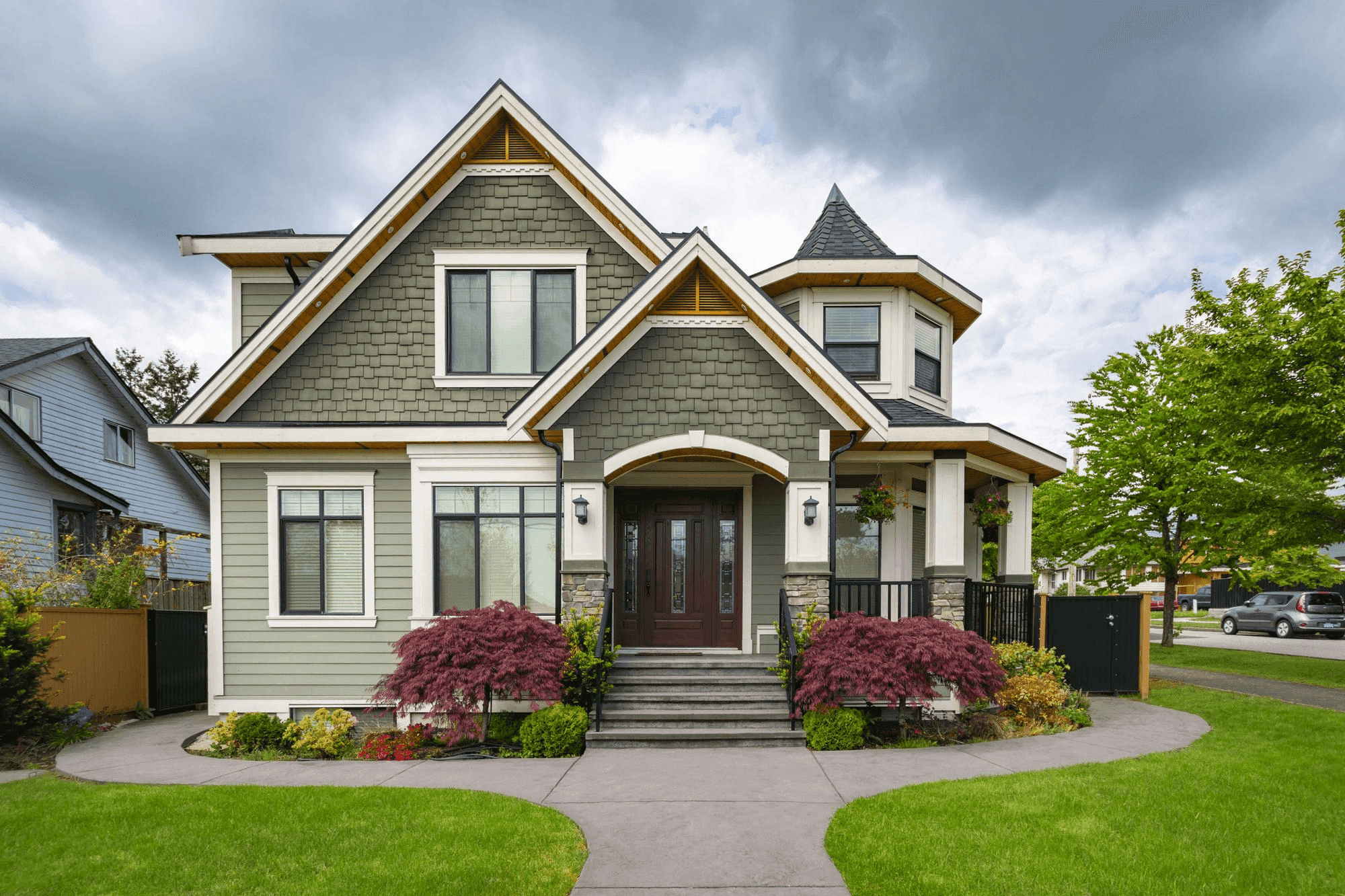
The Cheapest Cities to Live in Texas in 2026 (Ranked)
If you're asking "what is the cheapest place to live in Texas" or trying to find the single cheapest city in Texas to live in, this table is your starting point. It ranks the ten most affordable places to live in Texas by median home price, rent, and cost of living index - and it's the same list that answers "what are the cheapest cities in Texas" or "which cheapest cities to live in Texas should I actually consider."
| Rank | City | Median Home Price | Median Rent | Cost of Living Index |
|---|---|---|---|---|
| 1 | Wichita Falls | $195,000 | $1,020/mo | 90 (10% below national) |
| 2 | Brownsville | $215,000 | $1,050/mo | 80 (20% below national) |
| 3 | Baytown | $205,000 | $1,150/mo | 92 |
| 4 | Lubbock | $220,000 | $1,100/mo | 85 |
| 5 | San Angelo | $225,000 | $1,080/mo | 90 |
| 6 | Abilene | $210,000 | $1,090/mo | 88 |
| 7 | Killeen | $222,000 | $1,150/mo | 89 |
| 8 | Pasadena | $232,000 | $1,300/mo | 93 |
| 9 | Waco | $248,000 | $1,250/mo | 91 |
| 10 | Midland | $290,000 | $1,450/mo | 96 |
1. Wichita Falls - the cheapest city in Texas right now
Wichita Falls holds the top spot among the cheapest places to live in Texas for 2026, with a median home price around $195,000 and a cost of living roughly 10% below the national average. Sheppard Air Force Base anchors the local economy - military employment doesn't contract the way private-sector jobs do during downturns - alongside United Regional Health Care System and Midwestern State University.
Math snapshot: At $195,000 with 20% down ($39,000) and a 6.5% rate, a 30 year mortgage runs roughly $988/month in principal and interest - cheaper than the area's median $1,020 rent.
2. Brownsville - Rio Grande Valley value
Down in the Rio Grande Valley, Brownsville pairs a median home price around $215,000 with a cost of living close to 20% below the national average. Cross-border commerce and a growing SpaceX presence near Boca Chica are adding jobs to a historically low-cost market.
Math snapshot: A $215,000 home at 20% down and 6.5% runs about $1,090/month - roughly on par with local rent.
3. Baytown - Houston-adjacent, without Houston prices
Thirty minutes from Houston's job core, Baytown offers a median home price around $205,000, with ExxonMobil and Chevron anchoring a stable petrochemical-sector economy.
Math snapshot: A $205,000 home at 20% down ($41,000) and 6.5% runs about $1,037/month - roughly $113 below the area's $1,150 median rent.
4. Lubbock - college-town economics
Home to Texas Tech, Lubbock's cost of living runs close to 15% below the national average, with a median home price near $220,000 and jobs spread across education, healthcare, and agriculture.
Math snapshot: A $220,000 home at 20% down ($44,000) and 6.5% runs about $1,112/month - roughly on par with the area's $1,100 median rent.
5. San Angelo - the property-tax winner
San Angelo has one of the lowest effective property tax rates in the state (around 1.13%), which keeps annual ownership costs down even though the median price (~$225,000) isn't the state's rock-bottom. Goodfellow Air Force Base and Angelo State University anchor employment.
Math snapshot: A $225,000 home at 20% down ($45,000) and 6.5% runs about $1,138/month - roughly $58 above the area's $1,080 median rent before taxes, though San Angelo's low 1.13% effective property tax rate narrows that gap once total ownership cost is factored in.
6. Abilene - steady, diversified, and cheap
Median home prices around $210,000 and a cost of living close to 12% below the national average make Abilene a consistent presence on lists of cheap places to live in Texas, with healthcare, education, and military employment (Dyess Air Force Base) as the economic base.
Math snapshot: A $210,000 home at 20% down ($42,000) and 6.5% runs about $1,062/month - roughly $28 below the area's $1,090 median rent.
7. Killeen - military-driven affordability
Home to Fort Cavazos (formerly Fort Hood), Killeen's median home price sits around $222,000. Defense, retail, and education give it one of the more diverse job markets on this list relative to its size.
Math snapshot: A $222,000 home at 20% down ($44,400) and 6.5% runs about $1,123/month - roughly $27 below the area's $1,150 median rent.
8. Pasadena - Houston metro, budget price point
Part of the greater Houston metro, Pasadena's median home price near $232,000 is well below Houston's core, while still offering access to the metro's job market via the Ship Channel's industrial and refining sector.
Math snapshot: A $232,000 home at 20% down ($46,400) and 6.5% runs about $1,173/month - roughly $127 below the area's $1,300 median rent, the widest buy-vs-rent gap on this list.
9. Waco - between Austin and Dallas
Waco's median home price has moved up to around $248,000 as the I-35 corridor keeps attracting relocators priced out of Austin, with Baylor Scott & White Health anchoring the healthcare sector.
Math snapshot: A $248,000 home at 20% down ($49,600) and 6.5% runs about $1,254/month - essentially even with the area's $1,250 median rent.
10. Midland - the highest price on this list, still below the national median
Midland's oil-and-gas economy pushes its median home price to around $290,000 - the priciest city on this list, but still well under the national median of $403,200+. Wages here also run higher than the state average.
Math snapshot: A $290,000 home at 20% down ($58,000) and 6.5% runs about $1,466/month - roughly $16 above the area's $1,450 median rent, a gap Midland's above-average wages typically offset.
Rent vs. Buy: Where the Math Favors Buying
| City | Median Rent | Est. Monthly Mortgage (20% down, 6.5%) | Buy vs. Rent Gap |
|---|---|---|---|
| Wichita Falls | $1,020 | $988 | Buying cheaper |
| Brownsville | $1,050 | $1,090 | Roughly even |
| Baytown | $1,150 | $1,038 | Buying cheaper |
| Lubbock | $1,100 | $1,113 | Roughly even |
| Killeen | $1,150 | $1,123 | Buying cheaper |
Across most of these cities, a 20%-down mortgage at current rates lands close to - or below - local rent. That's a meaningfully different picture than in high-cost metros, where renting is often still cheaper month-to-month. The caveat: these estimates exclude property taxes, insurance, and HOA/maintenance costs, which can add several hundred dollars a month on top of principal and interest. For a broader breakdown of the costs that can affect affordability beyond the mortgage itself, see our guide to financial factors in home buying.
Buying a Home? Get up to 1.5% Cash Back at Closing
Get pre-approved first, then start exploring homes knowing you can receive up to 1.5% of the home price back at closing.

Best Affordable Places to Live in Texas by Lifestyle
Not every list of affordable places to live in Texas accounts for who's actually moving there. Here's how the cities above - and a few beautiful affordable places to live in Texas outside the top ten - break down by lifestyle.
- Best affordable places to live in Texas for families: Killeen and Waco offer a mix of affordable housing, established school districts, and access to larger job markets (Austin for Waco, Fort Cavazos for Killeen) without metro-level home prices - two of the best and most affordable places to live in Texas for families if you have kids and want room to grow.
- Retirees: San Angelo and Brownsville combine low property taxes (San Angelo) or a low overall cost of living (Brownsville, ~20% below national) with warmer climates.
- Young professionals: Lubbock and Abilene combine sub-$220,000 homes with university-driven job markets and lower starter-home barriers to entry.
- Remote workers: Wichita Falls and Abilene offer the lowest overall cost of living on this list, which stretches a remote salary the furthest, provided broadband access fits your needs.
- Beyond the big-city budget hunt: If you want a Hill Country lifestyle rather than West Texas or the Valley, look at the small-towns section further down - Fredericksburg, Boerne, Granbury, and Wimberley all offer that at a lower price point than Austin, and each shows up again and again on searches for the most affordable towns in Texas.
What About Affordable Pockets Inside Austin, Dallas, and Houston?
Not everyone relocating wants to leave the big metros behind, and it's a fair question: are there still budget-friendly neighborhoods within Austin, Dallas, and Houston themselves, rather than a smaller city an hour or two away?
- Austin: the urban core is expensive, but outer neighborhoods and suburbs like Pflugerville, Manor, Kyle, and parts of far North Austin still run meaningfully below the metro's $540,000+ median. Round Rock and Georgetown sit a step up in price but remain popular with buyers priced out of Austin proper who still want a short commute.
- Dallas-Fort Worth: look toward Mesquite, Lancaster, Forney, Melissa, Celina, and Waxahachie - all inside or just outside the metro but priced well under the $435,000-$500,000 Dallas-Plano-Irving core. Fort Worth itself and Plano run higher than this list's featured cities, but both still undercut close-in Dallas neighborhoods, and Weatherford and Mineral Wells offer a lower-cost landing spot further west.
- Houston: Baytown and Pasadena (both covered above) function exactly this way - full access to the Houston job market at a fraction of the core city's home prices. Spring and Sugar Land sit closer to Houston's price ceiling, while Conroe splits the difference for buyers who want more land. If staying inside a major metro matters more to you than minimizing price, these pockets are worth a closer look before you widen your search to the smaller cities in this guide.
More Texas Cities and Small Towns Worth Knowing
Beyond the ranked list, a long tail of Texas towns shows up again and again in searches for affordable places to live in Texas - some genuinely cheap, others popular for lifestyle reasons even at a higher price point. Here's where several of them fit:
- East Texas: Longview and Tyler both offer home prices below the state's premium metros with a slower pace and strong healthcare and timber-industry job bases. Mineola, a smaller East Texas town, runs even cheaper on a per-square-foot basis.
- Texas Panhandle: Pampa and Childress are among the cheapest towns in the state by raw price, though job markets are thin outside agriculture and energy - worth it mainly if you already have remote income or a local employer lined up.
- West Texas: Odessa, Midland's neighbor, tracks closely with Midland's oil-and-gas economy and offers a similar cost profile. Presidio, far to the south along the Rio Grande, is one of the least expensive housing markets in Texas but also one of the most remote.
- Hill Country: New Braunfels and Comfort trade some affordability for Hill Country scenery and tourism-driven local economies; Mason, Texas is smaller and cheaper still, with a classic small-town feel.
- Gulf Coast: Corpus Christi rounds out the coastal option for buyers who want water access without California- or Florida-level prices.
- North Texas: Runaway Bay, a small lake community northwest of Fort Worth, and Sugarland (more commonly spelled Sugar Land) near Houston both come up frequently in searches even though neither cracks this guide's top-ten cheapest list - useful context if you're weighing them against Wichita Falls or Baytown. Bastrop, southeast of Austin, and Spring, Texas, north of Houston, round out the list of commonly searched satellite towns worth a quick comparison before you commit to a region.
None of these unseat Wichita Falls, Brownsville, or Baytown at the top of the cheapest-place-in-Texas rankings, but they're common enough searches that they're worth knowing where they land before you commit to one region.
Home Price Trend Tracker: 2024-2026
Statewide, Texas home values have moved from roughly $295,000 in 2024 to the $310,000-$320,000 range in 2026 - a 4-5% annual appreciation rate, broadly in line with the national trend but starting from a lower base. Waco and Midland have seen sharper increases, while Wichita Falls has stayed nearly flat, reinforcing its reputation as one of the more stable, low-volatility housing markets in the state.
Property Tax & Utility Comparison
Texas has no state income tax, but it leans harder on property taxes as a result - the statewide effective rate runs 1.6%-1.8%, well above the national average. That means the cheapest home isn't always the cheapest to own:
Understanding how property taxes work can help explain why two homes with similar purchase prices can have very different ownership costs.
For a closer look at county-level rates, exemptions, appraisal changes, and how taxes affect monthly escrow, see our guide to Texas property tax rates by county.
| City | Median Home Price | Effective Property Tax Rate | Est. Annual Tax Bill |
|---|---|---|---|
| San Angelo | $225,000 | 1.13% | ~$2,540 |
| Wichita Falls | $195,000 | 1.90% | ~$3,705 |
| Killeen | $222,000 | ~1.7% | ~$3,774 |
| Waco | $248,000 | ~1.8% | ~$4,464 |
San Angelo's unusually low effective rate means it can out-perform cities with lower sticker prices once you factor in the annual tax bill.
Small Towns Worth a Look
For buyers who don't need a mid-sized city's amenities, several small Texas towns offer even lower entry points and count among the safest, most budget-friendly towns in the state for buyers who want a quieter pace:
- Fredericksburg - Hill Country tourism economy, higher price point but strong resale value
- Boerne - San Antonio-adjacent, growing fast, still below metro pricing
- Granbury - lake-town appeal near DFW
- Wimberley - Hill Country arts community, popular with retirees and remote workers
For buyers who want to compare these smaller markets with larger Texas housing markets, our guide to the best places to buy single-family homes in Texas looks at affordability, inventory, taxes, and buyer opportunities across the state.
Mortgage Rates, Financing & First-Time Buyer Programs in Texas (2026)
Finding affordable places to live in Texas is only half the equation - what you pay to finance the home matters just as much. Here's what the 2026 mortgage market looks like and how to shop it. If you're unfamiliar with the financing process, our guide to mortgage basics explains how home loans work, what affects your rate and payment, and what borrowers should compare.
Current mortgage rates
As of mid-2026, average mortgage rates for a 30 year fixed rate mortgage are running 6.4%-6.6%, according to Freddie Mac's weekly survey and Bankrate data. The current rate mortgage shoppers see for a home mortgage today has held in that band for most of the year, with the MBA and Fannie Mae both forecasting the average 30 year fixed mortgage rate to stay near 6.4%-6.5% through year-end. Refinance rates run slightly higher, typically 6.7%-6.8% for a 30 year refinance mortgage rate, whether you're pursuing a straightforward home loan refinance or a cash-out option.
| Loan Type | Typical Rate Range (2026) | Notes |
|---|---|---|
| 30 year fixed mortgage | 6.4%-6.6% | Most common; stable monthly mortgage payment |
| Home loan 15 year fixed rate | 5.8%-6.2% | Lower interest rate mortgage, higher monthly payment |
| 5/1 ARM | 6.2%-6.5% | Lower intro rate, resets after 5 years |
| VA loan | Often below conventional 30 year home mortgage rates | For eligible veterans and service members, frequently no down payment required |
| FHA loans for homes | Slightly below conventional | Added mortgage insurance offsets the lower rate for some borrowers |
How to get the best rate: comparing mortgage lenders
Because average mortgage rates are national averages, your actual house loan mortgage rate will depend on your credit score, down payment, and loan type. Comparing mortgage lender rates - getting quotes from at least three to five lenders - is consistently shown to save borrowers real money: Freddie Mac's research suggests borrowers who get one additional rate quote save roughly $600 over the life of the loan, and up to $1,200 with three or more quotes. A mortgage price comparison across a few brokers or a brokerage mortgage service takes an afternoon and can meaningfully change your monthly mortgage payment. Whether you start with a home loan mortgage lender you already bank with or shop housing loan rates today from scratch, get every quote in writing before you compare.
Getting pre-approved
Before you start touring homes in any of the affordable places to live in Texas listed above, get pre-approved for a mortgage (or pre-qualified for a house loan, which is a faster but less formal first step). Being pre-approved for a home loan tells sellers you're a serious, financeable buyer, and it gives you a real number to work with - an estimated mortgage payment based on your actual credit profile rather than a generic mortgage calculator monthly payment estimate. A basic house loan calculator monthly payment tool or home price mortgage calculator can get you in the right range before a lender ever pulls your credit.
Estimating your monthly mortgage payment
A simple 30 year mortgage calculator will get you close, but your true estimated monthly mortgage payment includes four pieces: principal, interest, taxes, and insurance (PITI). Given Texas's higher property tax rates, don't skip that line item - a mortgage calculator Texas buyers use should always fold in the local effective tax rate, not just the national average.
Down payment basics
The average down payment for a house nationally runs somewhere between 6% and 20%, depending on loan type. Conventional loans often require 20% down to avoid mortgage insurance, but FHA loans can go as low as 3.5% down, and VA loan and USDA programs can offer a home mortgage with no down payment for eligible buyers. If a no down payment mortgage or a housing loan with no down payment sounds appealing, VA loan rates are worth checking first if you or a family member has served - Texas has a large veteran population and several of the cities on this list (Killeen, Abilene, San Angelo, Wichita Falls) sit near major military bases where VA home loan mortgage rates are common terrain.
First-time home buyer programs in Texas
If you're a first time home buyer in Texas, the state and several local governments run first time buyer programs in Texas that can help with both financing and the down payment:
- My First Texas Home (Texas Department of Housing and Community Affairs) - a first home buyer program Texas residents can use for a below-market interest rate mortgage combined with down payment assistance
- Texas Mortgage Credit Certificate - a federal tax credit for qualifying first-time buyers
- Local city/county programs - several of the cities in this guide, including Waco and Killeen, run their own first time home buyer assistance programs on top of state options
These first-time buyer loan and home loans for first time home buyers programs are typically income-capped and require a homebuyer education course, but they can meaningfully lower the barrier to entry in cities that are already budget-friendly for first home buyers.
Estimated home value and the real estate market
Before you make an offer, check the estimated home value of a property against recent comparable sales - most major real estate market platforms provide free estimates, but a local agent's read on Texas real estate and Texas homes for sale is generally more accurate than an automated valuation, especially in smaller Texas cities where sales data is thinner. It also helps to understand the different property valuation methods used to estimate what a home is worth before deciding how much to offer.
Texas vs. Florida vs. Georgia (2026)
| State | Median Home Price | Cost of Living Index | Property Tax Rate | State Income Tax |
|---|---|---|---|---|
| Texas | ~$310,000 | 91.5-93.9 | 1.6%-1.8% | None |
| Florida | ~$378,000-$405,000 | 100.7-102.8 | ~0.83-0.89% | None |
| Georgia | ~$295,000-$359,000 | 91.5 | Moderate | Yes (flat rate) |
Texas and Georgia both run below the national cost-of-living average, while Florida has crossed above it - driven largely by a home-insurance crisis (average premiums up 60-75% since 2022) and sustained housing demand. Texas offsets its higher property tax rate with no income tax and generally lower home prices outside its premium metros, which is a big part of why affordable cities to live in Texas keep outperforming Sun Belt peers on pure cost-of-ownership math.
Cheapest Texas Cities by Budget
- Under $200,000: Wichita Falls (~$195,000) is the only city on this list that reliably clears this threshold at the median; some neighborhoods in Brownsville and Abilene also fall under $200K depending on the specific area.
- $200,000-$300,000: Brownsville, Baytown, Lubbock, San Angelo, Abilene, Killeen, Pasadena, and Waco all fall in this range - the sweet spot for most of the cheapest cities to live in Texas.
- $300,000+: Midland is the outlier here, driven by its energy-sector wage premium.
FAQs
What is the cheapest place to live in Texas right now?
Wichita Falls consistently ranks as the cheapest city in Texas for 2026, with a median home price around $195,000 and a cost of living roughly 10% below the national average.
What are the most affordable cities in Texas overall?
Wichita Falls, Brownsville, Baytown, Lubbock, San Angelo, Abilene, Killeen, Pasadena, Waco, and Midland make up the ten most affordable places to live in Texas in 2026, based on median home price, rent, and cost-of-living index.
Where is the lowest cost of living in Texas?
Brownsville has one of the lowest cost-of-living indexes in the state, running close to 20% below the national average, followed by Wichita Falls and Abilene.
Is Texas still one of the best places to live for affordability?
Yes - the statewide median home price remains about 17% below the national median, and the state has no income tax. That said, affordability varies enormously by metro; Austin and the premium DFW suburbs are no longer part of the affordable Texas story.
Are mortgage rates expected to drop in 2026?
Most forecasts (MBA, Fannie Mae, Freddie Mac) expect the average 30 year fixed mortgage rate to stay in the 6.4%-6.6% range through the rest of 2026, with only modest movement absent a major economic shift.
What down payment do I need to buy in one of these cities?
It depends on loan type. Conventional loans often call for 20% down, but FHA loans can go as low as 3.5%, and VA loans can offer a mortgage with no down payment for eligible veterans and service members.
Is it cheaper to rent or buy in these cities?
In several cities on this list - including Wichita Falls, Baytown, and Killeen - a 20%-down mortgage at current rates is roughly equal to or below local median rent, though property taxes and insurance can close that gap.
Bottom Line
Texas's affordability advantage in 2026 is real, but it's concentrated outside the state's headline metros. Wichita Falls, Brownsville, Baytown, Lubbock, San Angelo, Abilene, Killeen, Pasadena, Waco, and Midland each offer a version of the same trade: home prices well under the national median, no state income tax, and - in most cases - a mortgage payment competitive with rent. Pair the right city with the right mortgage - comparing lenders, checking your VA or first-time-buyer eligibility, and getting pre-approved before you shop - and these affordable places to live in Texas can turn a tight budget into a real path to ownership.
Get the latest market trends, homebuying tips, and insider updates—straight to your inbox. No fluff, just the good stuff.
Article by
As a great communicator with excellent negotiation skills, I focus more on establishing unbreakable ties between my clients, as opposed to just helping them achieve their real estate dreams. As a representative of both buyers and sellers, I understand how to lead a transaction process to ensure that the needs of both are met. My track record speaks for itself. Since I ventured into the industry in 2013 as a realtor, I have not only helped many buyers land perfect homes, but I have also assisted tons of owners and investors build wealth.