Best Neighborhoods in Fort Lauderdale, FL - Buyers Guide 2026
April 2, 2026
11 minutes
Florida's housing market faced affordability pressures from 2023 to 2025 as high mortgage rates, insurance costs, and property taxes reduced buyer demand. Buyers evaluating the Best Neighborhoods in Fort Lauderdale in 2026 must understand shifting inventory levels, migration trends, and changing affordability across South Florida. Population growth continued through Acceptable as market data, but flag for awareness, population growth continued through in-migration from states like New York and California, contributing to sustained housing demand statewide and adding pressure to available supply in many Florida markets straining supply. Employment in sectors such as finance, healthcare, and marine industries continues to support demand in Fort Lauderdale despite slower sales activity.
How Does Florida’s Housing Context Impact the Best Neighborhoods in Fort Lauderdale, FL?
By 2026, Florida’s housing market has shifted from rapid pandemic-era growth to more balanced conditions. These statewide changes directly influence the Best Neighborhoods in Fort Lauderdale, shaping buyer behavior around pricing, inventory, and long-term value. Mortgage rates have eased, inventory has increased, and buyers have more options, though affordability remains strained due to past price gains and higher ownership costs.
In-migration from higher-cost states continues at a slower pace than 2020-2022, reducing intense bidding while still supporting steady demand. As a result, buyers are more selective, comparing value across neighborhoods rather than competing aggressively for limited listings.
Rising insurance, taxes, and regulatory costs-especially in coastal and condo markets-are influencing buying decisions. In Fort Lauderdale, these trends favor patient buyers who focus on fundamentals like schools, commute access, and risk exposure instead of chasing peak pricing.
Bundle your agent and mortgage. Save an average of $10,000.
Don't have an agent yet? Pair your reAlpha mortgage with a reAlpha agent, and you could get up to 1.5% cash back at closing.
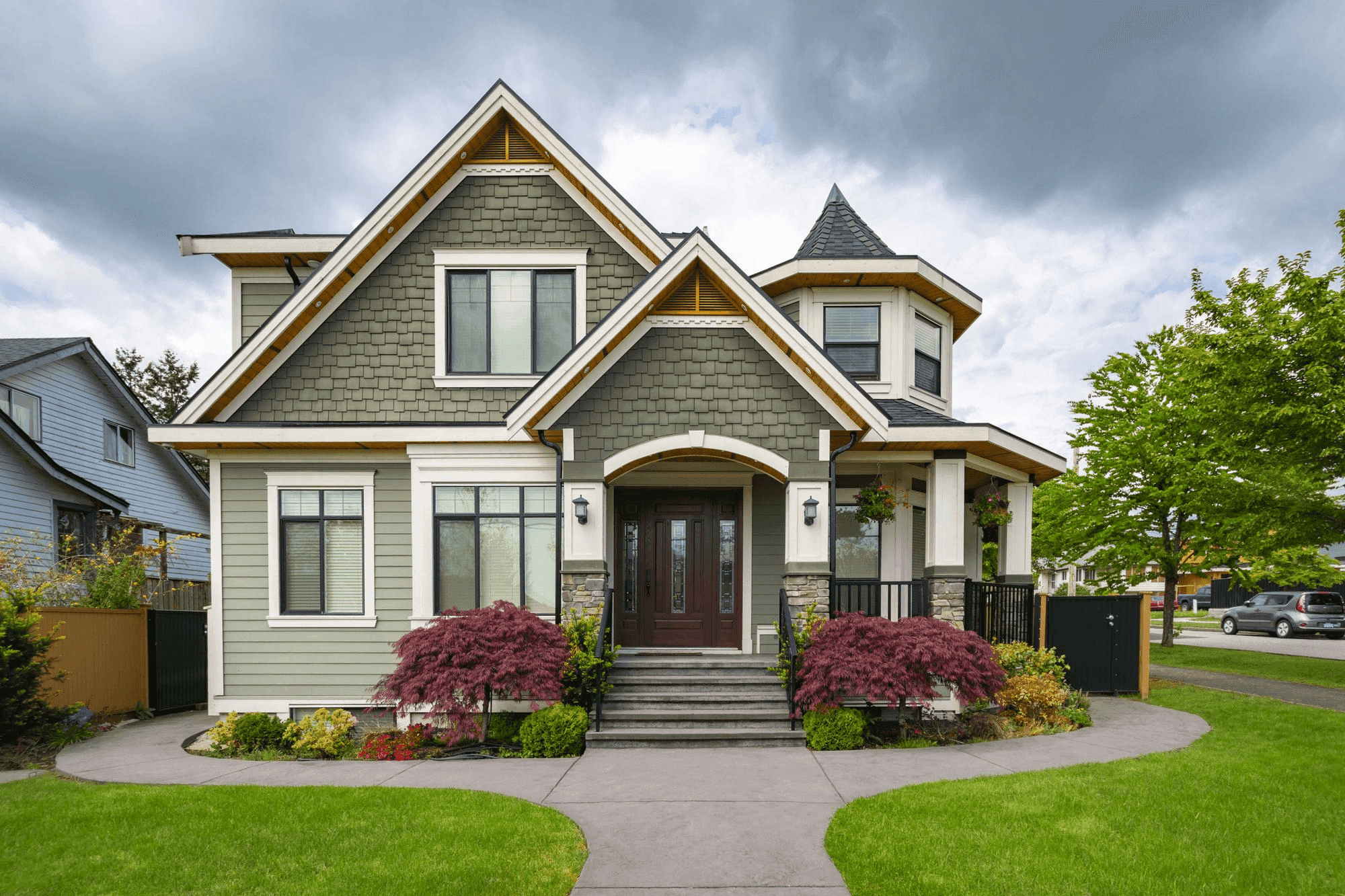
Why Buyers Choose Fort Lauderdale, FL
Buyers exploring the Best Neighborhoods in Fort Lauderdale are drawn by coastal living at prices below Miami’s most expensive markets, while still gaining access to South Florida’s job centers and lifestyle amenities. Fort Lauderdale continues to attract out-of-state buyers seeking beach access, boating culture, and walkable areas without Miami Beach-level pricing pressures.
Fort Lauderdale offers coastal living at prices below Miami’s most expensive neighborhoods, attracting out-of-state buyers who want South Florida access without Miami Beach-level pricing.
Buyer demand remains supported by strong job access and regional connectivity, including:
- Major employment base in professional services, logistics, tourism, and marine industries
- Proximity to Port Everglades, Fort Lauderdale-Hollywood International Airport, and key highways
- Easy commuting across Broward, Miami-Dade, and Palm Beach counties
Lifestyle continues to be a major draw, with buyers prioritizing:
- Beaches, boating, and waterfront access
- Walkable downtown areas like Las Olas
- Choice of urban, suburban, and gated residential communities
Recent demand has concentrated in central neighborhoods such as Las Olas Isles, Victoria Park, Coral Ridge, and Flagler Village, while value-focused buyers and investors monitor western Broward areas where inventory is higher and pricing is more flexible.
How Does the Cost of Living Vary Across Fort Lauderdale, FL Neighborhoods?
Fort Lauderdale isn’t one market-it’s a collection of price tiers shaped by lifestyle. From waterfront luxury to inland value neighborhoods, where you buy matters more than the city itself, especially with Florida’s no state income tax offsetting higher housing costs.
Fort Lauderdale Housing Costs at a Glance - Summary
Housing costs in Fort Lauderdale span a wide range based on lifestyle and location. Waterfront neighborhoods command multi-million-dollar prices, while historic and suburban areas offer mid-to-upper pricing with strong long-term appeal. Urban condos and inland neighborhoods provide the most accessible entry points for first-time buyers and value-focused households.
Fort Lauderdale vs. Other Florida Cities
City | Avg. Rent (2BR) | Avg. Home Price | Est. Monthly Mortgage |
|---|---|---|---|
| Miami, FL | $3,100 | $620,000 | $4,050 |
| Fort Lauderdale, FL | $2,750 | $515,000 | $3,150 |
| Orlando, FL | $2,400 | $460,000 | $2,950 |
| Tampa, FL | $2,150 | $445,000 | $2,750 |
Based on general market averages, Fort Lauderdale housing costs may be lower than comparable areas of Miami, depending on property type, financing structure, and ownership expenses. Actual monthly costs vary based on purchase price, loan terms, taxes, insurance premiums, and association fees, while still offering coastal access and strong job connectivity-making it a middle ground between luxury and livability.
Wallet Math: What Are the Real Cost-of-Living Savings in Fort Lauderdale, FL?
Cost-of-living differences between Fort Lauderdale and other Florida cities vary based on household income, financing terms, property taxes, insurance premiums, HOA fees, and lifestyle choices. While Fort Lauderdale home prices are generally lower than Miami’s most expensive neighborhoods, actual monthly costs depend on individual circumstances.
Florida’s lack of state income tax may benefit certain households compared to higher-tax states, but tax savings vary based on prior residency and income level. Likewise, homestead exemptions can reduce taxable value for eligible homeowners, though the amount depends on assessed value and local millage rates.
Buyers should calculate full ownership costs - including principal, interest, taxes, insurance, HOA fees, utilities, and commuting expenses - before assuming potential savings. Personalized budgeting provides a more accurate comparison than generalized city-level estimates.
The reAlpha platform removes the guesswork from this math. By integrating your homebuying team and closing costs into one workflow, we help seasoned buyers optimize for long-term value—not just a low listing price. The cash back you receive (up to 1.5% when bundling) is a result of the platform's efficiency, not a discount gimmick.
Buying a Home? Get up to 1.5% Cash Back at Closing
Get pre-approved first, then start exploring homes knowing you can receive up to 1.5% of the home price back at closing.

How Have Homebuying Trends Changed From 2023 to 2025?
Shifts in mortgage rates, inventory levels, and buyer competition have changed how purchasers evaluate the Best Neighborhoods in Fort Lauderdale between 2023 and 2026.
2023
- Fort Lauderdale continued to reflect the pandemic-era surge with tight inventory, high prices, and strong competition in prime neighborhoods.
- Buyer demand remained active, but higher mortgage rates limited budgets, causing some buyers to pause or shift toward more affordable Broward County areas.
- As borrowing costs increased, sales activity slowed from peak levels, price growth moderated in top locations, and homes in less central neighborhoods took longer to sell.
2024
- The market moved away from peak intensity toward more balanced conditions as inventory increased and buyer caution grew.
- Buyers took longer to decide and negotiated more, while sellers adjusted pricing expectations to reflect higher monthly ownership costs.
- Sales activity stabilized at a lower but healthier level, with demand strongest in coastal and walkable neighborhoods and slower movement in western areas.
2025
- While inventory rose, reAlpha’s transaction data showed a divergence. Non-integrated buyers faced 90-day closing delays due to lender-appraisal friction, whereas reAlpha users utilizing the Integrated Closing feature shrank timelines to an average of 45 days, turning 'cooling inventory' into a negotiation advantage.
- Average Fort Lauderdale home values remained above $500,000 but showed modest decreases, signaling slower price growth.
- Buyer demand became more selective, favoring homes priced at or below comparable market averages in Areas with higher walkability scores and job access while overpriced listings sat longer, improving negotiation leverage.
2026 Outlook:
Market conditions in 2026 will depend on mortgage rate trends, insurance costs, employment stability, and broader economic factors. While current data suggests more balanced conditions compared to peak pandemic years, buyers should treat forecasts as scenarios rather than guarantees.
Buyers in 2026 benefit from better selection, more time to evaluate options, and stronger negotiating power. However, insurance costs, property taxes, and cautious lending remain key constraints. Those who enter the market with pre-approval, realistic expectations, and neighborhood-level data are best positioned to secure homes that fit long-term needs.
How Do Zip Codes and Market Fundamentals Shape Housing Demand in Fort Lauderdale, FL?
Differences in pricing, commute access, and school quality across zip codes play a major role in defining the Best Neighborhoods in Fort Lauderdale for different buyer profiles. Areas east of I-95 and near downtown typically command higher prices, while western Broward zip codes offer lower entry points with longer commutes.Zip codes across Fort Lauderdale shape the buyer experience through differences in commute times, pricing, schools, and neighborhood character. Areas east of I-95 and near downtown typically command higher prices due to beach access and proximity to employment and lifestyle hubs, while western Broward zip codes appeal to buyers trading longer commutes for lower entry costs.
Commute patterns differ by location:
- Downtown and east-side zip codes offer faster access to Port Everglades, the airport, and central job centers
- Western and northwestern zip codes suit car commuters using I-595, I-75, and the Sawgrass Expressway
Perceived safety varies by neighborhood, with many buyers factoring in crime data, HOA oversight, and controlled-access communities. Condos and managed developments with security features tend to attract out-of-state buyers seeking predictable standards.
School quality metrics influence buyer decisions across multiple household types. East-side neighborhoods near well-rated public, magnet, and private schools often carry price premiums, while some buyers expand their search into nearby Broward communities with more consistent school ratings.
Pricing tiers remain location-driven:
- Higher brackets in waterfront and downtown-adjacent areas
- More attainable pricing in select western zip codes following recent value softening
Investors and budget-focused buyers often track zip codes with rising inventory or year-over-year price declines as potential entry points into the Fort Lauderdale market with longer-term upside.
Which Neighborhoods in Fort Lauderdale, FL Stand Out Based on Buyer Comparisons?
The table below summarizes several of the best neighborhoods in Fort Lauderdale, FL for different buyer profiles, using directional and relative information rather than exact statistics. Demand levels and appreciation directions reflect recent trends where centrally located, lifestyle‑rich areas hold value better than overstretched, value‑oriented zip codes.
Neighborhood comparison for buyers in 2026
The comparison below highlights the Best Neighborhoods in Fort Lauderdale by evaluating pricing tiers, lifestyle appeal, commute access, and buyer demand in 2026.
Neighborhood | Median Price Tier | Property Size/Stock | School Ratings | Avg Commute to Jobs (min) | Lifestyle Tags | Demand Index |
|---|---|---|---|---|---|---|
| Coral Ridge | $1.2M (Upper) | Large waterfront homes, mid-century | A | 12 to downtown/Port | Suburban, waterfront property mix | Competitive |
| Rio Vista | $900K (Upper Mid) | Mediterranean estates, single-family | A- | 8 to beach/downtown | Low-traffic streets | Highly competitive |
| Victoria Park | $987K (Mid-High) | Historic bungalows, townhomes | A+ | 5 to downtown | Walkable, mixed-use | Moderate |
| Imperial Point | $394K (Mid) | Single-family, apartments | B+ | 15 to beach/hospital | Residential zoning | Low-moderate |
| Sailboat Bend | $550K (Affordable Mid) | Historic lofts, refurbished homes | B | 3 to downtown | Historic district with preservation efforts | Moderate |
While each of the Best Neighborhoods in Fort Lauderdale appeals to a different buyer profile, centrally located areas with strong lifestyle amenities continue to hold demand better than value-oriented neighborhoods.
Coral Ridge Details
Tree-lined streets define the area, with canals supporting boating culture. Residents access parks like Hugh Taylor Birch State Recreation Area for recreation. Community events foster neighbor connections, Residents have access to community events and parks.
Rio Vista Details
New River frontage with direct ocean access via no-fixed-bridges. Strict RS-8 zoning prevents commercial creep, Zoning regulations limit commercial development in this area.by a future strip mall. Proximity to Las Olas shops provides convenience without downtown crowds.
Victoria Park Details
Oak-lined avenues host annual parades and markets, building social ties. Bike paths connect to nearby cafes and boutiques. Renovated mid-century homes blend historic charm with modern updates.
Imperial Point Details
Country club amenities include golf and tennis for active residents. Gated sections are available amid lush landscaping. Proximity to medical facilities.
Sailboat Bend Details
Riverwalk trails promote outdoor activity and events. Artist studios and galleries add cultural vibrancy. Preservation efforts maintain architectural heritage amid growth.
What Should Buyers Watch Out for in Fort Lauderdale’s Housing Market?
Buyers assessing the Best Neighborhoods in Fort Lauderdale should carefully evaluate insurance costs, property taxes, and neighborhood-level inventory conditions, as these factors can significantly affect long-term affordability. Inventory trends in 2025-2026 point to more buyer choice overall, but availability remains uneven by neighborhood. Premium areas in Fort Lauderdale continue to see limited supply and competition for well-priced listings, while value-oriented zip codes with higher inventory offer more room for negotiation.
Key cost and risk factors buyers should evaluate include:
- Property taxes and rising insurance premiums, especially in coastal locations and older buildings
- Condo association reserves, special assessments, and compliance with new statewide safety and funding rules
New construction and redevelopment bring modern features and efficiency but can introduce uncertainty around HOA structures, long-term fees, and delivery timelines. Buyers should compare new and resale homes by modeling full monthly costs, including insurance, taxes, HOA dues, and utilities.
Affordability challenges often appear after purchase, when insurance and tax costs are added to the mortgage. Buyers are better positioned when they budget conservatively and leave room for future premium increases rather than maxing out pre-approval limits.
What Are the Key Takeaways for Buyers in Fort Lauderdale, FL?
The traditional Fort Lauderdale buying process forces you to coordinate an agent, lender, and title company separately—often creating friction that loses deals. reAlpha consolidates this into one platform. You get a dedicated homebuying team, integrated closing, and cash back at closing. That’s the difference between merely buying a house in Victoria Park and owning it with $10k+ back in your pocket.
- Commute and access
- Buyers may prioritize proximity to educational institutions and local amenities.
- Lifestyle amenities versus budget
Walkability and urban amenities attract buyers to Las Olas, Victoria Park, Flagler Village, and nearby neighborhoods. Buyers seeking larger lot sizes and different price points often evaluate Coral Ridge and western Broward areas. where larger homes and lower price tiers are more common.
For long-term ownership, neighborhoods with strong fundamentals-such as schools, central access, and stable demand-tend to outperform short-term value pockets. Investors and relocators should also factor in rental demand, regulations, and building-level risk to support stable returns over time.
FAQs
1. Why is Fort Lauderdale, FL attractive for buyers?
It offers coastal living, beaches, boating, and walkable downtown areas at prices lower than Miami. Central neighborhoods like Las Olas Isles and Victoria Park offer proximity to schools, municipal services, and amenities.
2. How have homebuying trends changed from 2023 to 2026?
Inventory has increased and competition eased since the pandemic-era surge. In 2026, buyers have more options and negotiation power, though insurance and property taxes still affect affordability.
3. Neighborhood characteristics comparison?
Buyers may evaluate the following neighborhoods based on property features, price tiers, and commute patterns:
- Coral Ridge: Waterfront single-family homes, mid-century architecture, proximity to parks.
- Rio Vista: Mediterranean-style estates, direct water access, RS-8 zoning.
- Victoria Park: Historic bungalows and townhomes, walkable street network, mixed-use areas.
- Imperial Point: Single-family homes and apartments, residential zoning, near medical facilities.
- Sailboat Bend: Historic lofts and refurbished homes, Riverwalk access, artist studios.
All buyer decisions should be based on individual budget, commute needs, and property preferences.
4. What should buyers watch out for in Fort Lauderdale, FL?
Rising property taxes, insurance, HOA fees, and new construction risks can affect costs. Budgeting carefully is important to avoid surprises after purchase.
5. How do location and zip codes affect homebuying?
East-side and central areas offer beach access, schools, and shorter commutes but higher prices. Western neighborhoods are more affordable, with longer commutes and more room for negotiation.
Get the latest market trends, homebuying tips, and insider updates—straight to your inbox. No fluff, just the good stuff.
Article by
As a great communicator with excellent negotiation skills, I focus more on establishing unbreakable ties between my clients, as opposed to just helping them achieve their real estate dreams. As a representative of both buyers and sellers, I understand how to lead a transaction process to ensure that the needs of both are met. My track record speaks for itself. Since I ventured into the industry in 2013 as a realtor, I have not only helped many buyers land perfect homes, but I have also assisted tons of owners and investors build wealth.