Best Neighborhoods in Sacramento, CA (2026 Guide for Buyers)
April 20, 2026
12 minutes
Best Neighborhoods in Sacramento, CA to Buy a Home in 2026
Sacramento’s best neighborhoods for 2026 include East Sacramento, Land Park, Midtown, Natomas, Elk Grove, Folsom, Rocklin, Lincoln, and Rancho Cordova. Each area offers something different depending on what you want from your next home-whether that’s highly rated schools, a shorter commute, walkable streets, newer construction, or more space for your budget.
The “best” neighborhood ultimately depends on your priorities. Some buyers prioritize established areas like East Sacramento and Land Park for their charm, tree-lined streets, and strong long-term value. Others prefer Midtown for its walkability, restaurants, and nightlife. Buyers focused on affordability and newer homes often look toward Natomas, Rancho Cordova, Lincoln, or Elk Grove, where prices can be more accessible, and inventory is broader
With inventory gradually rising and competition easing compared to the peak frenzy of recent years, buyers have more time to compare neighborhoods, evaluate home prices, and choose the area that best fits their lifestyle and budget before making an offer.
Before starting that search, many buyers first verify what their realistic monthly payment could look like -for example, understanding a typical $400K mortgage payment can quickly clarify which Sacramento neighborhoods fit your budget.
Quick Comparison: Best Neighborhoods in Sacramento (2026 Buyer Guide)
| Neighborhood | Typical Home Price | Best For | Lifestyle | Header 5 | Key Advantage | Watch-Out |
|---|---|---|---|---|---|---|
| East Sacramento | ~$850K | Move-up buyers, professionals | Historic, walkable, tree-lined | Short | Prestige, long-term value, McKinley Park | Higher entry price, limited inventory |
| Land Park | ~$900K | Families, established homeowners | Quiet, classic homes, park access | Short | Stable neighborhood, strong demand | Limited listings |
| Midtown | ~$600K | Young professionals | Urban, nightlife, walkable | Excellent | Dining, culture, downtown proximity | Smaller homes, HOA/parking |
| Natomas | ~$550K | First-time buyers, commuters | Suburban with newer homes | Good | Value + airport access | Flood insurance in some areas |
| Elk Grove | ~$650K | Families | Suburban, parks, schools | Moderate | Highly rated schools, larger homes | Longer commute |
| Folsom | ~$750K | Families, outdoor lifestyle buyers | Trails, lake access, new construction | Moderate | Strong schools + recreation | Higher prices in new builds |
| Rocklin | ~$700K | Families prioritizing schools | Predictable suburban communities | Longer | Excellent schools, family appeal | Commute distance |
| Lincoln | ~$620K | Buyers wanting more house | Spacious, growing suburbs | Longer | Bigger homes for the price | Distance from city center |
| Rancho Cordova | ~$500K | Budget buyers, first-time buyers | Emerging neighborhoods | Reasonable | Lower entry prices | Property condition varies |
How to Use This Table
If your priority is:
- Top schools → Rocklin, Folsom, Elk Grove
- Walkability & nightlife → Midtown
- Historic charm → East Sacramento, Land Park
- Affordable entry price → Rancho Cordova, Natomas
- More space for the money → Lincoln
- Long-term property value → East Sacramento, Land Park, Folsom
This quick comparison helps buyers shortlist 2–3 neighborhoods before starting home tours, which is one of the most effective ways to narrow your search in Sacramento’s 2026 housing market.
Once you’ve narrowed your list, the next step is confirming your financing readiness - many buyers start by understanding what lenders typically require as proof of funds before making an offer.
Bundle your agent and mortgage. Save an average of $10,000.
Don't have an agent yet? Pair your reAlpha mortgage with a reAlpha agent, and you could get up to 1.5% cash back at closing.
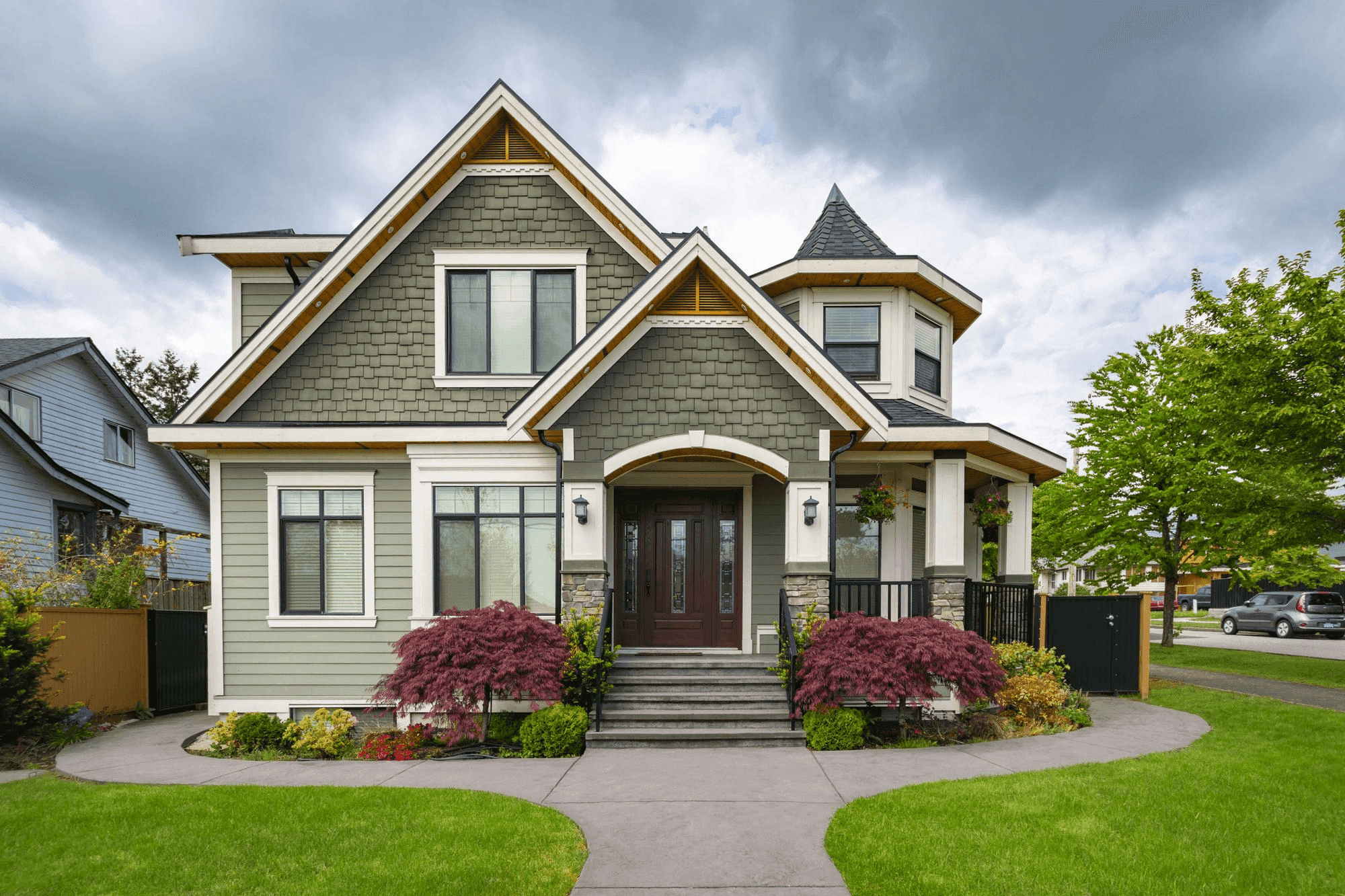
Best Neighborhoods in Sacramento by Buyer Type
The best neighborhood in Sacramento isn’t the same for every buyer. Some people prioritize top-rated schools and quiet streets, while others want walkability, nightlife, or a lower entry price. Looking at neighborhoods through the lens of buyer type can help you narrow down the areas that best match your lifestyle, budget, and long-term goals.
Best Neighborhoods in Sacramento for Families
For buyers focused on strong schools, parks, and family-friendly communities, several Sacramento-area neighborhoods consistently stand out. Rocklin, Elk Grove, Folsom, and Land Park are especially popular among families.
Rocklin and Elk Grove offer suburban neighborhoods with highly rated schools, newer housing developments, and plenty of parks and recreation areas. Folsom is also attractive to families thanks to its outdoor lifestyle, trails, and well-regarded school system. For buyers who prefer a more established central neighborhood, Land Park provides quiet streets, historic homes, and close proximity to large green spaces.
Best Neighborhoods in Sacramento for Young Professionals
Young professionals often look for neighborhoods with walkability, nightlife, dining, and proximity to downtown jobs. In Sacramento, Midtown and East Sacramento are two of the most appealing options.
Midtown is the city’s most vibrant urban neighborhood, known for its restaurants, bars, art scene, and walkable streets. It’s especially attractive for buyers who want a lively social environment and easy access to downtown offices. East Sacramento offers a slightly quieter atmosphere while still providing quick access to Midtown and downtown, along with charming streets and neighborhood parks. Some buyers also explore urban areas near Oak Park, where revitalization and new development are drawing interest.
Best Affordable Neighborhoods in Sacramento
Buyers looking for more budget-friendly entry points often focus on Natomas, Rancho Cordova, and Lincoln. These areas typically offer more attainable home prices compared with some of Sacramento’s more established neighborhoods.
Natomas is popular for its relatively newer housing and convenient access to downtown and the Sacramento International Airport. Rancho Cordova often attracts buyers seeking lower entry prices while still remaining within commuting distance of central Sacramento. Lincoln, located a bit farther from the city center, can offer larger homes and more square footage for the price.
Affordability comparisons often become clearer when buyers estimate what different loan sizes actually cost monthly - for instance, reviewing the breakdown of a typical $300K mortgage payment can help set realistic expectations.
Best Sacramento Suburbs for More Space
If your priority is larger homes, bigger lots, and a quieter suburban environment, several Sacramento-area suburbs stand out. Rocklin, Lincoln, Elk Grove, and Folsom are some of the most popular choices for buyers who want more space.
These suburbs typically feature newer developments, family-oriented communities, and more room compared with denser urban neighborhoods. While commutes into downtown Sacramento may be longer, many buyers find the extra space and suburban lifestyle worth the trade-off.
Best Neighborhoods in Sacramento for Long-Term Value
Some buyers focus less on lifestyle features and more on long-term property value and resale potential. In Sacramento, neighborhoods like East Sacramento, Land Park, Folsom, and Rocklin often attract attention for their stability and strong demand.
East Sacramento and Land Park are well-established areas with historic homes, desirable locations, and limited inventory, which can support long-term value. Folsom and Rocklin continue to grow due to strong schools, community development, and consistent buyer demand, making them attractive for homeowners thinking about long-term appreciation.
Neighborhood Comparison Table: Price, Schools, Commute, Lifestyle, Buyer Fit
When comparing the best neighborhoods in Sacramento, it helps to look beyond just the home price. Factors like school quality, commute access, lifestyle, and long-term value can significantly influence whether a neighborhood is the right fit for your needs.
The table below provides a quick comparison of some of Sacramento’s most popular neighborhoods to help buyers evaluate where they might want to focus their home search in 2026.
| Neighborhood | Median Home Price | School Strength | Commute Fit | Best For | Buyer Leverage in 2026 |
|---|---|---|---|---|---|
| East Sacramento | ~$850K | Strong | Short commute to downtown | Buyers seeking prestige, charm, and long-term value | Limited inventory may still create competition |
| Rocklin | ~$700K | Very strong | Longer commute to Sacramento | Families prioritizing schools and suburban stability | Growing inventory in surrounding areas may provide negotiation room |
| Folsom | ~$750K | Strong | Moderate commute | Buyers wanting newer homes and strong schools | New construction can provide buyer incentives |
| Midtown | ~$600K (condos/townhomes often lower) | Mixed | Excellent walkability and downtown access | Young professionals and walkability seekers | Condo inventory can create negotiating flexibility |
| Land Park | ~$900K | Strong | Short commute | Buyers wanting established neighborhoods and character homes | Low inventory keeps prices relatively firm |
| Natomas | $550K | Moderate | Good freeway access and airport proximity | Value-focused buyers and commuters | Increased listings may provide stronger negotiation leverage |
| Elk Grove | ~$650K | Strong | Moderate to longer commute | Families seeking schools, parks, and larger homes | Some new construction creates buyer incentives |
| Lincoln | ~$620K | Moderate to strong | Longer commute | Buyers wanting more house for the price | Larger inventory in newer areas may offer price flexibility |
| Rancho Cordova | ~$500K | Moderate | Reasonable commute to Sacramento | Buyers looking for lower entry prices | Some neighborhoods offer strong negotiation opportunities |
This comparison can help narrow down your options, but the right neighborhood ultimately depends on your priorities-whether that’s schools, commute convenience, home size, or affordability.
The Best Neighborhoods in Sacramento, CA in 2026
Buyer behavior in Sacramento has shifted in 2025–2026, with more buyers comparing three neighborhoods before touring homes. Platform data shows increased cross-shopping between Folsom, Rocklin, and Elk Grove due to buyer demand influenced by school district availability and pricing gaps exceeding $100K that appeal to different lifestyles, budgets, and homebuyer goals. Some areas are known for historic charm and walkability, while others attract buyers with top schools, newer homes, or more affordable entry prices. Each neighborhood has clear trade-offs in price, commute, and demand. can help you narrow down where to focus your home search in 2026.
Below are nine of the best neighborhoods in Sacramento to consider, based on lifestyle, home values, schools, commute access, and long-term buyer demand.
East Sacramento
East Sacramento is often considered one of the city’s most areas with higher home values and long-term demand trends. Known for its tree-lined streets, classic homes, and the historic “Fabulous Forties” area, it offers a blend of charm and long-term value that attracts move-up buyers and professionals.
The neighborhood is anchored by McKinley Park, which features walking trails, playgrounds, and open green space. Residents also enjoy easy access to bike paths, local cafes, and nearby Midtown. Because East Sacramento has limited inventory and strong demand, home prices tend to remain higher than many other parts of the metro area, but buyers are often drawn to its character, walkability, and prestige.
Land Park
Land Park is another historic Sacramento neighborhood known for quiet residential streets, mature trees, and strong community appeal. The area surrounds William Land Park, one of Sacramento’s largest green spaces, which includes walking trails, golf, gardens, and the Sacramento Zoo.
Many homes in Land Park feature classic architectural styles and larger lots compared with denser urban neighborhoods. Buyers often choose Land Park for its family-friendly environment, central location, and long-term stability, although inventory can be limited and prices may reflect the area’s desirability.
Midtown
Midtown is Sacramento’s urban lifestyle hub, offering one of the most walkable and energetic environments in the city. The neighborhood is filled with restaurants, coffee shops, nightlife, galleries, and entertainment venues, making it especially popular with young professionals and buyers who prefer a vibrant city atmosphere.
Housing in Midtown often includes condos, townhomes, and smaller historic houses, which can make it a more accessible entry point compared with some single-family neighborhoods. Buyers trade larger home sizes for convenience, walkability, and proximity to downtown offices and cultural attractions.
Natomas
Natomas sits just north of downtown Sacramento and has become a popular option for buyers seeking newer homes, suburban-style communities, and convenient commuter access. The neighborhood offers easy connections to major highways and Sacramento International Airport, which can be attractive for frequent travelers and commuters.
Natomas also features parks, walking trails, and proximity to Discovery Park, one of the region’s largest outdoor recreation areas. Compared with some central neighborhoods, buyers may find more inventory and stronger negotiation opportunities here. However, some areas of Natomas may require buyers to consider flood insurance requirements.
Elk Grove
Elk Grove is one of the most well-known suburban communities in the Sacramento region and is particularly popular with families. The area offers larger subdivisions, parks, and highly regarded school districts, which continue to attract buyers relocating within the region.
Homes in Elk Grove often provide more space and newer construction compared with older central neighborhoods. While commute times into downtown Sacramento can be longer, many buyers prioritize the family-friendly environment and suburban stability the area provides.
Folsom
Folsom combines suburban living with an active outdoor lifestyle, making it attractive to buyers who enjoy trails, lakes, and recreational activities. The area has experienced steady growth in recent years, with many new construction communities and master-planned developments.
Strong schools, proximity to Folsom Lake, and well-developed amenities make it a desirable option for families and professionals alike. However, this popularity can also lead to higher home prices, especially in newer neighborhoods.
Rocklin
Rocklin is frequently ranked among the best suburbs near Sacramento, especially for families. The area is known for strong school systems, well-planned neighborhoods, and a consistent suburban lifestyle that appeals to long-term homeowners.
Many homes in Rocklin are located in newer developments with parks and community amenities. Although the commute into downtown Sacramento can be longer compared with central neighborhoods, buyers often choose Rocklin for its predictable suburban environment and strong demand from families.
Lincoln
Lincoln has grown rapidly as buyers search for more space and better value outside Sacramento’s core neighborhoods. Many homes in Lincoln offer larger floor plans, bigger lots, and newer construction compared with more established urban areas.
Because Lincoln is farther from Sacramento’s city center, commute times can be longer. However, for buyers who prioritize square footage and affordability, Lincoln can provide more house for the money than many neighborhoods closer to downtown.
Rancho Cordova
Rancho Cordova has been gaining attention from buyers looking for lower entry prices and growing community amenities. The area offers relatively accessible home prices compared with some of Sacramento’s higher-cost neighborhoods, making it attractive to first-time buyers and value-focused homeowners.
With improving infrastructure, access to major highways, and proximity to outdoor recreation along the American River, Rancho Cordova is increasingly viewed as an emerging neighborhood with potential long-term growth.
Best Sacramento Neighborhoods by Buyer Type
| Buyer Type | Best Neighborhoods | Why Buyers Choose Them | Lifestyle & Housing Style | Key Considerations |
|---|---|---|---|---|
| First-Time Home Buyers | Natomas, Rancho Cordova, Lincoln, Midtown (condos/townhomes) | Lower entry prices, newer homes, or smaller starter properties | Suburban communities (Natomas, Lincoln) or urban condo living (Midtown) | Check total monthly payment, including HOA, insurance, taxes, and maintenance |
| Families | Rocklin, Elk Grove, Folsom, Land Park | Strong schools, parks, safe residential streets, and family-friendly amenities | Suburban neighborhoods with larger homes and community parks | Homes near top school districts may have higher purchase prices |
| Young Professionals | Midtown, East Sacramento, parts of West Sacramento | Walkability, restaurants, nightlife, and proximity to downtown jobs | Urban lifestyle with cafes, entertainment, and cultural venues | Smaller homes or higher prices in walkable areas |
How Buyers Typically Use This Comparison
- If affordability is your top priority → Natomas or Rancho Cordova
- If schools and family lifestyle matter most → Rocklin, Elk Grove, or Folsom
- If you want nightlife and walkability → Midtown
- If you want urban access but quieter living → East Sacramento
This quick comparison helps buyers identify neighborhoods that match their lifestyle and budget before starting their home search in Sacramento.
Buying a Home? Get up to 1.5% Cash Back at Closing
Get pre-approved first, then start exploring homes knowing you can receive up to 1.5% of the home price back at closing.

Sacramento Housing Market in 2026: What It Means for Neighborhood Choice
Sacramento’s housing market in 2026 is calmer than the intense competition seen during 2022–2023. Inventory has gradually increased, bidding wars are less common in many areas, and buyers often have more time to compare neighborhoods and negotiate offers before making a purchase.
But market conditions vary widely depending on the neighborhood. Some areas still experience tight supply, while others offer more listings and buyer leverage.
| Market Factor | 2022–2023 Market | 2026 Market Trend | What It Means for Buyers |
|---|---|---|---|
| Inventory | Very limited | Gradually increasing | More homes to compare |
| Competition | Frequent bidding wars | More balanced offers | Less pressure to rush |
| Negotiation Power | Mostly sellers | More balanced in some areas | Buyers may negotiate price or terms |
| Time on Market | Very short | Slightly longer | More time to evaluate homes |
| Price Differences by Area | Less noticeable | Increasingly important | Neighborhood choice matters more |
Neighborhood Supply vs Buyer Leverage
Not every neighborhood behaves the same way. Some remain highly competitive due to demand, while others offer more negotiation flexibility.
| Neighborhood Type | Example Areas | Market Condition | Buyer Opportunity |
|---|---|---|---|
| High-demand historic areas | East Sacramento, Land Park | Limited inventory | Competition may remain strong |
| Family-focused suburbs | Rocklin, Elk Grove, Folsom | Steady demand | Moderate negotiation room |
| Growing suburban markets | Lincoln, Rancho Cordova | Expanding supply | More negotiating power |
| Urban condo markets | Midtown | Variable inventory | Potential price flexibility |
Why Neighborhood Choice Matters More in 2026
Looking only at the Sacramento metro median home price can be misleading. Prices can vary dramatically depending on the neighborhood.
| Neighborhood | Typical Home Price |
|---|---|
| East Sacramento | ~$850,000 |
| Land Park | ~$900,000 |
| Folsom | ~$750,000 |
| Rocklin | ~$700,000 |
| Elk Grove | ~$650,000 |
| Natomas | ~$550,000 |
| Rancho Cordova | ~$500,000 |
A $350K price difference between neighborhoods can significantly impact affordability.
Monthly Payment Example
Assuming ~7% mortgage rate:
| Home Price | Estimated Monthly Payment (10% down) |
|---|---|
| $500K home | ~$3,400/month |
| $700K home | ~$4,700/month |
| $900K home | ~$6,100/month |
Difference between neighborhoods: ➡ ~$2,700 per month
That’s $32,400 per year in payment difference.
Decision Framework for Buyers
When choosing a Sacramento neighborhood in 2026, many buyers evaluate three factors:
| Decision Factor | Key Question |
|---|---|
| Budget | What monthly payment is comfortable long-term? |
| Lifestyle | Do you prefer walkability, suburban space, or proximity to downtown? |
| Long-Term Value | Is the neighborhood likely to remain in demand? |
The best approach is often to:
- Shortlist 2–3 neighborhoods
- Compare home price + monthly payment
- Evaluate schools, commute, and lifestyle
- Get prequalified to confirm your budget
This helps buyers focus on neighborhoods that fit both their lifestyle and financial comfort zone, rather than relying only on metro-wide price trends.
However, understanding how mortgage rates move - including how basis points influence borrowing costs and monthly payments can make a significant difference in when buyers decide to lock in a loan.
Monthly Payment Reality: What Different Sacramento Neighborhoods May Cost You
Home prices alone don’t tell the full story when comparing Sacramento neighborhoods. What ultimately matters for most buyers is the monthly payment, which includes mortgage principal, interest, taxes, insurance, and potentially HOA or special district fees.
Looking at estimated payments across neighborhoods can help buyers understand how location choices might affect their monthly budget.
| Neighborhood | Example Home Price | Est. Monthly Payment (10% Down) | Est. Monthly Payment (20% Down) | Common Hidden Costs |
|---|---|---|---|---|
| East Sacramento | $850,000 | ~$5,800 | ~$5,100 | Older home maintenance, property taxes |
| Land Park | $900,000 | ~$6,100 | ~$5,400 | Renovations for historic homes |
| Midtown | $600,000 | ~$4,100 | ~$3,600 | HOA fees, parking costs |
| Natomas | $550,000 | ~$3,700 | ~$3,300 | Flood insurance in some areas |
| Elk Grove | $650,000 | ~$4,400 | ~$3,900 | HOA in newer communities |
| Folsom | $750,000 | ~$5,100 | ~$4,500 | Higher prices in newer developments |
| Rocklin | $700,000 | ~$4,700 | ~$4,100 | Commuting costs |
| Lincoln | $620,000 | ~$4,200 | ~$3,700 | New community taxes or fees |
| Rancho Cordova | $500,000 | ~$3,400 | ~$3,000 | Property condition, renovation costs |
Estimates are illustrative and can vary based on mortgage rates, taxes, insurance, and loan terms.
Understanding these differences can help buyers identify neighborhoods that align with both their lifestyle preferences and financial comfort zone. In many cases, even small changes in home price or down payment can significantly affect the monthly payment, which is why many buyers choose to get prequalified for a mortgage before beginning their home search.
Choosing the Right Sacramento Neighborhood in 2026
Finding the right neighborhood in Sacramento isn’t just about which area looks good on a map; it’s about matching the right location with your budget, lifestyle, and long-term financial plan.
The difference between neighborhoods can translate into hundreds of dollars per month or tens of thousands of dollars in upfront costs. That’s why comparing home prices, monthly payments, and potential savings can help turn your research into a real buying decision.
What Your Purchase Could Look Like
| Example Home Price | Down Payment (10%) | Estimated Closing Costs (3%) | Potential reAlpha Credit (1–1.5%) | Your Net Closing Cost |
|---|---|---|---|---|
| $500,000 | $50,000 | $15,000 | $5,000 – $7,500 | $7,500 – $10,000 |
| $650,000 | $65,000 | $19,500 | $6,500 – $9,750 | $9,750 – $13,000 |
| $800,000 | $80,000 | $24,000 | $8,000 – $12,000 | $12,000 – $16,000 |
Estimates shown for illustration. Actual costs vary based on loan type, taxes, insurance, and local fees.
How the reAlpha Works
When you purchase a home using a reAlpha real estate company, you may be eligible to receive up to 1% of the home’s purchase price back as a credit at closing.
If you also finance through reAlpha Mortgage, that benefit can increase to up to 1.5% back, helping offset upfront closing costs without changing your loan terms or monthly payment.
Here’s what that could look like:
| Home Price | 1% Credit | 1.5% Credit |
|---|---|---|
| $500,000 | $5,000 | $7,500 |
| $650,000 | $6,500 | $9,750 |
| $800,000 | $8,000 | $12,000 |
That credit can help cover:
- Closing costs
- Title and escrow fees
- Loan-related costs
- Other upfront expenses that buyers often worry about
For many buyers, those savings can make the difference between waiting another year and buying the right home today.
Turn Research Into Action
Once you know which Sacramento neighborhoods fit your lifestyle and budget, the next step is confirming what you can actually afford and which homes match your buying power.
- Explore homes in Sacramento
- Check your buying eligibility
A few minutes of checking your options today could help you identify the right neighborhood, secure the right home, and potentially save thousands at closing.
FAQs
What are the best neighborhoods in Sacramento for families?
Rocklin, Elk Grove, Folsom, and Land Park are popular with families because of strong schools, parks, and quiet residential communities.
What is the best neighborhood in Sacramento for young professionals?
Midtown is often the top choice due to its walkability, nightlife, restaurants, and proximity to downtown jobs.
What are the most affordable neighborhoods in Sacramento?
Natomas, Rancho Cordova, and Lincoln are typically among the more affordable areas for buyers entering the Sacramento market.
Which Sacramento neighborhoods have the best schools?
Rocklin, Folsom, and Elk Grove are widely known for highly rated schools and family-oriented communities.
Is Natomas a good place to buy a home?
Yes. Natomas offers relatively newer homes, convenient commuter access, and more inventory compared with some central Sacramento neighborhoods.
Is East Sacramento worth the higher home prices?
For many buyers, yes. East Sacramento offers historic charm, walkability, strong demand, and long-term property value.
What are the best Sacramento suburbs for first-time buyers?
Natomas, Rancho Cordova, and Lincoln often attract first-time buyers due to more accessible home prices and larger homes for the money.
Is 2026 a good time to buy in Sacramento?
With rising inventory and less competition than in previous years, many buyers in 2026 have more time to compare neighborhoods and negotiate offers.
Should I get prequalified before choosing a neighborhood?
Yes. Getting prequalified helps you understand your budget and focus on neighborhoods that fit your actual buying power.
Get the latest market trends, homebuying tips, and insider updates—straight to your inbox. No fluff, just the good stuff.
Article by
As a great communicator with excellent negotiation skills, I focus more on establishing unbreakable ties between my clients, as opposed to just helping them achieve their real estate dreams. As a representative of both buyers and sellers, I understand how to lead a transaction process to ensure that the needs of both are met. My track record speaks for itself. Since I ventured into the industry in 2013 as a realtor, I have not only helped many buyers land perfect homes, but I have also assisted tons of owners and investors build wealth.