Best Places to Buy a Beach House in Florida (2026 Beach Guide)
August 13, 2026
9 minutes
Florida has more coastline than any other state in the continental U.S., and most of it costs less than people assume. The idea that a Florida beach house automatically means a seven-figure price tag is one of the more persistent myths in real estate search - and it's exactly why so many buyers expect a number that's higher than what's actually out there.
This guide is built around the question people actually type into Google - not "where's the fanciest coastline" but where the best places to buy a beach house in Florida actually are, what a real budget buys at the beach, and what it costs to insure once you own it. Whether you're searching for sell house listings, browsing real estate listings for a for sale condo, or just trying to find homes for sale near the water, we'll walk through realistic price bands, the towns where those prices show up, and the insurance math that decides whether a "cheap" beach house stays cheap.
If you're still comparing coastal markets before narrowing down to Florida, explore the top beach house locations to see how different beach markets compare on affordability, rental potential, and long-term value.
What Counts as One of the Best Places to Buy a Beach House in Florida?
Affordable means something different at the coast than it does inland, so it's worth defining before you start touring beach houses for sale.
Among the best places to buy a beach house in Florida with real beach access, three things repeat across the towns that actually deliver on the promise: entry prices meaningfully below the state's coastal average, insurance and flood costs that don't erase the savings, and enough inventory that "affordable" isn't just one distressed listing.
That third point matters more than people expect when you're scrolling through florida beach houses for sale or beach homes for sale in Florida. A single underpriced condo doesn't make a town one of the best places to buy a beach house in Florida - a pattern of comparable sales does. The sections below separate the two, and cover everything from cheap houses for sale to beach mansions, so you can see where your number actually lands.
Bundle your agent and mortgage. Save an average of $10,000.
Don't have an agent yet? Pair your reAlpha mortgage with a reAlpha agent, and you could get up to 1.5% cash back at closing.
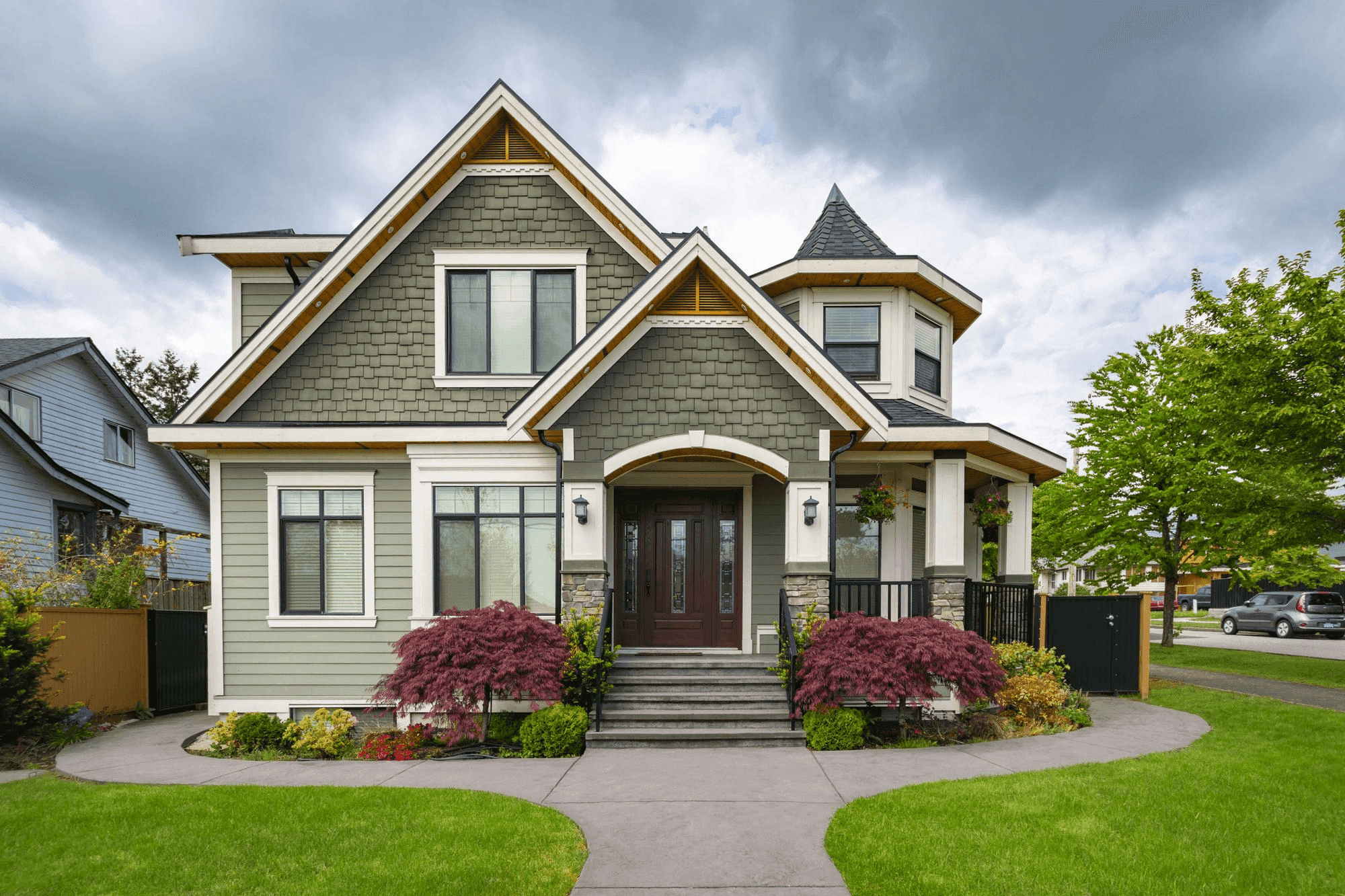
What a Real Budget Buys: Florida Beach Prices by Price Band
Search results for "beach houses in florida for sale" span an enormous range, from studio condos to oceanfront estates, so it helps to sort by what your number actually buys in 2026 - whether you're typing "beach house for sale florida," "florida beach house for sale," or "beach house in florida for sale" into the search bar.
- Homes for sale under $30,000 in Florida: At this price, you're looking at land parcels, older manufactured homes well inland from the coast, or distressed properties needing a full rebuild - not a move-in-ready beach house. If you're searching land in Florida for sale or manufactured homes in Florida for sale, this is the price band where those results actually live. When a "waterfront" listing shows up this low, treat it as a signal to look closely at title, flood zone, and structural condition before you get attached to the price.
- Waterfront condos under $50,000: Similar caveat applies to anyone searching waterfront condos for sale in Florida under $50,000. These typically involve fractional or deeded-week ownership, age-restricted communities with steep transfer fees, or units carrying an unresolved special assessment. A licensed real estate agent florida buyers trust can tell you which one you're looking at before you wire a deposit.
- Oceanfront condos under $200,000: This is where things get genuinely realistic, and where searches for oceanfront condos for sale in Florida under $200,000, cheapest oceanfront condos in Florida, and where are the cheapest beachfront condos in florida start turning up real answers. According to Lang Realty, Florida's MLS activity shows the highest concentration of beachfront condos priced between $100,000 and $200,000 in Sunny Isles Beach, Hollywood Beach, Hallandale Beach, Deerfield Beach, and Daytona Beach. Along the Space Coast and Treasure Coast - think Cocoa Beach, New Smyrna Beach, and Fort Pierce - inventory in this range tends to run larger, with more one- and two-bedroom layouts available than in South Florida's studio-heavy sub-$200K stock. Once you have a price range in mind, the next step is seeing what is actually available. Browse oceanfront homes for sale to compare current coastal listings and see how your budget translates into real properties.
- Beachfront condos for sale in Florida - under $250K-$500K: Panama City Beach is a strong example of this tier in practice, and it's one of the most-searched markets among panama city beach florida condos, florida condos panama city beach, and panama city beachfront homes for sale. The area's median condo price sits at $405,000, according to Homes.com listing data, while sub-$200,000 studio and one-bedroom units still turn up regularly in older buildings like Horizon South (Source: Homes.com and Emerald Coastal Real Estate listings, 2026). If you're browsing Florida beachfront condos for sale under $500k, this is also where cheap condos for sale and condos in Florida for sale in this band are almost always older construction - factor in a milestone inspection and HOA reserve review before you make an offer.
- Beachfront homes for sale under $300,000-$500,000, and cheap houses for sale in Florida with pool: Single-family waterfront or near-water homes in this range concentrate in Fort Pierce, Port St. Joe, and parts of Daytona Beach, all covered in more detail below. Small beach houses in Florida for sale - modest single-family homes a few blocks from the sand rather than directly on it - are where most of this inventory lives, and a surprising share of them come with a private pool already installed, since older Florida homes in this price band were often built with one. Waterfront homes for sale under $300,000 do exist in these towns, though "waterfront" often means canal or sound access rather than direct ocean frontage - worth clarifying with your agent before you tour.
- Cheap waterfront homes and affordable beach homes for sale in Florida under $500,000: Once you move past the $300,000 mark, affordable beach homes for sale open up meaningfully in New Smyrna Beach and mainland Vero Beach, both covered below. A Florida beach house for sale in this range is more likely to be a true single-family home than a condo, which matters if you want a yard, a garage, or room to add a pool later - a common ask from people searching for cheap houses for sale in Florida with a pool.If affordability is your priority, browse affordable Gulf Beach homes to see current listings and compare the types of properties available at lower coastal price points.
- Beachfront property for sale under $100,000: This price point is rare and usually signals a lot or teardown rather than a livable structure - treat any beach properties for sale or cheap ocean front property for sale listing this cheap the same way you'd treat the sub-$30,000 and sub-$50,000 listings above.
- Beachfront investment property in Florida: If short-term rental income is the goal rather than a primary residence, the calculus changes: occupancy and nightly rate matter more than the sticker price. We cover this by town in the section below.
- The honest takeaway across every price band: the cheapest beachfront property in Florida and the cheapest oceanfront property in Florida - the kind people search for as cheap beach houses for sale in florida, cheap beach houses in florida for sale, or even vintage florida beach cottages for sale - are rarely found in the same handful of famous names people search first. They show up in towns with less name recognition and more room to grow, which is exactly why they belong on any honest list of the best places to buy a beach house in Florida - and it's the next section.
The Best Places to Buy a Beach House in Florida (2026)
Here's where the best places to buy a beach house in Florida conversation gets specific. These towns consistently show up as the most affordable beach towns in Florida to buy a house in Florida, the cheapest beach towns in Florida overall, and - for buyers weighing affordable coastal towns in Florida against the state's more famous names - the best towns in Florida to live on a real budget. If you're comparing the best area in Florida to live lists, or trying to narrow down the best place to live in Florida near the water, this table is the shortlist to start from.
Fort Pierce - The Most Affordable Entry Point on This List
Fort Pierce is one of the best places to buy a beach house in Florida, where public investment is starting to show up in private demand: roadway work, bridge upgrades, and streetscape improvements along Indian River Drive are the kind of spending that tends to pull buyers forward over time. For anyone specifically searching for a pierce florida house for sale, homes here sold at a median price around $265,000 over the three months ending May 2026, with listing data from Broker One putting the April 2026 median closer to $299,000. Either figure makes Fort Pierce a strong entry point on this list right now.
Port St. Joe - Low-Density Gulf Charm at a Real Discount
Port St. Joe keeps showing up as an "Old Florida" pick that isn't yet fully discovered - a fit if you want scarcity and a long hold over fast resale. Buyers searching house for sale port st joe or port st joe homes for sale will find homes sold at a median price near $337,000 over the past month, while beachfront listings near Cape San Blas run considerably higher. It's also worth a look if the query on your mind is closer to the cheapest place to buy land in Florida - the Forgotten Coast around Port St. Joe still has some of the state's more affordable coastal lots.
Daytona Beach - Frequency Over Seasonality, and a Deep Condo Market
Daytona's advantage is frequency: racing, biking, and shoulder-season events bring visitors in waves all year, not just one summer peak. For buyers typing in daytona beach homes for sale, daytona beach house for sale, or home for sale in daytona beach fl, home prices sold at a median near $320,000 over the three months ending April 2026 - and it's one of the specific markets Lang Realty flags for beachfront condo inventory under $200,000.
Pensacola Beach - Better Entry Than the Panhandle's Bigger Names
Pensacola Beach sits on Santa Rosa Island, where waterfront homes and true beach houses make up only about a quarter of all sales and can run into the millions, while condos and sound-side properties bring the entry point down considerably (Source: Gibbons Realty 2026). One detail that catches first-time buyers off guard: most of the island is leasehold land under the Santa Rosa Island Authority rather than fee-simple ownership - confirm lease terms and flood elevation before you underwrite a deal here.
If Pensacola Beach is on your shortlist, learn more about living in Pensacola Beach before comparing specific properties. A closer look at the area's neighborhoods and lifestyle can help you decide whether it fits your goals.
Considering other Panhandle options? Compare the best places to live in Navarre Beach Naples, Sarasota, and Vero Beach lead on appreciation and resale liq to see how another Gulf Coast community stacks up for lifestyle, location, and home-buying considerations.
New Smyrna Beach - Arts, Surf, and Easy Orlando Access
New Smyrna blends arts and surf culture with an easy drive to Orlando, which keeps weekend occupancy steady beyond the peak summer window. Anyone searching new smyrna beach homes for sale, new smyrna beach houses for sale, homes for sale in new smyrna beach florida, houses for sale new smyrna beach fl, smyrna beach homes for sale, homes for sale in new smyrna florida, or new smyrna house for sale will find homes sold at a median price near $496,000, according to Homes.com - pricier than Fort Pierce or Port St. Joe, but still well inside reach for buyers priced out of the state's marquee coastal names.
If Vero Beach is on your shortlist, explore the best places to live in Vero Beach to compare neighborhoods, lifestyle factors, and what different parts of the area offer before you start looking at homes.
Buying a Home? Get up to 1.5% Cash Back at Closing
Get pre-approved first, then start exploring homes knowing you can receive up to 1.5% of the home price back at closing.

Best Places to Buy a Beach House in Florida, at a Glance
The table below lines up these top contenders for the best places to buy a beach house in Florida side by side, so you can compare entry price against what each town is actually good for.
| Town | Typical entry price (2026) | Best for |
|---|---|---|
| Fort Pierce | ~$265K-$299K | Budget buyers, first-time coastal purchase |
| Port St. Joe | ~$337K (inland); higher near Cape San Blas | Low-density lifestyle, land buyers |
| Daytona Beach | ~$320K; sub-$200K condos available | Condo buyers, rental income |
| Pensacola Beach | Wide range; condos well below waterfront homes | Panhandle buyers wanting real beach access |
| New Smyrna Beach | ~$496K | Buyers stepping up from entry-level towns |
Buying a Home? Get up to 1.5% Cash Back at Closing. Get pre-approved first, then start exploring homes knowing you can receive up to 1.5% of the home price back at closing. Find your dream home
Is There a Safest Beach Town in Florida for Budget Buyers?
The safest beach town in Florida is a common search, and it's a fair question to ask alongside price. Safety data changes year to year and varies block by block within a single town, so rather than rank towns here, it's worth reading our dedicated breakdown of Florida's safest places to live before you narrow a shortlist - then cross-reference it against the best places to buy a beach house in Florida listed above to find where the two lists overlap.
Best Place to Buy a Beach House, Condo, or Vacation Home in Florida - By Goal
"Best place to buy a beach house in Florida" and "buy condo in florida" are two different questions with two different answers, and both depend on what you're optimizing for. Everything below builds on the best places to buy a beach house in Florida covered above, for buyers whose budget or goals stretch a little further - whether you're comparing home value across towns, checking the price of house listings pull up, or just trying to get a feel for overall house value trends before you buy a house.
- If you're asking where to invest in Florida real estate for rental income, or scouting the best places to invest in Florida overall: Destin, New Smyrna Beach, Pensacola Beach, and Daytona Beach combine tourism demand with enough resale depth to stay liquid. Destin's typical home value runs near $645,000 - a market often searched as beach homes destin florida - which puts it at the higher end of this group. The tradeoff is Destin's stronger seasonal rate power.
- If you're asking about the best place to buy a second home or a vacation home in Florida for long-term value: Naples, Sarasota, and Vero Beach lead on appreciation and resale liquidity. Naples' typical home value sits near $795,000 in recent market forecasting (Source: Tayton Capital 2026), while Sarasota runs closer to $475,000 for single-family homes, per Realtor association data. Vero Beach sits lower still, with recent closed sales around $400,000-$410,000 - good news for anyone searching for vero beach florida homes for sale, vero beach houses for sale, or vero beach florida houses for sale.
- If you're wondering where to buy a condo in Florida rather than a single-family home: Panama City Beach, Daytona Beach, and Pensacola Beach carry the deepest condo inventory across every price band covered in this guide, from sub-$200,000 studios to mid-six-figure Gulf-front units - a good fit for anyone searching panama city beach house for sale, panama city beach homes for sale, house for sale in panama city beach fl, homes for sale panama city beach florida, beach homes for sale in panama city beach, panama city beach house, panama city beach homes, beach houses in panama city beach, or beach houses in panama city beach florida.
- If the search on your mind is closer to "best place to live in Florida near the beach" than "best place to invest": weigh the affordable towns above against commute distance to work, school zones, and how much of the year you'll actually spend there - lifestyle fit matters as much as price for a primary residence, and it's a key part of narrowing down the best places to buy a beach house in Florida for your own situation rather than someone else's.
- If you're asking for the best place to buy a house in Florida right now, full stop: the honest answer is that "right now" matters less than your holding period. Florida's insurance market is actively stabilizing through 2026 (more on that below), which changes the math on markets that looked too expensive to insure just two years ago.
For a broader read on homes for sale in Florida and houses for sale Florida beyond the coast, our guide to the best places to live in Florida covers inland markets alongside these coastal ones. And if South Florida is more your speed, it's worth a look at homes sale Miami and general Florida homes search trends before you commit to a coastal-only search.
Homeowners Insurance Costs for a Florida Beach House (2026)
Every conversation about the best places to buy a beach house in Florida eventually runs into the same wall: the cost of homeowners insurance. Florida homeowners insurance is the line item that turns a "cheap" beach house into an expensive one, so it deserves its own section - and it's the reason a search for the best places to buy a beach house in Florida should never stop at the purchase price alone, no matter how good the property value looks on paper.
Insurance is the biggest surprise line item, but it isn't the only one - Florida property tax rates vary widely by county too, so run both against the purchase price before you decide a town is actually affordable.
- Average home insurance cost in Florida: Estimates vary by methodology, and the gap matters. NerdWallet puts Florida's average homeowners insurance cost at $3,390 per year for a policy with $500,000 in dwelling coverage - about 13% above the national average. Insurance.com's average climbs to $7,136 per year once a standard 2% hurricane deductible is factored in, versus $2,557 without one - a reminder that a quote missing hurricane coverage isn't a real quote for coastal property. Other analyses that include a full five-year claims-free profile put the figure closer to $10,384 per year. Get an actual quote for the specific property before you budget off any average.
- Homeowners insurance rates in Florida vary enormously by county: Analysis of Florida Office of Insurance Regulation filings shows Sumter County running about $1,620 a year for $300,000 in dwelling coverage, while coastal Miami-Dade runs closer to $12,200 and the Florida Keys closer to $14,850 for comparable coverage. Locally, Brevard County (the Space Coast) runs around $4,280 versus roughly $2,100 in nearby inland Orange and Seminole counties - proximity to the Gulf or Atlantic is consistently the single biggest driver of house insurance cost in Florida.
- Best homeowners insurance companies in Florida: State Farm consistently ranks as both a top-rated and among the cheapest large carriers for Florida homeowners insurance, averaging in the mid-$4,000s to just over $300 a month depending on coverage level and methodology. Comparing quotes from several homeowners insurance companies in Florida - not just the first insurance quote for a home you receive - remains the single most effective way to lower your cost.
- What dwelling insurance coverage actually covers: A homeowners insurance policy's dwelling coverage is what it costs to rebuild the structure itself, not what you paid for the home or what it would sell for. Florida's median rebuilding cost runs close to $494,856 statewide, according to First Street data cited by NerdWallet (Source: NerdWallet 2026) - a figure worth comparing against your own home's coverage limit, since being underinsured on rebuild cost is one of the most common and expensive mistakes coastal buyers make.
- The market is genuinely improving: Citizens Property Insurance Corporation - Florida's insurer of last resort - has filed an average statewide rate cut of 8.7% effective June 1, 2026, with larger cuts in Broward (about 17%) and Miami-Dade (about 10.5%) as private carriers take on policies Citizens once held (Source: Broker One and Pegasus Mortgage 2026). More than a dozen new admitted carriers have entered the state since the December 2022 reforms, and 2026 reinsurance costs came in meaningfully lower than 2025. None of this makes Florida cheap to insure. It does mean the trajectory has reversed for the first time in years, which matters if you're weighing an affordable purchase price now against insurance costs that could look different in three years.
Is 2026 a Good Time to Buy in One of Florida's Best Places to Buy a Beach House?
Yes, with the insurance caveat above baked into your math. Florida's price growth has cooled to the low single digits statewide, which means fewer bidding wars and more room to negotiate than buyers saw a few years ago - especially across the best places to buy a beach house in Florida covered here, where inventory has been building rather than shrinking through 2026.
Two 2026 policy changes are also worth knowing if you're buying a condo specifically: the My Safe Florida Condo Pilot Program offers matching grants up to $175,000 per association for hurricane-hardening work on buildings three stories or taller that are current on milestone inspections, and legislation signed in June 2026 extended a sales tax exemption on impact-resistant doors and windows through mid-2029, with a refund of up to $500 for qualifying homesteaded properties valued at $700,000 or less.
FAQs
What are the best places to buy a beach house in Florida?
Fort Pierce, Port St. Joe, Daytona Beach, and parts of Pensacola Beach consistently rank among the best places to buy a beach house in Florida with real beach access, based on 2026 closed-sale and listing data. Each has meaningfully lower entry prices than marquee names like Naples or Destin.
Where can I find beach houses for sale under $200,000 in Florida?
Sub-$200,000 beachfront condos concentrate in Sunny Isles Beach, Hollywood Beach, Hallandale Beach, Deerfield Beach, and Daytona Beach, along with select older buildings in Panama City Beach. If you're specifically searching for beach houses for sale under $200k, Florida, Space Coast and Treasure Coast markets like Cocoa Beach, New Smyrna Beach, and Fort Pierce also carry more inventory in this range than South Florida's studio-heavy stock.
Are homes for sale under $30,000 in Florida actually beach houses?
Rarely. At that price, expect land, older manufactured homes inland from the coast, or properties needing substantial renovation. True waterfront condos or beach houses almost never list this low without a structural, title, or assessment issue attached - have any listing this cheap inspected carefully before making an offer.
What's the best place to buy a beach house in Florida for rental income?
Among the best places to buy a beach house in Florida for rental income, Destin, New Smyrna Beach, Pensacola Beach, and Daytona Beach combine strong tourism demand with enough buyer depth to resell easily, making them the leading picks among Florida's affordable and mid-tier beach markets.
How much does homeowners insurance cost on a Florida beach house?
It depends heavily on the specific property, but statewide averages for 2026 range from about $3,390 a year (without a hurricane deductible factored in) to over $7,000 a year once one is included. Coastal counties can run two to five times higher than inland counties for identical coverage, so get a real quote for the specific address before finalizing your budget.
Do I need a real estate agent to buy an affordable beach house in Florida?
You're not required to use one, but a Florida-licensed real estate agent brings local knowledge of flood zones, HOA reserve health, and rental rules that can vary block to block. Buyer's agent fees are typically paid by the seller as part of the transaction, though sellers aren't required to cover them - confirm this in your buyer representation agreement before writing an offer.
How does reAlpha's cash back program work for buyers in Florida?
Florida is one of the markets where reAlpha Realty, reAlpha Mortgage, and Hyperfast Title all operate directly. Bundling real estate and mortgage services brings up to 1.5% cash back at closing; using real estate services alone brings up to 1% back.¹ On a $300,000 home, that's roughly $4,500 back when bundled - savings that show as a percentage of price at any purchase amount, including the more affordable towns covered in this guide.
Ready to Start Comparing Specific Listings?
Whether you're chasing the cheapest oceanfront property in Florida among the best places to buy a beach house in Florida covered here, or comparing a rental-income market against a long-term hold, the next step is the same: get a clear read on what you can afford, then start touring. See how reAlpha works to match with a Florida agent and align your mortgage options around your numbers.
When you're ready to move from research to offer, your team is ready.
Get the latest market trends, homebuying tips, and insider updates—straight to your inbox. No fluff, just the good stuff.
Article by
As a great communicator with excellent negotiation skills, I focus more on establishing unbreakable ties between my clients, as opposed to just helping them achieve their real estate dreams. As a representative of both buyers and sellers, I understand how to lead a transaction process to ensure that the needs of both are met. My track record speaks for itself. Since I ventured into the industry in 2013 as a realtor, I have not only helped many buyers land perfect homes, but I have also assisted tons of owners and investors build wealth.