Florida Condo Prices 2026: Cheap Deals Under $50K & Beachfront Under $200K
March 30, 2026
9 minutes
Yes - buying a condo in Florida in 2026 can present investment opportunities depending on selection and due diligence but only if you buy selectively. Average condo prices range from $310,000to $420,000 statewide, while some older buildings have dropped by 5-12% due to reserve law changes (SB 4-D). That price reset has opened rare entry points. Meanwhile, rental yields in cities like Orlando and Tampa are still averaging 5-8%, and oceanfront condos under $200K are still available in specific coastal pockets.
Buying a condo in Florida today is not just about timing the market. It is about managing a fragmented process across agents, lenders, and closing teams.
reAlpha operates as a homebuying company, where search, financing, and closing are handled through one platform and one coordinated homebuying team. This structure reduces late-stage surprises that often impact cost and timelines.
This is not a 2008-style crash. It’s a correction driven by insurance costs and structural reserve requirements - and that’s creating leverage for prepared buyers..
If you're unsure whether timing matters more than price, this breakdown of when is the best time to buy a house in Florida explains how seasonal inventory shifts create negotiation leverage - especially in correction cycles like this one.
2026 Florida Condo Snapshot
- Average Florida condo price: $310K–$420K
- Older buildings: Down 5-12% in select markets
- Beachfront under $200K: Still possible (Panhandle, Daytona pockets)
- Rental yields: 5-8% in Orlando, Tampa
- Market status: Selective buyer’s market - not collapsing
What That Means in Real Money
If a $350,000 condo drops 8%, that’s a $28,000 price difference based on market movement.
At 6% rental yield:
- ~$21,000 annual gross rent
- Potential positive cash flow in STR-friendly zones
That discount isn’t just “price movement.”
It’s equity you didn’t lose by waiting until 2021.
How Much Do Condos Cost in Florida in 2026?
In 2026, Florida condo prices range from under $50,000 to $1M+, depending on location, building age, and proximity to water. The statewide average sits between $310,000–$420,000, but deals still exist far below that anchor.
This is where most buyers get misled - they assume Florida = $400K+.
Reality? There are still cheap condos in Florida if you know where to look.
Before locking in a budget, it’s smart to factor in ongoing ownership costs - especially Florida property tax rates and exemptions - because a lower purchase price doesn’t always mean lower long-term carrying costs.
Bundle your agent and mortgage. Save an average of $10,000.
Don't have an agent yet? Pair your reAlpha mortgage with a reAlpha agent, and you could get up to 1.5% cash back at closing.
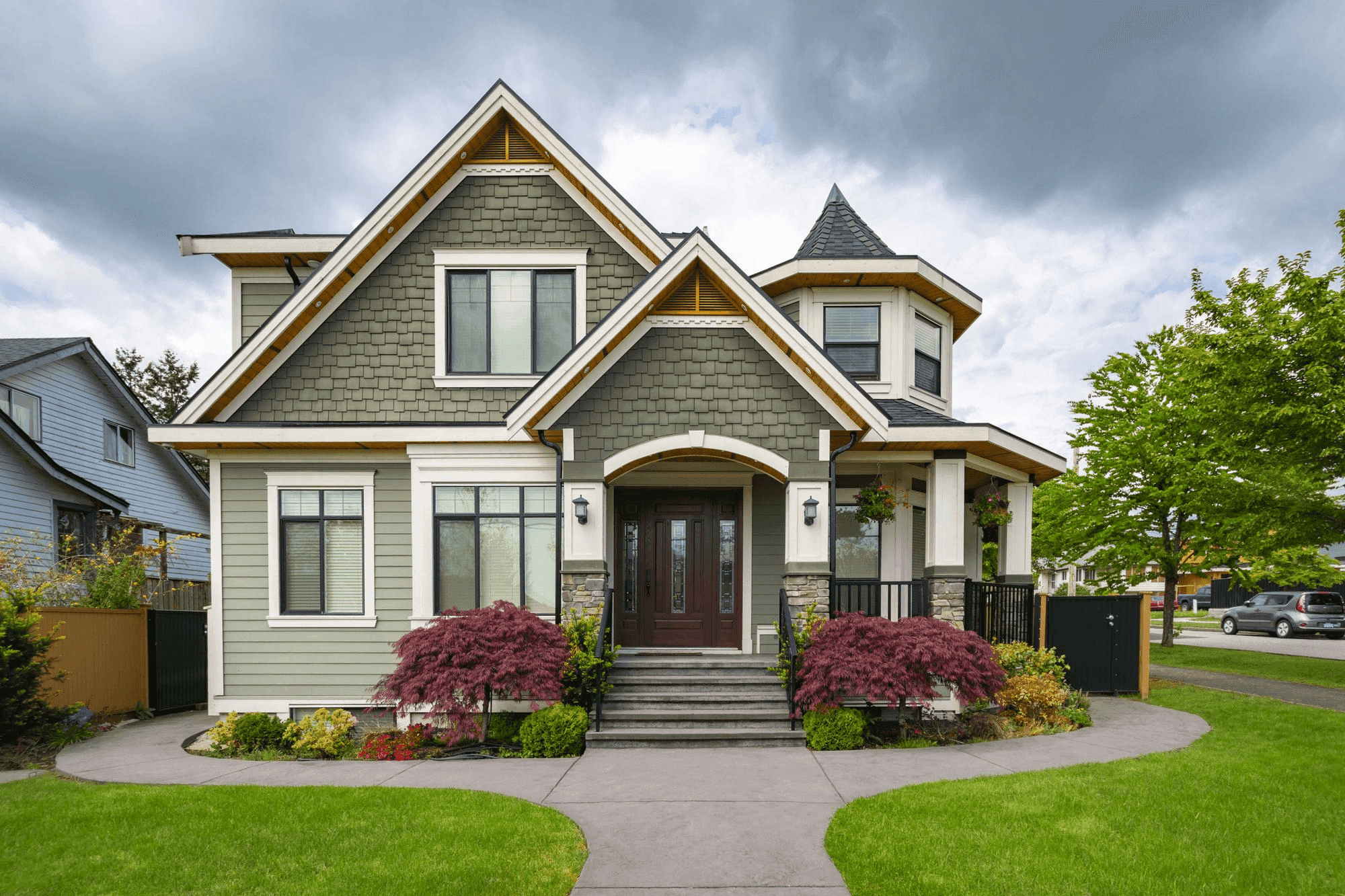
Florida Condo Price Breakdown (2026)
| Price Tier | What You Get | Example Cities |
|---|---|---|
| Under $50K | Age-restricted communities (as designated by applicable housing regulations), typically located inland | Broward County, Daytona Beach |
| Under $100K | 1BR older buildings | Fort Myers, Orlando |
| Under $200K | Beach-adjacent 2BR condos | Panama City Beach, Naples (select pockets) |
| $200K–$400K | Modern condos, strong rental demand | Tampa, Jacksonville |
| $500K+ | Oceanfront luxury, new construction | Miami, Fort Lauderdale |
What Your Budget Actually Buys
If you buy at:
- $90,000 → 20% down = $18,000
- $180,000 → 20% down = $36,000
- $350,000 (avg range) → 20% down = $70,000
That’s a $52,000 difference in cash needed between a $90K inland condo and the statewide average.
If a $180K beach-adjacent condo rebounds just 6% after reserve pressure fades →
That could represent $10,800 in potential equity based on price movement
- Waiting while prices normalize?
- That pricing opportunity may narrow as conditions change.
Where Are the Cheapest Beachfront Condos in Florida?
If you're searching for oceanfront condos under $200K or even waterfront condos under $100K, they still exist in 2026 - but they’re hyper-location specific.
Prices aren’t crashing statewide.
They’re compressing in older coastal buildings facing reserve and insurance pressure.
If you're evaluating which coastal pockets historically hold value best, this guide to the best places to buy a beach house in Florida breaks down long-term demand drivers and rental performance by region.
Here’s where real beachfront value still lives:
Panama City Beach - Beachfront Under $200K
- Studios and older 1BR units still trade below $200,000.
Wallet Math:
- $185,000 purchase
- 6% seasonal rental yield = ~$11,100/year gross
- 8% appreciation rebound = $14,800 potential equity gain depending on market conditions
That represents a potential combined income and appreciation scenario, depending on market conditions
Daytona Beach - Waterfront Under $150K
Ocean-view studios and aging towers offer rare entry points.
At $140,000:
- 20% down = $28,000
- If prices recover 7% → $9,800 potential equity based on price recovery
Many buyers overlook Daytona due to headlines- which is exactly why pricing is softer.
Fort Myers - Distressed Coastal Inventory
Post-storm inventory and reserve pressure created discounts in older buildings.
- Selective buying here = leverage.
- Blind buying = assessment risk.
Clearwater - Under $300K Beach Access
Harder to find, but older Gulf-front condos still dip below $300K - well below Miami pricing.
Hollywood, FL - Micro-Units Under $100K
Smaller waterfront co-ops and studio layouts still trade under $100,000.
- Yes - they’re small.
- But $95,000 beachfront exposure in South Florida is rare.
Are Florida Condo Prices Falling in 2026?
Yes - some Florida condo prices are falling in 2026, but this is not a 2008-style crash. The declines are selective, mostly impacting older coastal buildings affected by Senate Bill 4-D reserve requirements, rising insurance premiums, and a temporary inventory surge. This is a structural correction, not a demand collapse.
If you want a deeper macro context, this analysis of the Florida real estate market outlook explains how supply, insurance reform, and buyer psychology are shaping price adjustments statewide.
Why Prices Are Dropping (In Certain Buildings)
- Senate Bill 4-D → Mandatory structural reserve funding
- Full reserve requirements → Higher HOA fees in aging buildings
- Insurance premiums up 20–40% in coastal zones
- Inventory surge → Sellers exiting before assessments hit
Older buildings (25+ years) in parts of Miami, Fort Lauderdale, and the Gulf Coast are down 5–12%. Newer construction? Mostly stable.
What a “Drop” Actually Means
Example:
- $400,000 older Miami condo
- 10% price decline = $40,000 discount
If reserves stabilize and pricing rebounds just 6% →
That’s $24,000 potential equity recovery
The “crash” narrative often masks negotiation leverage.
In 2008, Florida saw 30–50% value collapses driven by mortgage defaults.
In 2026, we’re seeing single-digit to low double-digit adjustments tied to regulation and insurance.
That’s a meaningful difference.
Buying a Home? Get up to 1.5% Cash Back at Closing
Get pre-approved first, then start exploring homes knowing you can receive up to 1.5% of the home price back at closing.

How to Buy a Condo in Florida (Step-by-Step)
If you're serious about buying a condo in Florida in 2026, the process is different from buying a house. Miss one condo-specific detail, and it can cost you $10,000–$40,000 in surprise assessments.
Many deals fall apart because buyers misunderstand condo-specific underwriting. This guide to mortgage pre-approval in Florida walks through what access to a network of lenders review- including HOA financial strength and reserve compliance.
Here’s the correct order:
Step 1: Get Condo-Specific Pre-Approval
Not all condos qualify for every loan. lenders in the network review:
- HOA financial health
- Reserve funding levels
- Litigation status
A weak building can kill financing late in the deal - costing time and inspection money.
Step 2: Review HOA Financials
Request:
- Current budget
- Delinquency rates
- Reserve balances
- Pending special assessments
Wallet Math: If reserves are underfunded and a $25,000 assessment hits next year - that wipes out years of appreciation.
Step 3: Check Reserve Studies (SB 4-D Compliance)
- Buildings 3+ stories must meet structural reserve requirements.
- If they haven’t complied yet? Fees may rise.
Step 4: Confirm Rental Restrictions
Some HOAs:
- Ban short-term rentals
- Cap annual leases
- Require 1–2 year ownership before renting
This matters if you're purchasing a condo in Florida for investment.
Step 5: Verify Insurance & Flood Zone
- Insurance can swing monthly costs by $200–$600+ in coastal areas.
- Flood zone = higher premiums.
Step 6: Negotiate Special Assessments
If an assessment is pending, negotiate:
- Seller credit
- Price reduction
- Split payment
A $15,000 assessment negotiated down 50% = $7,500 saved at closing.
Buying a Condo in Florida and Renting It Out
Yes - buying a condo in Florida and renting it out can still generate strong returns in 2026. But the profit isn’t in “any condo.” It’s in the right building, right HOA, right city.
Average long-term and short-term rental yields currently range 5–8% in investor-friendly markets like Orlando, Tampa, and parts of Miami. Some short-term rental (STR) zones outperform that - but only if regulations allow it.
But before underwriting 6–8% yields, understand how rental demand actually behaves by metro. This breakdown of rental demand analysis and investor metrics explains how to validate income assumptions before you buy.
What Investors Must Check First
Airbnb & STR Rules (By City)
- Orlando (non-STR zones): Primarily long-term rentals
- Miami: Varies by zoning district
- Tampa: STR-friendly pockets exist
- Beach towns: Heavily HOA-controlled
HOA Rental Caps
Many buildings limit:
- % of units allowed to rent
- Minimum lease terms (6–12 months)
- Waiting periods before renting
STR-Friendly Zones = Higher Volatility + Higher Reward
Investor Wallet Math Example
- $250,000 condo
- 6.5% rental yield = ~$16,250/year gross
If financed at 20% down:
- $50,000 down payment
- $16,250 gross income
- Potential appreciation at 5% = $12,500 equity growth
That could represent a combined income and appreciation scenario, depending on performance and expenses before expenses.
Now compare that to idle cash earning 4–5%.
Investor Risk Factors
• Reserve compliance (SB 4-D)
• Insurance premium volatility
• HOA litigation
• Rental caps tightening
The biggest mistake investors make?
Buying based on price - not building financial health.
Florida Condo Markets Compared by Pricing, Inventory, and Rental Metrics
Evaluate cities based on measurable factors such as pricing trends, inventory levels, and rental performance metrics.
If you're relocating or comparing lifestyle + ROI, this guide to the best places to live in Florida breaks down affordability, job growth, safety, and long-term livability factors beyond hype markets.
Here’s the fast breakdown:
Each city is evaluated individually using consistent metrics such as pricing, rental yield, and inventory levels
For Investors
Orlando, Miami
- Orlando → Documented rental activity supported by tourism and employment growth indicators
- Miami → Price variability observed in certain buildings based on recent transaction trends
- Typical yields: 5-8% depending on zoning + HOA rules
Investor Anchor: A $275,000 Orlando condo at 6% yield = ~$16,500 gross annually.
That’s income + appreciation potential in a migration-driven market.
For Retirees
Sarasota, Naples
- Coastal markets with lower population density and reduced tourism activity
- Resale activity supported by historical transaction volume trends
- HOA requirements with higher reserve funding and compliance thresholds
Yes, prices are higher - but stability often offsets volatility.
For Families
Jacksonville, Tampa
- Lower average condo prices than South Florida
- Growing job markets
- Inland markets may have comparatively lower insurance premiums based on flood zone classifications
These markets show lower average price points alongside documented employment and population growth trends
For Luxury Buyers
Miami, Fort Lauderdale
- Oceanfront towers
- International demand
- Premium pricing ($500K+)
Higher-priced properties have shown less price adjustment compared to older coastal buildings based on recent transaction data.
For Budget Buyers
Daytona Beach, Panama City Beach
- Waterfront condos under $200K still exist
- Higher due diligence required (reserve review is critical)
7 Mistakes When Buying a Florida Condo
Most losses don’t come from pricing-they come from missed coordination risks across lenders, HOAs, and closing timelines.
Internal transaction data across reAlpha’s platform shows that missed HOA financial risks and late-stage financing failures are the top two causes of deal breakdowns, often costing buyers five figures.
- Most buyers don’t lose money because of the market.
- They lose money because they ignore building-level risk.
In 2026, especially with SB 4-D reserve laws in effect, avoiding these mistakes can protect $10,000–$50,000+ in unexpected costs.
Before waiving contingencies, review this breakdown of home inspection costs in Florida and what they actually cover - because skipping due diligence in older coastal towers can expose structural red flags that turn into special assessments.
Ignoring Special Assessments
A $280,000 condo can turn into a $305,000 condo overnight if a $25,000 assessment hits after closing.
Always ask:
- Are assessments pending?
- Are repairs funded?
- Can the seller credit you at closing?
Buying Into Litigation Buildings
Active lawsuits can:
- Block financing
- Kill resale value
- Increase insurance premiums
Cheap price ≠ good deal.
Underestimating Insurance Costs
Coastal insurance increases of 20–40% have impacted monthly budgets.
Wallet Impact Example:
- $400/month HOA → increases to $550/month
- That’s $1,800 extra per year.
Skipping Reserve Review (SB 4-D Risk)
- Buildings must now fully fund structural reserves.
- Underfunded reserves today = higher HOA dues tomorrow.
Reserve shortfall = future assessment risk.
Not Checking HOA Financial Health
Review:
- Delinquency rates
- Budget deficits
- Owner-occupancy ratio
A financially weak HOA weakens your investment.
Ignoring Rental Restrictions
Buying for income?
Some HOAs:
- Cap rentals
- Ban short-term stays
- Require ownership holding periods
Always confirm before closing.
Focusing Only on Purchase Price
- A $180,000 condo with unstable reserves may cost more long-term than a $240,000 condo in a compliant building.
- The cheapest listing is rarely the cheapest ownership.
- The Florida condo market isn’t collapsing - but poor underwriting will feel like a crash if you buy the wrong unit.
- Avoiding just one $20,000 mistake preserves years of appreciation.
If you're reviewing condos now, request HOA financials before making offers.
One overlooked document today can equal five figures lost tomorrow.
Florida Condo Market Forecast (2026–2027)
This is a selective correction - not a collapse. Inventory is elevated in older coastal buildings due to reserve compliance (SB 4-D) and insurance pressure, but demand remains stable in newer construction and inland growth markets.
If you want to understand how supply, policy, and buyer behavior interact, this overview of housing market trends and performance indicators explains why negotiation leverage disappears before prices rebound.
The window for negotiation exists now - not indefinitely.
What the Data Is Showing
Inventory Levels
- Elevated in 25+ year coastal buildings
- Normalizing in Orlando, Tampa, Jacksonville
- Luxury new builds remain tighter supply
Selective Price Corrections
- 5–12% declines in older towers
- Stable pricing in compliant buildings
- Stronger resilience in job-growth metros
Insurance & Reform Impact
Insurance reform measures aim to stabilize premiums, but 2026 is still adjusting. As pricing stabilizes, distressed listings shrink.
Regional Divergence
- Miami: Split market (luxury strong, aging waterfront softer)
- Gulf Coast: Post-storm inventory pockets
- Central Florida: More stable fundamentals
Timing Math: Why 2026 Matters
- $375,000 condo
- 8% negotiation leverage today = $30,000 discount
If inventory tightens in 2027 and prices rebound 5% →
That same unit = ~$393,750
- That could represent a ~$48,750 difference depending on market conditions between buying now vs. waiting.
- Many buyers are sitting on the sidelines waiting for a “bottom.”
But markets rarely ring a bell.
Once:
- Reserve compliance becomes normalized
- Insurance volatility stabilizes
- Inventory absorbs
Negotiation leverage may reduce before broader price adjustments occur
The 2026–2027 Outlook in One Sentence:
This year favors prepared buyers who underwrite buildings carefully and move before fear fades.
If you’re considering buying a condo in Florida, run numbers now - not next year.
2026 may present more pricing flexibility, while 2027 could reflect stabilization depending on market conditions
Every quarter you delay = shrinking inventory of discounted, compliant buildings and higher entry prices.
A Smarter Way to Buy a Florida Condo (And Keep More Cash at Closing)
Here’s what most buyers overlook:
Most buyers focus on price negotiation, but the real inefficiency is coordination across agents, lenders, and closing teams. reAlpha solves this through one platform that integrates your home search, financing, and closing workflow.
Once that structure is in place, eligible buyers may also receive cash back at closing, improving liquidity at the end of the transaction.
When you purchase through the reAlpha platform, you may be eligible for cash back at closing, with an average of $10,000 depending on the transaction.
When you bundle your home purchase with mortgage services through reAlpha’s network of 100+ lenders, eligible buyers may receive up to 1.5% cash back at closing, depending on transaction structure and qualification.
Before committing, it’s worth reviewing a full breakdown of all the costs of buying a home in Florida so you know exactly where closing credits create the most impact.
What That Looks Like in Real Numbers
On a $300,000 condo:
- 1% credit = $3,000 back
- 1.5% with mortgage = $4,500 back
On a $400,000 condo?
- 1% = $4,000
- 1.5% = $6,000
That can offset:
- HOA reserve contributions
- Insurance premiums
- Appraisal + mortgage-related fees
Title and closing costs
Instead of draining savings, you preserve liquidity.
Why This Matters in 2026
With reserve requirements and insurance fluctuations, buyers need flexibility.
An extra $3,000–$6,000 cash back at closing can be the difference between:
- Feeling stretched
- Or feeling financially positioned
And unlike market timing, this benefit is controlled.
If you’re already researching condo prices, risk levels, and forecasts, the next logical step is maximizing your purchase structure.
See how the full buying process works-from property search to closing-on one platform.
Because saving thousands at closing this year is real money - and waiting another year won’t bring that cash back.
FAQ: Key Decision Questions for Florida Condo Buyers (2026)
How do reserve requirements (SB 4-D) impact condo pricing and risk?
Reserve requirements are forcing older buildings to fully fund structural reserves, increasing HOA fees and triggering price corrections in non-compliant properties.
For buyers, this creates a split market: discounted entry in underfunded buildings versus pricing stability in compliant ones.
The key decision is whether the discount justifies future financial exposure.
When does a lower-priced condo become a higher total cost investment?
A lower purchase price can become more expensive if the building has underfunded reserves, pending assessments, or rising insurance costs.
In many 2026 transactions, a $50K lower price has been offset by $20K–$40K in post-purchase costs.
The focus should be total cost of ownership-not entry price.
What factors are most likely to disrupt a condo deal before closing?
The most common disruptions are financing breakdowns tied to HOA financials, litigation issues, and reserve compliance gaps.
These issues typically surface late in the process when underwriting is finalized.
Coordinating lender and HOA review early significantly reduces deal failure risk.
How should investors evaluate rental yield reliability in 2026?
Headline yields (5-8%) are only reliable if rental restrictions, HOA caps, and local regulations support consistent occupancy.
Short-term rental zones can outperform but introduce regulatory and income volatility.
Yield should be validated against building rules-not just market averages.
Where does cash back at closing create the most financial leverage?
Cash back at closing is most impactful when used to offset upfront liquidity pressure-such as insurance premiums, reserve contributions, or closing costs.
When structured correctly, it improves post-closing cash position without changing the purchase price.
For eligible buyers, this becomes a controllable financial advantage compared to market timing.
Condo vs House: Capital Efficiency Trade-Offs (2026)
Choosing between a condo and a single-family home in Florida is not a lifestyle decision-it’s a capital allocation decision.
Condos:
Lower upfront capital requirements, but exposure to HOA-driven financial variability (reserves, insurance, assessments).
Single-Family Homes:
Higher upfront investment, but greater control over expenses and no shared financial risk from building-level decisions.
Decision Lens:
- If your priority is liquidity preservation and lower entry cost, condos offer leverage.
- If your priority is cost control and long-term stability, single-family homes reduce external risk.
In 2026, with reserve requirements (SB 4-D) and insurance volatility, the decision is less about price-and more about risk exposure and financial predictability.
Ready to evaluate opportunities in 2026? Review which markets align with your investment criteria.
Get the latest market trends, homebuying tips, and insider updates—straight to your inbox. No fluff, just the good stuff.
Article by
As a great communicator with excellent negotiation skills, I focus more on establishing unbreakable ties between my clients, as opposed to just helping them achieve their real estate dreams. As a representative of both buyers and sellers, I understand how to lead a transaction process to ensure that the needs of both are met. My track record speaks for itself. Since I ventured into the industry in 2013 as a realtor, I have not only helped many buyers land perfect homes, but I have also assisted tons of owners and investors build wealth.