Best Places to Live in Texas in 2026: A City-by-City Guide for Real Buyers
August 6, 2026
4 minutes
Texas has no state income tax. Buyers who stop there are missing the real math on the best places to live in Texas.
In Travis County, the effective property tax rate runs close to 2.1%. On Austin's median home price, that adds roughly $950 to a monthly payment before insurance enters the picture. In Bexar County, where San Antonio sits, the county baseline rate is lower - but once city and school district levies are added, the realistic combined rate lands close to 2.1%-2.35%, not far from Travis County at all. The gap that actually separates these two markets is the price of the home, not the tax rate.
Texas keeps growing. The state added more than 470,000 residents between 2024 and 2025 to pass 31 million people, according to U.S. Census Bureau estimates, and corporate relocations have kept that pace through mid-2026. Anyone weighing whether Texas is a good place to live is really asking two separate questions: does the state fit, and does the specific city fit. The appeal is real - strong job markets, no income tax, and cities built for very different budgets - but picking the wrong one, or misreading total ownership cost, is a decision that follows a buyer well past closing.
This guide to the best places to live in Texas is built around buyer decisions, not tourism copy. Each city profile opens with who it fits, the cost data that matters, and an honest read on trade-offs, so the shortlist that comes out the other end is one a buyer can actually act on.
Pull up a map of Texas and the spread becomes obvious fast. Austin, the capital of Texas, sits roughly three hours from Houston and San Antonio and closer to four from Dallas-Fort Worth - close enough for a weekend visit, far enough that each metro has built its own economy, price range, and culture. That distance is part of why a single answer to "what is the best city to live in Texas" doesn't really exist; the major cities in Texas covered here pull from different job markets and different buyer budgets entirely.
How We Evaluated the Best Places to Live in Texas
Most guides to the best cities to live in Texas rank places by vibes. This one ranks them by buyer fit.
Each city was scored across four dimensions: median home price, effective property tax rate, job market momentum, and daily lifestyle cost - commute, schools, and what everyday life actually runs. We did not use aggregated "quality of life" indexes or generic "nice places to live in Texas" lists. Those blend too many inputs to guide a financial decision.
Property taxes show up in every profile below because they're too consequential to bury in a separate section. A $50,000 gap in home prices between two of the best areas to live in Texas can be erased, or reversed, by a half-point difference in tax rate. That math matters before a buyer falls for a city.
It's also why this isn't structured as another generic top 10 places to live in Texas countdown. Good places to live in Texas show up on nearly every list because the state's growth and job numbers support them - but "good" and "good for you" are two different questions, and the profiles below are built to answer the second one.
Bundle your agent and mortgage. Save an average of $10,000.
Don't have an agent yet? Pair your reAlpha mortgage with a reAlpha agent, and you could get up to 1.5% cash back at closing.
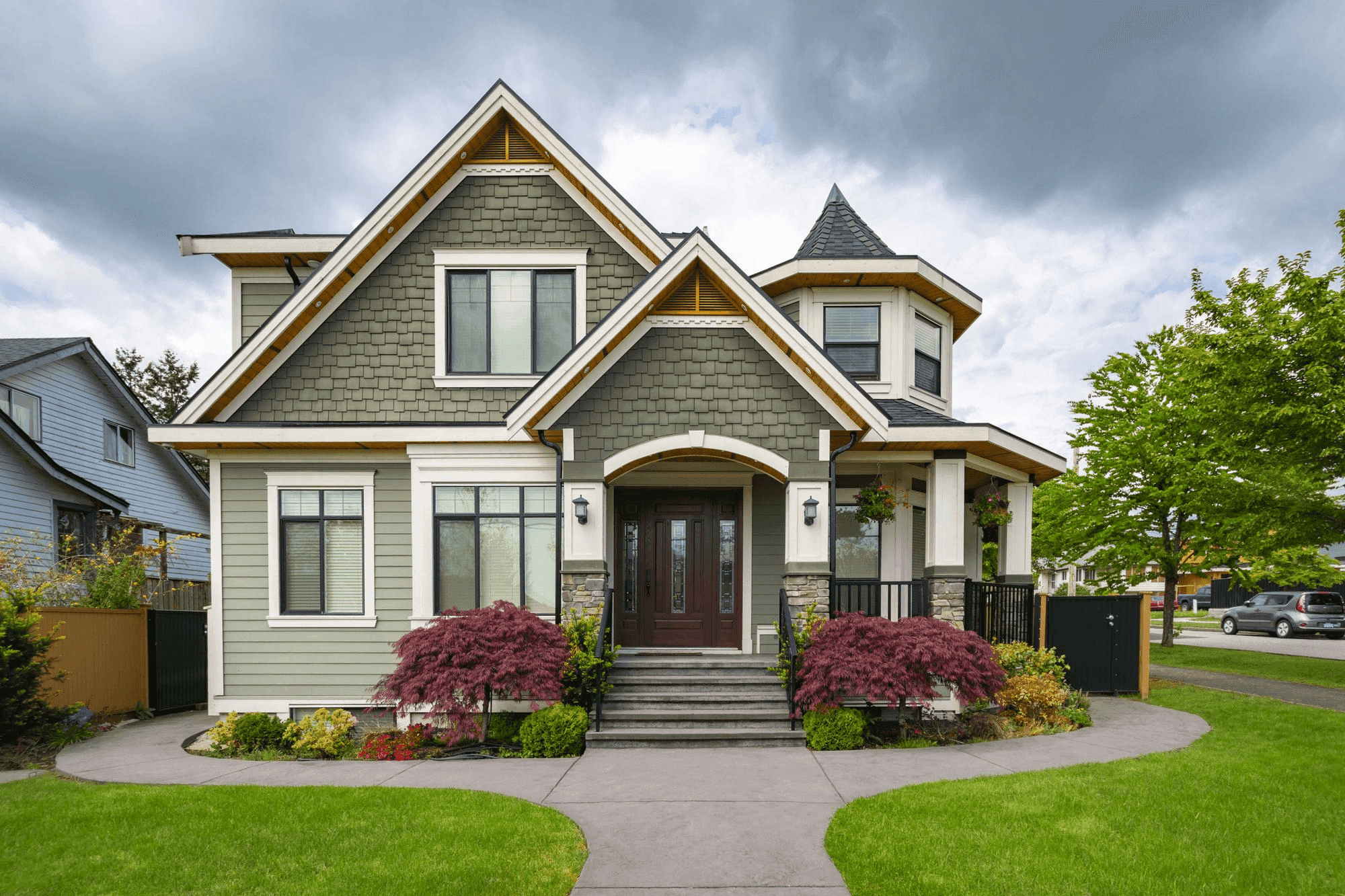
Austin - Best for Tech Professionals and Urban Buyers
Best for: Remote workers, tech professionals, and buyers who want walkable urban access and don't mind paying for it.
Not ideal for: Families on a tight monthly budget, or buyers who value square footage over location.
Austin was Texas's most dramatic pandemic-era market, and it's still correcting. The Austin-Round Rock metro's median sale price sat at $440,000 as of Q2 2026, down from its 2022 peak, according to KXAN's housing data tracker. Price cuts remain common: active listings across the metro were running above 16,000 in mid-2026, with roughly half seeing a reduction.
City-proper prices sit well above the metro figure. Austin's own median runs closer to $540,000-$595,000 depending on the month. At Travis County's 2.1% effective rate, that puts the base annual tax bill above $11,000 before any exemptions apply.
One piece of relief: Texas voters approved a constitutional amendment in November 2025 (Proposition 13, not to be confused with California's) that raised the general homestead exemption from $100,000 to $140,000 for the 2025 tax year and beyond. That exemption only reduces the school-district portion of the bill - it doesn't shrink the city or county share - so it softens the number without erasing it.
What buyers get for the cost: one of the strongest tech job markets in the South, a genuine walkable urban core, and an employer base that spans Dell, Apple, Tesla, and a dense cluster of startups. The University of Texas anchors a research economy that's held up through national slowdowns, and it's part of why Austin still ranks among the best places to live in Texas for anyone building a career in tech.
The trade-off is direct. Austin rewards buyers who know what they want and have financing ready to move fast on well-priced listings. Buyers waiting for a bottom may watch the best inventory disappear before certainty arrives. Buyers ready to move can start by browsing homes for sale in Austin, Texas, to see what $440,000 actually buys this year.
Dallas-Fort Worth - Best for Career Movers and Corporate Relocations
Best for: Professionals relocating for corporate opportunities, buyers who want a large metro with established suburbs, and buyers prioritizing long-term equity and job stability.
Not ideal for: Buyers who want a single urban core. Dallas-Fort Worth spans multiple cities and suburbs, so commute strategy matters.
Dallas-Fort Worth is consistently one of the best places to live in Texas for career-driven buyers, and it's the fastest-growing major metro in the country by population gain. The corporate relocation story holds up. Toyota North America, Charles Schwab, and Caterpillar have all expanded major operations here since 2021, alongside dozens of other Fortune 500 moves. The job base spans finance, healthcare, technology, logistics, and energy.
The metro's median sale price sits near $395,000 as of Q2 2026, but that number hides real range. Dallas proper runs higher, Fort Worth lower, and Plano and Frisco - the two most sought-after northern suburbs - have shifted to medians around $520,000 and $615,000 as inventory has expanded. Buyers comparing homes for sale in Dallas, TX against homes for sale in Fort Worth should expect a meaningfully different price-per-square-foot in each.
Property tax is a real variable here, and it shifts by county. Dallas County's effective combined rate runs near 1.85%; Tarrant County (Fort Worth) sits close to 1.80%; Collin County's premium suburbs (Plano, McKinney, Frisco) typically run 2.1% to 2.38% once city and school levies stack on top of the county baseline. On a $500,000 home, that spread can mean an extra $1,500 to $2,500 a year in tax - but Collin County schools consistently rank among the state's best school districts, and that reputation drives resale demand.
Inventory has shifted toward buyers throughout 2025 and into 2026. Active single-family listings across the metro climbed to roughly 35,000 units by mid-2026, a modest 2.7% year-over-year gain that's far calmer than the growth spikes of prior years. The DFW buyer who does best in 2026 has mapped a specific suburb against commute, schools, and price - not one who treats "Dallas" as a single market, and not one still asking where to live in Texas at the metro level instead of the neighborhood level. Plano and the Collin County suburbs also show up consistently on rankings of the safest cities in Texas, which is part of why demand there has held up even as prices climbed.
Houston - Best for Affordability Without Sacrificing Amenities
Best for: Buyers who want a major metro at a lower entry price, career changers in energy or healthcare, and buyers who prioritize space over density.
Not ideal for: Buyers who want a walkable city core, or buyers sensitive to weather risk - Houston's flood exposure is a real factor in neighborhood selection and insurance cost.
Houston is the fourth-largest city in the U.S. and consistently ranks among the best places to live in Texas for buyers who want space without a coastal-city price tag. It's the most affordable major Texas metro by most measures. The median sale price for single-family homes sits near $335,000 as of Q2 2026, according to Houston Association of Realtors data - roughly $105,000 below the DFW metro median and well below Austin's. For buyers whose search keeps circling back to the cheapest place to live in Texas among the major metros, Houston is usually the answer.
The job market is Houston's steadiest strength. The Texas Medical Center employs more than 110,000 people, and the energy sector remains the city's anchor even as Houston has diversified into aerospace, manufacturing, and professional services.
Harris County's effective property tax rate runs close to 2.03%, similar to Austin's on paper. But on a $335,000 home, the annual bill lands around $6,800 - far below Austin's bill on its much higher-priced median. Some Fort Bend County suburbs run closer to 2.40%, which can erase what looked like an affordable entry price once the full payment is calculated.
Houston's market posted modest gains through 2025 while Austin and DFW corrected. Supply has moved toward buyers, with months of inventory climbing to nearly 6 months by mid-2026 - a balanced-to-buyer market.
One honest note: Houston has no zoning, which supports a diverse built environment but also means flood zone research isn't optional before committing to a specific area. That's also why neighborhoods in Houston, Texas vary so much street to street - from the inner-loop Heights to family-oriented suburbs like Katy - and why a citywide median doesn't tell the whole story. Buyers ready to move can start with homes for sale in Houston, Texas, filtered by flood zone before anything else.
San Antonio - Best for Families and Value Buyers
Best for: Families prioritizing value, buyers seeking the most affordable major Texas metro, and buyers who want strong cultural identity at a manageable scale.
Not ideal for: Buyers who need a large tech job market or frequent direct flights to major business hubs.
San Antonio runs roughly 9% below the national cost-of-living average, the widest margin among Texas's major metros. Its median home price has softened to a range of $271,000-$292,000 as of mid-2026, per regional MLS data - a modest year-over-year decline as the market absorbs a post-pandemic building surge. For buyers researching the best places to live in Texas for families on a real budget, this is usually where the search lands.
Buyers hold real leverage here. Active listings climbed to roughly 7,700 homes by Q2 2026, with a typical listing taking about 42 days to go pending, and roughly a quarter of active listings taking a price cut in May 2026 to secure a contract. Anyone comparing homes for sale in San Antonio, Texas against Austin or Dallas will notice the difference in negotiating room immediately.
Bexar County's individual baseline tax rate is among the lowest of Texas's major metro counties. Once municipal and school district levies are added, though, the realistic combined effective rate runs 2.1% to 2.35% - meaningfully close to Travis County's, even though the county-only figure looks much lower. On a $330,000 home, that combined rate puts the annual bill between $6,900 and $7,750 before exemptions.
The city's economy leans government and healthcare rather than tech. Joint Base San Antonio is the largest military installation in the country, and USAA, Valero Energy, and a growing healthcare sector anchor the private side. For buyers whose income isn't tied to the local job market - remote workers, government and defense employees, healthcare workers - San Antonio's value case is hard to beat. School district quality varies widely across the city, so mapping specific districts before narrowing to a neighborhood matters here more than in most Texas metros; a dedicated guide to the best school districts in Texas is worth reading alongside this one. A local realtor in Texas can walk a buyer through those district lines block by block, which matters more in San Antonio than in most metros on this list.
Buyers whose search also includes Corpus Christi should treat it as its own comparison rather than folding it into San Antonio - it's a smaller coastal market with different flood insurance and tax considerations, and it deserves its own line-item math rather than a rough estimate borrowed from an inland metro.
Buying a Home? Get up to 1.5% Cash Back at Closing
Get pre-approved first, then start exploring homes knowing you can receive up to 1.5% of the home price back at closing.

Emerging Markets Worth Watching: Frisco, New Braunfels, and Leander
Not every buyer weighing the best places to move to in Texas needs a major metro. Three secondary markets round out this list of the best places to live in Texas for 2026, each for a different kind of buyer. Georgetown and Round Rock, both in Williamson County, round out the wider search too - they pull from the same Austin-area demand as Leander and tend to show up in the same buyer shortlists.
- Frisco: best for families who want top schools and don't mind the premium. Frisco built its reputation on school districts and master-planned neighborhoods, and it shows up often in searches for the best places to raise a family in Texas. Collin County has seen a roughly 6% home value pullback since mid-2026 as inventory expanded, which has brought entry prices down from pandemic-era peaks. The combined effective tax rate runs 1.63%-1.85%, driven by the city's own 2026 rate plus the Frisco ISD levy. It isn't a market for stretched budgets, but for buyers who prioritize school quality, it holds value consistently. It's a regular fixture on lists of the best towns to live in Texas for exactly that reason.
- New Braunfels: best for buyers splitting the distance between Austin and San Antonio. Positioned along the I-35 corridor, New Braunfels gives buyers access to both metros without either one's price premium. The median home price runs near $338,000, up a modest 2.7% year-over-year, while homes are taking noticeably longer to sell than a year ago - giving buyers real room to negotiate on price and inspection terms. The Guadalupe River recreation economy, and the Hill Country scenery around it, keep this on shortlists for buyers hunting for the most beautiful places to live in Texas without an Austin price tag.
- Leander: best for buyers priced out of Austin who still want Austin proximity. Leander sits in Williamson County northwest of Austin and has absorbed significant overflow demand. Its median home price runs near $418,000, well below Austin proper, while keeping most of the metro's job market within commuting range. Properties are averaging 65-100 days on market, which gives buyers room for concessions - but traffic on 183A and the Toll 45 corridor is heavy at peak hours, so buyers who need to be in an Austin office daily should map the actual commute before committing.
Where Safety Fits Into the Decision
Searches for the safest cities in Texas and searches for the best places to live in Texas overlap heavily, and for good reason - safety is one input into livability, not the whole answer. This guide weighs affordability, job access, and tax burden because those are the factors that shape a monthly payment; a full ranking of the safest city in Texas and the strongest-performing suburbs on crime trend sits in reAlpha's dedicated safest-places guide, and it's worth reading as a companion piece rather than a substitute. Frisco, Plano, and the Williamson County suburbs mentioned above tend to perform well on both lists at once, which is part of why they keep showing up.
What Texas Property Taxes Actually Mean for Your Budget
Any comparison of the best places to live in Texas has to include tax burden, and Texas's "no income tax" story is real - but it's only half the picture. The state's average effective property tax rate runs well above the national average, and Texas consistently ranks among the ten highest-tax states in the country by that measure. For buyers coming from states with lower property taxes and higher income taxes, the trade often still favors Texas - but it deserves an honest look, not a talking point.
Home value and the property tax bill move together in Texas, since county appraisal districts base assessments on market price. That's exactly why the tax line matters as much as the sticker price when comparing the best cities in Texas to live in side by side.
Here's what 2026 data shows across the major markets:
| Metro / County | Effective Rate | On a $400K Home |
|---|---|---|
| Travis County (Austin) | ~2.10% | ~$8,400 |
| Harris County (Houston) | ~2.03% | ~$8,120 |
| Dallas County | ~1.85% | ~$7,400 |
| Tarrant County (Fort Worth) | ~1.80% | ~$7,200 |
| Collin County (Plano/Frisco) | ~2.10%-2.38% | ~$8,400-$9,520 |
| Bexar County (San Antonio, combined) | ~2.10%-2.35% | ~$8,400-$9,400 |
Two things to understand about this table. First, a lower rate doesn't automatically mean a lower bill - Austin's rate is moderate, but its home values are the highest in Texas, which is why its dollar burden leads the pack. Second, these rates apply to assessed value, not purchase price, and Texas appraisal districts reassess annually.
The $140,000 school-district homestead exemption from November 2025's Proposition 13 lowers the school portion of a taxable value starting with the 2026 tax year - it does not reduce the city or county share of the bill. Qualifying buyers should file Form 50-114 with their county appraisal district after closing to secure the exemption and start the clock on the 10% annual appraisal cap.
The practical takeaway: when comparing two of the best cities to live in Texas at similar price points, build the effective property tax rate into the monthly payment math before falling for either one.
How to Buy in Texas Without the Coordination Headache
The city research is done. The shortlist of the best places to live in Texas exists. What most buyers underestimate next is the coordination: an agent, a loan officer, and a closing team - often three parties who've never worked together, on three different timelines.
reAlpha puts a buyer's real estate agent, reAlpha Mortgage loan officer, and Claire, your AI, together in one platform from day one. They share the same information about the search, the financing, and the timeline, so a buyer isn't the one relaying updates between three separate people. Whether the home search starts with a specific realtor in Texas already in mind or with reAlpha's own agents, keeping the search, the mortgage, and the closing team aligned from day one changes how smoothly the whole process goes.
Here's how that looked for a buyer working the Austin market in early 2026: before their first tour, they used Claire to compare two neighborhoods side by side - school data, commute times, recent comparable sales. That research was already visible to their loan officer and agent by the time all three connected, so the first real conversation was about strategy, not logistics. When they found the right home, the offer went out the same day with a full team review.
reAlpha homebuyers save an average of $10,000.¹ Bundle real estate and mortgage services and a qualifying buyer can get up to 1.5% cash back at closing.
reAlpha Realty is licensed in Texas, and reAlpha Mortgage is licensed in Texas as well, so both services are available to Texas buyers directly.
When it's time to move from research to action, the homebuying hub is where a Texas purchase comes together - one place for the search, the team, the documents, and the next step. Whether the plan is homes for sale in Texas broadly or a specific city from this guide, the same team structure applies.
Start your Texas home search with reAlpha →
FAQs
Where is the best place to live in Texas?
There isn't one answer - the best place to live in Texas depends on what a buyer is optimizing for. Austin fits tech professionals who want an urban core, DFW fits corporate relocations, Houston fits buyers who want space at a lower price, and San Antonio fits families and value buyers. Anyone asking what is the best city to live in Texas should start with budget and job type, not a single ranked list - that's the whole premise behind ranking the best places to live in Texas by fit instead of by vibe. A generic top 10 cities to live in Texas countdown will name most of the same cities in this guide, but it won't tell a buyer which one actually fits their budget - that's the gap this guide is built to close.
What is the most affordable city to live in Texas in 2026?
Among major Texas metros, San Antonio is consistently the most affordable, and it's a common answer to where is the cheapest place to live in Texas among cities with a full range of amenities. Its median home price falls in the $271,000-$292,000 range, its cost of living runs about 9% below the national average, and its county-baseline tax rate is the lowest of the four major metros - though the realistic combined rate lands closer to Austin's than the baseline figure suggests.
Is Texas a good place to live?
For most buyers relocating from higher-tax states, yes - no state income tax, a growing job market, and a wide range of city types make Texas a strong option. The pros and cons of living in Texas come down to trade-offs buyers should weigh directly: no income tax against above-average property taxes, and hot summers against a lower overall cost of living in most cities. Moving to Texas pros and cons really resolve to one question - does the specific city fit the budget and the job, which is exactly why a single list of the best places to live in Texas can't answer it for everyone.
Which Texas city is best for families?
It depends on budget. Frisco and Plano offer some of the state's highest-ranked school districts and strong family infrastructure, but entry prices are higher. San Antonio offers solid family neighborhoods at meaningfully lower price points. For families who want Austin-area schools without Austin prices, Leander and Cedar Park in Williamson County offer a middle ground. The consistent advice for anyone comparing the best places to live in Texas for families: identify two or three specific school districts before narrowing to a neighborhood.
How does buying a home in Texas work with reAlpha?
Texas buyers work with a reAlpha real estate agent, a reAlpha Mortgage loan officer, and Claire, your AI - all connected through the homebuying hub. Claire is available at every step to answer questions, pull comparables, and keep information organized, and the agent and loan officer coordinate directly so a buyer isn't the one carrying updates between them. At closing, qualifying buyers who bundle real estate and mortgage services receive cash back - an average of $10,000 for reAlpha buyers. reAlpha Realty and Prevu Real Estate are licensed in 13 states and Washington, D.C., including Texas. reAlpha Mortgage is licensed in 31 states, including Texas.
Get the latest market trends, homebuying tips, and insider updates—straight to your inbox. No fluff, just the good stuff.
Article by
As a great communicator with excellent negotiation skills, I focus more on establishing unbreakable ties between my clients, as opposed to just helping them achieve their real estate dreams. As a representative of both buyers and sellers, I understand how to lead a transaction process to ensure that the needs of both are met. My track record speaks for itself. Since I ventured into the industry in 2013 as a realtor, I have not only helped many buyers land perfect homes, but I have also assisted tons of owners and investors build wealth.