Buying vs Building a New House: Which Is the Better Option for You?
April 4, 2026
6 minutes
Homebuying today often involves fragmented coordination across agents, lenders, and closing teams. A structured platform brings these steps together, supported by an integrated team, with potential cash back at closing for eligible buyers.
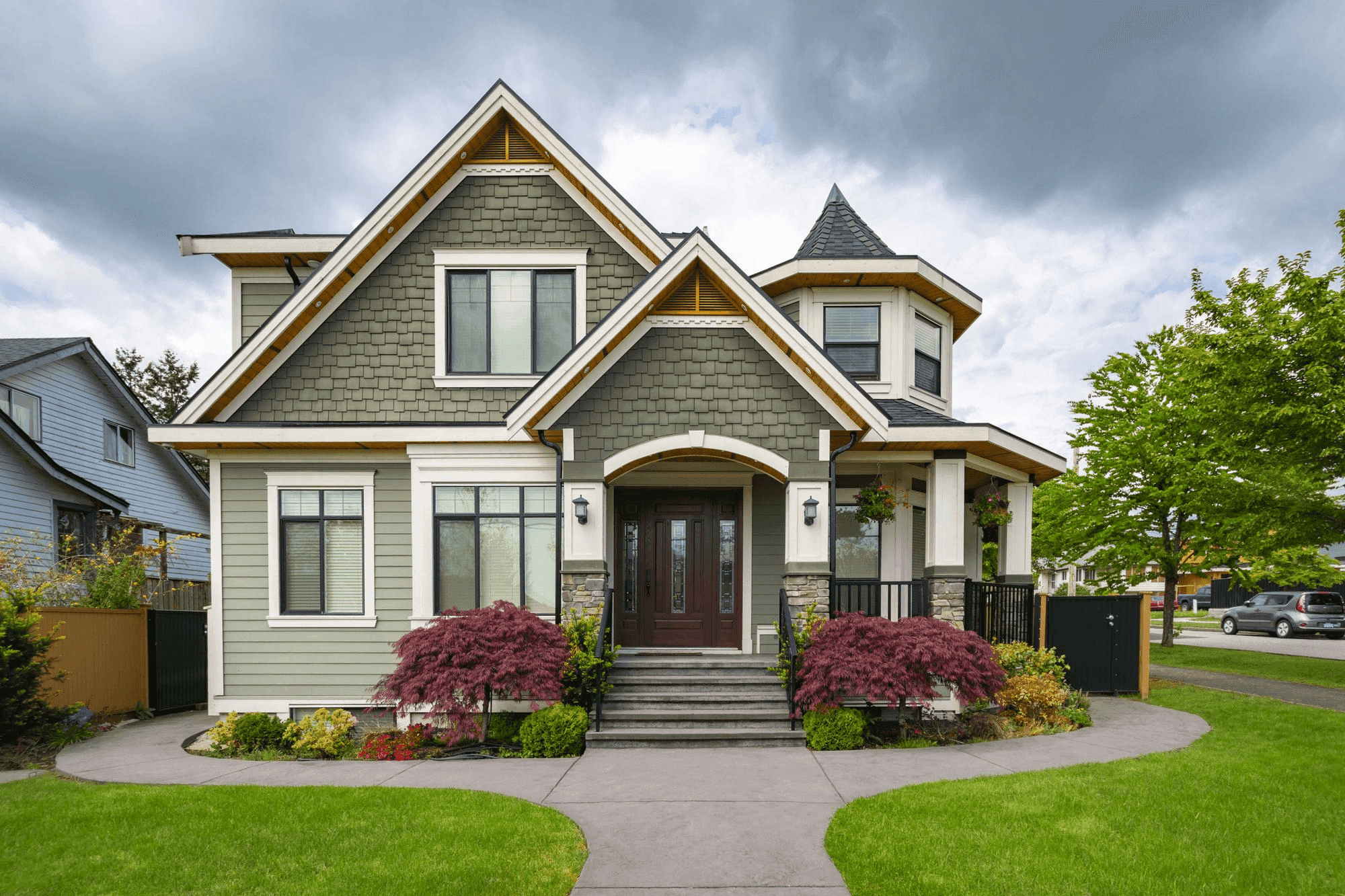
A ready-made house offers an instant housing solution and represents one of the simplest choices in Buying vs Building a New House. These homes are typically completed and issued required occupancy documentation, though buyers should verify permits and compliance during due diligence.
What It Means to Buy a Ready-Made House
A ready-made house offers an instant housing solution and represents one of the simplest choices in Buying vs Building a New House. These homes are typically completed and issued required occupancy documentation, though buyers should verify permits and compliance during due diligence.
Key Characteristics:
- Fully Functional: Move-in ready with complete utilities, interiors, and essential systems.
- On-Site Evaluation: Buyers can inspect the house firsthand before deciding.
- Clear Legal Background: Established documentation makes ownership verification easier.
- locations with established infrastructure and utility access: Typically located in developed neighborhoods with existing utility connections.
Advantages vs. Disadvantages of Buying a Ready-Made House
Advantages | Disadvantages |
|---|---|
Quickest way to move in; closing usually takes about 44 days. | Often 10–30% more expensive than under-construction houses. |
May allow rental income sooner, subject to local regulations, market demand, and tenant availability. | Older houses may need more maintenance and have higher utility costs. |
No GST when the house has an Occupancy Certificate. | Possible hidden issues that lead to unexpected repairs. |
Renovations can be done slowly and as budget allows. | Limited customization due to existing layouts. |
Located in well-developed neighborhoods with full utilities. | Properties with higher demand may receive multiple offers, increasing competition. |
Bundle your agent and mortgage. Save an average of $10,000.
Don't have an agent yet? Pair your reAlpha mortgage with a reAlpha agent, and you could get up to 1.5% cash back at closing.
To avoid surprises after closing, review these common hidden costs when buying a house so you know what expenses to plan for.
Typical Process:
Search → Offer → Inspection → Appraisal → Closing
Homebuying starts with finding the right property, negotiating terms, completing inspections, and securing an appraisal to verify its value. The process wraps up at closing, where paperwork and payments are finalized-usually taking about 44 days in the U.S.
Before closing on an existing property, use this home inspection checklist to make sure there are no hidden issues.
What Does It Mean to Build a New House?
Building a house involves purchasing land and designing every feature from the ground up. It is the second major path when comparing Buying vs Building a New House, offering complete control over the structure and design.
Typical process:
Find land → Choose builder → Design your house→ Construction → Final walkthrough → Move-in
Building a new house means creating a house from scratch, giving you full control over the design, layout, and features. The process starts with finding land, choosing a builder, planning the design, and securing a construction loan. The build then moves through stages-foundation, framing, wiring, plumbing, and finishing-which often takes several months to a year or more. After a final walkthrough and approval, the construction loan converts into a regular mortgage, and you can move in.
Although building offers big advantages like complete customization, modern energy efficiency, may qualify for more favorable insurance terms depending on construction standards and local underwriting guidelines, and fewer early repairs, it also carries challenges. Costs can rise unexpectedly, delays are common, and site preparation or utility connections can add extra expenses. There’s also the risk of the final house appraising lower than the total build cost, which may require additional cash. Overall, building gives you a personalized house but demands patience, planning, and flexibility.
Buying vs Building a New House: A Complete Comparison
Buying prioritizes execution speed and pricing certainty, while building introduces variability in both cost and timeline that requires active management.
Here’s a clear breakdown to help simplify Buying vs Building a New House:
Category | Buying a Ready House | Building a New House |
|---|---|---|
Cost | Lower, based on known property condition | Higher, due to construction and cost variability |
| Time | Move in quickly, minimal decisions | Takes months, requires ongoing involvement, possible delays |
Customization | Limited changes unless renovating | Full control over design and features |
Maintenance | May need repairs or upgrades | Everything is new with lower upkeep and warranties |
Location | Found in established areas with amenities | More land choice, often in areas with lower population density or recent development |
Buying a Home? Get up to 1.5% Cash Back at Closing
Get pre-approved first, then start exploring homes knowing you can receive up to 1.5% of the home price back at closing.

This comparison helps you evaluate Buying vs Building a New House in a straightforward way.
Which Option Is Right for You?
If your priority is minimizing execution risk and locking predictable costs, buying is typically more efficient. If long-term customization justifies higher coordination and cost variability, building becomes the better strategic choice.
Choose Buying a Ready-Made House If You…
Buying a ready house offers features such as faster timelines and fewer construction-related variables:
Need to move quickly
→ Existing houses allow faster closings with fewer delays.
Want predictable costs
→ You know the price upfront, with fewer surprise expenses.
Prefer established neighborhoods
→ Ready houses often come with areas with established infrastructure and completed development, amenities, and infrastructure already in place.
Don’t want to manage a construction project
→ No need to handle contractors, materials, or ongoing supervision.
If you're leaning toward purchasing an existing property, these home-buying tips can help you avoid common mistakes and make confident decisions.
Choose Building a New House If You…
Building a new house may be suitable depending on preferences for customization and newer construction features:
Want a fully personalized house
→ You can choose layouts, finishes, and designs that match your exact preferences.
Have flexibility with your move-in date
→ Construction timelines vary, so this option fits those without urgent deadlines.
Prefer brand-new features and energy efficiency
→ New builds include updated systems, smart-house options, and energy-saving materials.
Want long-term savings through modern designs
→ Better insulation, efficient appliances, and optimized layouts may improve energy efficiency and reduce maintenance needs in early years, though actual savings vary by usage, climate, and materials.
If you're evaluating your budget for either option, review the key factors that affect home affordability to get a clearer picture.
Final Thoughts
There’s no one-size-fits-all answer-Buying vs Building a New House ultimately depends on your priorities. Buying offers speed and simplicity, while building gives you customization and modern comfort.
Choosing a ready house gives you speed and simplicity, while building a new house offers greater personalization and long-term advantages.
When you weigh the benefits of each approach, you’ll be able to choose the one that best supports your plans and the future you want based on your long-term housing goals.
If you want to reduce coordination across agents, lenders, and closing teams, See how a structured platform can reduce coordination and improve buying efficiency in practice.
With reAlpha’s AI-powered platform, buyers may reduce certain transaction costs depending on how representation and brokerage services are structured. Commission structures vary by market and agreement, and any potential savings depend on the specific terms of the transaction—helping you move into your dream property faster.
Whether you're building or buying, every dollar counts-so why pay more?
FAQs
1. Is it cheaper to build a house or buy one?
In many markets, buying an existing house may involve lower upfront construction costs than building from scratch. However, total costs depend on land prices, material costs, labor availability, customization level, and market conditions.
2. How long does it take to build a new house?
Construction timelines vary significantly by region, builder availability, weather, permitting, and supply conditions. While some builds may take 6 to 12 months, others can extend longer depending on project complexity and local factors.
3. Do new houses appreciate faster than old houses?
Not always. Appreciation depends on the location, local market conditions, and overall demand. However, a new house can be more attractive to future buyers because of modern features.
4. Are new builds more energy-efficient?
New homes are typically built with updated insulation, HVAC systems, and energy-efficient appliances. While this can improve efficiency compared to older homes, actual utility costs depend on usage patterns, climate, and local rates.
5. Can I negotiate the price when building a house?
Negotiation is possible but limited. Builders set fixed costs for materials and labor, but you may negotiate upgrades or closing costs.
6. Do ready-made houses require more maintenance?
Often, yes. Older houses may need repairs or replacements sooner, especially for roofing, plumbing, electrical, or HVAC systems.
Get the latest market trends, homebuying tips, and insider updates—straight to your inbox. No fluff, just the good stuff.
Article by
As a great communicator with excellent negotiation skills, I focus more on establishing unbreakable ties between my clients, as opposed to just helping them achieve their real estate dreams. As a representative of both buyers and sellers, I understand how to lead a transaction process to ensure that the needs of both are met. My track record speaks for itself. Since I ventured into the industry in 2013 as a realtor, I have not only helped many buyers land perfect homes, but I have also assisted tons of owners and investors build wealth.