Cheapest Places to Live in California in 2026 (With Real Home Price Data)
August 12, 2026
4 minutes
California's median home price has pushed past $800,000 in most coastal metros, and the statewide average rent for a one-bedroom now sits around $1,650/month - 72% above the national average. If those numbers are what you've been anchoring to, it's easy to assume the state has priced you out for good. But that assumption falls apart the moment you look past the coast, because the cheapest places to live in California are still selling real homes at real prices, with rent that hasn't caught up to the rest of the state.
This guide is built around one question: where are the cheapest places to live in California in 2026, and what do you actually give up to get there? Because every city on a list of cheapest places to live in California is trading something - a longer commute, a hotter summer, a smaller job base - for its lower price tag. The smart move is knowing exactly what that trade is before you sign anything.
If you're weighing renting against buying before you settle on a city, this breakdown of the rent-vs-buy math covers the decision most buyers get wrong.
Inside this guide:
- A quick-reference list of the cheapest places to live in California, region by region, with real 2026 pricing
- Deep profiles of the five cheapest major cities - Bakersfield, Fresno, Merced, Hemet, and Victorville
- The buy-vs-rent math, current mortgage and down payment options, and what it takes to live comfortably in California on a modest income
Where "cheap" becomes a false economy - small towns, commute costs, and insurance traps worth knowing about
Quick answer: Bakersfield is generally considered the cheapest major city to buy a house in California in 2026, with typical home prices in the $390K- $430K range. Smaller inland and desert towns can price lower still, usually at the cost of jobs, healthcare access, or resale liquidity.
See what you qualify for in these cities → reAlpha Mortgage
Why Is California So Expensive - and Where Isn't It?
California's high cost of living comes down to three compounding factors: coastal land is finite, housing construction hasn't kept pace with population growth in job-heavy metros, and remote-work migration pushed even inland demand higher over the past few years. That's what drives the $800K+ medians and elevated home mortgage rates buyers face in Los Angeles and the Bay Area.
But "California" isn't one housing market - it's dozens of them. The Central Valley, the High Desert, and far Northern California never saw the same demand spike, which is exactly why the cheapest places to live in California cluster in those three regions rather than anywhere near the coast. If you're wondering how to live in California for cheap, understanding this regional split is step one - the state's average rent and average home price figures hide massive gaps between neighboring counties.
Bundle your agent and mortgage. Save an average of $10,000.
Don't have an agent yet? Pair your reAlpha mortgage with a reAlpha agent, and you could get up to 1.5% cash back at closing.
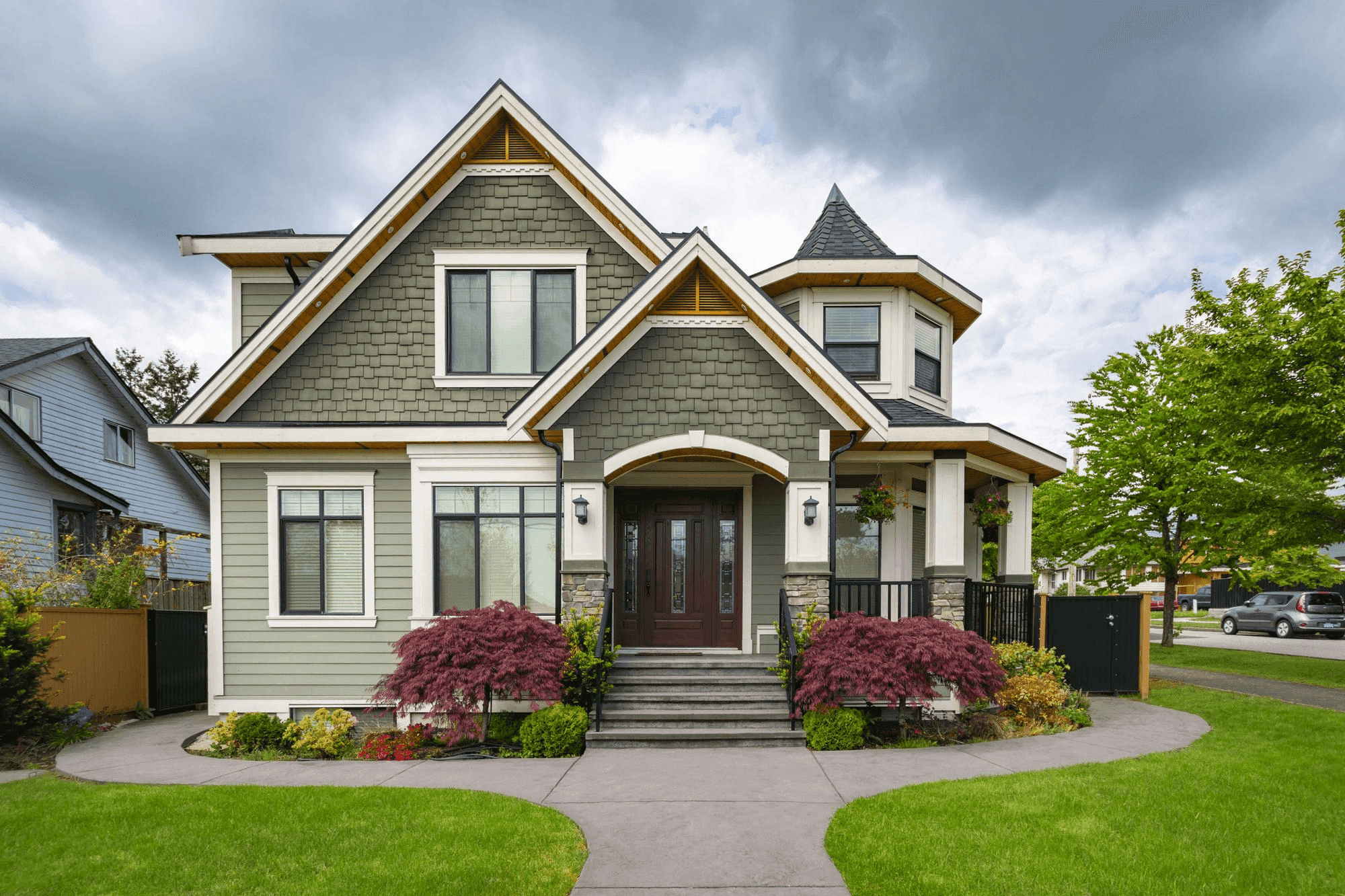
10 Cheapest Places to Live in California at a Glance
If you're searching for cheapest places to live in California 2026, here's the shortlist this guide covers in detail below:
| Rank | City | Region | Typical Home Price (2026) |
|---|---|---|---|
| 1 | Bakersfield | Central Valley | $390K- $430K |
| 2 | Fresno | Central Valley | $390K- $430K |
| 3 | Merced | Central Valley | $380K- $420K |
| 4 | Visalia | Central Valley | $380K- $450K |
| 5 | Hemet | Southern Inland | $420K- $460K |
| 6 | Victorville | Southern Inland / High Desert | $410K- $450K |
| 7 | Hesperia | Southern Inland / High Desert | $400K- $440K |
| 8 | Redding | Northern Inland | $350K- $420K |
| 9 | Red Bluff | Northern Inland | $320K- $400K |
| 10 | Oroville | Northern Inland | $300K- $380K |
This is the working list we'll walk through - first with deep dives on the top 5, then broken out by region, then by price tier, so you can find the angle that matches whether you're looking for cheap houses for sale in California or just trying to estimate a fair estimated home value before you start touring.
Top 5 Most Affordable Cities in California (2026)
| City | Typical Home Price (2026) | Typical 1BR Rent | Best For |
|---|---|---|---|
| Bakersfield | $390K- $430K | $1,150- $1,350 | First-time buyers |
| Fresno | $390K- $430K | $1,200- $1,400 | Families |
| Merced | $380K- $420K | $1,100- $1,300 | Value + growth |
| Hemet | $420K- $460K | $1,300- $1,500 | Retirees |
| Victorville | $410K- $450K | $1,350- $1,550 | LA commuters |
Figures reflect 2026 Zillow and Redfin listing data; ranges account for normal month-to-month movement and neighborhood variance within each city.
Every city on this list of the cheapest places to live in California cuts the entry price roughly in half against the state's $800K+ median. That gap is the whole opportunity - and it's why all five keep showing up whenever people search for the cheapest city in California to buy a house, whether they're first-time buyers, retirees, or remote workers priced out of the coast.
If you're renting at $1,300/month right now, that's $15,600 a year going toward someone else's equity. In Bakersfield or Fresno, a comparable monthly mortgage payment can often get you into ownership instead - the real difference shows up five years later, in what that money actually built.
Bakersfield - Cheapest Major City in California
Bakersfield holds its title as the cheapest place to buy a house in California for one simple reason: real infrastructure. Hospitals, retail, an actual job base - all without coastal pricing.
- Typical home price: $390K- $430K
- Typical 1BR rent: $1,150- $1,350
For comparison, entry-level homes in Los Angeles routinely start above $800K - a gap of $400,000 or more.
- Wallet math: On a $410,000 home with 3.5% down (~$14,350, a common FHA home loan first time buyer structure), a typical monthly mortgage payment lands around $2,600- $2,900 at today's mortgage rates. Local rent for a comparable unit runs closer to $1,250. Five years of renting at that rate is roughly $75,000 gone with nothing to show for it; five years of ownership builds equity on top of whatever the market does.
- Why it's cheaper: A strong oil and agriculture base plus more available land keep home pricing down relative to the coast. Trade-off: Hot summers and a longer commute if your job is in LA.
If you're comparing this against a straight rent number, this 400K mortgage payment breakdown
Fresno - Best for Families Who Want Space
Fresno consistently answers the question of cheapest places to live in California for families specifically, thanks to a strong affordability-to-space ratio and steady home mortgage rates in California relative to coastal metros.
- Typical home price: $390K- $430K
- Typical 1BR rent: $1,200- $1,400
San Diego's entry-level homes often clear $900K - Fresno cuts that nearly in half.
- Wallet math: A $410,000 home at 5% down (~$20,500) runs roughly $2,700- $3,000/month. A comparable 3-bedroom rental nearby runs $1,800- $2,100. Over seven years, that rent adds up to well over $150,000 - with zero home ownership at the end of it.
- Why it's cheaper: Central Valley housing supply plus a diversified local economy (agriculture, healthcare, logistics).
- Trade-off: Summer heat and fewer coastal-style amenities.
Merced - Value Market With Growth Potential
Merced increasingly shows up in affordable housing in California searches tied to value and growth, driven by UC Merced's expansion and regional development investment.
- Typical home price: $380K- $420K
- Typical 1BR rent: $1,100- $1,300
That's entry-level pricing in a state where the median home value is approaching $800K.
- Wallet math: A $400,000 home at 3% down (~$12,000, a typical first-time buyer down payment) runs approximately $2,600- $2,900/month. Comparable rent sits around $1,150- $1,250. Renting five years costs roughly $69,000- $75,000; owning builds equity plus whatever appreciation the market adds.
- Why it's cheaper: Less metro pressure and expanding local infrastructure. Trade-off: A smaller job market than the coastal metros.
If your down payment is the sticking point, this overview of down payment assistance programs covers common ways buyers reduce cash-to-close.
Hemet - Budget-Friendly Southern California Option
Hemet shows up constantly among affordable homes in Southern California, especially among retirees and fixed-income buyers looking for cheapest places to live in California without leaving the region entirely.
- Typical home price: $420K- $460K
- Typical 1BR rent: $1,300- $1,500
Orange County starter homes, by contrast, often begin north of $950K.
- Wallet math: A $440,000 home at 10% down ($44,000) runs approximately $3,000- $3,300/month. A comparable 2-bedroom rental nearby runs closer to $1,900- $2,000. Home ownership stabilizes that housing cost for the long haul - rent doesn't.
- Why it's cheaper: Inland Riverside County pricing and distance from the coast. Trade-off: A longer commute to job centers.
Before committing on a fixed income, it's worth understanding the hidden costs that surprise first-time buyers.
Victorville - High Desert Affordability for LA Commuters
Victorville ranks among the cheapest places to live in California near Los Angeles - a trade of drive time for real price relief.
- Typical home price: $410K- $450K
- Typical 1BR rent: $1,350- $1,550
LA's median home price often runs $800K- $900K or more.
- Wallet math: A $430,000 home at 5% down (~$21,500) runs approximately $3,100- $3,400/month, versus an equivalent LA-area payment that can easily clear $5,500+. That's a potential $2,000+ per month saved - over $24,000 a year.
- Why it's cheaper: High Desert land availability and lower demand pressure than coastal SoCal. Nearby Hesperia offers a similar trade at a slightly lower price point, for buyers who want to stay in the same commuter corridor.
- Trade-off: Commute time and summer heat. If a clean, competitive offer matters in this market, this proof of funds checklist covers what sellers look for from serious buyers.
Cheapest Places to Live in California, by Region (2026)
Central Valley - California's Most Consistent Affordability Zone
- Why it wins: More land, an agricultural economic base, and far less coastal demand pressure.
- Trade-off: Hot summers and fewer high-paying coastal-style jobs.
- Key cities: Fresno · Bakersfield · Merced · Visalia
Typical entry pricing across the region runs $380K–$450K, roughly half the statewide median. Central Valley markets tend to move on a lag behind Bay Area and SoCal cycles - later, but the ripple effect is real over time. For the mechanics behind that lag, this explainer on how supply and demand move housing markets is the clearest starting point.
Southern Inland / High Desert - Cheapest Places to Live in Southern California
- Why it's cheaper: Distance from the coast plus significantly more available land.
- Trade-off: Longer commutes and summer heat.
- Key cities: Hemet · Victorville · Hesperia · Lancaster · Barstow
Typical homes run $400K- $480K, against coastal SoCal comparables of $800K- $1M+ - a monthly payment gap that often runs $1,500- $2,500 in the buyer's favor. This cluster also covers most searches for affordable homes in Southern California near LA and Orange County: nothing here is in Orange County itself, but each city offers commuting access to it at a fraction of the price.
Northern Inland Value Markets - Affordable Small Towns in Northern California
- Why it's cheaper: Lower population density and distance from Bay Area price pressure.
- Trade-off: Smaller job markets and, in some zones, elevated property mortgage insurance and fire-insurance considerations.
- Key cities: Redding · Red Bluff · Oroville · Yuba City
This is where sub-$400K home ownership is most consistently available in California - typical pricing runs $320K- $420K. Buyers hunting for small towns in Northern California with rock-bottom entry prices should also look further north toward Modoc and Siskiyou counties - towns like Dorris, near the Oregon border, regularly post some of the lowest home prices in the entire state, though job access and amenities are minimal. Insurance costs vary meaningfully by ZIP code here, so it's worth checking fire-zone maps before committing to a specific property.
Cheapest Coastal Pockets - Coastal-Cheap, Not California-Cheap
There's no truly cheap beach town in California relative to inland markets - but there are meaningfully less expensive coastal pockets.
- Key cities: Eureka · Crescent City · Fort Bragg · Grover Beach
For buyers who want coastal feel without full coastal pricing, inland-adjacent Central Coast towns like Templeton, near Paso Robles, offer a middle ground - wine-country living within a short drive of the coast at meaningfully lower prices than San Luis Obispo or Santa Barbara proper.
Typical coastal homes here run $420K–$650K, against inland equivalents of $380K–$450K - a premium of roughly $100K–$250K+ for ocean proximity, which can translate to $600–$1,200 more per month. For buyers weighing that premium, this beach-buyer planning guide helps avoid overextending for a lifestyle purchase.
Buying a Home? Get up to 1.5% Cash Back at Closing
Get pre-approved first, then start exploring homes knowing you can receive up to 1.5% of the home price back at closing.

Are Tiny Towns the Cheapest Option? (Sometimes - Here's the Catch)
Short answer: sometimes, yes. Small towns across far Northern California and remote desert corridors show price tags in the $260K- $360K range - well below the state median, and among the cheapest home prices in California you'll find anywhere.
That looks unbeatable on paper. The full math tells a different story.
Hidden costs that show up later:
- Commuting: A 60- 90 minute drive can add $400- $800/month in gas and vehicle wear
- Healthcare access: Longer travel times for specialists or emergency care
- Insurance and fire risk: Some rural ZIP codes carry significantly higher premiums
- Thin inventory: Only a handful of homes on the market at any time means home pricing can swing sharply on a single sale
A "cheap" $2,000/month payment can quietly become $2,600- $2,800 once these costs are added in.
When a tiny town does make sense:
- Remote workers with stable income who don't need to commute
- Buyers prioritizing land or space over amenities
- Retirees who aren't dependent on a local job market
If job flexibility, healthcare access, or resale liquidity matter to you, a larger city among the cheapest places to live in California - like Fresno or Bakersfield - usually offers a better long-term balance.
Budget Buckets: California's Cheapest Cities by Price Tier (2026)
Under $350K - Rare, But Still Possible
Against a statewide median near $800K, sub-$350K inventory sits at the extreme value end of the cheapest homes in California.
- Cities to watch: Oroville · Red Bluff · Dorris
- Why cheaper: Smaller populations and distance from major job centers. Trade-off: Limited inventory and thin local job markets.
- Typical entry math: 3% down (~$10,000 on a $340K home), estimated monthly mortgage payment around $2,100- $2,400, comparable rent in California around $1,050- $1,250. This tier tends to disappear first in any competitive housing market cycle.
$350K- $450K - The Sweet Spot for First-Time Buyers
This is where most searches for the cheapest places to live in California actually land.
- Strong fits: Bakersfield · Merced · Visalia
- Why this range wins: Full amenities and infrastructure without coastal home pricing
- Trade-off: Inland heat and fewer high-income employers nearby.
- Typical entry math: 3.5% down (~$14,000), estimated payment around $2,600- $2,900, comparable 1BR rent around $1,150- $1,300.
$450K- $550K - Affordable Near Major Job Markets
This tier tends to sit in coastal-adjacent or SoCal-commuter territory.
- Cities in this range: Hemet · Victorville · Hesperia
- Why it matters: It can still cut $300K- $500K off comparable coastal home pricing. Trade-off: Commute time and desert climate.
- Typical entry math: 5% down (~$22,000), estimated payment around $3,100- $3,400, versus a comparable coastal payment that often runs $5,500+ - a gap of roughly $2,000/month, or $24,000/year.
Quick guide:
- Need the lowest possible entry point → Under $350K tier
- Want infrastructure and stability → $350K- $450K
- Want proximity to SoCal or Bay Area jobs without coastal pricing → $450K- $550K
Cheapest Rent in California: Where Renters Get the Best Deal
Buying isn't the only angle on affordability. If your priority is the cheapest rent in California rather than home ownership, the same inland regions tend to win.
Statewide average rent runs around $1,650/month for a one-bedroom, but that average hides huge swings. Bakersfield, Merced, and Fresno regularly post one-bedroom rents in the $1,100- $1,400 range - meaningfully below the average rent in California one-bedroom figure - which is why they also top most searches for the cheapest city in California to rent. Renters priced out of LA or the Bay Area often find that the same $1,650/month covering a studio on the coast can cover a full two-bedroom unit inland.
That said, rent in California climbs 3- 5% a year in most markets, which is one reason so many renters in these cities eventually look toward buying once they've built savings and stable income.
Cheapest Places to Live in California for Young Adults, Families, and Retirees
Not every "affordable" city fits every life stage, and this is where a lot of general lists fall short.
- Young adults & first-time earners: Bakersfield and Fresno pair lower entry prices with real job markets in healthcare, logistics, and agriculture - a common combination for renters searching for the cheapest places to live in California for young adults who still want career options nearby.
- Families: Fresno and Merced are strong picks for affordable places to live in California for families, offering more square footage per dollar and growing school districts.
- Retirees: Hemet and the broader Inland Empire consistently rank among the most affordable housing in California for buyers on a fixed income, thanks to lower property values and a slower pace of life.
Can you live comfortably on $70,000 a year in California? In most coastal metros, no - not without serious compromise. In Bakersfield, Fresno, or Merced, a $70K household income comfortably covers a $2,600- $2,900 mortgage payment or a $1,100- $1,400 rent, plus typical living expenses, using the standard guideline of keeping housing costs near 30% of gross income. That math simply doesn't work in Los Angeles or San Francisco at the same income level - which is exactly why inland cities dominate every search for the cheapest places to live in California.
Safe and affordable, not just cheap: Affordability without safety isn't much of a win. Chico, Palmdale, and the Sacramento suburbs are regularly cited as cities that pair below-average crime with below-average pricing - worth a look if safety ranks above square footage on your list. For a deeper look, see our dedicated guide to the safest cities in California. or an affordable and safe places to live in California shortlist, these three are worth a closer look alongside the Central Valley cities above.
Buying vs. Renting in California: Which Actually Saves You More?
Renting feels flexible. Buying feels like a bigger commitment. If you're comparing the long-term financial impact of both options, this Rent vs Buy in California guide breaks down payments, equity, upfront costs, and the factors that should influence the decision. In most of the cheapest places to live in California, though, the math tilts toward home ownership even in the "affordable" rental tier.
Example - Bakersfield, 5-year comparison:
- Renting at $1,250/month = $15,000/year → roughly $75,000 gone after 5 years, with nothing recovered
- Buying a $410,000 home builds principal and whatever equity growth the market adds over the same period
A few things worth weighing before you decide:
- Rent in these markets tends to rise 3- 5% a year; a fixed rate mortgage rate doesn't move
- Homeowners can deduct mortgage interest and property taxes; renters can't deduct rent
- Buying does carry real upfront costs - a home inspection and closing costs (2–5% of the purchase price) - but these are one-time costs, not a recurring rent increase.
- Buyers may also be able to reduce some upfront expenses through seller concessions, depending on the property, market conditions, and loan program.
Mortgage Options That Work Best in Affordable California Markets
In the $350K- $550K range, the loan structure you choose often matters as much as the city, and mortgage rates 2026 have made shopping around more important than ever.
- Conventional (3- 5% down): Best for buyers with strong credit and stable income. Lower long-term costs, no upfront property mortgage insurance like FHA.
- FHA home loan first time buyer (3.5% down): Designed for first-time buyers or limited cash reserves, with more flexible credit requirements - one of the most common home loans for first time home buyers in California.
- VA (0% down): For eligible veterans and active-duty service members - a true no down payment mortgage or zero down payment mortgage option, with no private mortgage insurance, often the lowest cash-to-close option available.
- No down payment home loan / low down payment programs: A handful of state and local down payment assistance for first time home buyers programs can also reduce cash-to-close in these markets, worth asking about before you assume you need a full down payment on a house saved up.
| If you are… | Best starting option |
|---|---|
| First-time buyer in California, limited cash | FHA |
| Strong credit, stable income | Conventional (3- 5%) |
| Veteran / service member | VA (0% down) |
Before touring homes, it's worth understanding home mortgage rates in California today and getting a sense of current fixed price mortgage rates so you're not comparing your budget against stale numbers. Two steps make the biggest difference:
- Get pre-approved for a mortgage: (or at minimum, get pre-qualified for a mortgage) so you know your real number, not a headline figure. Lenders will look at income, debt, and credit before confirming what house cost range you can actually afford.
- Check today's rates: Home mortgage rates and the lowest home loan rates today shift often enough that a rate you saw three months ago may no longer apply - and even a half-point move on a $400K loan changes your monthly mortgage payment by a meaningful amount.
See Your Real Numbers Before Affordability Shifts Again
California doesn't stay "affordable" for long in any one tier. The state median sits near $800K; the cities in this guide still offer entry points in the high-$300Ks to mid-$400Ks. That gap is the opportunity - but it tends to close from the bottom up, with the lowest-priced tier compressing first as mortgage rates or demand shift.
Before you commit to a city, three steps are worth running:
- Get pre-qualified - know your real number, not a headline figure. Understanding what lenders actually check when you get pre-approved for a mortgage loan will save you from falling for a listing outside your real budget.
- Estimate your closing costs. Closing cost on a house typically runs 2- 3% of the purchase price - $8,000- $12,000 on a $400K home. Ask what credit or rebate structures you may qualify for before assuming you need the full amount in cash.
- Explore homes in your actual budget tier - under $400K, $450K, or coastal-adjacent - and compare current home pricing in real time rather than against a headline number.
You don't need to decide today. But you do need real numbers - because among the cheapest places to live in California, the most affordable tier is always the first one to tighten.
If affordability isn't your only priority, compare these budget-friendly markets with our broader guide to the best places to live in California in 2026, which weighs home prices alongside lifestyle, employment, neighborhood quality, and long-term value.
Once you've narrowed down an affordable California city, the next step is understanding the buying process, from pre-approval and down-payment planning to inspections and closing. See our guide on how to buy a house in California for the complete process.
FAQs
What are the cheapest places to live in California in 2026?
Bakersfield, Fresno, Merced, Hemet, and Victorville are generally considered the cheapest places to live in California in 2026, with home prices commonly in the $380K- $460K range and 1-bedroom rents around $1,100- $1,550. Smaller inland or desert towns can price lower, but usually trade away job access, healthcare proximity, or resale liquidity.
What is the cheapest city to buy a house in California?
Among larger, infrastructure-supported cities, Bakersfield consistently ranks as the cheapest city in California to buy a house. Fresno and Merced follow closely, both well below the state's roughly $800K median.
Where is the least expensive housing in California?
The least expensive housing is usually found in the Central Valley or far Northern California. Towns like Red Bluff, Oroville, or Dorris can offer cheap houses for sale in California under $350K, depending on current market conditions.
What are the cheapest places to live in Southern California?
Hemet, Victorville, and Hesperia come up most often as affordable homes in Southern California, each offering commuting access to LA and Orange County job markets at a fraction of coastal prices.
What are the cheapest places to live in Northern California?
Redding, Red Bluff, Oroville, and Yuba City anchor the list of the most affordable housing in Northern California, with small towns further north - like Dorris - pricing even lower for buyers who don't need job access nearby.
Is it cheaper to rent or buy in the cheapest places to live in California?
In most of the cities in this guide, buying tends to build more long-term value than renting once you plan to stay three or more years - rent in California rises 3- 5% annually while a fixed rate mortgage payment doesn't move. Renting can still make sense for shorter timelines or if a down payment on a home isn't yet in reach.
Can you live comfortably on $70,000 a year in California?
In coastal metros, rarely. In cities like Bakersfield, Fresno, or Merced, a $70K income comfortably supports typical mortgage or rent payments while keeping housing costs near the recommended 30% of gross income.
What are the safest and most affordable places to live in California?
Chico, Palmdale, and the Sacramento suburbs are frequently cited as cities that pair below-average crime with below-average home pricing, making them a solid starting point for anyone prioritizing safe and affordable places to live in California over square footage alone.
Get the latest market trends, homebuying tips, and insider updates—straight to your inbox. No fluff, just the good stuff.
Article by
As a great communicator with excellent negotiation skills, I focus more on establishing unbreakable ties between my clients, as opposed to just helping them achieve their real estate dreams. As a representative of both buyers and sellers, I understand how to lead a transaction process to ensure that the needs of both are met. My track record speaks for itself. Since I ventured into the industry in 2013 as a realtor, I have not only helped many buyers land perfect homes, but I have also assisted tons of owners and investors build wealth.