Cheapest Places to Live in California 2025 | Save on Homes & Rent
March 14, 2025
4 minutes
Think California is out of reach in 2025? That assumption could cost you thousands.
Here’s the truth: while San Francisco and LA bleed wallets, inland and northern cities are quietly offering homes under $400K, average rents near $1,100–$1,200, and family-friendly neighborhoods without the safety trade-off.
This guide isn’t just about listing cities-it’s about helping you make the decision that impacts your wallet for years:
- Buy vs Rent Math: Which option locks in equity faster in Bakersfield or Fresno?
- True Affordability: Cities where the cost of living runs 15–20% below the U.S. average.
- Future-Proof Choices: Areas gaining jobs, families, and appreciation potential-not declining markets.
Bottom line: waiting means paying more later. Home prices and rents rise even in “cheap” markets. Locking in now can save you tens of thousands in future housing costs.
💡 Next step: If you’re torn between renting and buying in California, see the real math in our Rent or Buy in California guide.
👉 Check how much home you qualify for in California → reAlpha Mortgage.
Save up to 1.5% at closing when you buy
Get pre-approval and save on your home purchase with reAlpha.
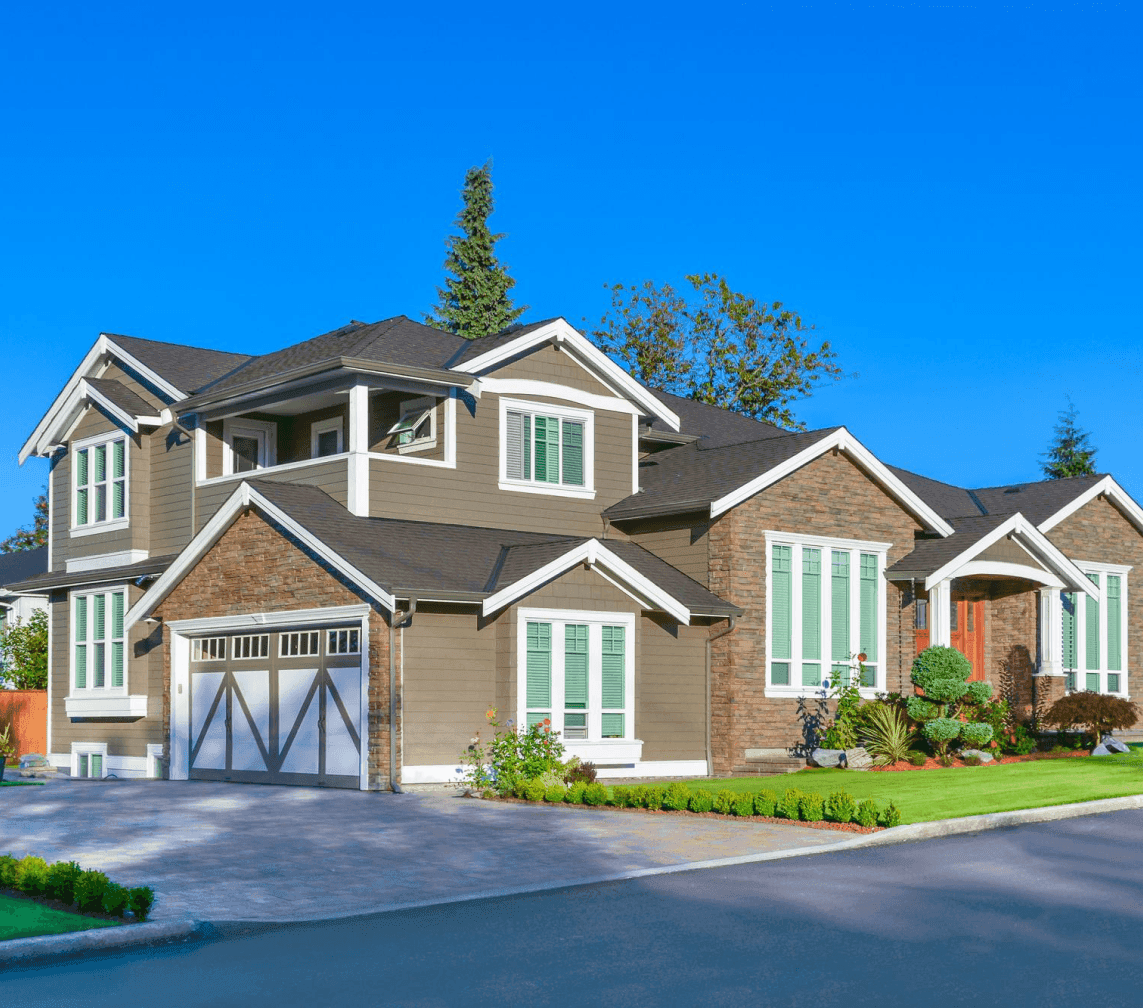
Cheapest Cities in California – 2025 (Full Data Table)
If you’re priced out of San Diego or San Francisco, these 10 California cities still let you buy under $400K or rent around $1,100–$1,300/month. Each comes with trade-offs: proximity to jobs, lifestyle perks, or long-term appreciation potential.
Key choice: Do you buy now and lock in equity, or keep renting and risk paying thousands more in the next 2–3 years?
| City | Avg Home Price | Avg Rent (1BR) | Cost of Living Index | Who It’s Best For | Build vs. Buy |
|---|---|---|---|---|---|
| Bakersfield | $325,000 | $1,150 | 19% below national avg | First-time buyers, energy/agriculture workers | Building may save upfront, but existing homes offer fastest path to equity. |
| Fresno | $350,000 | $1,200 | 20% below avg | Families, healthcare/agriculture jobs | Buying beats building long-term; land costs rising faster than resale homes. |
| Stockton | $410,000 | $1,250 | 6% below avg | Bay Area escapees, budget-conscious commuters | Resale homes cheaper than new build; equity grows faster near Bay fringe. |
| Riverside | $450,000 | $1,400 | Near avg | LA professionals priced out of city | Buying locks in stability; new builds face higher materials cost volatility. |
| Sacramento | $500,000 | $1,500 | Slightly below avg | Public sector workers, families | Market heating-waiting could mean +$50K over 2 years; buy now vs build later. |
| Victorville | $365,000 | $1,100 | 10% below avg | First-time buyers, LA commuters | Building risky (supply chain costs); resale homes offer quicker affordability. |
| Chico | $390,000 | $1,250 | 12% below avg | Retirees, students, remote workers | Buying in college towns yields steady rental income vs slow build ROI. |
| Hemet | $350,000 | $1,050 | 13% below avg | Retirees, budget buyers | Building rarely cheaper-better to buy ready-made at today’s lower mortgage rates. |
| Palmdale | $440,000 | $1,300 | 8% below avg | Aerospace & tech workers | Building longer to ROI; buy existing for faster appreciation. |
| Modesto | $375,000 | $1,200 | 15% below avg | Remote workers, families | Affordable buy-in now; building delays = missed equity compounding. |
If you delay, even a 0.5% rate increase adds ~$100–$150/month to a $350K mortgage. Renters face 3–5% annual hikes. Waiting to build instead of buying now could cost $20K–$40K in missed equity growth.
Best Places to Rent Under $1,200 in California (2025)
Renters in California don’t have to choose between affordability and livability-at least not yet. A handful of inland markets still offer 1-bedroom apartments for $1,100–$1,200/month, saving you $8K–$12K per year compared to Los Angeles or San Francisco rents.
👉 But here’s the decision pressure: rent hikes are relentless. Even at just 3% annual rent growth, today’s $1,150 rental in Bakersfield could cost $1,325/month by 2027. That’s an extra $2,100+ per year gone to landlords instead of building your equity.
| City | Avg Rent (1BR) | Who It’s Best For | Financial Angle |
|---|---|---|---|
| Bakersfield | $1,150 | Entry-level renters, young professionals | Cheapest rent in CA; but buying at $325K locks in fixed payments. |
| Hemet | $1,050 | Retirees, fixed-income renters | Lowest rents, but also lowest property values-prime time to buy before retirees flood market. |
| Victorville | $1,100 | LA commuters seeking affordability | Rent affordable now, but desert demand growing fast-better to buy before prices climb. |
| Fresno | $1,200 | Students, families, healthcare workers | Balanced rents, but homeownership under $350K builds equity at mortgage-level costs. |
Every year you rent, you’re:
- Paying $12K–$15K with zero return.
- Missing out on equity gains of $8K–$12K annually in these same markets.
- Risking a forced move if landlords sell or raise rents.
For veterans and service members, the trade-off is even sharper: VA loans often beat renting entirely. With $0 down + no PMI, a $325K home in Bakersfield could mean a mortgage below $1,250/month-the same as rent, but with equity building from Day 1.
👉 Explore the math here: Full VA Loan Benefits Guide →
Safe AND Affordable: Cities in California That Deliver Both
Bottom line: California affordability often comes with a catch-cheap but unsafe neighborhoods. But in 2025, a handful of cities break the rule: they’re both budget-friendly and safer than state averages.
👉 Here’s the choice: settle for “cheap but risky” areas OR pay slightly more in safer affordable hubs-and protect both your family and your financial investment.
| City | Avg Home Price | Avg Rent (1BR) | Cost of Living Index | Safety Snapshot | Why It Wins |
|---|---|---|---|---|---|
| Chico | $390,000 | $1,250 | 12% below avg | Crime rate 25% below CA avg | Ideal for retirees & families seeking affordability + peace of mind. |
| Palmdale | $440,000 | $1,300 | 8% below avg | Safer than LA suburbs | Aerospace jobs + safer neighborhoods at below-coastal prices. |
| Sacramento (Suburbs) | $500,000 | $1,500 | Slightly below avg | Top family-safety ratings | Major-city amenities with safer, more affordable suburban buy-in. |
Waiting only makes it worse: safety-rated neighborhoods in Sacramento suburbs are already seeing +7–10% annual price gains. Delay, and you’ll either pay $50K more later or get pushed into less desirable zip codes.
For a full data-driven look, see our deep dive: Safest Cities in California.
California vs. Other States: What Do You Give Up or Gain?
Bottom line: California is rarely the cheapest state on paper. States like Texas, Arizona, and Mississippi advertise homes under $200K. But the question isn’t just price-it’s value, taxes, and long-term financial upside.
Your decision isn’t “California vs Anywhere Else.” It’s:
- Do you want lower sticker prices but fewer job opportunities, or
- A slightly higher upfront cost in California with stronger equity growth and career upside?
Quick Comparison: California vs. Other States
| State | Avg Entry Home Price (2025) | Cost of Living vs. U.S. | Property Tax Impact | What You Trade Off |
|---|---|---|---|---|
| California (Inland) | $325K–$400K | 6–20% below national avg in select cities | ~0.75% effective rate | Higher sticker price, but stronger job markets + equity upside |
| Texas | $250K–$300K | 8–10% below avg | ~1.5–2% property tax (double CA) | Lower home price, but taxes erase savings long-term |
| Arizona | $270K–$320K | 5–8% below avg | ~0.6% tax | Lower entry price, but slower wage growth + higher insurance |
| Mississippi | $160K–$180K | 15% below avg | ~0.8% tax | Cheap upfront, but limited job prospects + slower appreciation |
A $325K home in Bakersfield with 0.75% property tax costs less per year in taxes than a $250K home in Texas at 1.8% tax. Long term, California can actually be cheaper to own than “low-cost” states.
- Choosing purely on sticker price means risking lower wages, weaker resale value, and less equity growth.
- Inland California prices are climbing 6–8% annually, while rents in Fresno and Bakersfield rise 3–5% yearly.
For a full breakdown of tax math: U.S. Property Tax Guide →
Buying a Home? Get up to 1.5% Cash Back at Closing
Get pre-approval first, then start exploring homes knowing you can receive up to 1.5% of the home price back at closing.

Bottom line: Not all “cheap” California cities fit every lifestyle. The right move depends on whether you’re raising kids, retiring, or starting out in your career. Each stage has its own affordability traps-and opportunities to lock in wealth.
For Families: Schools + Space on a Budget
- Fresno – Avg Home: $350K | Cost of Living: 20% below U.S. avg | Why: Good schools + family activities at half the Bay Area price.
- Chico – Avg Home: $390K | Why: Safe college town, family-friendly parks, equity growth potential.
- Sacramento Suburbs – Avg Home: $500K | Why: Best blend of affordability + public amenities.
🔗 See how lenders compare for family buyers: Best Mortgage Lenders in Florida (comparison guide works nationwide).
For Retirees: Peace, Healthcare & Low Taxes
- Hemet – Avg Home: $350K | Why: Affordable retirement hub with access to SoCal amenities.
- Palm Desert – Avg Home: $420K | Why: Healthcare access + senior communities.
- Modesto – Avg Home: $375K | Why: Walkable, peaceful, lower property tax burden than coastal metros.
Many retirees overlook property tax impact. A $375K home in Modesto at ~0.75% tax = ~$2,800/year vs. $6,000+ in Texas at higher rates.
For Young Adults: Jobs + Starter Homes Without Coastal Prices
- Bakersfield – Avg Home: $325K | Why: Energy jobs, nightlife, and cheapest cost of homeownership.
- Riverside – Avg Home: $450K | Why: University town + LA proximity without LA prices.
- Stockton – Avg Home: $410K | Why: Bay Area access with sub-Bay prices.
Not sure whether to rent or buy? Rent vs Buy in Florida guide shows the same math Californians should run.
Buying vs Renting in California (Which Saves You More?)
Bottom line: Renting feels flexible. Buying feels risky. But in California, the math tilts heavily toward ownership-even in so-called “affordable” rental markets.
👉 The decision isn’t just monthly cost. It’s lifetime wealth gap: keep paying landlords $15K/year, or start building equity that compounds for decades.
Example: Bakersfield Rent vs Buy (2025)
- Rent: $1,150/month = $13,800 per year → $69,000 gone in 5 years.
- Buy: $325,000 home = ~$1,250/month mortgage → $15,000 principal paid + $30,000 equity growth in 5 years.
Net difference after 5 years: The renter is down $69,000. The buyer is up $45,000+ in equity.
- That $1,150 rent grows 3–5% yearly. By 2030, it’s closer to $1,400–$1,500/month. A mortgage? Fixed.
- Homeowners deduct mortgage interest + property taxes. Renters? Deduct nothing.
- Do you want to be 40+ still asking permission to paint your walls-or sitting on $200K in equity?
“But buying has extra costs”
- Home inspection: ~$400–$600 one-time.
- Closing costs: 2–5% of price, often negotiable.
Compare that to permanent rent increases-inspection + closing are speed bumps, not roadblocks.
See the real numbers: How Much Does a Home Inspection Cost in California?
The Smartest Affordable Move in California (2025)
Bottom line: California still has affordable, safe, and opportunity-rich cities. But the window is narrowing. Prices are rising 6–8% annually, rents are inflating faster than wages, and every year of delay means tens of thousands lost in equity and tax savings.
👉 The real choice isn’t “Should I move to California?” It’s:
- Buy now in 2025 → lock equity, save on taxes, and secure today’s lower rates
- OR
- Wait → pay $30K–$50K more, lose tax advantages, and keep renting while prices climb.
Why reAlpha changes the game
Most buyers overpay simply because commission eats into their budget. But with reAlpha’s 75% rebate commission structure, you keep more of your money:
- 25% back when you buy with a reAlpha agent.
- 50% back when you bundle with reAlpha Mortgage.
- 75% back when you add Title-putting thousands straight into your pocket.
Example: On a $400,000 California home, a traditional agent keeps ~$12,000. With reAlpha, you could get up to $9,000 back to offset moving costs, rate buydowns, or renovations.
That’s not just savings-it’s instant equity on day one.
Skip reAlpha, and you’re stuck paying full commissions.
Use reAlpha, and you’re $9K+ ahead before you even unpack boxes.
Stop paying premiums. Start pocketing rebates.
Check how much home you qualify for in California-and how much commission you can get back with reAlpha Mortgage + Title.
FAQs
1. What is the most affordable city to live in California in 2025?
The cheapest city is Bakersfield-with homes around $325K and rent ~$1,150. Over 5 years, a homeowner here can build $40K–$50K in equity, while renters lose ~$70K to landlords.
👉 Check how much Bakersfield affordability translates to for you → reAlpha Mortgage
2. Where is the cheapest but safest place to live in California?
Chico, Palmdale, and Sacramento suburbs balance affordability with below-average crime. Safety isn’t just comfort-it preserves property values, which means faster resale gains compared to high-crime zip codes.
3. Is it cheaper to build or buy a house in California in 2025?
In inland California, buying a $350K–$400K home is often cheaper than building. Construction costs average $200–$300/sq ft, meaning a 2,000 sq ft home = $400K–$600K+. Buying now avoids both labor inflation and permit delays.
🔗 Compare costs: Cost to Build a House Guide.
4. What California city has the lowest rent in 2025?
Hemet and Bakersfield consistently offer the cheapest 1-bedroom units (~$1,050–$1,150). But watch the trap: rents climb 3–5% annually, while mortgage payments stay fixed.
5. Are there still affordable places to live in California in 2025?
Yes-cities like Fresno, Modesto, and Victorville are 15–20% below national living costs. But prices are rising 6–8% yearly. Delay = $25K+ in missed equity and higher monthly payments.
6. What are the best affordable places for families, retirees, and young adults?
- Families: Fresno, Chico, Sacramento suburbs.
- Retirees: Hemet, Palm Desert, Modesto.
- Young Adults: Bakersfield, Riverside, Stockton.
- Each group saves differently: families gain school-district equity, retirees save on property tax, young adults save by exiting rent inflation early.
7. How do California property taxes compare to Texas or Florida?
California’s effective rate is ~0.75%-half of Texas. That means a $350K home in CA costs ~$2,600/year in taxes vs ~$5,250 in TX. Over 10 years, that’s a $26K difference in your pocket.
8. Should I get pre-approved before shopping for a cheap home in California?
Yes-because rates can shift. A pre-approval locks buying power before costs rise. Waiting 6 months could shrink your budget by $30K–$50K if rates climb a point.
🔗 Guide: Mortgage Pre-Approval Essentials.
9. Can veterans buy affordable homes in California with VA benefits?
Absolutely-VA loans allow 0% down in places like Bakersfield or Fresno, making ownership cheaper than renting. Plus, VA disability can reduce property tax bills.
10. What happens if I wait until 2026 to buy?
Inland CA homes are appreciating 6–8% annually. A $350K Bakersfield home could cost $375K–$380K next year. That’s $25K lost in missed equity + higher monthly costs.
Get the latest market trends, homebuying tips, and insider updates—straight to your inbox. No fluff, just the good stuff.
Article by
As a great communicator with excellent negotiation skills, I focus more on establishing unbreakable ties between my clients, as opposed to just helping them achieve their real estate dreams. As a representative of both buyers and sellers, I understand how to lead a transaction process to ensure that the needs of both are met. My track record speaks for itself. Since I ventured into the industry in 2013 as a realtor, I have not only helped many buyers land perfect homes, but I have also assisted tons of owners and investors build wealth.