Cost to Build a House in Michigan 2026: Complete Guide
September 3, 2026
5 minutes
Wondering how much to build a house in Michigan in 2026? You're not alone - and understanding the real cost to build a house in Michigan can help you save significantly, whether you're comparing prefab pricing, weighing a custom home build, or simply trying to figure out how much it would cost to build a house from the ground up.cost to build a house in Colorado
Whether you're eyeing a cozy prefab in rural Montcalm or a custom home in Grand Rapids, The cost to build a house in Michigan typically ranges from $125 per square foot for basic modular construction to over $600 per square foot for high-end luxury custom designs. Standard and mid-tier custom builds generally average between $170 and $350 per square foot depending on the location and specifications. In this guide, we'll break down real prices, compare prefab vs custom builds, and reveal the cheapest way to build a house in Michigan without sacrificing quality.
Explore more state guides:
- Affordable Places to Live in Washington
- Safest Places to Live in Georgia
- Cost to Build a House in Florida
How Much Does It Cost to Build a House in Michigan (2026 Guide)
The average cost to build a house in Michigan per square foot in 2026 ranges from $125 to over $600, depending on whether you choose prefab, modular, custom, or luxury construction. If you've been searching "how much does it cost to build a house" or simply "how much to build a house," here's the Michigan-specific breakdown. Here's what you can expect:
For context, you can compare these Michigan figures with the national cost to build a house in 2026, which helps show how Michigan construction costs compare with broader U.S. averages.
Bundle your agent and mortgage. Save an average of $10,000.
Don't have an agent yet? Pair your reAlpha mortgage with a reAlpha agent, and you could get up to 1.5% cash back at closing.
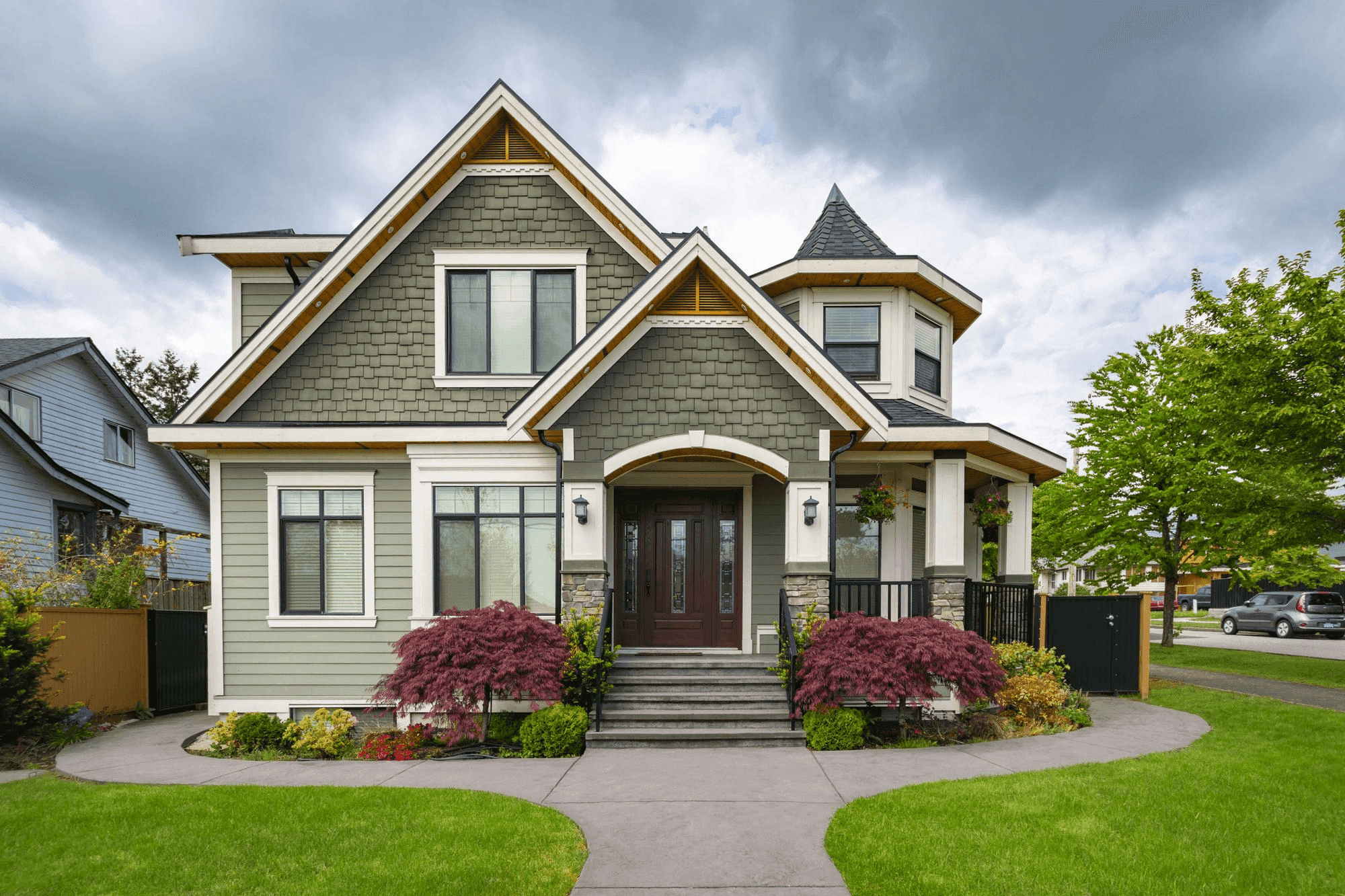
2026 Michigan Home Construction Cost Per Square Foot
| Build Type | Cost per Sq Ft | What's Included |
|---|---|---|
| Prefab/Modular | $125–$180 | Factory-built, fast delivery, basic to mid-range finishes |
| Standard | $200–$250 | Site-built, entry-level to mid-tier finishes |
| Custom | $275–$400 | Fully personalized layout, premium materials, design options |
| Luxury | $400–$600+ | Smart tech, high-end materials, full-service architecture |
Construction costs vary significantly from state to state. For comparison, see our guide to the cost to build a house in Georgia.
Michigan buyers can also compare regional construction costs with the cost to build a house in Ohio, another Midwestern market with different labor and material pricing.
In 2026, the cost to build a house in Michigan per square foot depends on three key factors:
- Build Type – Modular and prefab homes in Michigan cost less because they’re factory-produced and faster to assemble.
- Design Complexity – Simple rectangular layouts cost significantly less per square foot than custom designs.
- Location – While land prices vary significantly across Michigan, structural construction costs per square foot are driven by a complex mix of regional factors rather than a simple city-versus-rural divide. Metropolitan markets often face higher expenses from strict municipal permitting and zoning demands. Conversely, building in more remote areas can introduce premium charges for long-distance material hauling, limited local contractor availability, and the necessary infrastructure required to install private wells and septic systems.
While factory-assembled prefabricated or modular homes can offer a lower baseline price for the structure's core shell, they are not guaranteed to be the least expensive option overall. Factoring in total project expenses reveals that delivery logistics, heavy machinery rentals, excavation, and foundational work remain significant investments. Additionally, utility grid connections, local municipal permits, and any architectural customisations can quickly bring the final cost per square foot in line with traditional on-site construction.
Planning beyond Michigan?
Check out: Cost to Build a House in New Jersey
Is It Cheaper to Build or Buy a House in Michigan in 2026?
If you're deciding between building vs buying a house in Michigan in 2026 - and weighing it against the overall cost to build a house in Michigan - here's what you need to know:
buying a home is now cheaper
Let’s break it down:
Build vs Buy - Michigan 2026 Cost Comparison
| Option | Avg Total Cost | Pros | Best For |
|---|---|---|---|
| Build | $340,000 – $550,000+ (Structure only) | Custom layout, energy-efficient design | Long-term buyers |
| Buy | $270,000 – $310,000 (Includes land) | Faster move-in, lower upfront effort | First-time or urgent buyers |
When evaluating these options, it is critical to note that the purchase price of an existing home natively includes the value of the land, mature landscaping, and established utility connections.
Conversely, the estimated baseline for new construction typically covers only structural assembly. A complete development budget requires accounting for these essential extra variables:
- Land Acquisition: Purchasing a buildable lot introduces significant upfront capital requirements depending entirely on the regional municipality.
- Site Preparation: Clearing trees, grading terrain, and excavating for foundations add variable site-specific labor fees.
- Infrastructure and Utilities: Extending civil power lines, tapping into municipal water grids, or engineering private well and septic setups add necessary baseline costs.
- Soft Costs: Mandatory local architectural blueprints, structural engineering stamps, and municipal building permit fees must be factored into the final financing plan.
If you decide to buy instead of build, understanding seller concessions can also help reduce certain upfront homebuying costs.
While prefabricated parts can speed up the basic build, the total timeline for a new home is often much longer than expected. Before a house is ready, you must clear the land, install utilities, and pass local government inspections, all of which take time. In Michigan, localized permit delays and freezing winter weather can easily push schedules past initial estimates. To avoid costly surprises, buyers should plan for a flexible timeline that accounts for these site-specific realities.
Want to compare states?
Top 10 Affordable Places to Live in Florida
How Much Does It Cost to Build a 1,500 Sq Ft House in Michigan (2026)?
In 2026, the cost to build a 1,500 sq ft house typically ranges from $190,000 to $450,000+, depending on your build type. This is one of the most common ways people narrow down the broader cost to build a house in Michigan, since 1,500 sq ft is one of the most searched and built formats - perfect for families, remote workers, and first-time buyers alike.
Whether you choose prefab, custom, or luxury finishes, this size is one of the most searched and built formats.
Regional pricing can make a major difference even for similarly sized homes, as shown in our guide to Virginia construction costs by region.
Let's break down the 2026 numbers.
Buying a Home? Get up to 1.5% Cash Back at Closing
Get pre-approved first, then start exploring homes knowing you can receive up to 1.5% of the home price back at closing.

2026 Cost to Build a 1,500 Sq Ft Home in Michigan
| Build Type | Estimated Cost (1,500 Sq Ft) | Real Estate Context |
|---|---|---|
| Prefab Build | $190,000 – $240,000 | Budget-conscious, factory-built structure; requires separate land and utility hookup fees. |
| Custom Build | $300,000 – $450,000+ | Personalized layout and premium finishes; excludes land purchase and initial site prep. |
| Buy Existing | $230,000 – $310,000 | Turnkey property; pricing natively includes the house, developed land, and utilities. |
Most buyers choose 1,500 sq ft homes for one big reason: value per square foot.
While prefabricated structures offer a lower baseline cost, a realistic "all-in" budget must account for expenses beyond the factory shell. In rural areas, purchasing land, pouring a foundation, and installing private well and septic systems can quickly push a modest build past initial structural estimates. Meanwhile, in metropolitan areas like Ann Arbor or Grand Rapids, premium local labor rates and strict permitting demands mean that custom-designed homes routinely command significantly higher overall budgets.
What’s the Cheapest Way to Build a House in Michigan in 2026?
Location is one of the biggest factors affecting your total budget. If affordability is your priority, explore these most affordable places in Michigan before choosing where to buy land or build.
The cheapest way to build a house in Michigan in 2026 - and the fastest way to bring down the overall cost to build a house in Michigan - is a formula smart buyers are using more than ever:
- Prefab or modular homes
- Rural land outside city limits
- Simple rectangular floorplans
- Minimal contractor markup
These cost-saving principles also apply in other markets. For example, our guide to Texas cost-saving strategies for building explains how rural locations, simpler floorplans, prefab construction, and material choices can reduce overall construction costs.
This approach can lead to significant cost savings depending on your build choices, depending on where and how you build.
Cheapest Build Formula in Michigan (2026)
| Factor | Budget Option | Impact on Cost |
|---|---|---|
| Build Type | Prefab or Modular ($125–$180/sq ft) | 20–40% cheaper than site-built homes |
| Layout | Rectangular, single-story | Less framing, roofing, HVAC complexity |
| Location | Rural counties (Gladwin, Montcalm) | Land for $10K–$20K/acre vs $100K+ in cities |
| Materials | Supplier-direct, basic finish kits | Avoids custom markup |
Example:
A 1,500 sq ft prefab home on rural land can be built for under $200K all-in, including permits, foundation, and finishes - versus $300K+ for custom homes in urban zones.
These buyers want real answers. This approach has proven effective for many buyers weighing the true cost to build a house in Michigan against a comparable home purchase.
Why it’s the cheapest option:
- Modular = factory-built efficiency
- Land = huge savings outside city zones
- Design = fewer corners = fewer costs
Compare with other budget-friendly markets:
Affordable Places to Live in South Carolina
Complete Cost Breakdown to Build a House in Michigan (2026 Edition)
So, what does the cost to build a house in Michigan really look like, line by line?
Here's your complete construction cost breakdown - including permits, foundation, HVAC, framing, and interior finishes. If you're comparing construction budgets across regions, our guide to Pennsylvania home construction costs provides another state-level breakdown of land, site preparation, utilities, permits, labor, and construction expenses. These real 2026 ranges are based on Michigan-specific build data across prefab, standard, and custom homes, and they reflect the same home construction cost and house building cost patterns buyers are researching nationwide.
Average Home Construction Cost Breakdown in Michigan (2026)
| Component | 2026 Cost Range | What’s Included |
|---|---|---|
| Land (per acre) | $10,000 – $25,000 | Rural land = lower cost, urban = higher |
| Permits & Fees | $1,000 – $3,000 | City fees, zoning, inspections |
| Site Prep | $9,000 – $25,000) | Grading, soil testing, tree removal |
| Foundation | $12,000–$80,000+ | Slab, crawlspace, or full basement |
| Framing | $19,500 – $54,000 | Lumber, labor, structural setup |
| Roofing | $5,700 – $16,000 | Asphalt shingle, metal, or composite roofing |
| Siding & Exterior | $7,200 – $24,000 | Vinyl, fiber cement, brick, or composite panels |
| Plumbing & Electrical | $15,000 – $28,500 | Wiring, outlets, pipes, hot water systems |
| HVAC System | $7,000 – $16,000 | Furnace, ductwork, A/C, air filtration |
| Interior Finishes | $50,000 – $200,000+ | Flooring, drywall, kitchen, baths, paint, lighting, appliances |
Understanding this breakdown gives you more negotiating power with builders - especially for custom homes. You can ask:
- “Can I source finishes direct to reduce interior cost?”
- “Can we use slab foundation to cut $10K+?”
- “Is HVAC zoning worth the upfront cost for long-term savings?”
Smart Tip:
Prefab builders often include many of these costs in their flat rate - while custom builders quote separately. That's why prefab homes save time and money on the overall cost to build a house in Michigan.
Want to Build a House in Michigan Without the Stress? Start Here.
If you're planning to purchase a home instead of building, you may be eligible for cash back at closing that can help reduce your out-of-pocket expenses. Buyers working with licensed brokerages such as reAlpha Realty, LLC, Prevu Real Estate LLC, or Prevu Real Estate, Inc. may qualify for cash back at closing of up to 1.5% of the home's purchase price. Additional savings may be available when using reAlpha's mortgage brokerage services, where available.
For example, on a $550,000 home purchase, credits could reach up to $8,250 in active markets. Because our full brokerage and mortgage services are rolling out selectively nationwide, please check our state coverage map to confirm if these maximum credits are currently available in Michigan. Eligibility and final credit amounts vary by state and transaction details.
FAQs
1. How long does it take to build a house in Michigan in 2026?
Typical build times range from 5 to 10 months, depending on whether you pick prefab (5–7 months) or custom/luxury builds (8–10+ months), with rural areas tending to move faster on permits and site prep.
2. What hidden costs should builders watch for in Michigan?
Be prepared for grading, soil testing, utility hookups, impact fees, and even well/septic systems in rural zones. These extras often add $15K–$40K to your total build budget. Pro tip: get a line-item estimate early to avoid surprises.
3. How much does building a tiny home or ADU cost in Michigan?
The total cost generally ranges from $60,000 to over $300,000, with average rates spanning $150 to $400+ per square foot. Because smaller properties compress highly expensive components-like plumbing, wiring, kitchens, and bathrooms-into a compact layout, the final cost per square foot is often higher than a traditional full-sized home.
4. What financing options are best for building a home in Michigan?
When funding a new build, specialized financing programs and developer incentives can help optimize your layout options and cash requirements. Combining your construction financing into a single long-term loan structure helps minimize initial closing friction, while energy-focused lending programs can unlock flexible borrowing limits based on a home’s projected utility efficiency. Additionally, if you work with high-volume production builders, you may qualify for structural closing cost credits, provided you utilize their preferred in-house lending channels.
For buyers financing a new build, a one-time close loan can combine construction financing and the permanent mortgage into a single loan.
5. Does prefab construction qualify for cash back or green incentives?
No, energy-efficient features do not provide guaranteed upfront discounts. While prefabricated homes built with tight structural sealing and modern insulation heavily reduce your monthly utility bills, major federal tax credits for new energy-efficient home construction have expired. Any remaining local, state, or utility company rebates depend entirely on the specific heating, cooling, or solar equipment you install and cannot be used as an automatic upfront discount to lower your initial construction costs.
6. What's the average cost to build a house per square foot outside Michigan?
Home construction costs vary widely by state, so if you're weighing the cost to build a house in Michigan against building elsewhere, it's worth comparing per-square-foot ranges in nearby states before committing to land or a builder.
Get the latest market trends, homebuying tips, and insider updates—straight to your inbox. No fluff, just the good stuff.
Article by
As a great communicator with excellent negotiation skills, I focus more on establishing unbreakable ties between my clients, as opposed to just helping them achieve their real estate dreams. As a representative of both buyers and sellers, I understand how to lead a transaction process to ensure that the needs of both are met. My track record speaks for itself. Since I ventured into the industry in 2013 as a realtor, I have not only helped many buyers land perfect homes, but I have also assisted tons of owners and investors build wealth.