What financial terms should I understand in home-buying contracts?
July 1, 2026
18 minutes
Understanding the intricate financial terms, legal terminology, and critical clauses within home buying contracts is imperative for prospective buyers. Financial terms encompass crucial aspects such as the purchase price and closing costs, while legal jargon elucidates complex concepts like title and disclosure requirements. Key contract clauses, including financing contingencies and home inspection provisions, warrant careful consideration. A thorough comprehension of mortgage details and the impact of interest rates on contractual obligations is essential.
Key Financial Terms in Home Buying Contracts
When diving into the world of home buying, understanding the financial terms within contracts is crucial. Here are some key terms to grasp:
- Purchase Price: The agreed-upon amount for buying the property.
- Earnest Money: A deposit made by the buyer to show serious intent to purchase.
- Down Payment: The initial payment made by the buyer, usually a percentage of the purchase price.
- Closing Costs: Fees associated with finalizing the real estate transaction.
- Loan Terms: Details of the mortgage, including interest rate, term, and repayment schedule.
- Escrow: Funds held by a third party until the completion of the transaction.
- Contingencies: Conditions that must be met for the contract to be binding.
- Appraisal: Evaluation of the property's value by a professional.
Legal Jargon in Home Buying Contracts
Legal jargon in home buying contracts can be daunting, but being aware of key terms is essential:
- Title: Legal ownership of the property.
- Deed: Legal document transferring ownership of the property.
- Lien: A claim against the property for unpaid debts.
- Disclosure: Information provided by the seller about the property's condition.
- Default: Failure to fulfill obligations under the contract.
- Indemnification: Protection against losses or damages.
- Arbitration: Resolving disputes outside of court.
- Addendum: Additional terms or conditions added to the contract.
One application. 100+ lenders.
reAlpha Mortgage shops a network of lenders to find the right loan for your situation-no rate-shopping required.

Important Contract Clauses in Home Buying Agreements
When reviewing home buying agreements, pay attention to these crucial clauses:
- Financing Contingency: Ensures you can back out if you can't secure financing.
- Home Inspection Contingency: Allows for a professional inspection of the property.
- Closing Date: Specifies when the transaction will be finalized.
- Seller Concessions: Details any contributions the seller will make to the closing costs.
- Property Disclosure: Ensures the seller discloses any known issues with the property.
- Title Contingency: Ensures the property has a clear title.
- Maintenance Responsibilities: Clarifies who is responsible for repairs and maintenance.
Crucial Mortgage Details in Home Buying Contracts
Understanding mortgage details within home buying contracts is vital. Key aspects to grasp include:
- Interest Rate: The percentage charged for borrowing the loan amount.
- Loan Term: The duration of the loan, typically 15 or 30 years.
- Amortization: The process of paying off the loan through regular payments.
- Prepayment Penalties: Fees for paying off the loan early.
- Escrow Account: Holding account for property taxes and insurance.
- Private Mortgage Insurance (PMI): Insurance for loans with less than 20% down payment.
- Adjustable-Rate Mortgage (ARM): Interest rate that can change over time.
How Interest Rates Affect Home Buying Contracts
Interest rates directly impact the overall cost of your mortgage. As of mid-2026, average 30-year fixed mortgage rates fluctuate between 6.3% and 6.8%. A 1% increase in this contractually locked rate can increase a buyer's monthly principal and interest payment by roughly 10% to 12%, significantly affecting long-term affordability
When interest rates are low, it can be an opportune time to purchase a home, as your monthly mortgage payments will be lower. Conversely, when interest rates rise, the cost of borrowing money increases, leading to higher monthly payments. This can significantly affect your budget and the overall affordability of the home.
It's important to stay up-to-date on current interest rate trends and how they may fluctuate over time. Locking in a favorable interest rate during the home buying process can save you thousands of dollars over the life of your loan. Be sure to carefully review the interest rate details in your home buying contract and understand how changes in rates could impact your financial situation.
Types of Loans for Home Buying
When it comes to home buying, there are several types of loans available, each with its own unique features and requirements. Understanding the differences between these loan options can help you make the best choice for your financial situation.
- Conventional Loans: These are the most common type of mortgage and adhere to guidelines from Fannie Mae and Freddie Mac. While a down payment as low as 3% to 5% is permitted, putting down less than 20% will require the buyer to pay monthly Private Mortgage Insurance (PMI). Conventional loans may offer more favorable interest rates and terms compared to other loan types.
- FHA Loans: low as 3.5%. For 2026, the baseline standard purchase limit for a single-family home is capped at $498,257 in most areas, scales up to $1,149,825 in high-cost markets, and requires a minimum credit score of 580.
- VA Loans: Available to eligible military members, veterans, and their spouses, VA loans offer competitive interest rates and do not require a down payment.
- USDA Loans: Designed for low-income homebuyers in rural areas, USDA loans feature low-to-no down payment requirements and favorable interest rates.
- Jumbo Loans: For high-value properties that exceed conventional loan limits, jumbo loans offer financing options but may require a larger down payment and stricter credit requirements.
How Credit Scores Impact Home Buying Contracts
Your credit score is a crucial factor in securing favorable terms in home buying contracts. Lenders use your credit score to assess your creditworthiness and determine the interest rate, loan amount, and other terms they are willing to offer.
Generally, the higher your credit score, the more favorable the terms you can expect. Under 2026 lending matrixes, borrowers with a prime score tier of 740 or higher secure the most competitive interest rates and lowest PMI premiums. Conversely, scores below 620 make conventional financing extremely difficult, pushing buyers into FHA programs and loan programs. Conversely, those with lower credit scores may face higher interest rates, larger down payment requirements, or even difficulty securing financing altogether.
It's essential to review your credit report and address any errors or discrepancies well before the home buying process. Taking steps to improve your credit score, such as paying down debt, can significantly enhance your negotiating power and access to more favorable home buying contract terms.
Budgeting Strategies for Homeownership
Committing to homeownership is a significant financial decision, and it's crucial to have a solid budgeting strategy in place. Here are some key considerations to keep in mind:
- Determine Your Affordability: Carefully assess your income, existing debts, and other financial obligations to determine how much you can comfortably afford to spend on a home. Determine Your Affordability: Assess all income, existing debts, and obligations. While the historical front-end housing target is 28%, 2026 conforming loan guidelines cap your total back-end debt-to-income (DTI) ratio at a strict 43% to 45% of gross monthly income, though strong compensating profiles can push automated approvals up to 49%..
- Factor in Additional Expenses: Homeownership comes with additional costs beyond the mortgage, such as property taxes, homeowners insurance, maintenance, and utilities. Be sure to account for these expenses in your budget to avoid financial strain.
- Build an Emergency Fund: Unexpected repairs and maintenance can be costly, so it's essential to have a well-funded emergency savings account to cover these expenses without disrupting your regular budget.
- Prioritize Savings: Allocate a portion of your income towards savings, whether it's for a down payment, home improvements, or other financial goals. Maintaining a healthy savings plan will provide financial flexibility and security.
- Explore Homebuyer Assistance Programs: Depending on your location and financial situation, there may be various homebuyer assistance programs, such as down payment grants or tax credits, that can help make homeownership more accessible.
Get Pre-Qualified and Save Up to 1.5% at Closing with reAlpha
Save up to 1.5% at closing when you combine real estate and mortgage services with reAlpha.
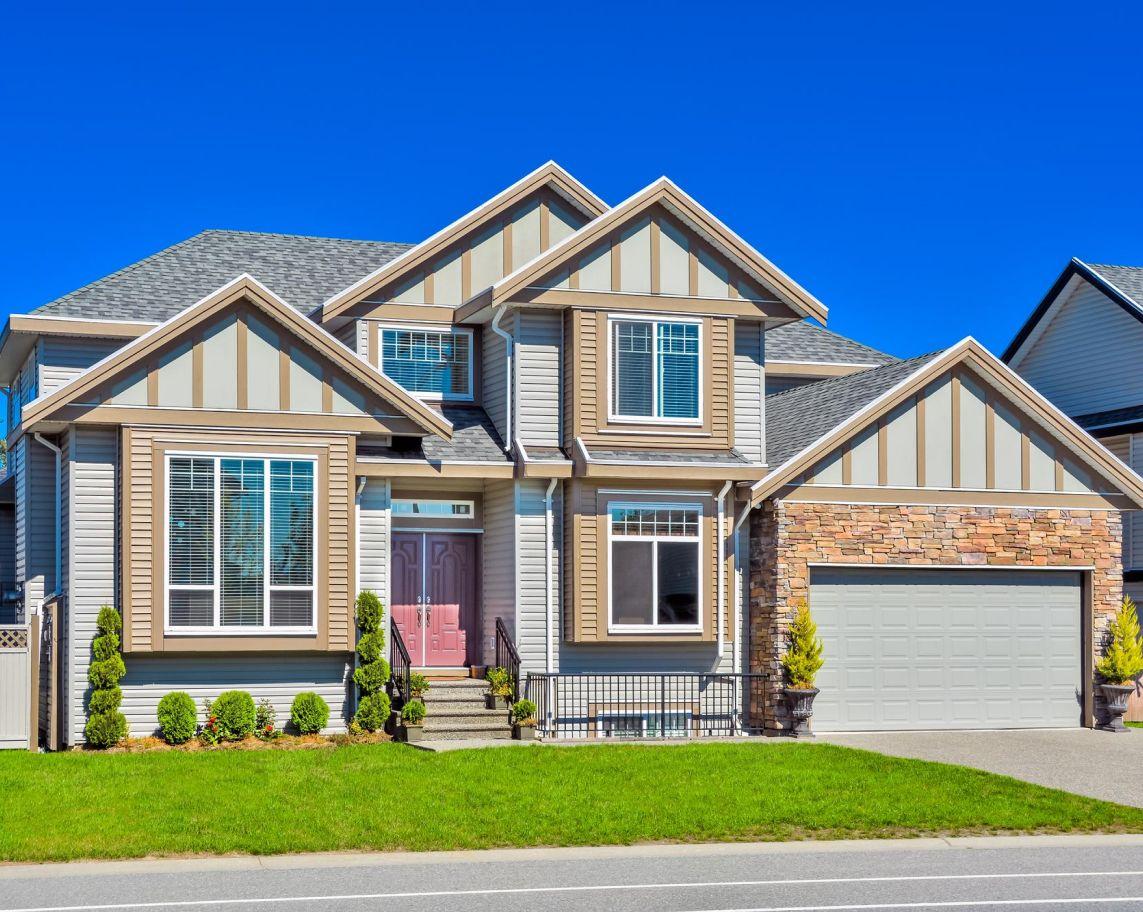
Various Closing Costs in Finalizing a Home Purchase
Closing costs are an essential part of finalizing a home purchase and encompass various fees and expenses. Understanding these costs can help you budget effectively for the closing process. Here are some common closing costs associated with buying a home:
- Loan Origination Fee: Charged by the lender for processing the loan.
- Appraisal Fee: Cost of assessing the property's value.
- Title Insurance: Protects against any issues with the property's title.
- Home Inspection Fee: Covers the cost of a professional inspection.
- Recording Fees: Charges for recording the new deed and mortgage.
- Escrow Fees: Handling fees for the escrow account.
- Property Taxes: Prepaid taxes for the property.
- Homeowners Insurance: Insurance to protect the property and its contents.
- Attorney Fees: Legal fees for reviewing documents and closing the transaction.
- HOA Fees: If applicable, fees for a homeowners association.
Negotiation Strategies in the Home Buying Process
Negotiation is a key aspect of the home buying process and can help you secure a better deal. Here are some effective negotiation strategies to consider:
- Research and Preparation: Understand the local market, comparable home prices, and the seller's motivations before making an offer.
- Set Limits and Prioritize: Determine your budget and must-have features in a home to guide your negotiations.
- Make a Strong Offer: Present a competitive offer based on market research and your budget.
- Request Repairs or Credits: After a home inspection, negotiate repairs or credits for any issues found.
- Be Flexible: Consider compromises on non-essential features to reach a mutually beneficial agreement.
- Work with a Real Estate Agent:Utilize a licensed agent to advocate for you. Note that under post-NAR settlement rules, you must sign a mandatory buyer-broker agreement defining upfront compensation before touring a property, meaning your agent's fee is a direct contractual variable that can be negotiated into your purchase offer as a seller concession.
Inspection Contingencies in Home Buying Contracts
Including inspection contingencies in a home buying contract is crucial to protect your interests and ensure the property is in good condition. Here are some key inspection contingencies to consider:
- General Home Inspection: A comprehensive property evaluation typically costing between $300 and $500 depending on the home's square footage
- Pest Inspection: Examination for pests such as termites or rodents.
- Radon Testing: Specialized environmental screening for radioactive gas, averaging roughly $420 nationally
- Mold Inspection: Air and surface testing for fungal spores, which generally ranges from $300 to $700
- Structural Inspection: Evaluation of the property's structural integrity.
- Roof Inspection: Examination of the roof's condition and potential issues.
- HVAC Inspection: Assessment of heating, ventilation, and air conditioning systems.
Importance of Title Insurance in Real Estate Transactions
Title insurance is a crucial component of real estate transactions that protects buyers and lenders from any issues with the property's title. Here's why title insurance is important and what it covers:
- Protects Against Title Defects: Title insurance safeguards against any legal challenges to the property's ownership rights.
- Covers Past Issues: Title insurance covers past title defects, such as liens, unpaid taxes, or forgery.
- Provides Legal Defense: In the event of a property ownership dispute, the policy pays for all associated legal defense costs. Title insurance typically costs a one-time premium of 0.5% to 1.0% of the purchase price. Real estate contracts explicitly specify whether the buyer or seller purchases the Owner’s Policy, which varies heavily based on state and local market customs.
- Lender Protection: Lenders typically require title insurance to protect their investment in the property.
- Peace of Mind: Title insurance offers peace of mind by ensuring a clear and marketable title for the property.
Ready to buy or sell smarter?
With reAlpha, you receive a large share of the buyer agent commission back while gaining access to AI-powered insights on affordability, timing, and market forecasts.
Sign up free with reAlpha today
Summary
Understanding home buying contracts is crucial. Financial terms like purchase price and closing costs, legal jargon such as title and disclosure, and key clauses like financing contingencies are essential. Mortgages details, interest rates, and loan types impact affordability. Budgeting and negotiation strategies help navigate costs. Inspection contingencies protect buyers, while title insurance safeguards against ownership issues.
Get the latest market trends, homebuying tips, and insider updates—straight to your inbox. No fluff, just the good stuff.
Article by
As a great communicator with excellent negotiation skills, I focus more on establishing unbreakable ties between my clients, as opposed to just helping them achieve their real estate dreams. As a representative of both buyers and sellers, I understand how to lead a transaction process to ensure that the needs of both are met. My track record speaks for itself. Since I ventured into the industry in 2013 as a realtor, I have not only helped many buyers land perfect homes, but I have also assisted tons of owners and investors build wealth.