How to Buy a Single Family House in Atlanta, GA: 2026
March 30, 2026
13 minutes
Buying a single family house in Atlanta in 2026 is no longer about speed or speculation-it’s about understanding neighborhoods, pricing logic, and long-term demand drivers. After years of rapid appreciation and tight inventory, the market has reset into a more balanced, buyer-influenced environment. Inventory has normalized, days on market have lengthened, and pricing differences between neighborhoods are now clearer than ever.
This guide has how disciplined buyers approach Atlanta today-where demand remains durable, where prices have normalized, and how to secure long-term value without overpaying. The focus is on data, tradeoffs, and execution, helping buyers make confident, well-reasoned decisions in a market that now rewards analysis over urgency.
Why single family Houses in Atlanta Are in Demand in 2026
Atlanta’s single family home demand in 2026 is supported by fundamentals, not hype-an important signal for buyers evaluating value, timing, and downside risk. After years of price acceleration, the market has shifted toward balance, rewarding disciplined buyers who understand where demand is durable and where pricing has normalized.
Market Snapshot (single family Homes)
For buyers assessing whether 2026 is the right time to buy a single family house in Atlanta, these indicators point to a market that is no longer rushed and increasingly negotiable-especially outside premium school zones.
reAlpha brings your entire homebuying process into one platform, connecting you with a coordinated team of agents and lenders. When you choose to work with both a reAlpha agent and mortgage, you may receive up to 1.5% cash back at closing, with buyers seeing an average benefit of $10,000.
Bundle your agent and mortgage. Save an average of $10,000.
Don't have an agent yet? Pair your reAlpha mortgage with a reAlpha agent, and you could get up to 1.5% cash back at closing.
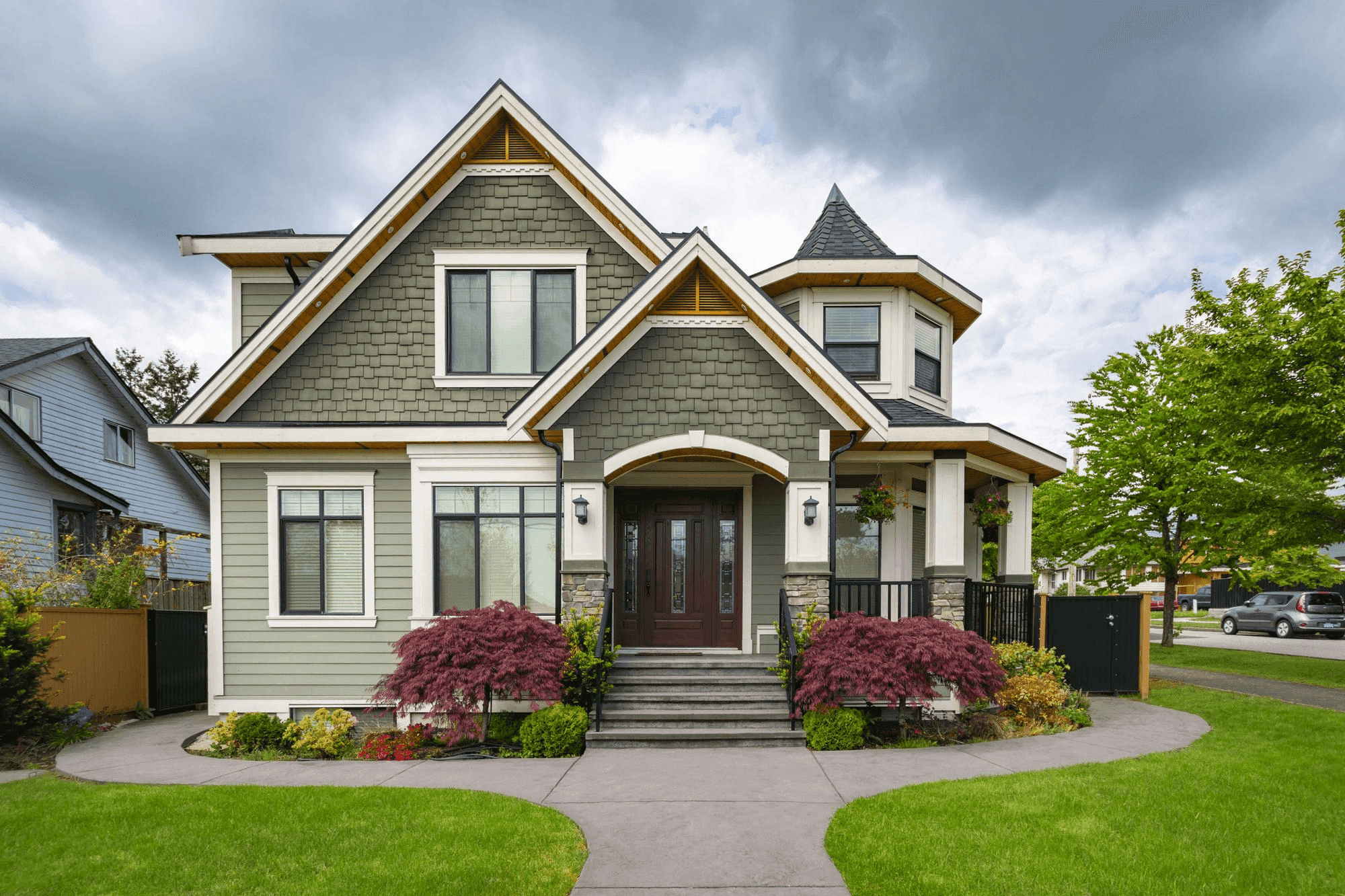
Market Snapshot: single family Homes – Atlanta (Late 2025–Early 2026)
Market Indicator | 2025–Early 2026 Data | What It Signals for Buyers |
|---|---|---|
| Median single family Home Price | $425,000 | Detached homes continue to command a premium, reflecting sustained demand for space, privacy, and lot control. |
| Overall Market Median (All Home Types) | $390,000 | Confirms a persistent pricing gap between single family homes and attached alternatives. |
| Inventory (Months of Supply) | 5.5–6.0 months | Near-balanced conditions, a clear shift away from seller-dominated dynamics. |
| Average Days on Market | 60–70 days | Buyers have time for inspections, underwriting, and negotiation without urgency. |
| Homes Selling Above List Price | 10–12% | Multiple-offer scenarios are localized, not market-wide. |
| Listings with Price Reductions | 28–32% | Signals growing seller flexibility and expanding buyer leverage. |
In balanced markets like Atlanta, reAlpha transaction patterns show that buyers who prioritize coordination and underwriting certainty outperform those relying on speed alone-especially in the $400K–$700K segment where competition remains uneven.
Core Demand Drivers
Atlanta’s long-term housing demand is anchored in structural advantages that extend beyond short-term market cycles. These drivers continue to support single family demand even as price growth moderates.
Core Demand Driver | Key Signal | Impact on Housing Demand |
|---|---|---|
| Population Growth | Sustained in-migration to metro Atlanta | Steady household formation and absorption |
| Employment Expansion | Tech, healthcare, finance, logistics growth | Deeper, higher-income buyer pool |
| Infrastructure Investment | BeltLine + transit and roadway upgrades | Pricing premiums tied to walkability and access |
| Corporate Presence | Expansions by major national employers | Long-term demand stability in job-adjacent submarkets |
| Lifestyle Preference Shift | Demand for space and turnkey homes | Ongoing premium for move-in-ready single family stock |
Buyer Demand Profile (2026)
In 2026, buyer demand in Atlanta is focused and intentional.
- Career-driven professionals favor close-in areas like Old Fourth Ward and West Midtown for commute efficiency.
- Families concentrate on established neighborhoods such as Buckhead, Virginia-Highland, and Candler Park for schools and stability.
- Move-up buyers are upgrading for space and location as inventory improves.
- Corporate and institutional buyers remain active in certain segments, contributing to ongoing transaction activity in those areas.
- Remote workers and creatives are drawn to value-oriented areas like East Point and Hapeville.
Bottom line: Demand is driven by long-term fundamentals-jobs, schools, infrastructure, and connectivity-not urgency.
Best Zip Codes for single family Houses in Atlanta, GA
In 2026, the Atlanta housing market has shifted decisively toward buyer-favorable conditions, improving leverage for those evaluating where to buy a single family house in Atlanta. With inventory normalized and pricing more disciplined, buyers can more clearly identify neighborhoods that balance value, livability, and long-term resale strength-rather than relying on momentum alone.
Top Zip Codes to Watch
Buyers looking to buy a single family house in Atlanta in 2026 tend to narrow their search to a focused group of zip codes where buyer depth, liquidity, and pricing logic remain strong across market cycles.
- 30004 / 30005 / 30009 (Alpharetta): Anchored by tech and corporate employment, these zip codes attract high-income households seeking strong schools and predictable resale demand.
- 30022 / 30024 / 30097 (Johns Creek): Favored for school-driven stability and newer housing stock, with pricing supported by long-term owner occupancy rather than short-term upside.
- 30328 / 30350 (Sandy Springs): Combines close-in convenience with suburban layouts, benefiting from employment proximity and transit access.
- 30318 (Upper Westside): Appeals to buyers targeting Midtown adjacency and redevelopment-driven upside, though pricing dispersion remains wide street by street.
Buying a Home? Get up to 1.5% Cash Back at Closing
Get pre-approved first, then start exploring homes knowing you can receive up to 1.5% of the home price back at closing.

Family-Centric Neighborhoods
In 2026, family demand in Atlanta continues to cluster around neighborhoods that offer complete living ecosystems-schools, safety, community infrastructure, and resale durability-rather than school rankings alone.
- Buckhead: Commands a premium for school access, safety, and long-term demand stability; pricing reflects permanence more than appreciation velocity.
- Virginia-Highland: Known for walkability, historic housing stock, and low turnover, making it resilient in both rising and flat markets.
- Candler Park: A low-density, community-oriented area where safety and parks reinforce pricing durability.
- Brookhaven: Continues to perform as a core family location, balancing commute efficiency with lifestyle appeal.
Emerging Lifestyle Ecosystems & Value Pockets
Infrastructure investment-particularly the BeltLine and MARTA improvements-is reshaping demand in several formerly underpriced neighborhoods.
- West End & Oakland City: BeltLine proximity is accelerating demand, especially among younger professionals seeking walkability at lower entry prices.
- Chamblee & Doraville: Benefit from MARTA expansion and redevelopment while maintaining a better price-per-square-foot than nearby Brookhaven.
- Ormewood Park: One of the most walkable neighborhoods with BeltLine access and comparatively attainable single family inventory.
- East Point & Hapeville: supported by proximity to employment hubs including the film and production industry. tied to the growing film and production economy, offering appreciation potential with lower downside risk.
High-Growth & New-Construction Corridors
For buyers prioritizing turnkey homes and modern layouts, outer-metro growth corridors remain compelling-though commute tradeoffs must be priced in.
These areas continue to absorb population growth through 2026 but carry higher future supply risk compared with established in-town neighborhoods.
Buyer Strategy for 2026
For buyers planning to buy a single family house in Atlanta, the 2026 market rewards discipline and selectivity rather than speed.
Negotiation leverage is strongest on listings with extended days on market, particularly in move-up and luxury price tiers. In new-construction corridors, builder competition often creates opportunities for rate buydowns and closing-cost incentives rather than headline price cuts. Buyers should underwrite deals conservatively by stress-testing insurance costs, property taxes, and long-term maintenance before finalizing any offer.
Best Areas for single family Homes in Atlanta (2026)
Neighborhood / Zip Code | Median Price | Typical Home Size | Schools (Grad. Rate) | Commute | Lifestyle | Appreciation & Risk |
|---|---|---|---|---|---|---|
| Buckhead (30327) | $900K–$1.3M | Large lots, established homes | 95%+ | 15–25 min | Suburban, low-density | Stable demand; Risk: high entry cost |
| Alpharetta (30004/30009) | $700,000 | 2,500+ sq. ft. | 94%+ | 30–40 min | Family-oriented, corporate hub | Steady growth; Risk: commute |
| Virginia-Highland (30306) | $750,000 | Historic cottages | 96% | 10–15 min | Walkable, urban-suburban | Strong liquidity; Risk: older housing stock |
| Brookhaven (30319) | $650,000 | Mid-size homes | 93% | 20 min | Balanced, family-friendly | Stable demand; Risk: pricing dispersion |
| Chamblee (30341) | $525,000 | Mixed housing stock | 90%+ | 25 min | Transit-accessible | Upside potential; Risk: uneven redevelopment |
| Ormewood Park (30316) | $550,000 | Smaller lots | 92% | 15–20 min | Walkable, BeltLine access | Growing demand; Risk: limited inventory |
Market Dynamics & Key Risks
- Demand Concentration: Entry-level single family homes priced between $400K–$550K remain the most competitive, particularly near BeltLine access and strong schools.
- Appreciation Outlook: Current conditions suggest more balanced pricing compared to recent years. However, future price movement depends on local supply, interest rates, and broader economic factors.
- Insurance & Ownership Costs: Rising insurance and maintenance costs increase penalties for deferred upkeep, especially in older housing stock.
- New Supply Risk: Outer-metro new construction offers value today but carries higher long-term supply and commute risk.
- Tax Awareness: Property taxes vary significantly by jurisdiction; city vs. county placement can materially affect total ownership cost.
Bottom line: The best zip codes in Atlanta for 2026 are those where jobs, infrastructure, schools, and liquidity intersect. Buyers who focus on these systems-rather than headline popularity-are best positioned to secure long-term value without overpaying.
Neighborhood Comparisons: Where the Value Really Is
The Atlanta housing market in 2026 has stabilized, easing bidding pressure and giving buyers their strongest negotiating leverage in years when buying a single family house in Atlanta. With inventory more evenly distributed and pricing anchored to current comparables, success now depends on where and how buyers allocate capital-not how fast they move.
Where Value Actually Shows Up
In the current cycle, buyers looking to buy a single family house in Atlanta are finding that value is less about chasing fully priced core neighborhoods and more about identifying lifestyle ecosystems where infrastructure, connectivity, and demand are improving faster than prices.
Several areas consistently stand out for buyers seeking value without sacrificing livability:
- Chamblee & Doraville: Offer materially better price-per-square-foot than adjacent Brookhaven, supported by MARTA access, redevelopment, and strong employment connectivity.
- Ormewood Park: Combines BeltLine access, high walkability, and a mix of historic homes and newer builds at entry points below neighboring eastside submarkets.
- East Point & Hapeville: Increasingly favored by remote workers and creatives priced out of Grant Park and Decatur, with long-term support from airport access and Atlanta’s expanding film and production economy.
For buyers prioritizing affordability over immediacy, cosmetic fixer-upper single family homes remain a practical value strategy, offering lower competition while preserving ownership optionality in improving neighborhoods.
Avoiding Overpayment - and Where Patience Pays
For buyers aiming to buy a single family house in Atlanta in 2026, overpaying is rarely about the list price itself and more often comes from misjudging permanent cost risk versus temporary inconvenience.
Buyers most commonly overextend in these scenarios:
- Premium “forever” neighborhoods such as Buckhead and Virginia-Highland, where pricing reflects long-term demand durability rather than near-term upside.
- Highly polished, turnkey homes where renovation premiums exceed the true cost of deferred maintenance.
- Uneven supply pockets where inventory remains tight and emotional bidding can resurface despite broader market balance.
By contrast, leverage tends to appear where friction is temporary and supply is elevated:
- Transitional neighborhoods experiencing redevelopment or zoning change, where pricing lags long-term fundamentals.
- Listings with extended market time, as homes sitting beyond 45–60 days increasingly invite concessions.
- Cosmetic fixer segments, where buyers willing to update finishes gain pricing flexibility without structural risk.
Key takeaway: Strong results in 2026 come from avoiding permanent cost exposure while leaning into short-term market friction. Buyers who distinguish between long-term cost risks and temporary market conditions may make more informed purchasing decisions aligned with their financial goals.
Speed vs. Strategy by Price Tier (2026)
Price Segment | Market Reality | Buyer Approach | Key Execution Tactic |
|---|---|---|---|
| Under $400,000 | Supply improving but still competitive | Move fast, selectively | Pre-approval ready; focus on clean comparables |
| $400,000 – $650,000 | Balanced inventory; uneven competition | Balanced speed + strategy | Prioritize schools, commute efficiency, resale depth |
| $650,000 – $900,000 | Higher supply; leverage favors buyers | Strategy over speed | Target location ecosystems over cosmetic upgrades |
| All Price Tiers | Insurance, maintenance, and HOA costs matter | Risk-managed execution | Negotiate seller credits; stress-test total ownership cost |
Bottom line: In 2026, Atlanta rewards buyers who replace urgency with analysis. Value is found not by chasing headlines, but by targeting neighborhoods where infrastructure, pricing, and demand are misaligned in the buyer’s favor.
Schools & Education Considerations (Value-Focused)
In the 2026 Atlanta housing market, buyers looking to buy a single family house in Atlanta increasingly view access to high-quality education as one of the most durable drivers of long-term value. What has changed is how buyers evaluate school-driven value-moving beyond blanket premiums for well-known districts and focusing instead on neighborhoods where school quality, pricing sustainability, and infrastructure investment intersect.
The following education-related factors are shaping buyer decisions in 2026.
Established High-Performance School Areas
Well-known school districts continue to command higher prices, largely because they offer consistency and resale confidence, not short-term upside.
- Buckhead: Continues to attract families due to access to highly rated public schools and strong graduation outcomes. Pricing reflects long-term stability.
- Virginia-Highland: Sought after for walkability, community feel, and reliable school performance.
- Sandy Springs & Brookhaven: Remain popular with buyers prioritizing school quality, safety, and commute efficiency.
Buyer takeaway: These areas are best suited for areas associated with pricing stability rather than lower entry pricing
Value-Oriented Neighborhoods with Solid School Access
For buyers planning to buy a single family house in Atlanta while balancing education quality and affordability, several neighborhoods offer solid school access without requiring top-of-market pricing.
- Ormewood Park: Often viewed as a more affordable option with access to charter and private schools, plus BeltLine connectivity.
- Old Fourth Ward: Appeals to buyers who value proximity to charter schools and nearby higher-education institutions.
- Chamblee & Doraville: Offer better price-per-square-foot than nearby Brookhaven, with transit improvements supporting long-term demand.
Buyer takeaway: These neighborhoods often provide stronger value when buyers are willing to trade name recognition for fundamentals.
Atlanta Public Schools: System-Wide Improvement
The overall Atlanta Public Schools system is stronger than it was a decade ago.
- Increased funding has improved facilities and outcomes across many neighborhoods.
- Higher per-student spending reduces risk tied to individual schools.
- Buyers are increasingly comfortable underwriting APS areas that were previously overlooked.
Financial Advantages for Educators
Buyers working in education benefit from targeted affordability support.
- Down payment assistance programs in Atlanta offer higher limits for education professionals.
- Buyers increasingly use data tools to compare school zones and long-term value instead of relying on rankings alone.
Commute & Transportation Reality in Atlanta
Commute Patterns Buyers Actually Experience
In 2026, buyers planning to buy a single family house in Atlanta are increasingly evaluating commute efficiency as a long-term cost factor, not just a lifestyle preference. Neighborhood choice still dictates daily friction far more than citywide infrastructure.
1. Highway Reality Check: I-75, I-85, I-20, and I-285 remain the backbone-and bottlenecks-of Atlanta commuting. Congestion is predictable, especially during peak hours, and often outweighs raw distance.
2. Incremental Improvements, Not a Reset: Road expansions and traffic-management projects continue, but they provide uneven relief. Buyers should assume congestion is a permanent factor, not a temporary one.
3. Proximity Still Wins: Buyers optimizing for commute efficiency consistently focus on neighborhoods that reduce reliance on highways:
- Old Fourth Ward: Close-in, walkable, and well-positioned between Downtown and Midtown.
- Ormewood Park: BeltLine access with manageable drives to multiple job centers.
- Virginia-Highland: Short surface-street commutes paired with walkability.
4. Suburban Tradeoffs:
- Alpharetta, Johns Creek, and Forsyth County offer larger homes but longer, more variable commutes.
- OTP buyers accept predictability over speed, especially for hybrid or remote work schedules.
Transportation Ecosystems in 2026
Atlanta moves people-but efficiency depends heavily on where you live and what you rely on.
Key Points:
- BeltLine-Centered Mobility: The Atlanta BeltLine has reshaped daily movement in intown neighborhoods, supporting walking, biking, and shorter trips rather than faster ones.
- Transit-Oriented Demand: MARTA expansion continues to support demand in Chamblee and Doraville, where rail access offsets car dependence.
- Walkability Premiums: Walkable neighborhoods consistently command stronger demand and resale liquidity, even when home sizes are smaller.
Insight: Atlanta’s transportation story favors localized convenience over regional transformation, making neighborhood-level decisions more important than ever.
Pricing and Location Tradeoffs Buyers Must Weigh
What matters:
For buyers looking to buy a single family house in Atlanta, total ownership cost in 2026 is shaped as much by commute friction and time loss as by taxes, insurance, and purchase price.
What to check:
1. Location vs. space: Intown neighborhoods often maintain consistent buyer demand due to proximity and walkability, though resale outcomes depend on broader market conditions.
2. ITP vs. OTP: Inside-the-Perimeter buyers trade space for time; Outside-the-Perimeter buyers trade time for space.
3. Employment proximity:
- Hartsfield–Jackson Atlanta International Airport drives demand in West End, East Point, and Hapeville.
- Tech and healthcare corridors support pricing in Alpharetta, Sandy Springs, and Johns Creek.
4. Insurance & upkeep: Older intown homes may carry higher maintenance costs, while newer suburban builds face longer-term commute exposure.
Insight: In Atlanta, commute efficiency and daily friction can rival price in long-term impact. Buyers who factor transportation reality into location decisions early avoid costs that never appear on the listing page.
Practical Strategy Tips for Experienced Buyers
In the 2026 Atlanta housing market, buyers planning to buy a single family house in Atlanta win by reducing uncertainty, not by moving faster. With inventory normalized and pricing more closely tied to fundamentals, the objective is to control risk across financing, contracts, location, and long-term ownership costs.
Use these practical guidelines when evaluating any purchase:
- Certainty beats speed: Fully underwritten loan approvals consistently outperform fast but conditional offers.
- Price matters more than rate: Securing the right purchase price may create financial flexibility. Refinancing options depend on future interest rates, borrower qualification, and market conditions.
- Structure over polish: Roof, HVAC, and plumbing condition matter more than cosmetic upgrades.
- Local data over averages: Hyperlocal data matters more than metro averages. reAlpha buyers increasingly rely on ZIP-level and street-level trends to avoid mispricing risk.
- Temporary friction creates leverage: Dated finishes, longer market time, or minor inconvenience often signal opportunity.
- Permanent costs create risk: Taxes, insurance, HOA fees, and commute friction compound over time.
- Contracts are part of strategy: Contracts are a leverage tool. Structured offers, backed by financing certainty through a coordinated platform, materially improve negotiation outcomes.
Bottom line: In 2026, buyers looking to buy a single family house in Atlanta achieve the strongest outcomes through pricing discipline and risk control-not aggressive bidding or speed. Buyers who prioritize certainty, hyperlocal insight, and total ownership cost are best positioned to secure long-term value without overpaying.
Conclusion: How to Choose the Right single family House in Atlanta, GA
Buying a single family home in Atlanta in 2026 is about buying smart, not fast. With inventory normalized, buyers have more leverage-but only if they focus on the right location systems, not just the house itself.
The strongest purchases align schools, commute efficiency, walkability, job access, and total ownership cost, rather than cosmetic upgrades or hype. Established neighborhoods offer durability, while infrastructure-led areas provide future upside.
Buyers who stay disciplined-by underwriting costs carefully, targeting longer-market listings, and negotiating strategically-are best positioned to secure long-term value without overpaying.
FAQs
1. Is 2026 a good time to buy a single family house in Atlanta?
Market conditions in 2026 reflect more balanced inventory and longer days on market compared to recent years. Whether it is the right time to buy depends on a buyer’s financial readiness, long-term plans, and risk tolerance.
2. Which Atlanta neighborhoods offer the best value for single family homes in 2026?
Value is strongest in infrastructure-driven and transit-accessible areas such as Chamblee, Doraville, Ormewood Park, East Point, and Hapeville, where pricing lags long-term demand fundamentals.
3. What causes buyers to overpay in the Atlanta housing market?
Overpaying usually comes from chasing turnkey homes, ignoring total ownership costs (insurance, taxes, maintenance), or bidding aggressively in tight school-driven pockets instead of targeting areas with temporary market friction.
Get the latest market trends, homebuying tips, and insider updates—straight to your inbox. No fluff, just the good stuff.
Article by
As a great communicator with excellent negotiation skills, I focus more on establishing unbreakable ties between my clients, as opposed to just helping them achieve their real estate dreams. As a representative of both buyers and sellers, I understand how to lead a transaction process to ensure that the needs of both are met. My track record speaks for itself. Since I ventured into the industry in 2013 as a realtor, I have not only helped many buyers land perfect homes, but I have also assisted tons of owners and investors build wealth.