How to Buy a Single Family House in Dallas, TX: 2026
March 30, 2026
14 minutes
Buying a single family house in Dallas, TX in 2026 looks very different from just a few years ago for buyers approaching the market strategically. The rapid, urgency-driven cycle of 2021–2023 has cooled, creating a Dallas buyer’s market with more inventory, more time to evaluate options, and real negotiating leverage.
Dallas continues to benefit from job growth, corporate relocations, and population inflows, but the post-2024 reset means price alone no longer defines value. Factors such as school-district alignment, commute efficiency, property taxes, insurance exposure, and total monthly ownership cost now play a much larger role in determining whether a deal actually makes sense.
This guide explains how to buy a single family house in Dallas in 2026 with confidence. It breaks down where demand remains structurally strong, where buyers have leverage, and how to avoid common overpayment traps-so you can focus on long-term value rather than short-term pressure.
Why single family Houses in Dallas, TX Are in Demand in 2026
Dallas’s single family housing demand in 2026 is supported by fundamentals, not speculation-an important signal for buyers evaluating whether to buy a single family house in Dallas with discipline rather than urgency.
While transaction speed has slowed and inventory has expanded, underlying demand drivers such as employment growth, school-district alignment, and long-term housing undersupply continue to influence buyer demand for detached homes across Dallas and the broader DFW metroplex, though home values remain subject to broader market conditions.
Bundle your agent and mortgage. Save an average of $10,000.
Don't have an agent yet? Pair your reAlpha mortgage with a reAlpha agent, and you could get up to 1.5% cash back at closing.
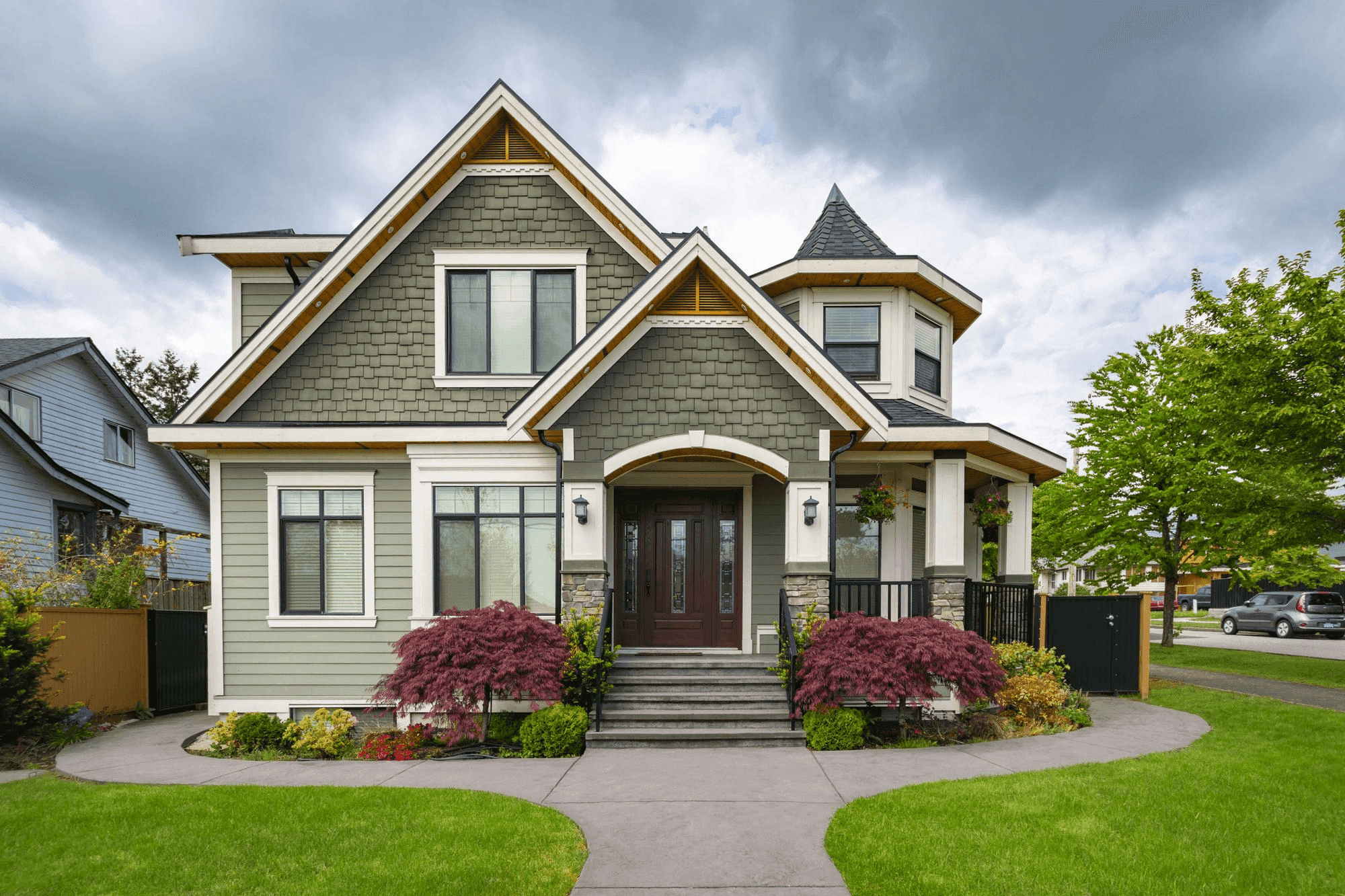
Market Snapshot (single family Homes)
For buyers assessing whether 2026 is the right time to buy a single family house in Dallas, these metrics point to a market that has normalized, slowed, and become meaningfully negotiable.
Market Snapshot: single family Homes – Dallas (Late 2025–Early 2026)
Market Indicator | 2025–Early 2026 Data | What It Signals for Buyers |
|---|---|---|
| Median single family Home Price | $420,000–$430,000 | Prices have stabilized after a 5–7% correction from peak levels, which may provide buyers with more pricing transparency compared to prior years. |
| Overall Market Median (All Home Types) | $395,000 | Confirms a sustained pricing premium for detached homes over condos and townhomes. |
| Inventory (Active Listings) | 25,200 homes (Jan 2026) | Buyers have materially more choice and leverage than in prior cycles. |
| Average Days on Market | 61–71 days | Urgency has faded; buyers can inspect, negotiate, and compare without pressure. |
| Homes Selling Above List Price | 10–14% | Multiple offers remain localized to top-tier neighborhoods, not market-wide. |
| Listings with Incentives or Reductions | Increasing | Signals growing seller flexibility and term-based negotiation opportunities. |
Core Demand Drivers
Dallas’s long-term single family housing demand is reinforced by economic scale, cost advantages, and structural housing needs, rather than short-term market momentum.
Core Demand Driver | Key Signal | Impact on Housing Demand |
|---|---|---|
| Employment Growth | Corporate HQ relocations and job diversification | Sustains buyer depth across income levels. |
| Tax Advantages | No state income tax | Drives inbound migration from high-tax states. |
| Ownership vs. Renting Economics | Mortgage payments often comparable to $1,975 average rent | Makes ownership a rational long-term decision. |
| School-Driven Buying | Strong premiums for top-rated ISDs | Concentrates demand in defensible submarkets. |
| Housing Supply Gap | 16,000+ single family homes estimated | May influence long-term supply-demand balance, though future pricing depends on economic and lending conditions. |
Buyer Demand Profile (2026)
In 2026, demand for single family houses in Dallas is shaped by a few distinct buyer groups, defining where prices hold firm and where negotiation is possible.
- Family buyers concentrate in top-rated school districts (Carroll, Frisco, Prosper, select Richardson ISD), where school quality is directly priced into home values.
- Relocating professionals are drawn by the lack of state income tax and stable job access, favoring established neighborhoods over speculative areas.
- Move-up buyers are driving demand for larger lots, privacy, and usable outdoor space, supporting detached home pricing.
- Value-focused buyers target mid-tier neighborhoods where prices have corrected but fundamentals remain strong.
- Incentive-driven buyers leverage rate buydowns and seller credits, especially in new construction and longer-on-market listings.
Bottom line: Dallas is no longer a speed market, but demand remains intact. Buyers who separate structural premiums from short-term market softness gain the strongest negotiating position without sacrificing long-term value.
Best Zip Codes for single family Houses in Dallas, TX
In early 2026, choosing the right zip code for a single family house in Dallas is a strategy decision, not a speed decision. Demand remains strongest in areas with proven school alignment, stable infrastructure, and long-term resale depth. As inventory normalizes, pricing gaps between zip codes are widening-making location selection more important than short-term rate or pricing moves.
For buyers planning to buy a single family house in Dallas, zip-code choice now outweighs timing the market. The best-performing areas are defined less by hype and more by who buys there consistently across cycles.
Best Zip Codes for Schools and Space
For buyers looking to Buy a Single Family House in Dallas, education, privacy, and lot size remain the primary decision drivers, and these areas continue to anchor demand in 2026:
- Southlake (76092): The benchmark for school-driven demand in DFW, anchored by Carroll ISD. Pricing reflects long-term demand durability rather than short-term appreciation.
- Colleyville (76034): Known for large estate lots, mature trees, and access to Grapevine–Colleyville ISD. Appeals to privacy-focused families seeking land value.
- Coppell (75019): One of the strongest school-to-price ratios in the metro, offering top-tier public schools at lower entry points than Southlake.
- Lake Highlands (75238): Richardson ISD alignment drives steady family demand, with more attainable pricing than close-in East Dallas neighborhoods.
Buying a Home? Get up to 1.5% Cash Back at Closing
Get pre-approved first, then start exploring homes knowing you can receive up to 1.5% of the home price back at closing.

Growth-Oriented and Balanced Suburbs
For buyers balancing newer housing stock, amenities, and long-term growth, these zip codes stand out:
- Frisco (75034, 75035): A hub for new construction, sports infrastructure, and strong ISD performance. Demand is broad-based but pricing remains disciplined relative to Southlake.
- Prosper (75078): Appeals to buyers seeking newer homes and a small-town feel, with longer commutes priced into valuations.
- Flower Mound (75022, 75028): Known for extensive trail systems, parks, and family-oriented planning, supporting stable long-term ownership.
Want to compare these neighborhoods with real pricing and inventory?
Browse updated homes for sale across Dallas zip codes and see where value matches your priorities.
View Dallas homes by neighborhood
Value-Oriented and Entry Areas
For buyers focused on affordability without abandoning fundamentals, these zip codes offer practical alternatives:
- Grapevine (76051): One of the most cost-effective entry points into Grapevine–Colleyville ISD, with a historic downtown and consistent resale demand.
- Allen (75002, 75013): Strong schools and community identity at mid-tier pricing levels.
- Richardson (75080, 75081): Close to major job centers, offering moderate pricing and established neighborhoods.
- Outer McKinney (Anna 75409, Melissa 75454): Entry-tier pricing, though total monthly costs rise quickly once taxes and commuting are factored in.
Central Dallas Locations
For buyers prioritizing proximity over lot size, select city zip codes remain relevant:
- Uptown (75204): Higher-density living near employment and nightlife, with smaller lots and higher price-per-square-foot metrics.
- Oak Cliff / Bishop Arts (75208): Character-driven neighborhoods with wide pricing dispersion and mixed school alignment.
- Lower-Cost Dallas Areas: Mesquite (75149), Lancaster (75134), and Balch Springs (75180) offer pricing below metro averages, with tradeoffs in commute and school performance.
Neighborhood Comparison
Neighborhood / Zip Code | Typical SFH Price Range | Lot Size & Space | Schools | Commute & Access | Buyer Fit | Market Reality |
|---|---|---|---|---|---|---|
| Southlake / 76092 | $1.2M – $1.8M | Large lots, estate homes | Carroll ISD (10/10) | 30–40 min to Dallas | School-driven families | High price stability, limited leverage |
| Colleyville / 76034 | $700K – $1.2M | 1+ acre lots common | GCISD (9/10) | 25–35 min to Dallas | Privacy-focused buyers | Land value supports pricing |
| Coppell / 75019 | $550K – $750K | Suburban lots | Coppell ISD (9/10) | 25–30 min to job hubs | Value-oriented families | Strong school-to-price ratio |
| Frisco / 75034 | $600K – $850K | Newer builds, planned | Frisco ISD (9/10) | 30–45 min commute | Growth-focused buyers | Competitive but negotiable |
| Grapevine / 76051 | $425K – $525K | Smaller lots, historic | GCISD access | 20–30 min | Entry-to-mid buyers | Best value for school access |
Bottom line:
In 2026, the “best” zip code in Dallas is the one where pricing is supported by schools, commute logic, and resale depth-not just recent appreciation. Buyers who quantify these tradeoffs early are better positioned to make informed decisions aligned with their long-term plans.
Neighborhood Comparisons in Dallas, TX: Where the Value Really Is
In Dallas, TX’s 2026 housing market, value is no longer defined by buying into the most prestigious ZIP code. It’s increasingly tied to schools, commute efficiency, land utility, and total ownership cost. Neighborhoods that combine these fundamentals often experience more consistent buyer demand than areas driven primarily by reputation or branding, though market performance can vary. For buyers planning to buy a single family house in Dallas, understanding how neighborhood mechanics translate into long-term value matters more than chasing status.
Where Buyers Tend to Overpay
For buyers looking to Buy a Single Family House in Dallas, overpayment usually stems from ignoring numbers in favor of perception.
- Paying the prestige premium: Areas like Southlake Carroll or Highland Park often carry $300K+ pricing gaps for relatively small differences in school outcomes or lifestyle benefits.
- Ignoring commute costs: Far-north suburbs can look affordable on paper, but tolls and fuel frequently add $400/month ($5K/year) that isn’t priced into listings.
- Overvaluing newness: Buyers sometimes overpay for newer construction in fringe markets without accounting for longer resale timelines and softer buyer depth.
- Underestimating taxes: With 2.0–2.5% property tax rates, total monthly costs can escalate quickly, even when the purchase price feels manageable.
Where Patience Pays Off
The 2026 Dallas market rewards buyers who slow the process down and compare options.
- Inventory-driven leverage: With more than 25,000 active listings, buyers can wait for the right layout, lot, and location instead of settling.
- Negotiation opportunities: Roughly one in four listings includes a price cut, and homes are spending 61–71 days on market.
- New-construction incentives: Some builders are offering temporary rate buydown incentives, which may reduce monthly payments during the initial loan period. Availability and savings vary by builder, loan terms, and buyer qualifications, which can outperform simple price reductions.
- Mid-tier neighborhoods: Areas like Coppell, Grapevine, Allen, and Richardson reward buyers who prioritize fundamentals over name recognition.
Speed vs. Strategy: How to Decide in Dallas (2026)
Decision Lens | Neighborhood Examples | Buyer Action | Why It Matters |
|---|---|---|---|
| Move Fast (High-Demand Pockets) | Southlake, prime Lake Highlands | Act decisively on well-priced homes | School-driven demand limits negotiation |
| Plan Carefully (Value Plays) | Coppell, Grapevine, Allen | Compare school quality vs. price | Strong fundamentals without prestige premiums |
| Time vs. Money Tradeoff | Prosper, Celina | Model commute and tax costs | Lower prices can hide higher long-term expenses |
| Due Diligence Required | Older Dallas suburbs | Inspect foundations, roofs, drainage | Soil and age-related risks affect ownership cost |
Bottom line: In Dallas, value in 2026 comes from schools, commute logic, and total cost control-not prestige alone. Buyers who focus on fundamentals and total cost analysis may reduce the risk of overextending and make decisions better aligned with their financial goals.
Schools & Education Considerations in Dallas, TX
In Dallas–Fort Worth, schools are the single strongest driver of long-term home values, especially for families buying with a multi-year horizon. The most resilient neighborhoods are not just those with high ratings, but those where school quality, safety, and daily livability overlap. For buyers planning to buy a single family house in Dallas, education remains one of the clearest predictors of resale demand and neighborhood stability.
How this shows up across Dallas in 2026:
- Strong school value often sits outside the prestige core. Areas such as Coppell, Grapevine, Allen, and parts of Richardson offer 9/10-rated districts at materially lower prices than Southlake or Highland Park. These neighborhoods attract disciplined buyers who want education quality without paying luxury premiums.
- Top-performing districts cost more-but demand stays durable. Southlake Carroll ISD continues to command the highest school-driven premiums in DFW, while Frisco and Prosper maintain strong demand tied to newer schools and family infrastructure. Buyers pay more upfront, but resale depth remains consistent across cycles.
- Commute-efficient school zones create hidden value. Richardson and Lake Highlands benefit from strong school alignment combined with shorter commutes to Downtown and Uptown Dallas. The time and cost savings often offset older housing stock and support long-term ownership value.
- Private and alternative schools add flexibility. DFW’s network of private, charter, and magnet programs reduces pressure on any single district. This spreads demand across multiple neighborhoods and allows buyers to prioritize location and price without fully sacrificing education outcomes.
Bottom-line insight:
In 2026, the smartest school-based purchases in Dallas are in neighborhoods where education quality is reinforced by commute logic, safety, and price discipline. These areas often attract consistent buyer interest, which can support resale activity depending on broader market conditions. Even as the broader market remains selective.
Commute & Transportation Reality in Dallas, TX
Dallas is one of the largest metro areas in the U.S., spanning more than 9,000 square miles, which makes transportation strategy a core part of housing value. By 2026, where you work matters as much as what you buy. With distinct employment hubs spread across the region, commute efficiency has become a hidden but decisive cost factor for buyers planning to buy a single family house in Dallas.
1. Commute, Cost, and Daily Life
For buyers planning to Buy a Single Family House in Dallas, time in traffic translates directly into money, stress, and long-term affordability.
- Uptown / Downtown (Live–Work): Buyers living close to finance, legal, and tech hubs can reduce or eliminate daily commutes, avoiding tolls and saving dozens of hours each month.
- Richardson: Roughly 15 minutes to Downtown or Uptown in off-peak conditions, making it one of the most efficient commute-value trades in DFW.
- Grapevine & Coppell: Typically 20–25 minutes to Dallas, offering strong access without extreme toll exposure.
- Southlake & Colleyville: Average 25–30 minutes, depending on toll usage and peak-hour congestion.
- Frisco & Flower Mound: Around 30 minutes in ideal conditions, but commutes fluctuate heavily during rush hour.
- Allen & Prosper: 35-40+ minutes, with full car dependency and meaningful toll costs for downtown-bound workers.
For many households, the difference between a 15-minute and 40-minute commute adds hundreds of hours per year in traffic.
2. The “Tollway Tax” and Hidden Ownership Costs
Dallas’s toll network functions like an unlisted monthly expense.
- Daily toll exposure: Commuters from far-north suburbs can spend around $20 per workday on tolls.
- Annual impact: That equals roughly $400 per month or $5,000 per year, none of which appears in mortgage calculators.
- Five-year reality: Over a typical ownership window, tolls and added fuel can exceed $25,000, often offsetting the savings of a lower purchase price.
In many cases, a higher-priced home closer to work results in a lower true cost of ownership.
3. Transportation Patterns That Shape Value
Dallas is still car-dependent, but transportation decisions increasingly affect pricing and demand.
- Highway-driven access: Proximity to the Dallas North Tollway, Central Expressway (US-75), and I-35 strongly influences resale demand.
- Limited rail impact: DART rail provides coverage, but most single family buyers still prioritize drive-time efficiency over station proximity.
- Parking reforms: Recent updates to Dallas parking codes allow denser development near job centers, supporting long-term demand in close-in neighborhoods.
- Ride-share economics: Uber and Lyft help reduce friction in urban cores, but costs add up quickly in outer suburbs.
Practical Strategy Tips for Experienced Buyers
The 2026 Dallas market rewards buyers who prioritize structure, leverage, and true cost control rather than speed. With inventory elevated and negotiations normalized, experienced buyers planning to buy a single family house in Dallas can materially reduce risk and avoid overpaying by applying the following strategies.
- Slow the process down: A buyer-leaning market favors patience, deeper due diligence, and selective offers over rushing to “win” a deal.
- Target stale listings: Homes that have lingered on the market often signal seller flexibility and open the door to price or term concessions.
- Negotiate credits, not repairs: Closing-cost or repair credits reduce execution risk and give buyers full control over post-close work.
- Leverage inventory imbalances: Higher-priced homes and builder-heavy submarkets frequently offer the strongest negotiating leverage.
- Price in the commute: Account for tolls and fuel as fixed monthly costs-commute friction can materially change true affordability.
- Treat insurance as a filter: Review roof age, hail exposure, and prior claims early to avoid insurability or premium surprises.
- Buy with tax awareness: Dallas-area property taxes (often 2.0–2.5%) can meaningfully impact long-term ownership costs and should be modeled upfront.
Bottom line: In 2026, disciplined execution beats urgency. Buyers who underwrite total costs, use time as leverage, and avoid prestige-driven decisions are best positioned to secure long-term value in the Dallas–Fort Worth single family market.
How to Choose the Right single family House in Dallas, TX
Buying a single family house in Dallas in 2026 is no longer about acting fast-it’s about buying with clarity and control. With the market more balanced and inventory uneven across price points and zip codes, success now comes from selecting the right neighborhood ecosystem, not just the most attractive listing.
Buyers who perform best are prioritizing long-term demand drivers: school quality, commute efficiency, property taxes, insurance exposure, and total monthly cost. These factors consistently define the strongest single family markets in Dallas-far more than cosmetic upgrades or short-term price movements. Established neighborhoods reward durability and resale confidence, growth corridors offer upside for patient buyers, and family-focused suburbs continue to deliver value when schools and livability are weighed alongside price.
In 2026, disciplined buyers who separate prestige from performance-and cost from value-are best positioned to buy well in Dallas without overpaying.
FAQs: Buying a single family House in Dallas, TX (2026)
1. Is 2026 a good time to buy a single family house in Dallas?
Market conditions in 2026 reflect higher inventory and longer days on market compared to prior years. Whether it is the right time to buy depends on a buyer’s financial readiness, employment stability, and long-term plans.
2. What matters more in Dallas: the house itself or the neighborhood?
The neighborhood. School quality, commute efficiency, property taxes, and resale depth have a bigger long-term impact on value than finishes or short-term price discounts.
3. Where do buyers tend to overpay in the Dallas market?
Overpayment usually happens in prestige-driven districts, far-north suburbs with hidden commute costs, and newer construction where resale demand is thinner than pricing suggests.
4. How important are school districts if I don’t have children?
Very important. School ratings are priced into every home and directly affect resale demand, liquidity and resale interest-even for buyers without school-aged children.
5. What negotiation strategies work best in the 2026 Dallas market? Drag
Target listings with longer days on market, negotiate seller credits instead of repairs, and use builder incentives like rate buydowns, which often reduce monthly costs more than price cuts.
Get the latest market trends, homebuying tips, and insider updates—straight to your inbox. No fluff, just the good stuff.
Article by
As a great communicator with excellent negotiation skills, I focus more on establishing unbreakable ties between my clients, as opposed to just helping them achieve their real estate dreams. As a representative of both buyers and sellers, I understand how to lead a transaction process to ensure that the needs of both are met. My track record speaks for itself. Since I ventured into the industry in 2013 as a realtor, I have not only helped many buyers land perfect homes, but I have also assisted tons of owners and investors build wealth.