How to Buy a Single Family House in Daytona Beach, FL 2026
July 2, 2026
11 minutes
Daytona Beach continues to experience steady regional growth, anchored by AdventHealth’s ongoing institutional expansions and sustained net positive in-migration into Volusia County as of Q2 2026, but the post-2024 reset means price alone no longer defines value. Neighborhood fundamentals, school alignment, insurance exposure, flood risk, and commute access now play a much larger role in determining which single family homes hold up over time.
This guide explains how to buy a single family house in Daytona Beach in 2026 with clarity and confidence. It breaks down where demand remains durable, where buyers have real leverage, and how to avoid overpaying-so decisions are driven by long-term value rather than short-term market pressure.
Why single family Houses in Daytona Beach, FL Are in Demand
Single family houses in Daytona Beach continue to attract demand due to a convergence of targeted infrastructure investment, policy-driven affordability relief, and the rapid expansion of the build-to-rent (BTR) segment. For buyers looking to Buy a Single Family House in Daytona Beach, the post-2024 pricing reset has shifted leverage toward disciplined neighborhood-specific decision-making rather than speculative timing.
Bundle your agent and mortgage. Save an average of $10,000.
Don't have an agent yet? Pair your reAlpha mortgage with a reAlpha agent, and you could get up to 1.5% cash back at closing.
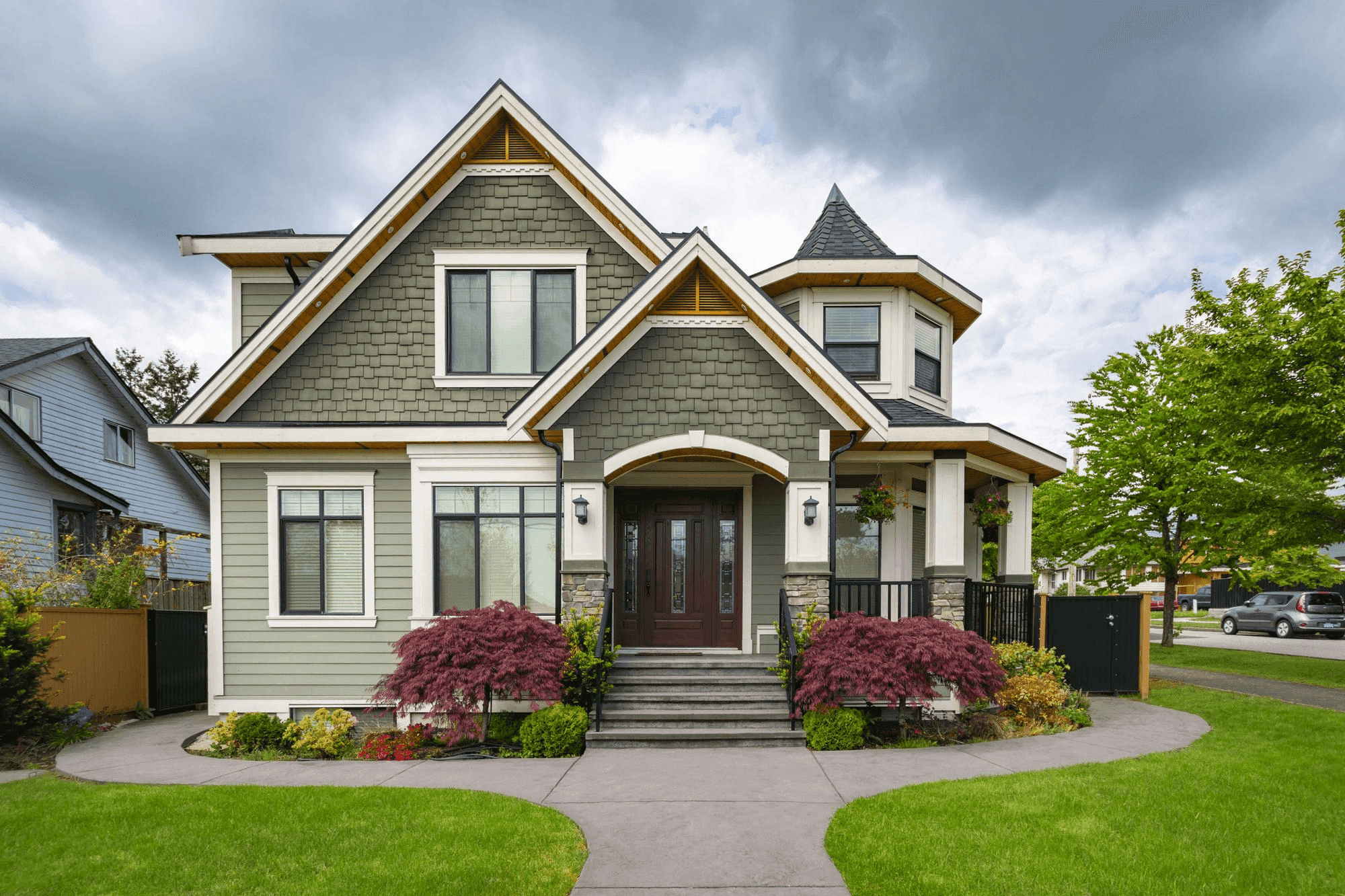
Market Snapshot: single family Homes (Late 2025–Early 2026)
Market Indicator | Current Data / Range | What It Means for Buyers |
|---|---|---|
| Market Phase | Balanced / Normalizing | Stable rental absorption and reduced urgency allow for disciplined decision-making |
| Pricing Outlook | Localized price corrections are expected to remain flat to slightly negative through Q3 2026 as aggregate inventory builds | Creates selective entry opportunities without systemic price risk |
| Metro Context | Deltona–Daytona Beach–Ormond Beach | More accessible than higher-cost Florida coastal metros |
| Buyer Leverage | Improving | Negotiation possible, especially on listings with extended market time |
| Rental Demand | Stable | Supports ongoing housing demand in certain neighborhoods, though values may fluctuate with broader market conditions |
Core Demand Drivers
Daytona Beach’s single family housing demand in 2026 is supported by infrastructure-led employment growth, structural rental demand, improving affordability conditions, and reduced regulatory friction for homeowners. Together, these factors reinforce demand beyond short-term price cycles and help explain why select neighborhoods continue to attract families, professional tenants, and long-term buyers despite broader market normalization.
Demand Driver | What’s Happening | Why It Matters |
|---|---|---|
| Infrastructure & Healthcare | Jackie Robinson Ballpark upgrade; AdventHealth expansion | Supports stable employment and long-term housing demand |
| Build-to-Rent Growth | New rental communities delivering in 2026 | May influence local rental pricing dynamics, though rents vary by condition, location, and market conditions. |
| Insurance Stabilization | Insurers filing 8%–11% rate decreases | Improves affordability and financing confidence |
| Buyer Incentives | Hometown Heroes assistance up to $35K | Expands the pool of qualified buyers |
| HOA Reform | Limits on fines and vehicle restrictions | Reduces ownership friction and improves livability |
Local Demand Index (2026): Moderate
Demand remains moderate and selective. Elevated inventory levels and affordability constraints have tempered rapid price growth, but continued suburban expansion and the introduction of branded luxury developments sustain baseline demand. For buyers planning to Buy a Single Family House in Daytona Beach in 2026, this environment rewards location discipline, cost awareness, and patient negotiation rather than speed.
Best Zip Codes for single family Houses in Daytona Beach, FL
Building on the demand dynamics for single family homes in Daytona Beach, FL, the “best” zip codes are not about blanket rankings-they are about fit by strategy. For buyers looking to Buy a Single Family House in Daytona Beach, 2026 pricing gaps between submarkets are wide enough that aligning location with use case (primary residence, rental durability, or value-add execution) materially reduces downside risk.
Top Zip Codes & Neighborhoods
Zip Code | Primary Profile | Typical Price Range | Demand Quality |
|---|---|---|---|
| 32124 | Gated / executive residential | $375,000–$500,000+ | Stable, low volatility |
| 32118 | Beachside & tourism-driven | $400,000–$550,000 | Seasonal, insurance-sensitive |
| 32117 | North-central residential | $250,000–$325,000 | Steady, price-sensitive |
| 32114 | Midtown / value-add | $150,000–$250,000 | Execution-dependent |
32124: LPGA International - Controlled Upside, Lowest Volatility
32124 is defined almost entirely by LPGA International, a master-planned, gated community with newer housing stock and strict HOA oversight. Pricing here is not driven by speculation or short-term rental economics, but by consistency and predictability.
- Primary buyer fit: Executives, retirees, long-term owner-occupants
- Housing profile: Post-2000 construction, standardized layouts, smaller but efficient lots
- Rental structure: Long-term leases only; STR activity is typically prohibited
- Rental range: $2,500–$3,200/month
Buying a Home? Get up to 1.5% Cash Back at Closing
Get pre-approved first, then start exploring homes knowing you can receive up to 1.5% of the home price back at closing.

32118: Beachside Daytona - Lifestyle Premium, Higher Risk Band
32118 covers the barrier island and beachside Daytona Beach. While heavily condo-oriented, pockets of single family housing remain highly desirable for lifestyle buyers and STR-focused owners.
- Primary buyer fit: Second-home buyers, STR operators, lifestyle-driven owners
- Housing profile: Older coastal homes, mixed elevation and flood exposure
- Income potential: Peak-season nightly rates can exceed $250–$300 for STRs
- Risk factors: Insurance costs, FEMA flood zones (“A” and “V”), storm sensitivity
32117: North-Central Daytona - Residential Stability Without Premium Pricing
32117 functions as a quiet residential buffer between beachside and higher-priced southern submarkets. It lacks the branding of LPGA or beachside living but benefits from practical pricing and consistent local demand.
- Primary buyer fit: Primary residents, long-term renters
- Housing profile: Mid-century homes, modest lots, block-by-block variability
- Rental range: $1,600–$2,000/month
- Demand driver: Affordability relative to nearby zip codes
Buyer takeaway: This is a fundamentals-driven market. No hype, limited speculation-but pricing has historically reflected local affordability levels, though future market performance is not guaranteed.
32114: Midtown Daytona - Value-Add Only, No Autopilot
32114 is the most strategy-sensitive zip code in Daytona Beach. Housing stock is older, pricing reflects condition risk, and outcomes vary dramatically based on rehab quality and entry price.
- Primary buyer fit: Fix-and-flip and BRRRR investors
- Housing profile: Pre-1980 homes, inconsistent maintenance, street-level variability
- Post-rehab rents: $1,400–$1,900/month
- Execution risk: High-overpaying removes all margin
Buyer takeaway: This is not a passive buy-and-hold market. Upside exists, but only for buyers who control acquisition price, renovation scope, and timelines.
Key Considerations for Buyers in 2026
Flood exposure, insurance costs, and transaction structure play an outsized role in total ownership cost. For those planning to Buy a Single Family House in Daytona Beach, careful review of FEMA flood zones, tax portability options, and seller-paid title insurance can materially improve long-term outcomes.
- Flood exposure: Coastal and beachside areas, including Ormond-by-the-Sea, require careful review of FEMA FIRM maps. Properties in “A” or “V” zones materially affect insurance costs and resale liquidity.
- Property tax planning: Florida buyers relocating within the state may transfer up to $500,000 of their Save Our Homes (SOH) tax benefit to a new primary residence.
- Transaction costs: Buyers should budget 2%–5% of the purchase price for closing costs. In Volusia County, sellers typically cover title insurance, often reducing buyer costs by $500–$2,500.
Want a deeper breakdown of how Daytona Beach neighborhoods compare beyond zip codes?
See how lifestyle, pricing, schools, and long-term demand differ across the city in our detailed guide to the best neighborhoods in Daytona Beach.
Neighborhood Comparisons: Where the Value Really Is
In today’s Daytona Beach market, “value” is no longer universal-it is strictly defined by whether you prioritize immediate rental income or long-term equity preservation. For buyers looking to purchase a single-family house in Daytona Beach, outcomes in 2026 vary widely depending on where and how they enter the market, especially as the broader metro continues to navigate shifting inventory and pricing corrections through late 2026. depending on where and how they enter the market, especially as the broader metro absorbs a modest -1.6% price adjustment through late 2026.
Where Value Is Concentrated
The strongest risk-adjusted value in Daytona Beach is concentrated in residential submarkets supported by local housing demand, not tourism cycles.
- South Daytona (Entry-Level Durability): Median prices of $225,000–$300,000 provide one of the lowest entry points for stable ownership. Demand is tied to local employment, supporting consistent rents around $1,600–$2,000.
- Port Orange (Low-Volatility Demand): Value is driven by low vacancy and school alignment, not discounts. Areas near Spruce Creek High sustain long-term tenancy, making this a defensive buy-and-hold market.
- Midtown Daytona (Execution-Driven Upside): With acquisition pricing near $150,000–$250,000, Midtown offers the clearest value-add path. Returns depend on disciplined rehab, with post-renovation rents reaching $1,900 when executed correctly.
Where Buyers Commonly Overpay
In Daytona Beach, FL, pricing premiums are often driven more by branding and oceanfront positioning than by durable, risk-adjusted returns.
- Branded luxury developments: High-profile projects like the Aston Martin oceanfront tower carry brand-driven premiums that compress cap rates for resale buyers, with pricing often disconnected from income fundamentals.
- Daytona Beach Shores (sentiment-driven pricing): Oceanfront homes can exceed $300/night in peak seasons, but elevated acquisition prices, HOA fees, and management costs frequently reduce true profitability.
Where Patience Is Rewarded
Some Daytona Beach submarkets favor long-duration ownership, where stability and gradual appreciation matter more than short-term yield. For buyers planning to Buy a Single Family House in Daytona Beach with a long-term horizon, these areas tend to reward patience, disciplined pricing, and tenant-quality focus.
- LPGA International (32124): A master-planned, executive-oriented community with consistent long-term rental demand. Monthly rents typically range from $2,500–$3,200, with long-term ownership outcomes often dependent on tenant quality and property management rather than short-term pricing changes.
- Infrastructure-adjacent pockets: Residential areas near Jackie Robinson Ballpark and the AdventHealth expansion benefit from sustained public and institutional investment, supporting long-term demand and downside protection.
Speed vs. Strategy by Price Tier
Price Tier | Dominant Approach | Target Areas | Primary Risk Control |
|---|---|---|---|
| $150K–$250K | Speed (Flip / BRRRR) | Midtown Daytona | Conservative rehab budgets and strict acquisition discipline |
| $225K–$400K | Portfolio Strategy | South Daytona / Port Orange | Leverage stable demand; qualify for Hometown Heroes assistance where applicable |
| $375K–$500K+ | Executive Buy-and-Hold | LPGA International | Long-term leases only; STR activity typically restricted by HOA |
Schools & Education Considerations in Daytona Beach, FL
In the Daytona Beach market, Port Orange stands out as the leading submarket for education-driven buyers and long-term investors. For families planning to Buy a Single Family House in Daytona Beach, its concentration of top-performing public schools directly supports durable rental demand and price stability, making it one of the most defensible locations for single-family ownership.
- Port Orange is the most defensible education-driven submarket in the Daytona Beach area, with top-performing public schools supporting long-term rental demand and price stability for single family homes.
- School quality directly anchors demand, with Cypress Creek Elementary and Spruce Creek High School driving family relocation and long-term enrollment stability.
- High-performing school zones reduce vacancy, as families are less likely to move once children are enrolled, lowering tenant turnover.
- Rent-first behavior is common, with households leasing homes to secure school placement before purchasing in the district.
- Rental benchmarks remain durable, with three-bedroom single family homes typically leasing for $2,100–$2,300 per month.
- Nearby submarkets serve different renter profiles, as South Daytona attracts workforce households and students, supporting consistent entry-level rental demand.
- Long-term infrastructure investment, including the AdventHealth expansion, reinforces employment stability and indirectly supports school performance and housing demand.
Bottom-line insight: For buyers in 2026, the smartest school-driven purchases in Daytona Beach occur where education quality intersects with livability, rental stability, and community infrastructure. These neighborhoods often maintain consistent buyer and tenant interest due to school access and infrastructure. However, rental income and resale performance depend on broader market conditions.
Choosing the right home also means choosing the right lifestyle.
School quality, commute times, walkability, and community feel can matter just as much as price or appreciation potential.
See the best places to live in Daytona Beach based on livability, amenities, and long-term comfort.
Commute & Transportation Reality in Daytona Beach
The commuting and transportation reality in Daytona Beach is shaped by a clear divide between the mainland and the beachside, with a small number of arterial corridors carrying most daily traffic. For buyers planning to Buy a Single Family House in Daytona Beach, commute reliability is driven far more by access to I-95 and Ridgewood Avenue than by straight-line distance alone.
Key Transportation & Commute Anchors
Daytona Beach’s layout concentrates employment access around a few critical nodes:
- I-95 Corridor: The dominant north–south artery for regional commuting. Major employment centers, including the expanding AdventHealth campus, are located directly off I-95, making this corridor especially important for healthcare workers and regional commuters.
- Ridgewood & Orange Avenue Core: The city’s administrative center, anchored by City Hall, which is slated for expansion. This area supports a large share of municipal employment and functions as a central access point for government and civic workers.
- Mainland–Beachside Bridges: Travel between mainland neighborhoods (notably the 32114 area) and the beachside (32118) depends on a limited number of bridges. Event-driven destinations such as Jackie Robinson Ballpark and the Boardwalk significantly increase congestion during peak tourism periods.
Transportation Rights for Working Residents
Recent legal changes have improved daily logistics for residents who rely on vehicles for work:
- HOA parking protections: Florida’s House Bill 1203 limits HOA authority to restrict parking of personal work vehicles, including pickup trucks, in private driveways.
- First responder protections: Police, fire, and EMS personnel are explicitly protected, as are vehicles with small business branding that do not require commercial licensing.
How Transportation Shapes Housing Demand
For households looking to Buy a Single Family House in Daytona Beach, proximity to mainland employment hubs and predictable commute patterns often outweigh lifestyle amenities when evaluating long-term housing value.
- Master-planned communities: Areas such as LPGA International benefit from being slightly removed from traffic-heavy corridors while still offering predictable access and controlled environments.
- Workforce-oriented neighborhoods: South Daytona and Midtown remain popular due to their affordability and proximity to mainland employment hubs, reinforcing steady demand from local workers who prioritize commute reliability over lifestyle amenities.
Practical Strategy Tips for Experienced Buyers
The 2026 Daytona Beach market rewards buyers who focus on structure, leverage, and downside control rather than speed or headline pricing. For buyers looking to Buy a Single Family House in Daytona Beach, disciplined strategy now matters more than aggressive timing.
- Align strategy to zip code: Value in Daytona Beach is fragmented-BRRRR works in 32114, stability lives in 32124, and income plays belong in 32118.
- Use legislative leverage: Florida’s HOA reforms materially reduce friction around work vehicles, property use, and fines-factor this into gated-community decisions.
- Prioritize pricing discipline over momentum: A modest market correction favors patient buyers willing to walk from mispriced listings.
- Target operational simplicity: Long-term rentals outperform in HOA-controlled areas; STRs require tighter underwriting due to insurance and seasonality.
- Negotiate credits, not cosmetic fixes: Cash credits preserve control and reduce closing delays in older housing stock.
- Underwrite insurance early: Flood zones and roof age materially affect cash flow-screen these before submitting offers.
- Optimize closing and tax costs: Seller-paid title insurance in Volusia County and SOH portability can meaningfully improve long-term economics.
Bottom line: In Daytona Beach, experienced buyers win by slowing down, buying with intent, and structuring deals for resilience-not by chasing speed or short-term narratives.
Conclusion: How to Choose the Right single family House in Daytona Beach, FL
Buying a single family house in Daytona Beach, FL in 2026 is no longer about moving fast-it’s about buying with intent. For buyers planning to Buy a Single Family House in Daytona Beach, success now comes from focusing on the right location ecosystem, not just the property itself.
The most successful buyers prioritize long-term demand drivers such as school alignment, commute reliability, insurance viability, and tax exposure. In Daytona Beach, established inland neighborhoods tend to reward durability, infrastructure-backed areas signal future relevance, and select coastal zones justify premiums only when lifestyle or income use is clearly underwritten.
In this environment, disciplined inspections, early insurance screening, and structured negotiation matter more than cosmetic appeal. Buyers who evaluate total ownership cost, remain patient with pricing, and negotiate credits instead of repairs are best positioned to secure value in Daytona Beach’s 2026 housing market-without overpaying or taking on unnecessary risk.
FAQs
1. Is 2026 a good time to buy a single family house in Daytona Beach?
Market conditions in 2026 reflect higher inventory and longer days on market compared to prior years. Whether it is the right time to buy depends on a buyer’s financial readiness, risk tolerance, and long-term plans.
2. Which Daytona Beach zip codes hold value best for single family homes?
Value depends on strategy. 32124 (LPGA International) offers low volatility, 32117 provides steady affordability-driven demand, 32114 suits value-add investors, and 32118 supports lifestyle or STR use with higher risk.
3. How important are flood zones when buying in Daytona Beach?
Critical. Properties in FEMA A or V zones-common in beachside and river-adjacent areas-carry higher insurance costs and can affect resale liquidity. Flood screening should happen before making an offer.
4. Are single family rentals still profitable in Daytona Beach in 2026?
Rental performance varies by location, property condition, financing terms, and management approach. Buyers considering rental use should carefully evaluate projected income, insurance costs, and local regulations before purchasing.
5. What costs do buyers often underestimate when purchasing in Daytona Beach?
Insurance premiums, flood coverage, older-home maintenance, and total ownership costs. Buyers who underwrite insurance early and negotiate credits instead of repairs tend to avoid surprises.
Get the latest market trends, homebuying tips, and insider updates—straight to your inbox. No fluff, just the good stuff.
Article by
As a great communicator with excellent negotiation skills, I focus more on establishing unbreakable ties between my clients, as opposed to just helping them achieve their real estate dreams. As a representative of both buyers and sellers, I understand how to lead a transaction process to ensure that the needs of both are met. My track record speaks for itself. Since I ventured into the industry in 2013 as a realtor, I have not only helped many buyers land perfect homes, but I have also assisted tons of owners and investors build wealth.