How to Buy a Single Family House in Fort Lauderdale, FL 2026
July 2, 2026
14 minutes
Buying a single family house in Fort Lauderdale in 2026 is very different from just a few years ago. The fast-moving, seller-driven market has cooled, giving buyers more time, more inventory, and greater negotiating power when approaching purchases strategically.
Fort Lauderdale is still growing-but value is now defined by risk, not speed. The post-2024 reset has shifted focus toward insurance exposure, financing alignment, and long-term cost stability. means real value is now defined by measurable factors such as pricing trends, infrastructure, and property characteristics , school zones, insurance and flood exposure, HOA risk, and commute efficiency-not price alone. This guide shows how to identify where demand remains strong and where buyers have leverage, helping you avoid costly mistakes and focus on long-term pricing trends based on historical data.
Why Single family Houses in Fort Lauderdale, FL Are in Demand in 2026
Fort Lauderdale’s Single family house demand in 2026 is supported by structural fundamentals rather than speculative momentum-a critical distinction for buyers evaluating whether this is the right moment to buy a Single family house in Fort Lauderdale. After several years of volatility driven by rate shocks and insurance instability, the market has reset into a more rational, negotiable phase that favors informed buyers.
Market Snapshot (Single family Homes)
For buyers assessing whether 2026 presents a favorable entry point, the following indicators show a Fort Lauderdale housing market that is no longer rushed, increasingly segmented by neighborhood quality, and more responsive to pricing discipline.
Buyers are increasingly moving toward one platform that connects home search, financing, and closing into a coordinated workflow.
Through a structured homebuying team-spanning agents, lending, and closing-buyers reduce delays caused by fragmented communication.
When buyers utilize proprietary end-to-end digital real estate platforms that coordinate internal brokerage, mortgage, and title services, select ecosystems offer bundled closing credits or transaction rebates up to 1.5% of the purchase price, subject to state regulatory compliance and lender approvals
Bundle your agent and mortgage. Save an average of $10,000.
Don't have an agent yet? Pair your reAlpha mortgage with a reAlpha agent, and you could get up to 1.5% cash back at closing.
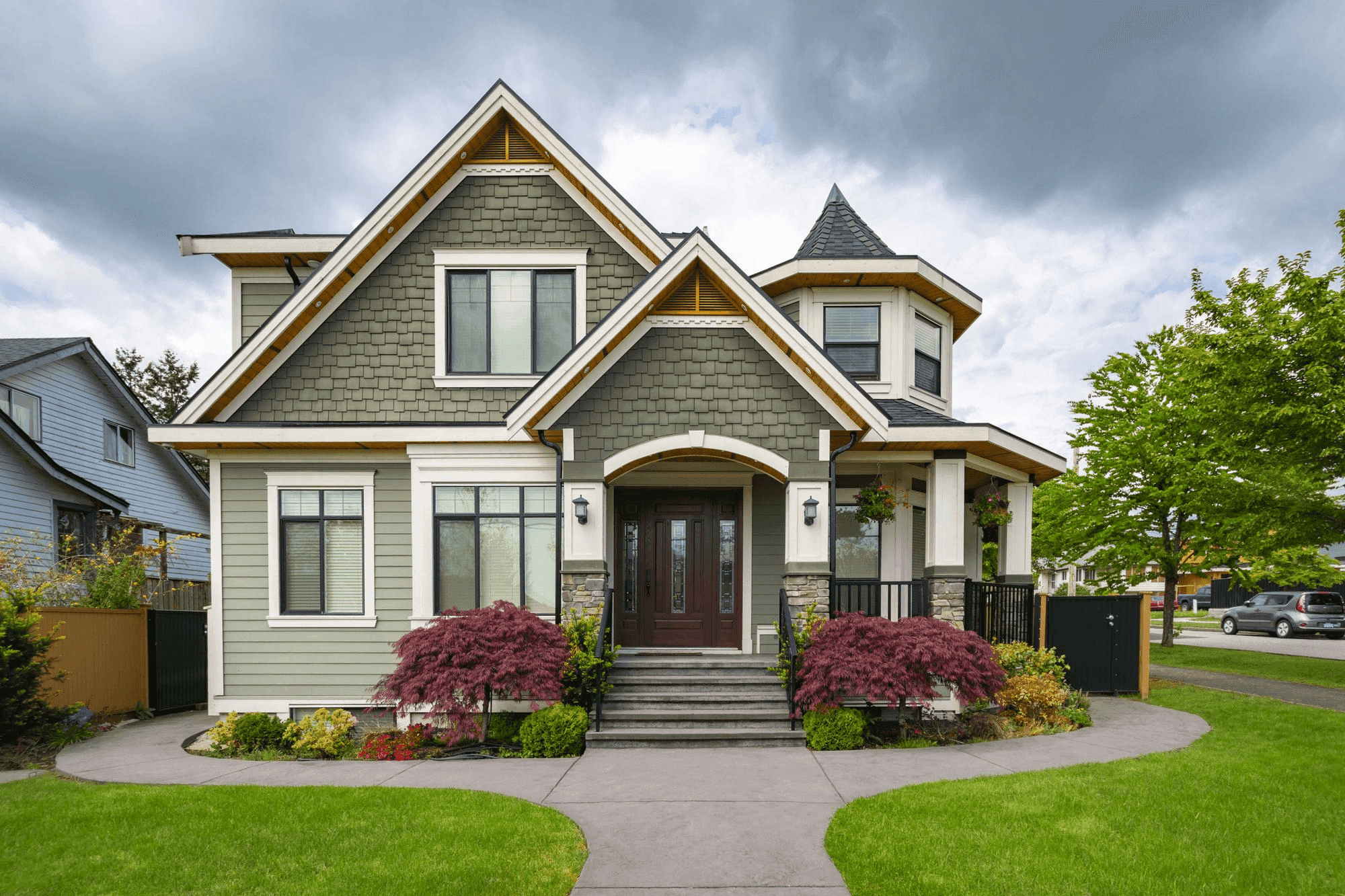
Market Snapshot: Single family Homes – Fort Lauderdale (Late 2025–Early 2026)
Market Indicator | 2025–Early 2026 Data | What It Signals for Buyers |
|---|---|---|
| Median Single family House Price | $720,000 | Detached homes continue to command a premium, reflecting sustained demand for land, larger lot spacing and reduced density, and lower HOA exposure. |
| Overall Market Median (All Home Types) | $610,000 | Confirms a persistent pricing gap between Single family houses and condos/townhomes. |
| Inventory (Months of Supply) | 5.0–5.5 months | Near-balanced conditions, a sharp contrast to the seller-dominated market of 2021–2022. |
| Average Days on Market | 98 days | Buyers have time for inspections, insurance review, and negotiation without urgency-driven decisions. |
| Homes Selling Above List Price | 10% | Competitive bidding is now localized, not market-wide. |
| Listings with Price Reductions | 32% | Indicates growing seller flexibility and expanding buyer leverage, especially outside prime school zones. |
Core Demand Drivers
Fort Lauderdale’s Single family demand is anchored by long-term demographic, financial, and regulatory shifts that extend beyond short-term market cycles.
Core Demand Driver | Key Signal | Impact on Housing Demand |
|---|---|---|
| Population Inflows | Continued net migration to South Florida | Sustained household formation and absorption |
| Employment Base | Growth beyond tourism (finance, healthcare, logistics) | More stable, higher-income buyer pool |
| Tax Environment | No state income tax | Ongoing inbound migration from high-tax states |
| Insurance Reform | 17 new insurers entered the Florida market Florida market | Increased carrier participation may improve availability, though premiums and underwriting standards vary by property and risk profile. |
| Litigation Reform | Reduction in litigation activity | Some carriers report improved underwriting conditions, though premiums remain property-specific and subject to change |
Buyer Demand Profile (2026)
In 2026, buyer demand in Fort Lauderdale is segmented and intentional, with different cohorts targeting specific neighborhoods and tradeoffs when deciding to buy a Single family house.
- Family Buyers: Concentrated in Coral Ridge, Victoria Park, and Rio Vista, prioritizing school quality, neighborhood stability, and resale confidence.
- Relocation & Move-Up Buyers: Drawn to Fort Lauderdale proper for larger lots, coastal access, and avoidance of condo-related insurance and HOA risks.
- Value-Oriented Buyers: Targeting transitional neighborhoods such as Edgewood and Progresso Village, where pricing reflects redevelopment potential rather than finished product.
- High-Net-Worth Buyers ($1M+): Demand remains steady in Rio Vista and waterfront pockets, driven by lifestyle appeal despite insurance and maintenance costs.
- HOA-Avoidant Buyers: A growing segment favoring Single family houses specifically to reduce exposure to escalating HOA fees and special assessments common in condo markets.
Best Zip Codes for Single family Houses in Fort Lauderdale, FL (2026)
In 2026, the Fort Lauderdale housing market has shifted decisively toward buyer-favorable conditions, improving leverage for those planning to buy a Single family house in Fort Lauderdale. With easing mortgage rates, stabilizing insurance costs, and longer days on market, buyers can now more clearly identify the best neighborhoods for Single family homes in Fort Lauderdale based on value durability, livability, and resale strength rather than urgency.
Top Zip Codes to Watch
Experienced buyers and local agents consistently narrow their search to a short list of Fort Lauderdale zip codes where resale liquidity remains strong and buyer depth persists even as the market cools.
- 33308 (Coral Ridge): A perennial favorite for family buyers due to strong public and private school access, larger lots, and stable pricing behavior across market cycles.
- 33301 (Victoria Park / Las Olas): Appeals to buyers prioritizing centrality, walkability, and proximity to downtown and beaches, though lot sizes are typically smaller.
- 33315 (Edgewood / River Oaks): Attracts value-focused buyers targeting quieter streets and larger parcels at lower entry points than core coastal neighborhoods.
- 33304 (Wilton Manors–adjacent): Draws long-term buyers seeking upside from redevelopment momentum, particularly around Progresso Village and nearby cultural districts.
Buying a Home? Get up to 1.5% Cash Back at Closing
Get pre-approved first, then start exploring homes knowing you can receive up to 1.5% of the home price back at closing.

Family-Centric Neighborhoods
In 2026, family demand in Fort Lauderdale clusters around neighborhoods that offer complete living ecosystems-balancing schools, safety, outdoor space, and long-term resale confidence.
- Coral Ridge: Consistently chosen for school quality, yard sizes, and neighborhood stability, making it one of the more consistently sought-after family submarkets based on school access and neighborhood infrastructure.
- Rio Vista: Known for its family-oriented environment and privacy, though pricing often exceeds $1M and favors higher-income households.
- Victoria Park (select streets): Appeals to families who value walkability and central access, accepting smaller lots in exchange for location.
- Shady Banks (33315): A quieter, family-friendly pocket offering larger lots and reduced traffic exposure compared to downtown-adjacent areas.
High-Growth & Redevelopment Corridors
For buyers prioritizing future appreciation and urban transformation over turnkey polish, several Fort Lauderdale submarkets stand out.
- Progresso Village (33304): A redevelopment-driven area benefiting from nearby projects such as FAT Village, attracting buyers focused on long-term upside.
- River Oaks (33315): Positioned near transportation corridors and the airport, offering value relative to coastal pricing, though block-by-block analysis is essential.
- Downtown-adjacent pockets: Select streets near Flagler Village continue to evolve, with pricing sensitivity tied to infrastructure and commercial investment activity rather than school demand.
Buyer Strategy for 2026
The current Fort Lauderdale buyer’s market rewards discipline, selectivity, and underwriting rigor.
Negotiation leverage is strongest on listings with extended market time, particularly homes priced above neighborhood medians or requiring insurance-sensitive updates (roof, windows, seawalls). In redevelopment corridors, pricing flexibility is more common than in established family zones, while in premium school districts, buyers should expect competition but fewer bidding wars than prior cycles. Across all segments, buyers should stress-test insurance availability, flood exposure, and total carrying costs before finalizing offers.
Best Areas for Single family Homes in Fort Lauderdale, FL (2026)
Neighborhood / Zip Code | Median Price | Typical Home Size | Schools | Commute | Lifestyle | Appreciation & Risk |
|---|---|---|---|---|---|---|
| Coral Ridge (33308) | $950K | 2,200–3,000 sq ft | Strong | 15–25 min | Family-oriented, car-dependent | Stable appreciation; Risk: insurance sensitivity |
| Victoria Park (33301) | $1.05M | 1,900–2,600 sq ft | Mid–Strong | 10–15 min | Walkable, central | Strong demand; Risk: high $/sq ft |
| Rio Vista (33316) | $1M+ | Large estates | Strong | 10–15 min | Private, family-focused | Premium pricing; Risk: limited upside |
| Edgewood (33315) | $680K | 1,800–2,400 sq ft | Mixed | 10–20 min | Quiet, value-driven | Upside potential; Risk: block variance |
| Progresso Village (33304) | $720K | 1,700–2,300 sq ft | Average | Central | Urban, transitional | Higher upside; Risk: redevelopment volatility |
Market Dynamics & Key Risks
- Demand Concentration: Entry-to-mid-tier Single family homes priced between $600K–$850K remain the most liquid, typically selling within 90–100 days.
- Appreciation Outlook: Current market conditions suggest more balanced pricing compared to prior years. However, home values may fluctuate based on inventory levels, interest rates, insurance costs, and broader economic conditions.
- Insurance Exposure: While premiums have stabilized, coastal and older homes still face elevated costs. Flood zone status and roof age materially affect insurability.
- HOA Oversight: Many Single family neighborhoods include HOAs with monthly fees ranging from $100–$400; buyers should review reserves and insurance responsibilities carefully.
- Tax Strategy: Buyers should apply for Florida’s Homestead Exemption, which can reduce taxable value by up to $50,000 and cap annual assessment increases.
Neighborhood Comparisons: Where the Value Really Is
The Fort Lauderdale housing market in 2026 has clearly stabilized, cooling competitive pressure and giving buyers their strongest negotiating leverage in years when looking to Buy a Single Family House in Fort Lauderdale. With elevated inventory and longer market times, outcomes are now driven by strategy and neighborhood selection rather than speed alone.
Where Value Actually Shows Up
In the current cycle, value in Fort Lauderdale is less about chasing the most recognizable central hubs and more about how and where buyers choose to purchase. The strongest opportunities favor neighborhoods that deliver space, stability, and long-term demand without peak-location pricing.
Several areas consistently stand out for buyers looking to prioritize affordability and livability based on individual goals:
- Imperial Point: Offers larger lots and family-friendly streets at meaningfully lower prices than coastal cores, while remaining central to Fort Lauderdale and Boca Raton.
- Poinsettia Heights: Delivers similar accessibility to Victoria Park with better price-per-square-foot efficiency and less prestige-driven inflation.
- Edgewood / Shady Banks: Appeals to buyers prioritizing quiet streets and usable outdoor space, where pricing reflects location tradeoffs rather than structural risk.
For entry-oriented buyers, condos still function as a lower-cost ownership alternative, but rising HOA and insurance exposure continue to push many households toward single family homes sooner than in prior cycles.
Still comparing neighborhoods?
Some Fort Lauderdale areas offer stronger long-term value than headline locations-especially once insurance, schools, and commute friction are factored in.
See a full comparison of Fort Lauderdale’s best neighborhoods
Avoiding Overpayment - and Where Patience Pays
Overpaying in 2026 is rarely about the list price itself. It most often results from misjudging permanent risk versus temporary inconvenience.
Buyers tend to overextend in a few predictable scenarios:
- Prestige-first neighborhoods such as Victoria Park and Rio Vista, where pricing reflects location permanence rather than future upside.
- Insurance-sensitive properties with older roofs, limited wind mitigation, or seawall exposure, where post-closing premiums can erase negotiated savings.
- Expanded flood zones, where lower purchase prices are offset by mandatory flood insurance and reduced resale flexibility.
By contrast, leverage tends to emerge where friction is temporary and supply is elevated:
- Redevelopment corridors like Progresso Village, where construction activity and perception lag pricing fundamentals.
- Listings with extended market time, particularly homes sitting beyond 60–90 days, which increasingly invite concessions.
- Transitional neighborhoods near downtown-adjacent areas, where value is discounted due to noise, traffic, or incomplete infrastructure rather than long-term desirability.
Screening properties for insurance eligibility before submitting offers can reduce the likelihood of transaction delays before submitting offers consistently avoid late-stage deal failures-one of the most common breakdown points in Florida transactions
Key takeaway: In 2026, buyers who want to Buy a Single Family House in Fort Lauderdale achieve the best outcomes by avoiding permanent cost risks (insurance, flood exposure, HOA fragility) and leaning into temporary market friction, reducing exposure to long-term cost risks while making informed purchasing decisions aligned with buyer priorities.
Speed vs. Strategy by Price Tier (2026)
Speed vs. Strategy by Price Tier for buyers looking to buy a Single family house in Fort Lauderdale
Price Segment | Market Reality | Buyer Approach | Key Execution Tactic |
|---|---|---|---|
| Under $600,000 | Limited supply; competitive pockets remain | Move selectively fast | Pre-approval ready; prioritize condition and insurance viability |
| $600,000 – $900,000 | Improving inventory; uneven competition | Balanced speed + selectivity | Focus on lot quality, flood status, and resale depth |
| $900,000 – $1.3M | Elevated supply; buyer leverage strongest | Strategy over speed | Target functional family layouts over cosmetic renovations |
| All Price Tiers | Insurance, flood, and HOA costs drive outcomes | Risk-managed execution | Negotiate seller credits; stress-test insurance and total carrying costs |
Schools & Education: How Much Are You Really Paying?
When assessing the real cost of education in Fort Lauderdale in 2026, tuition alone barely tells the story for families planning to Buy a Single Family House in Fort Lauderdale. For most buyers, education expenses show up indirectly-through a deliberate trade-off between higher home prices in strong public-school zones and the ongoing cost of private schooling in neighborhoods where public middle and high school options fall short.
Public vs. Private: Where Housing Meets Education
In Fort Lauderdale, schooling decisions directly shape your housing budget:
- High-Performing Public School Areas: Neighborhoods such as Coral Ridge and Victoria Park remain popular with families seeking reliable public schools. That demand carries a steep premium-entry-level land or renovation properties in Victoria Park often begin around $1.2 million.
- Private School Dependency: Even in some of the city’s most desirable areas-including Rio Vista and Harbor Inlet-many families ultimately budget for private middle and high school tuition, regardless of home price.
- Location as Leverage: Neighborhoods like Imperial Point hold value due to their central positioning and easy access to elite private institutions such as Pine Crest School and Cardinal Gibbons High School.
The Hidden “Education Tax”: Ownership Costs
Even families relying on public schools pay indirectly through elevated ownership expenses:
- Rising Property Taxes: While statewide property tax revenues surged from $32B to $56B leading up to 2024 due to historic valuation increases, 2026 buyers must calculate carrying costs using Broward County's localized millage rates (typically ranging between 1.7% and 2.0%) applied to the newly established purchase price, rather than the seller's historically capped rat
- HOA Obligations: Many family-oriented communities include HOAs, with fees commonly ranging from $100–$400 per month. In higher-end developments, monthly dues can exceed $1,000.
Related Cost-of-Living Pressures (2026)
Cost Category | 2026 Market Reality | Family Impact |
|---|---|---|
| Flood Insurance | 15% expansion of high-risk zones | Required for financed homes in affected areas; adds several thousand dollars annually |
| Mortgage Rates | Averaging 6.23% | Down from 2025 peaks, but still a major monthly expense |
| Closing Costs | 2%–5% of purchase price | A $657,500 home requires roughly $13K–$33K upfront |
| Home Insurance | 14.1% decrease for Broward Citizens policyholders | Tort reform is easing premiums for some homeowners |
What Education Really Costs
What education really costs depends on where and how you buy a single Family House in Fort Lauderdale. Choosing Imperial Point may mean lower purchase prices with long-term private tuition, while Coral Ridge often reduces schooling costs through public options but increases upfront pricing and annual tax exposure.
Commute & Transportation Reality in Fort Lauderdale, FL
Commute Patterns Buyers Actually Experience
Fort Lauderdale commuting outcomes in 2026 are driven less by mileage and more by seasonality, bridge access, and neighborhood street design-critical considerations for anyone planning to Buy a Single Family House in Fort Lauderdale with long-term livability in mind.
- Coastal Congestion Is Structural: Traffic pressure intensifies dramatically during tourist season, especially east of US-1. Neighborhoods near beaches and marinas feel congestion spikes that are predictable-but unavoidable.
- Bridge Dependency Matters: Areas reliant on limited crossings, particularly near the 17th Street Causeway, experience commute volatility tied to marine traffic, events, and peak travel windows.
- Neighborhood Street Design Impacts Safety: In-fill neighborhoods with inconsistent stop control see increased cut-through driving and speeding, shifting commute stress from highways to residential streets.
- Highway Access Still Separates Winners: Buyers optimizing commute reliability consistently prioritize neighborhoods with faster access to Interstate 95 and Interstate 595, even if they sit slightly inland.
Examples Buyers Target:
- Victoria Park: Central lifestyle appeal, but worsening local congestion and safety complaints.
- Rio Vista: Downtown spillover traffic, offset by superior I-95 and I-595 access.
- Harbor Inlet: Commutes are highly seasonal and bridge-dependent.
- Coral Ridge: Residential streets frequently used as cut-through routes.
Transportation Ecosystems in 2026
Fort Lauderdale mobility works-but it favors car ownership and strategic positioning over mass transit convenience.
Key Points:
- Car-Centric Reality: Private vehicles remain the dominant mode of transport across all income levels.
- Ride-Share Cost Advantage: Florida Uber fares average about 6% lower than the national average, offering limited but meaningful flexibility.
- Regional Reach: Neighborhoods like Imperial Point attract buyers commuting north–south between Fort Lauderdale and Boca Raton.
- Airport & Port Access: Proximity to FLL and Port Everglades supports international travel but contributes to congestion near major corridors.
Insight: Fort Lauderdale’s transportation system rewards buyers who minimize bridge reliance and maximize highway proximity rather than those chasing walkability alone.
Pricing and Location Tradeoffs Buyers Must Weigh
In 2026, buyers looking to Buy a Single Family House in Fort Lauderdale benefit most by prioritizing highway access and minimizing bridge reliance, as commute efficiency and transportation costs now play a meaningful role in total cost of ownership.
What Matters:
Seasonal Time Cost: Living east of US-1 can add unpredictable commute time during peak months-even for short distances.
Insurance & Infrastructure Exposure: Changes to flood zone classifications in recent years have affected some properties. Buyers should review FEMA flood maps and obtain property-specific insurance quotes to understand exposure.
Auto Cost Relief:
- Average auto insurance premiums fell 6.5% in early 2026.
- Some insurers have announced rate adjustments in recent years; however, auto insurance costs vary by carrier, location, and driver profile. Buyers should obtain individualized quotes.
Practical Strategy Tips for Experienced Buyers
The 2026 market in Fort Lauderdale rewards buyers who focus on leverage, deal structure, and long-term cost control-not speed-when planning to Buy a Single Family House in Fort Lauderdale.
- Slow the process down: An inventory-rich, buyer-favored market favors patience. Time works against sellers, not buyers.
- Target stale listings: Homes sitting near or beyond the 90–100 day mark are more likely to accept price adjustments and concessions.
- Negotiate credits, not repairs: Seller credits for closing costs, insurance upgrades, or rate buydowns reduce execution risk and preserve buyer control.
- Use inventory as leverage: Elevated supply levels allow buyers to pressure sellers on terms, contingencies, and post-inspection flexibility.
- Use a coordinated homebuying team: Aligning search, financing, and closing within a single workflow reduces delays caused by disconnected vendors.
Execution insight: Buyers who Buy a Single Family House in Fort Lauderdale successfully in 2026 treat insurance, flood exposure, and inspection risk as filters early in the process-not after an offer is accepted.
Conclusion: Choosing the Right Single family House in Fort Lauderdale, FL
Buying a Single family house in Fort Lauderdale in 2026 is no longer about acting fast-it’s about buying intelligently. With the market stabilized and inventory levels giving buyers meaningful leverage, success now comes from selecting the right location ecosystem, not simply the right house.
Experienced buyers are prioritizing long-term demand drivers such as school quality, commute reliability, tax exposure, flood and insurance viability, and neighborhood durability. These factors consistently define the strongest neighborhoods for Single family homes in Fort Lauderdale-far more than cosmetic upgrades or short-term hype. Established neighborhoods reward resilience and resale stability, redevelopment corridors offer future relevance, and family-oriented areas continue to deliver value when schools, infrastructure, and total cost of ownership are evaluated together.
FAQs
Is 2026 a good time to buy a Single family house in Fort Lauderdale?
Market conditions in 2026 reflect increased inventory and longer days on market compared to prior years. Whether it is the right time to buy depends on a buyer’s financial readiness, long-term plans, and risk tolerance.
Which Fort Lauderdale neighborhoods offer the best value for Single family homes?
Coral Ridge and Imperial Point offer strong family stability, while Edgewood and Progresso Village provide better value and future upside.
What are the biggest risks buyers should watch for?
Flood-zone exposure, insurance costs, HOA fees, and total carrying costs matter more than list price in 2026.
Get the latest market trends, homebuying tips, and insider updates—straight to your inbox. No fluff, just the good stuff.
Article by
As a great communicator with excellent negotiation skills, I focus more on establishing unbreakable ties between my clients, as opposed to just helping them achieve their real estate dreams. As a representative of both buyers and sellers, I understand how to lead a transaction process to ensure that the needs of both are met. My track record speaks for itself. Since I ventured into the industry in 2013 as a realtor, I have not only helped many buyers land perfect homes, but I have also assisted tons of owners and investors build wealth.