How to Buy a Single Family House in Jacksonville, FL 2026
March 27, 2026
12 minutes
Buying a single family home in Jacksonville in 2026 is very different from a few years ago. Buying a single-family home in Jacksonville in 2026 requires a disciplined underwriting of risk, not a reaction to bidding wars. While the market has cooled from its peak, the financial weight of insurance, taxes, and long-term maintenance demands a rigorous, patient approach. You now have the leverage to negotiate—use it to reduce total cost, not just purchase price.
Jacksonville is still growing and remains more affordable than many other Florida cities, but price alone no longer tells the full story. Schools, commute times, insurance costs, flood risk, and neighborhood quality now matter just as much as the listing price.
This guide shows how to buy a single family house in Jacksonville in 2026 with confidence. It explains where demand is strong, where buyers have leverage, and how to avoid costly mistakes-so you can focus on long-term value, not short-term pressure.
Why Single Family Homes in Jacksonville, FL Are in Demand in 2026
For buyers looking to buy a single family house in Jacksonville, demand in 2026 remains supported by fundamentals rather than hype-an important distinction for those underwriting long-term value in a stabilising Florida metro
Bundle your agent and mortgage. Save an average of $10,000.
Don't have an agent yet? Pair your reAlpha mortgage with a reAlpha agent, and you could get up to 1.5% cash back at closing.
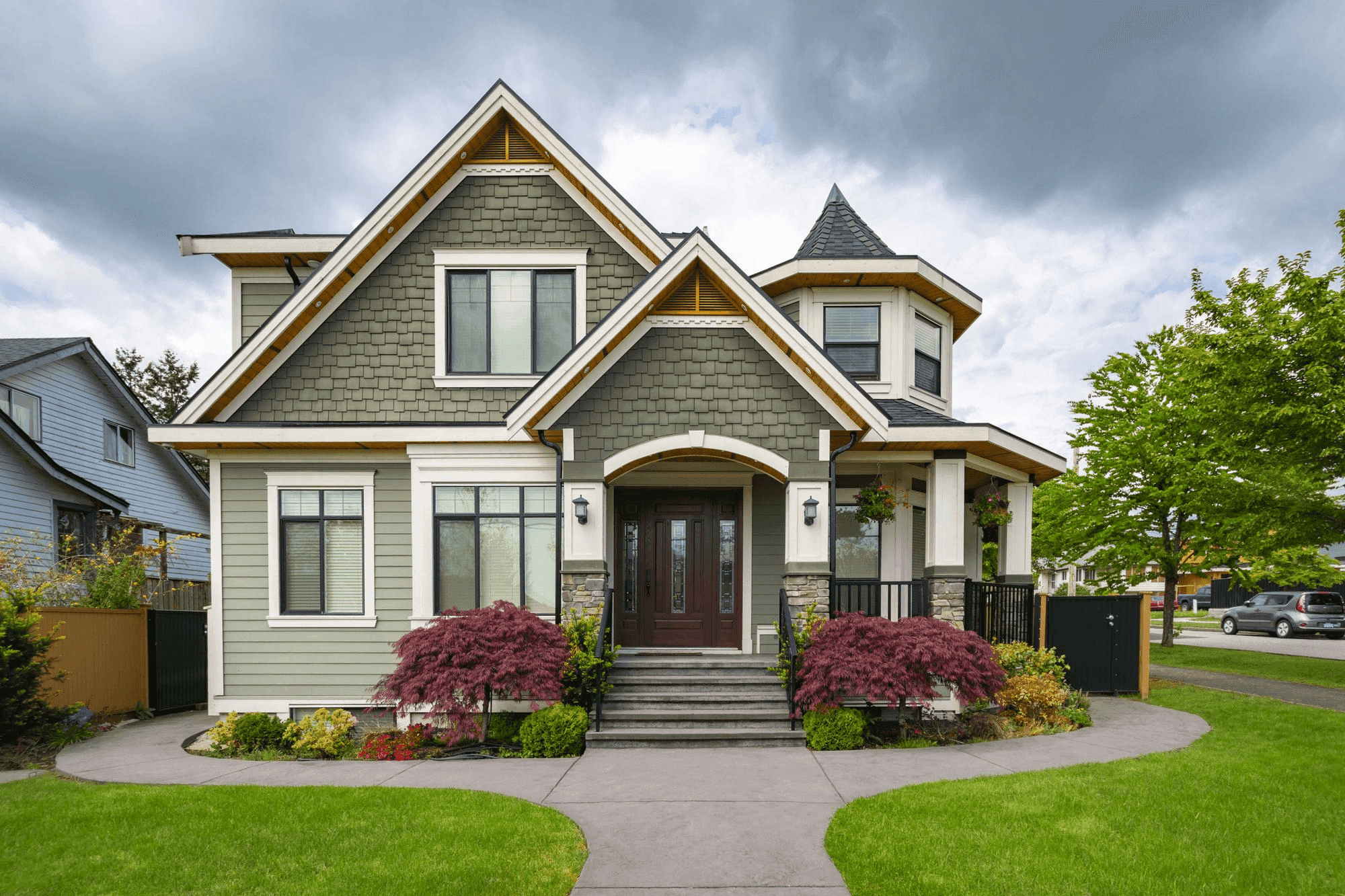
Market Snapshot: Single Family Homes - Jacksonville (Late 2025–Early 2026)
Jacksonville’s housing conditions are best described as stable, liquid, and increasingly negotiable-a meaningful shift from the seller-dominated years earlier in the decade. For buyers preparing to buy a single family house in Jacksonville, the current market cycle allows more time for due diligence, insurance evaluation, and price negotiation before committing.
Market Indicator | Late 2025–Early 2026 Data | What It Means for Buyers |
|---|---|---|
| Median Sales Price | $360,000 (Duval, Nassau, St. Johns & Clay counties) | Jacksonville remains one of the most affordable large Florida metros for single family homes |
| Inventory & Absorption | 5.3 months of supply | Market is nearing balanced conditions, easing upward price pressure |
| Days on Market | 50–80 days | Buyers have time for inspections, insurance review, and negotiation |
| Price Reductions | 27% of active listings | Sellers are adjusting expectations; leverage is shifting to buyers |
| Builder Incentives | 6% average price cuts or concessions | New construction buyers can negotiate beyond list price |
| Overall Market Tone | Stable, liquid, increasingly negotiable | The current market environment favors a disciplined and selective approach rather than rushing into decisions |
Core Demand Drivers
Demand in Jacksonville rests on three durable factors: 1,000+ new residents per month, a diversified job base (healthcare, logistics), and land to expand without price spikes. Together, these forces support demand beyond short-term market cycles and help stabilise absorption even as the market becomes more buyer-favourable.
Core Demand Driver | Key Signal | Impact on Housing Demand |
|---|---|---|
| Population Growth | 1,000+ net new residents per month | Sustained household formation and baseline absorption |
| Employment Base | Healthcare, logistics, finance, military presence | Reduced reliance on tourism-driven cycles and greater income stability |
| Relative Affordability | Lower pricing than Miami, Tampa, and Orlando | Continued inflow of relocators and move-up buyers |
| Land Availability | Large, expandable metro footprint | Supports long-term single family supply without severe price shocks |
Resale Confidence: Shows consistent resale activity in established and centrally located neighborhoods based on market data; weaker in flood-exposed or insurance-volatile zones.
Best Zip Codes for Single Family Homes in Jacksonville, FL (2026)
In 2026, the Jacksonville housing market has shifted decisively toward buyer-favourable conditions, giving experienced buyers more leverage, more choice, and more time to evaluate tradeoffs. For buyers looking to buy a single family house in Jacksonville, this shift makes it easier to identify the best neighborhoods based on pricing discipline, livability, school stability, and resale depth rather than momentum or brand perception.
Top Neighborhoods to Watch
Experienced buyers and local agents tend to concentrate their search on a short list of Jacksonville neighborhoods where buyer depth and resale liquidity remain durable across market cycles.
- San Marco (32207): Appeals to buyers who value walkability and urban adjacency without downtown density. Limited inventory and proximity to healthcare and finance employment keep demand resilient in both up and down markets.
- Riverside (32204): Favoured for architectural character, cultural amenities, and close-in living. Demand is driven by scarcity and lifestyle rather than new supply.
- Avondale (32205): A consistent performer for buyers seeking a suburban feel near the urban core, supported by lower reported crime rates based on publicly available data, low turnover, and strong long-term resale confidence.
Family-Centric Neighborhoods
Family demand in 2026 continues to cluster around neighborhoods that function as complete living ecosystems, where schools, safety, commute efficiency, and community infrastructure overlap.
- East Arlington (32224): Selected for access to established public school infrastructure, suburban lot sizes, and proximity to Southside employment corridors.
- Mandarin (32223): Attracts buyers prioritising space, privacy, and pricing efficiency.
Buying a Home? Get up to 1.5% Cash Back at Closing
Get pre-approved first, then start exploring homes knowing you can receive up to 1.5% of the home price back at closing.

High-Growth & New-Construction Corridors
For buyers prioritising modern layouts, newer systems, and long-term infrastructure alignment, Jacksonville’s eastern and southern growth corridors remain key demand nodes.
- Tamaya: A gated, amenity-rich community near Kernan Boulevard offering structured planning, consistent design standards, and managed amenities.
- Waterleaf: Subdivision with proximity to schools and local amenities.
- Mariposa at EverRange: Launching in 2026, featuring premium pricing and higher-end amenities seeking resort-style amenities near the Nocatee-eTown employment axis.
Buyer Strategy for 2026
For buyers planning to buy a single family house in Jacksonville, Jacksonville’s 2026 market rewards discipline and selectivity rather than speed. Negotiation leverage is strongest on listings with extended market time, particularly in suburban and new-construction areas. In builder-heavy corridors, competition increasingly takes the form of price concessions, closing credits, and rate buydowns rather than list-price appreciation. Buyers should underwrite insurance availability, flood exposure, and total carrying costs before finalising any offer.
Best Areas for Single Family Homes in Jacksonville, FL (2026)
Neighborhood | Median Price | Typical Home Profile | Schools (Signal) | Commute | Lifestyle | Appreciation & Risk |
|---|---|---|---|---|---|---|
| San Marco (32207) | $520,000 | Historic homes, smaller lots | Strong magnet/private access | Minutes to Downtown | Walkable, urban-adjacent | Strong resale; Risk: high $/sq. ft. |
| Riverside (32204) | $495,000 | Craftsman & historic stock | Solid but school-specific | 10 min to Downtown | Arts-driven, walkable | Stable; Risk: renovation & insurance |
| Avondale (32205) | $515,000 | Historic bungalows | Consistent family demand | 10–15 min Downtown | Boutique, suburban-urban | Durable; Risk: limited inventory |
| East Arlington (32224) | $430,000 | 1990s–2000s builds | Reliable public schools | 15–20 min Southside | Family-centric, car-dependent | Balanced upside; Risk: roof age |
| Mandarin (32223) | $395,000 | Larger homes, mature lots | Mixed but improving | 20–30 min | Quiet, privacy-oriented | Value play; Risk: commute |
| Tamaya | $600,000+ | Newer luxury builds | Strong demand profile | Kernan corridor access | Gated, amenity-rich | Durable; Risk: HOA costs |
Market Dynamics & Key Risks
- Demand Concentration: Entry-level single family homes between $300K–$450K remain the most competitive, even as overall conditions normalise.
- Appreciation Outlook: Price growth in 2026 is expected to be moderate and sustainable, favouring established neighborhoods with low turnover.Current market conditions suggest more balanced pricing compared to prior years. However, home values may fluctuate based on inventory levels, interest rates, and broader economic conditions. Buyers should focus on long-term suitability rather than projected appreciation.
- Insurance Exposure: Roof age, wind mitigation, and flood zones materially affect ownership cost and resale flexibility.
- HOA Oversight: Buyers must underwrite long-term HOA budgets carefully, especially in master-planned communities.
- Tax Strategy: Florida’s Homestead Exemption remains a key lever for reducing long-term taxable value.
Neighborhood Comparisons: Where the Value Really Is
In the 2026 Jacksonville housing market, value is no longer measured by how fast prices rise, but by how well a property holds up over time-financially, operationally, and structurally. For buyers looking to buy a single family house in Jacksonville, this shift places greater emphasis on crime statistics, infrastructure quality, and access to services, and predictable long-term ownership costs rather than speculative upside.
The Core Five: Price vs. Safety Tradeoffs
For buyers evaluating pricing and livability tradeoffs aiming to buy a single family house in Jacksonville, the city’s value landscape in 2026 tends to cluster into five primary tiers, illustrating how price, safety, and functional livability intersect across neighborhoods.
Neighborhood | Median Home Price | Safety (Relative to City) | Primary Value Signal |
|---|---|---|---|
| Avondale | $469,000 | Safer than 85% of city | Close-in suburban feel with durable resale |
| Jacksonville Beach | $323,000 | Safer than 85% of city | Outdoor lifestyle with limited single family supply |
| Riverside | $321,000 | Safer than 82% of city | Lifestyle-driven demand anchored by scarcity |
| San Marco | $251,000 | Safer than 85% of city | Walkability and employment proximity |
| Windy Hill | $185,000 | Safer than 47% of city | Entry-level affordability near UNF and Town Center |
Buyer insight: In 2026, the best value is rarely the cheapest option. It is the location where safety, demand depth, and resale liquidity offset a higher entry price.
Subdivision Value: Planned Communities vs. Historic Neighborhoods
Value segmentation in Jacksonville is increasingly defined by a clear split between historic, close-in neighborhoods and newer master-planned subdivisions, particularly along the Kernan Boulevard and Southside corridors.
- High-End Gated Communities: Developments such as Tamaya, Glenn Kernan, and Pablo Creek Reserve command premium pricing-often exceeding $1M-by offering security, custom construction, and controlled community standards. Value here is driven by exclusivity rather than appreciation velocity.
- Subdivisions with functional layouts and proximity to schools and services: Waterleaf stands out for functional value, with direct access to nearby schools and local infrastructure that can improve daily convenience and support long-term market stability.
- New-Generation Professional Communities: Projects such as Seven Pines and Mariposa at EverRange-generally priced from the mid-$500,000s-feature newer systems, resort-style amenities, and proximity to employment and retail hubs, resort-style amenities, and proximity to healthcare, retail, and employment hubs like eTown.
The Resilience Factor: Long-Term Asset Protection
In 2026, buyers preparing to buy a single family house in Jacksonville increasingly evaluate value through the lens of environmental and insurance resilience-often with more long-term impact than short-term price negotiations.
- Insurance Exposure: Homes located in Special Flood Hazard Areas (SFHA) may require mandatory Flood insurance costs vary significantly depending on flood zone designation, elevation, and coverage limits. Buyers should obtain property-specific quotes early in the process to understand potential annual premiums, materially affecting monthly ownership costs.
- Flood Disclosure Transparency: The 2024 flood disclosure requirements now mandate clearer reporting of prior flood events, helping buyers distinguish between discounted opportunities and properties with long-term insurability risk.
- Infrastructure Age: Portions of older neighborhoods-such as parts of Riverside or Mandarin-may rely on legacy drainage systems not designed for modern rainfall intensity. By contrast, newer subdivisions are built to stricter stormwater standards, reducing long-term risk.
Key takeaway: In a balanced market, permanent risks compound faster than temporary inconveniences.
The Jacksonville Advantage: Taxes and Buyer Support
One of Jacksonville’s most durable value advantages relative to other Florida metros is its consolidated city-county structure.
- Lower Effective Tax Burden: Fewer overlapping municipal tax layers translate into lower overall property tax rates compared with markets like Miami-Dade or Broward County.
- Beach Area Premiums: Coastal municipalities such as Jacksonville Beach, Atlantic Beach, and Neptune Beach carry slightly higher effective rates (around 1.3%) due to independent services, compared with the consolidated average of roughly 1.1–1.2%.
- Buyer Assistance: Entry-level value is further supported by the Head Start to Home Ownership (H2H) program, which offers up to $25,000 in assistance for qualifying buyers purchasing homes under approximately $327,000.
Bottom line: In 2026, Jacksonville value is not about timing the market-it is about minimising long-term risk while preserving resale optionality. Buyers who prioritise safety, insurance viability, tax efficiency, and long-term affordability may reduce risk exposure compared to focusing solely on purchase price.
Still deciding where your budget works best?
Neighborhood dynamics often matter more than timing the market. See how Jacksonville’s top areas compare for safety, livability, and long-term value.
Read our guide to the best neighborhoods to live in Jacksonville before narrowing your shortlist.
Schools & Education Considerations in Jacksonville, FL (2026)
In 2026, education became a core pricing driver in Jacksonville’s housing market after Duval County Public Schools earned an historic “A” district grade in 2025. For buyers looking to buy a single family house in Jacksonville, school performance can influence buyer demand in certain neighborhoods. Buyers should independently review school ratings, district boundaries, and capacity changes, as performance and zoning can change over time.
School Performance Landscape
Duval County’s academic profile in 2026 shows both depth and momentum, rather than isolated pockets of excellence.
- Broad-Based Strength: The district now includes 59 “Overall A” schools (45 district-run and 14 charter), along with 53 “Overall B” schools, expanding the number of neighborhoods that qualify as accessible across a broad range of buyers without requiring premium pricing without paying legacy premiums.
- Demonstrated Turnarounds: Several schools have shown rapid improvement, reinforcing confidence that gains are structural rather than cosmetic. For example, Oceanway Elementary moved from a “C” to an “A” rating within a single academic year.
- Regional Reinforcement: Adjacent counties continue to post strong outcomes, with St. Johns County and Nassau County both maintaining “A” district grades, reinforcing demand along Jacksonville’s southern and northern edges.
How Schools Influence Neighborhood Value
In 2026, For buyers planning to purchase single family house in Jacksonville, school proximity and long-term performance directly affect buyer competition, pricing resilience, and resale liquidity.
- Subdivision-Level Advantages: Neighborhoods with built-in or walkable school access hold a clear advantage. Areas like Waterleaf benefit from nearby elementary and middle schools, improving daily convenience for residents and supporting steady resale demand.
- Early Warning Signals: Declining school performance is now a major risk indicator, similar to rising crime or weak HOA finances. Savvy buyers view falling school quality as a warning sign of future value erosion.
- Higher Education Proximity: Nearby colleges also boost demand. Areas close to institutions like Florida State College at Jacksonville or the University of North Florida see stronger rental activity and liquidity from students, faculty, and professionals.
Support for the Education Workforce
Sustaining these academic gains requires retaining educators within the communities they serve. The Florida Hometown Heroes Program plays a role by offering eligible teachers down-payment and closing cost assistance of up to 5% of the loan amount. From a housing-market perspective, this program helps stabilize demand in school-centric neighborhoods by supporting workforce continuity and reducing turnover risk.
Commute & Transportation Reality in Jacksonville, FL
Jacksonville’s status as the largest city in the U.S. by land area makes commuting a defining part of everyday life. For buyers planning to buy a single family house in Jacksonville, travel times, route selection, and neighbourhood choice matter more here than in most metros, as the lived experience can vary dramatically between centrally located communities and outer suburban developments.
Where Commutes Work Best
In 2026, demand continues to concentrate in neighbourhoods that reduce exposure to Jacksonville’s geographic sprawl:
- Near-Core Living: Established areas close to Downtown remain attractive to professionals who want direct access to major employment centres without relying on long highway commutes.
- Highway-Adjacent Areas: Neighbourhoods positioned near I-295 and other arterial routes offer more predictable drive times and easier cross-city movement.
- Eastside Connectors: Communities aligned along major north–south corridors benefit from faster access to key east–west roads, improving daily commute reliability.
Growth of Alternative Mobility
Newer master-planned communities are reshaping how residents move locally:
- Golf-Cart-Friendly Design: Large developments increasingly prioritise internal pathways that connect homes to schools, retail, dining, and parks-reducing short car trips.
- Planned Proximity: Many of these communities are intentionally located between employment hubs while maintaining quick access to major commuter routes for longer travel.
Transit and Infrastructure Constraints
Despite its size, Jacksonville faces structural transportation challenges:
- Limited Public Transit: Outside select corridors, public transportation coverage remains thin, making car ownership a practical necessity for most residents.
- Affordable Housing Trade-Offs: Access to bus or rail service is a critical factor for multifamily and affordable housing projects, as transportation costs heavily impact lower-income households.
- Aging Systems: Older neighbourhoods often rely on dated road and drainage infrastructure, which can struggle during heavy rainfall, unlike newer developments built to modern standards.
Quality-of-Life Impact
For households planning to buy a single family house in Jacksonville, commute length directly affects lifestyle outcomes. Shorter, more predictable commutes are linked to better health, higher job satisfaction, and improved work–life balance. Conversely, longer drives-especially through flood-prone areas-can introduce daily friction as climate-driven rainfall continues to test older infrastructure.
Practical Strategy Tips for Experienced Buyers
The 2026 housing market in Jacksonville rewards buyers who focus on leverage, structure, and long-term cost control rather than speed or emotional bidding. For experienced buyers preparing to buy a single family house in Jacksonville, success now depends on discipline, negotiation leverage, and total-cost awareness.
- Slow the process down: A balanced market with extended days on market allows time for deeper due diligence and disciplined pricing decisions.
- Target stale listings: Homes that sit beyond the local median often signal motivated sellers and create room for price reductions or added concessions.
- Negotiate credits, not repairs: Request seller credits at closing to maintain control over contractor quality while avoiding timeline and appraisal risk.
- Leverage builder competition: Oversupply in new-construction communities has increased incentives, including price cuts and financing concessions.
- Treat insurance as a screening tool: Review flood exposure, wind mitigation, and major system age early to eliminate properties with unmanageable long-term costs.
- Buy with tax awareness: Homestead exemptions, portability benefits, and Jacksonville’s consolidated tax structure can materially reduce lifetime ownership expenses.
Conclusion: How to Choose the Right Single Family Home in Jacksonville, FL
Buying a single family home in Jacksonville in 2026 rewards patience and selectivity. With a balanced market-5.3 months of inventory and 48–82 days on market-buyers have the leverage to negotiate and focus on long-term value rather than speed.
The strongest purchases prioritise efficient locations, proven school performance, and low carrying costs. Factoring in commute realities, tax advantages, insurance risk, and infrastructure resilience early helps buyers minimise future expenses and avoid costly surprises.
FAQs
1. Is 2026 a good time to buy a single family house in Jacksonville, FL? Drag
Market conditions in 2026 reflect more balanced inventory and longer days on market. Whether it is the right time to buy depends on a buyer’s financial readiness, long-term plans, and risk tolerance. Homes take 50–80 days to sell, the market is balanced, giving buyers more negotiating power, time for due diligence, and better pricing discipline.
2. What price range is most competitive in Jacksonville, FL right now?
Entry-level homes between $300,000 and $450,000 remain the most competitive due to affordability and strong buyer demand, particularly in areas with access to schools, transportation, and local infrastructure.
3. Which neighborhoods hold value best in 2026?
Established areas like San Marco, Riverside, and Avondale, along with school-anchored communities such as East Arlington and Waterleaf, offer stronger resale confidence and long-term demand.
4. How important are schools when buying in Jacksonville, FL
Very important. After Duval County Public Schools earned an “A” rating, school performance has become a major driver of pricing stability, buyer competition, and resale value.
5. What risks should buyers evaluate before making an offer?
Buyers should carefully assess insurance costs, flood exposure, roof age, HOA budgets, and infrastructure age, as these factors can significantly impact long-term ownership costs and resale flexibility.
Get the latest market trends, homebuying tips, and insider updates—straight to your inbox. No fluff, just the good stuff.
Article by
As a great communicator with excellent negotiation skills, I focus more on establishing unbreakable ties between my clients, as opposed to just helping them achieve their real estate dreams. As a representative of both buyers and sellers, I understand how to lead a transaction process to ensure that the needs of both are met. My track record speaks for itself. Since I ventured into the industry in 2013 as a realtor, I have not only helped many buyers land perfect homes, but I have also assisted tons of owners and investors build wealth.