How to Buy a Single Family House in Miami, FL 2026
March 28, 2026
11 minutes
Buying a single-family home in Miami in 2026 involves high capital commitment, insurance complexity, and uneven neighborhood demand. The market has shifted from speed-driven to strategy-driven, where execution matters more than timing.
Buyers who win today are not moving faster-they are making better coordinated decisions across financing, location, and long-term cost structure.
Miami is still growing, supported by population inflows, job creation, and ongoing infrastructure investment, but the post-2024 market reset means price alone no longer tells the full story. Factors like neighborhood quality, school zones, insurance exposure, flood protection, and commute efficiency now play a much larger role in determining real value.
This guide explains how to buy a single family house in Miami in 2026 with confidence. It highlights where demand remains strong, where buyers have leverage, and how to avoid costly mistakes-so you can focus on long-term value rather than short-term pressure.
Why single family House in Miami, FL Are in Demand
Single family homes in Miami remain in high demand entering 2026, supported by lasting demographic shifts, structurally constrained inventory in established neighborhoods, and sustained public investment in infrastructure resilience. For buyers planning to Buy a Single Family House in Miami, understanding these demand drivers is essential-because neighborhood fundamentals now outweigh short-term market timing.
Bundle your agent and mortgage. Save an average of $10,000.
Don't have an agent yet? Pair your reAlpha mortgage with a reAlpha agent, and you could get up to 1.5% cash back at closing.
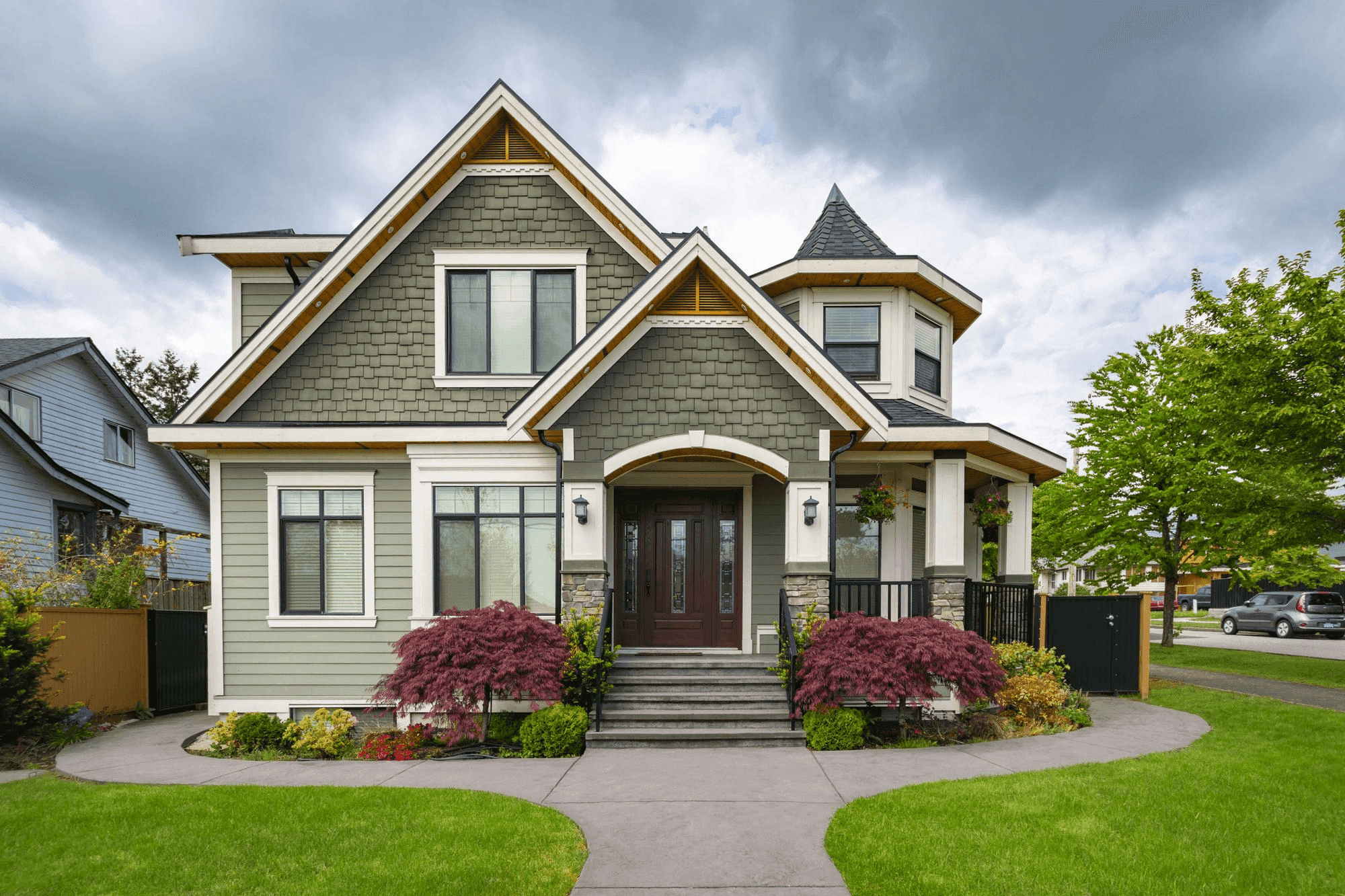
Market Snapshot - Miami single family Homes (Early 2026)
Market Factor | Early 2026 Status | What It Means for Buyers |
|---|---|---|
| Market Type | Strategy-driven (not speculative) | Success depends on neighborhood selection and timing, not market-wide appreciation |
| Mortgage Rate Outlook | 5.5%–5.75% expected in H1 2026 | Slightly improved affordability may increase buyer and seller activity |
| Inventory Conditions | Constrained | Limited listings support prices, especially in established neighborhoods |
| Lock-In Effect | Elevated | Many owners hold low legacy rates, reducing resale supply |
| Buyer Competition | Uneven by zip code | Multiple offers persist in high-demand areas; others remain balanced |
| Price Behavior | Fragmented | Select neighborhoods see bidding wars, while others stabilize |
| Transaction Dynamics | Opportunity-driven | Prepared buyers gain advantage in less competitive submarkets |
How reAlpha Simplifies the Buying Process
reAlpha’s Homebuying Hub centralizes your search, financing, and closing workflow in one place.
Your homebuying team operates within the same system, reducing back-and-forth and improving coordination through closing.
This integrated structure helps prevent delays that typically occur between contract, underwriting, and final closing.
Why Demand Persists
1. Demographic Realignment and Wealth Migration
Since 2021, Miami has transitioned from a retirement-heavy market into a destination for buyers seeking larger homes and long-term ownership and remote or hybrid professionals relocating from high-tax states such as New York, New Jersey and California. These buyers are typically well-capitalized and long-term oriented, prioritizing space, privacy, and livability over short-term pricing swings.
2. Structurally Limited Inventory
Single family supply remains tight in landlocked, built-out neighborhoods where new development is effectively capped. In higher-end submarkets such as Coconut Grove and Coral Gables, a meaningful share of transactions occur off-market, reinforcing scarcity-driven pricing and rewarding buyer readiness over negotiation leverage.
3. Family-Oriented Demand Anchors
Demand is concentrated in neighborhoods offering predictable long-term fundamentals-school quality, safety, and neighborhood stability.
- Pinecrest commands premiums for lot size and consistently strong public schools.
- Coral Gables attracts buyers seeking architectural character and walkable pockets.
- Coconut Grove appeals to those prioritizing community scale and waterfront access.
- Kendall provides a more accessible price point for space-driven family buyers.
4. Tax Structure and Policy Signals
Florida’s tax framework continues to support demand. The Homestead Exemption and Save Our Homes assessment cap lower long-term ownership costs, while ongoing legislative discussions regarding property tax policy have drawn attention from some buyers. However, no changes are guaranteed, and buyers should base decisions on current tax laws rather than potential policy proposals, even ahead of formal policy outcomes.
5. Infrastructure and Flood Mitigation Investment
Buyer confidence is further supported by state-led infrastructure investment. Since 2021, the Resilient Florida Program has allocated approximately $1.8 billion toward flood mitigation, drainage, and coastal protection. In Miami-Dade County, large-scale basin resiliency and localized stormwater projects remain central to maintaining long-term viability in residential areas.
Local Demand Index: High
Despite higher borrowing costs and insurance complexity, demand remains resilient in neighborhoods with proven liquidity. For buyers looking to Buy a Single Family House in Miami, success increasingly depends on zip-code-level analysis, preparedness, and acting decisively when inventory aligns-because market conditions can shift quickly depending on inventory levels, buyer demand, and financing availability.
When you buy through reAlpha, your agent, lender, and transaction process are coordinated within one platform.
When you bundle both your agent and mortgage through reAlpha, you may be eligible for up to 1.5% cash back at closing, with an average benefit of $10,000.
Eligibility depends on transaction details and lender participation.
Buying a Home? Get up to 1.5% Cash Back at Closing
Get pre-approved first, then start exploring homes knowing you can receive up to 1.5% of the home price back at closing.

Best Zip Codes for single family House in Miami, FL (2026)
In early 2026, choosing the right zip code for a single family home in Miami means operating in a strategy market, not a fast-moving speculative one. Demand is strongest in areas with good schools, solid infrastructure, and long-term flood protection. Because many established suburbs are landlocked, inventory stays limited, and the best homes often sell off-market through broker relationships instead of public listing sites. For buyers planning to Buy a Single Family House in Miami, zip-code selection has become one of the most important success factors-often outweighing short-term pricing or interest-rate timing.
Best Zip Codes for Schools and Space
For buyers who prioritize education, privacy, and lot size, these areas continue to lead:
- Pinecrest (33156): One of the most reliable family markets in Miami. Homes typically sit on large lots-often half an acre or more-and the area is known for some of the county’s strongest public schools. Demand here is steady, not speculative.
- Coral Gables (33134, 33146): Known for historic architecture, tree-lined streets, and walkable areas like Miracle Mile. Buyers value its stability, central location, and consistent resale demand.
- Coconut Grove (33133): Offers a village-style feel with mature trees, parks, and waterfront access. It appeals to buyers who want community character along with long-term value.
Value-Oriented and Practical Areas
For buyers balancing location and price, these zip codes offer strong alternatives:
- Kendall (33173, 33176, 33186): A practical choice for families seeking mid-priced homes, newer construction, and suburban amenities. Commutes are longer, but space and value are better.
- Shenandoah (33145) & Silver Bluff (33133): Popular with buyers who want to stay close to Brickell and Coconut Grove without paying premium prices. Shenandoah is especially known for older homes with renovation potential.
- Palmetto Bay (33157, 33158): A quieter, family-focused area often chosen for long-term ownership rather than short-term appreciation.
Why Infrastructure Matters in 2026
Buyers are paying more attention to flood protection and drainage upgrades. Areas receiving funding through the Resilient Florida Program are seen as safer long-term bets:
- Key Biscayne (33149): Supported by major stormwater pump station and outfall improvements.
- Little Havana (33135): Receiving flood-mitigation upgrades tied to major public facilities.
- Biscayne Gardens (33161): Benefiting from pump station and drainage improvements.
- North Miami-Dade (33179, 33181): Large-scale basin projects are reducing flood risk in inland residential areas.
Financing and Tax Timing
Mortgage rates in early 2026 are fluctuating based on broader economic conditions. Future rate movements and price trends are uncertain and may change quickly. Buyers should evaluate affordability based on current market conditions rather than projected forecasts. Many buyers are moving forward now with the mindset that rates can be refinanced later. For those looking to Buy a Single Family House in Miami, securing the right zip code while inventory remains constrained is often more important than waiting for marginal rate improvements.
Neighborhood Comparison
Neighborhood/ Zip Code | Typical Price Range (SFH) | Lot Size & Space | Schools | Commute & Access | Buyer Fit | Market Reality |
|---|---|---|---|---|---|---|
| Coral Gables / 33146 | $1.2M - $1.5M | 7,000-10,000 sq ft lots, 3-5 beds | 9/10 GreatSchools (Coral Gables Senior High) | 15-30 min to Brickell via US-1/Metrorail | Families seeking elegance & walkability | Stable demand, +60% 5-yr appreciation |
| Pinecrest / 33156 | $1.1M - $2M+ | 1+ acre lots, pools/yards | 9/10 (Palmetto High) | 30-40 min to downtown | Privacy-focused families | High resale value, suburban premium |
| Coconut Grove / 33133 | $1.5M - $5M | 0.16-0.5 acres, waterfront options | 8/10 (Coconut Grove Elem) | 10-20 min walkable to services | Walkable village lifestyle | +58% 5-yr growth, diverse inventory |
| Key Biscayne / 33149 | $2M - $7M+ | 7,000+ sq ft, beach access | 8/10 (MAST Academy) | 15+ min causeway to mainland | Security-seeking families | Reported lower crime rates compared to some Miami neighborhoods (buyers should verify current crime statistics through official local sources) |
| Palmetto Bay / 33157 | $800K - $1.3M | Large yards/pools, suburban | Good county ratings | 25-35 min to Brickell | Budget suburban families | Affordable entry, steady demand |
Still deciding which Miami neighborhood fits your lifestyle?
Explore a deeper breakdown of safety, schools, commute times, and long-term livability across Miami’s top areas.
Best Neighborhoods to Live in Miami, FL
Neighborhood Comparisons: Where the Value Really Is
In Miami’s 2026 housing market, value is no longer just about buying the most expensive home or the best view. It’s increasingly tied to how connected a neighborhood is-to schools, transportation, jobs, and infrastructure. Areas that combine these factors are holding value better than places driven mainly by prestige or lifestyle branding. For buyers planning to Buy a Single Family House in Miami, understanding how neighborhood fundamentals translate into long-term value is far more important than chasing prestige or short-term perception.
Where Buyers Tend to Overpay
Overpaying usually happens when decisions are based on emotion or reputation rather than numbers.
- Paying for “character”: Coconut Grove attracts buyers who value atmosphere and charm, but prices are often higher than comparable homes in areas with better schools and more space.
- Ignoring school costs: In Brickell, weaker public schools mean many families pay for private education, which can erase the benefits of living close to work.
- Luxury oversupply: In Pinecrest, high-end new construction has outpaced demand. Buyers in the $6M–$10M range often have leverage, but many sellers are still pricing homes as if bidding wars never ended.
- Underestimating HOA fees: Condo buyers frequently overlook how monthly fees add up. In some Brickell buildings, long-term HOA costs can exceed the original down payment.
Considering a condo instead of a single family home?
In some Miami neighborhoods, condos offer better pricing, shorter commutes, and stronger rental flexibility.
See the Best Places to Buy Condos in Miami
Where Patience Pays Off
The 2026 market favors buyers who think long-term instead of chasing quick wins.
- Infrastructure-driven growth: Allapattah continues to benefit from transit investment, including the Brightline station, but full transformation will take time.
- Early-stage redevelopment: Little River is still developing. Buyers entering now may need to wait several years for the area to fully mature.
- Buying before rates fall: Many buyers are purchasing now despite higher mortgage rates, planning to refinance later rather than compete after prices rise again.
- Negotiating in Pinecrest: With luxury inventory sitting longer, patient buyers can often secure better pricing than during the peak market years.
Speed vs. Strategy: How to Decide in Miami (2026)
Decision Lens | Neighborhood Examples | Buyer Action | Why It Matters |
|---|---|---|---|
| Move Fast (Momentum Plays) | Grapeland Heights | Act quickly and submit competitive offers | Sudden demand spikes tied to major development (e.g., Miami Freedom Park) reduce negotiation room |
| Plan Carefully (Stability Plays) | Coral Gables, Key Biscayne | Model long-term ownership costs and resale strength | Pricing is supported by schools, taxes, and supply limits rather than short-term momentum |
| Time vs. Money Tradeoff | Brickell | Decide if higher prices justify commute savings | Reduced commute time can offset higher housing costs for high earners |
| Due Diligence Required | Older condo buildings citywide | Review reserves, inspections, and HOA history | New regulations increase the risk of special assessments and rising monthly fees |
Bottom Line: In Miami, value in 2026 comes from connectivity, schools, and infrastructure-not just prestige. Buyers who understand where fundamentals support pricing tend to avoid overpaying and make stronger long-term decisions.
Schools & Education Considerations Miami, FL 2026
In Miami, schools play a major role in home values, especially for families buying for the long term. The strongest neighborhoods are not just those with good schools, but those where school quality, safety, and everyday livability come together. For families planning to Buy a Single Family House in Miami, school quality has become one of the most reliable indicators of long-term value, resale demand, and neighborhood stability.
How this shows up across Miami in 2026:
- Good school value is often found outside the urban core. Areas like Kendall, Palmetto Bay, and parts of South Miami offer reliable public schools and larger homes at more reasonable prices. These neighborhoods attract families who want solid education without paying top-of-market prices.
- Top-performing school zones cost more-but demand stays strong. Pinecrest remains the most school-driven market in Miami, with highly rated public schools and large lots. Coral Gables also commands higher prices due to school performance, established infrastructure, and consistent buyer demand. Buyers should independently review crime data and neighborhood statistics when evaluating safety. Buyers here pay more upfront, but resale demand remains consistent.
- Some neighborhoods combine schools with walkability and lifestyle. Coconut Grove stands out for offering good schools in a walkable, community-focused setting. Prices are higher, but families value safety, convenience, and neighborhood feel.
- Private and alternative schools add flexibility. Miami has many private, charter, and magnet schools. This gives families more options and helps keep demand spread across several neighborhoods instead of relying on one district.
Bottom-line insight:
In 2026, the best school-based home purchases in Miami are in neighborhoods where education, safety, and livability align. These areas often maintain consistent buyer demand due to school access and neighborhood infrastructure. However, future market performance depends on broader economic and housing conditions.
Commute & Transportation Reality in Miami, FL
Miami’s transportation system is changing. By 2026, how close you are to transit and jobs matters more than views or prestige. High-speed rail, expanded transit lines, and denser development mean buyers are placing more value on shorter commutes and easier daily movement. For buyers planning to Buy a Single Family House in Miami, commute efficiency has become a hidden cost factor that directly affects both daily quality of life and long-term home value.
1. Commute, Cost, and Daily Life
In Miami, time spent in traffic has real value-especially for working professionals.
- Brickell (Live–Work): Living close to work can eliminate up to 50 hours of commuting each month. For high earners, this saved time can easily justify higher housing costs.
- Edgewater: About an 8-minute drive to Brickell, offering near-downtown access at lower prices and with fewer crowds.
- Coral Gables: Around 15 minutes off-peak, but 25–30 minutes during rush hour. A common compromise between location and livability.
- Pinecrest: Larger lots and quieter streets, but 30–40 minute commutes and full car dependency.
- Hialeah: More affordable housing, but 35–45 minute commutes, adding hundreds of hours in traffic each year.
2. Transit Growth Is Reshaping Value
Miami is building around transit, not just roads.
- Brightline & MiamiCentral: Downtown Miami is becoming more valuable due to fast rail connections and large mixed-use projects nearby.
- Dolphin Station (West Miami-Dade): New transit hubs are making western suburbs more practical for professionals who want better prices without being isolated.
- Metrorail & The Underline: Areas like Coconut Grove and Douglas Road now combine rail access, parks, housing, and shopping in one walkable corridor.
- Tri-Rail Expansion: Planned transit expansions may influence neighborhood development patterns over time. Buyers should evaluate current pricing and long-term infrastructure plans before making decisions.
3. New Transit Corridors Are Changing the Map
Improved transportation is making once-distant areas feel closer.
- South Dade TransitWay: A large electric bus system is improving access from Cutler Bay and Homestead, helping keep housing affordable.
- Ride-share costs: Uber and Lyft remain relatively affordable in Florida, helping fill gaps where transit is limited.
- Walkability vs. Safety: Areas like Brickell are very walkable but busier, while places like Pinecrest are quieter and safer but require driving everywhere.
Bottom-Line Insight
In Miami, commute time is a major part of housing costeven if it doesn’t show up on a listing. Buyers in 2026 should test real rush-hour travel, not ideal conditions. For those looking to Buy a Single Family House in Miami, neighborhoods with strong transit access and employment proximity often maintain steady buyer interest. However, property values can fluctuate based on broader market conditions.
Practical Strategy Tips for Experienced Buyers
The 2026 Miami market rewards buyers who focus on structure, leverage, and long-term cost control, rather than rushing to win bids. For experienced buyers planning to Buy a Single Family House in Miami, these strategies help reduce risk, improve leverage, and protect long-term returns in a more balanced market.
- Slow the process down: A more balanced market favors patience, strong due diligence, and selective offers over speed.
- Target stale listings: Homes that have been sitting on the market often signal pricing flexibility and better negotiating power.
- Negotiate credits, not repairs: Cash credits reduce closing risk and give buyers more control than seller-handled repairs.
- Use inventory imbalances: Certain segments-especially higher-priced homes and condos-offer leverage where supply exceeds demand.
- Treat insurance as a filter: Review roof age, flood exposure, and prior claims early to avoid last-minute cost surprises.
- Buy with tax awareness: Homestead eligibility and local tax structure can materially affect long-term ownership costs.
Conclusion: How to Choose the Right single family House in Miami, FL
Buying a single family house in Miami in 2026 is no longer about moving fast-it’s about buying smart. For buyers looking to Buy a Single Family House in Miami, 2026 is no longer about moving fast-it’s about buying smart. With the market more balanced and inventory uneven by price and zip code, success now comes from choosing the right neighborhood ecosystem, not just the right house.
Buyers are prioritizing long-term demand drivers such as school quality, commute efficiency, insurance exposure, and tax structure-factors that consistently define the best areas for single family homes in Miami over cosmetic upgrades or short-term hype. Established neighborhoods reward durability and resale confidence, emerging areas offer future upside for patient buyers, and family-focused suburbs continue to deliver value when schools and livability are weighed alongside price.
FAQs
1. Is 2026 a good time to buy a single family house in Miami?
Market conditions in 2026 reflect more balanced inventory compared to recent years. Whether it is the right time to buy depends on a buyer’s financial readiness, long-term plans, and risk tolerance.
2. Why are single family homes in Miami still in high demand?
Demand remains strong due to limited inventory in established neighborhoods, continued migration of families and professionals, tax benefits for homeowners, and ongoing infrastructure and flood-mitigation investment.
3. Which Miami neighborhoods are best for families in 2026?
Areas like Pinecrest, Coral Gables, Coconut Grove, Kendall, and Palmetto Bay are popular with families due to school quality, safety, lot size, and long-term resale stability.
4. How important are schools when buying a home in Miami?
Schools are one of the biggest drivers of home values in Miami. Neighborhoods with strong public schools tend to hold value better and attract consistent buyer demand, even when the market slows.
5. What should buyers focus on instead of just home price in 2026?
Buyers should look beyond price and evaluate neighborhood quality, insurance and flood risk, commute times, school zones, and long-term tax impact to avoid overpaying and protect future value.
Get the latest market trends, homebuying tips, and insider updates—straight to your inbox. No fluff, just the good stuff.
Article by
As a great communicator with excellent negotiation skills, I focus more on establishing unbreakable ties between my clients, as opposed to just helping them achieve their real estate dreams. As a representative of both buyers and sellers, I understand how to lead a transaction process to ensure that the needs of both are met. My track record speaks for itself. Since I ventured into the industry in 2013 as a realtor, I have not only helped many buyers land perfect homes, but I have also assisted tons of owners and investors build wealth.