How to Buy a Single Family House in Orlando, FL 2026
March 30, 2026
12 minutes
Buying a single family house in Orlando in 2026 is very different from just a few years ago for anyone planning to buy a single family house in Orlando strategically. The fast-paced, competitive market has cooled, creating an Orlando buyer’s market with more time, more choice, and more negotiating power.
Orlando is still growing, with steady job creation and new infrastructure, but the post-2024 market reset means price alone no longer tells the full story. Factors like neighbourhood quality, school zones, insurance costs, flood risk, and commute efficiency now play a much bigger role in determining real value.
This guide explains how to buy a single family house in Orlando in 2026 with confidence. It covers where demand remains strong, where buyers have leverage, and how to avoid costly mistakes-helping you focus on long-term value rather than short-term pressure.
Why Single Family Houses in Orlando, FL Are in Demand in 2026
Orlando’s Single Family demand in 2026 is supported by fundamentals, not hype-an important signal for buyers looking to buy a single family house in Orlando.
Market Snapshot (Single Family Homes)
For buyers evaluating whether 2026 is the right time to buy a single family house in Orlando, these metrics reveal an Orlando real estate market that is no longer rushed-and increasingly negotiable.
Bundle your agent and mortgage. Save an average of $10,000.
Don't have an agent yet? Pair your reAlpha mortgage with a reAlpha agent, and you could get up to 1.5% cash back at closing.
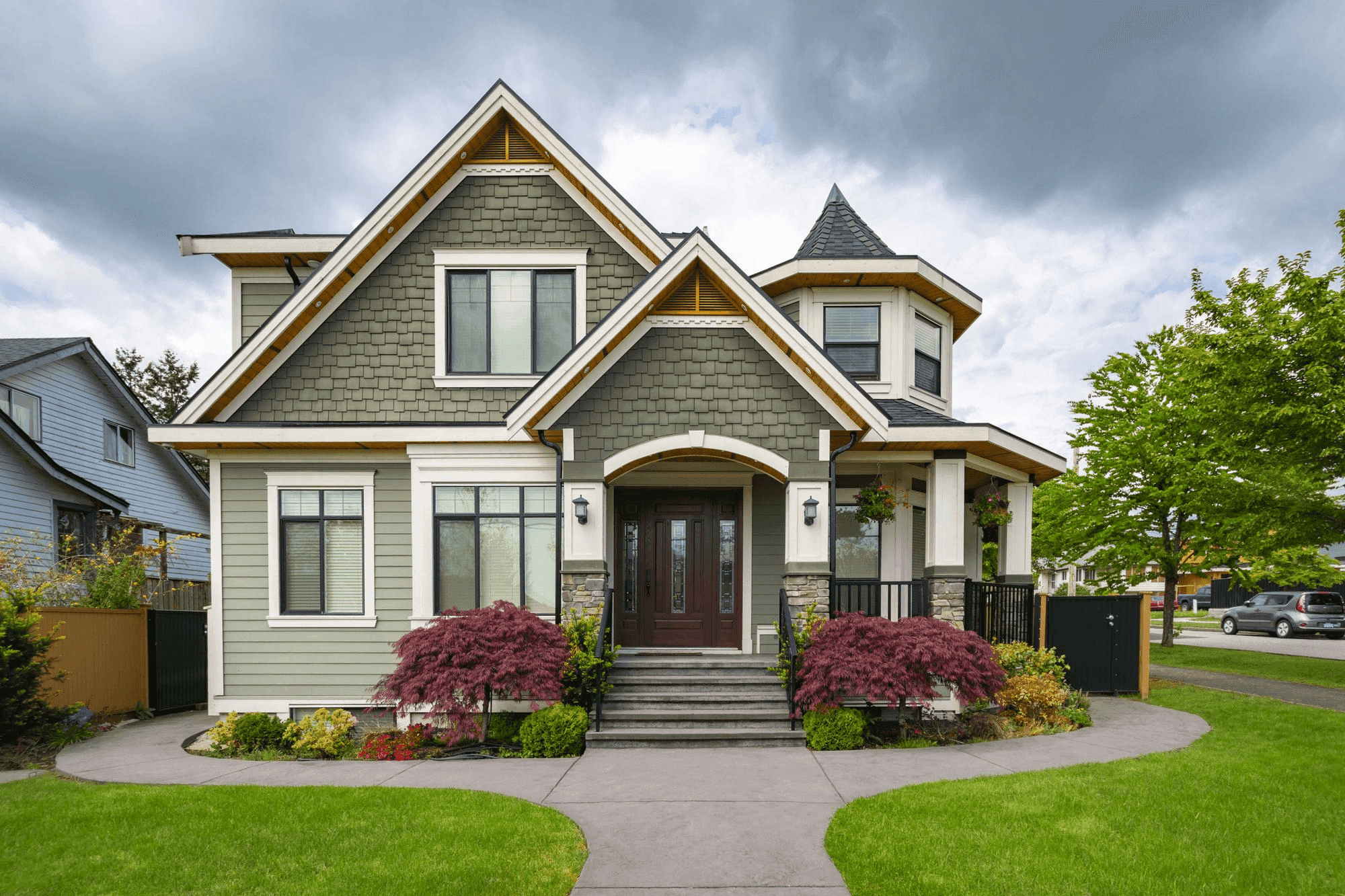
Market Snapshot: Single Family Homes - Orlando (Late 2025-Early 2026)
Market Indicator | 2025-Early 2026 Data | What It Signals for Buyers |
|---|---|---|
| Median Single Family Home Price | $415,000 | Detached homes continue to command a premium over the broader market, reflecting sustained demand for space and privacy. |
| Overall Market Median (All Home Types) | $385,000 | Confirms a clear pricing gap between Single Family homes and attached alternatives. |
| Inventory (Months of Supply) | 5.22 months | Near-balanced conditions, a major shift from the extreme seller leverage seen in 2021-2022. |
| Average Days on Market | 73 days (up from 58 in 2024) | Buyers have more time for inspections, financing, and negotiation without immediate pressure. |
| Homes Selling Above List Price | 9.1% | Bidding wars are now the exception, not the norm. |
| Listings with Price Reductions | 30% | Indicates growing seller flexibility and expanding buyer leverage. |
Core Demand Drivers
Orlando’s long-term housing demand is supported by a combination of sustained population inflows, a diversifying employment base, tax-driven migration, and continued infrastructure investment. These factors collectively reinforce housing demand beyond short-term market cycles.
Core Demand Driver | Key Signal | Impact on Housing Demand |
|---|---|---|
| Population Growth | 1,500 new residents per week | Steady household formation and absorption |
| Employment Expansion | Job growth beyond tourism | More stable, higher-income buyer base |
| Tax Advantages | No state income or estate tax | Inbound migration from high-tax states |
| Infrastructure Investment | Brightline rail + future expansion | Expanded regional accessibility |
Buyer Demand Profile (2026)
In 2026, buyer demand in Orlando is concentrated across a few clearly defined segments, shaping how different households approach the decision to buy a single family house in Orlando. Family buyers continue to prioritize A-rated school districts, parks, and planned communities, driving demand in areas such as Oviedo, Dr. Phillips, Winter Garden, Baldwin Park, and Celebration.
- Career-Driven Professionals: Lake Nona and Medical City attract buyers seeking proximity to healthcare, tech jobs, and newer housing stock.
- First-Time & Entry-Level Buyers: Activity is supported by down payment assistance, including Orlando grants up to $45,000 and the Florida Hometown Heroes program.
- Luxury Buyers ($1M+): High-end demand holds steady in Winter Park and gated communities, driven by lifestyle appeal despite insurance cost pressures.
- HOA-Conscious Buyers: New 2025-2026 HOA transparency rules have increased confidence in master-planned and amenity-rich communities.
Buying a Home? Get up to 1.5% Cash Back at Closing
Get pre-approved first, then start exploring homes knowing you can receive up to 1.5% of the home price back at closing.
Best Zip Codes for Single Family Homes in Orlando, FL (2026)
In 2026, the Orlando housing market has clearly shifted toward buyer-favourable conditions, improving leverage for those planning to buy a single family house in Orlando, helping buyers more clearly identify the best neighborhoods for single family homes in Orlando based on value, livability, and resale strength.
Top Zip Codes to Watch
Experienced buyers and local agents tend to narrow their search to a short list of zip codes where resale liquidity and buyer depth remain strong when they buy a single family house in Orlando.
- 32804 (College Park): Appeals to buyers who value urban adjacency without downtown density, making it a consistent performer during both up and down cycles.
- 32828 (Avalon Park & Waterford Lakes): Draws long-term owner-occupants seeking predictable neighbourhood planning and community cohesion in East Orlando.
- 32801 & 32803 (Downtown & Thornton Park): Favoured by buyers prioritising walk-to-lifestyle convenience and access to employment, dining, and cultural nodes.
Family-Centric Neighbourhoods
Family demand in 2026 continues to cluster around areas that offer complete “living ecosystems” rather than just strong schools.
- Baldwin Park: Chosen for its walkability, park integration, and resale stability, particularly among move-up buyers.
- Oviedo: Attracts value-driven families who want space, school consistency, and outdoor access without paying core-city premiums.
- Dr Phillips: Preferred by buyers seeking established housing stock, amenity density, and proximity to major employment corridors.
- Celebration: Appeals to buyers prioritising safety, governance, and long-term community planning, even with stricter HOA oversight.
High-Growth & New-Construction Corridors
For buyers focused on modern layouts and future infrastructure alignment, growth nodes remain a key draw.
- Lake Nona: Functions as a future-proofed employment and lifestyle hub, attracting professionals tied to healthcare, research, and technology sectors.
- Horizon West / Winter Garden: Continues to absorb demand from buyers seeking new construction with long-term upside, though timing purchases carefully matters as development expands.
Buyer Strategy for 2026
The current Orlando buyer’s market rewards discipline and selectivity for those preparing to buy a single family house in Orlando.
Negotiation leverage is strongest on listings with extended market time, especially for buyers aiming to buy a single family house in Orlando below peak pricing. In new-build corridors, competitive pressure among builders creates opportunities to secure financing concessions rather than headline price cuts. At the same time, buyers must underwrite deals conservatively by stress-testing insurance availability and total carrying costs before finalising any offer
The table below highlights the top-performing Orlando areas for single family house in 2026, evaluated across pricing, livability, schools, commute efficiency, and long-term risk.
Best Areas for Single Family Homes in Orlando (2026)
Neighborhood / Zip Code | Median Price | Typical Home Size | Schools (Graduation Rate) | Commute | Lifestyle | Appreciation & Risk |
|---|---|---|---|---|---|---|
| Baldwin Park (32814) | $426,000 | Large Single Family bungalows | 96% | Minutes to Downtown | Walkable, parks, New Urbanist design | 34% appreciation; Risk: high $/sq. ft. |
| Celebration (34747) | $475,600 | Mixed architectural styles | 98% | Near Disney | Planned “small-town” feel; very safe | 16% appreciation; Risk: strict HOA controls |
| College Park (32804) | $355,638 | 1920s-1950s bungalows | 96% | 5 min to Downtown | Urban walkability; boutique retail | 12% appreciation; Risk: older infrastructure |
| Oviedo (32765) | $315,200 | Modern & tropical-style homes | 92% | 20 min to Downtown | Strong family value; outdoor access | 24% appreciation; Risk: car-dependent |
| Winter Garden (34787) | $323,800 | Neo-colonial & contemporary | 87% | 20 min to Disney | Historic downtown; brick streets | 27% appreciation; Risk: growth-driven congestion |
| Lake Nona (32827) | $600K-$800K | Newer, tech-enabled builds | 100% | Near airport & Brightline | Medical City; future-forward planning | Strong demand; Risk: high entry cost |
| Avalon Park (32828) | $475K-$700K | 1,200-1,800 sq. ft. homes | Top-rated | East Orlando access | Master-planned, community-driven | Stable demand; Risk: distance from core |
Market Dynamics & Key Risks
- Demand Concentration: Entry-level Single Family homes priced between $300K-$450K remain the most competitive for buyers trying to buy a single family house in Orlando typically selling within 73-76 days.
- Appreciation Outlook: Current trends suggest a more balanced market in 2026. However, home values can fluctuate based on local inventory, interest rates, and broader economic conditions. Buyers should evaluate neighborhoods based on long-term suitability rather than relying on projected appreciation.
- Insurance Exposure: Florida’s insurance market remains volatile, with potential annual premiums reaching $15,460. 4-point and wind mitigation inspections are often required to secure coverage.
- HOA Oversight: New 2025-2026 HOA disclosure rules-including online records and annual budgets-have reduced transparency-related risk for buyers.
- Tax Strategy: Buyers should claim Florida’s Homestead Exemption, which can reduce taxable value by up to $50,000.
Neighborhood Comparisons in Orlando, FL: Where the Value Really Is
The Orlando housing market in 2026 has stabilized, easing bidding wars and giving buyers their strongest negotiating leverage in over a decade when they buy a single family house in Orlando.
Where Value Actually Shows Up
In the current cycle, value is less about chasing the historic core and more about how and where buyers buy a single family house in Orlando. It favors suburban ecosystems that offer strong schools, amenities, and long-term stability without peak pricing. Several locations consistently stand out for buyers looking to maximise value without sacrificing livability:
- Oviedo (32765): Strong Seminole County schools paired with more attainable price points.
- Winter Garden (34787): A blend of historic character and newer housing, offering balance between charm and accessibility.
- College Park (32804): Walkable, close-in living for buyers who want urban proximity without downtown density.
For first-time buyers, the condo market remains a practical entry strategy, offering ownership at a lower cost than detached homes while providing a hedge against rising rents.
Avoiding Overpayment-and Where Patience Pays
Overpaying in 2026 is rarely about the asking price. It more often comes from misjudging long-term risk versus short-term inconvenience. Certain submarkets price in permanence and security, while others temporarily discount value due to supply or development friction.
Buyers most often overextend themselves in a few familiar situations:
- Premium “forever” neighbourhoods such as Winter Park and Baldwin Park, where pricing reflects demand durability rather than upside potential.
- Insurance-exposed homes with aging roofs or weak wind mitigation, where post-closing premiums can outweigh any negotiated savings.
- High-risk flood zones, where lower list prices are offset by higher ownership costs and constrained resale flexibility.
By contrast, leverage tends to appear where inconvenience is temporary and supply is elevated:
- Expanding growth corridors like Horizon West and parts of Winter Garden, where infrastructure is still catching up to development.
- Listings with extended market time, as properties sitting beyond 60 days increasingly invite concessions on price and terms.
- Builder-heavy submarkets such as Lake Nona, where competition has shifted negotiating power toward buyers through rate buydowns and closing cost incentives.
Key takeaway: Strong results in 2026 come from avoiding permanent cost risk while leaning into temporary market friction. Buyers who carefully distinguish between long-term cost risks and temporary market conditions may be better positioned to make informed purchasing decisions aligned with their financial goals.
Speed vs. Strategy by Price Tier (2026)
Speed vs. Strategy by Price Tier for buyers looking to buy a single family house in Orlando
Price Segment | Market Reality | Buyer Approach | Key Execution Tactic |
|---|---|---|---|
| Under $300,000 | Limited supply; multiple-offer risk remains | Move fast | Pre-approval ready; act decisively on well-priced listings |
| $300,000 - $480,000 | Improving inventory; selective competition | Balanced speed + selectivity | Focus on school zones, commute efficiency, and resale depth |
| $480,000 - $800,000 | Higher supply; leverage has shifted to buyers | Strategy over speed | Target complete “family systems” over cosmetic upgrades |
| All Price Tiers | Repairs and HOA risk impact long-term cost | Risk-managed execution | Negotiate seller credits, not repairs; vet HOA budgets and reserves |
Schools & Education Considerations in Orlando, FL 2026
In Orlando, school-driven value comes from buying into a family ecosystem, not just a well-built house. The strongest neighborhoods are those where school quality, safety, and community amenities overlap at price points that still allow for long-term appreciation.
How this plays out across Orlando in 2026:
- Value-oriented school ecosystems tend to appear just outside the urban core. Areas like Oviedo (served by Seminole County Public Schools), Winter Garden, College Park, and Conway offer solid graduation outcomes and family infrastructure at more accessible entry prices. These neighborhoods appeal to buyers prioritizing education without paying a premium for master-planned branding.
- Neighborhoods associated with highly rated schools often command higher price points. Buyers are encouraged to independently review school performance data, district boundaries, and available programs to determine what best fits their household needs. Lake Nona stands out for near-perfect graduation rates and tech-integrated learning, supported by partnerships with Valencia College. Baldwin Park, Celebration, and Winter Park consistently post graduation rates in the mid-to-high 90s, with Winter Park also distinguished by strong IB and arts programs.
- Specialized and higher-education signals further reinforce demand. Charter and STEM-focused options like Orlando Science High School attract academically driven households, while the presence of University of Central Florida and Rollins College strengthens Orlando’s long-term employment pipeline. County-level planning policies may influence school capacity and development patterns. Buyers should verify current school zoning, capacity, and district updates directly with the appropriate school district.
Bottom-line insight:
For buyers in 2026, the smartest school-based purchases in Orlando are found where education quality is reinforced by livability and controlled growth. These neighborhoods often maintain steady demand due to a combination of location, amenities, and school access. However, future market performance depends on broader economic and housing conditions.
Commute & Transportation Reality in Orlando, FL
Commute Patterns Buyers Actually Experience
Orlando commuting outcomes are less about distance and more about which side of congestion a buyer lands on.
1. I-4 Reality Check: Interstate 4 remains the region’s main artery and its biggest pain point. Congestion is so routine that locals often refer to it as “the parking lot.”
2. Ongoing Fixes, Limited Relief: Lane expansions and new express lanes are underway to address what transportation agencies have labeled one of the most congested highway segments in the U.S., but near-term relief remains uneven.
3. Proximity Still Wins: Buyers optimizing for commute times consistently target:
- College Park (32804): Roughly five minutes from Downtown Orlando.
- Baldwin Park: A master-planned community just minutes from the urban core.
- Lake Nona: About five minutes from Orlando International Airport and the Brightline station.
- Suburban Tradeoffs: Oviedo averages 20 minutes to Downtown, while Winter Garden sits about 20 minutes from Disney employment hubs.
Transportation Ecosystems in 2026
Orlando gets you moving, but how well depends on where you live and what you rely on.
Key Points:
- High-Speed Rail: Brightline links Orlando to Miami in about 3.5 hours, with a proposed Tampa extension, though financial stability remains a concern.
- Tech-Forward Mobility: Lake Nona serves as a testing ground for autonomous shuttles, mainly within its Medical City area.
- Walkability Premiums: Winter Park and College Park command strong demand for daily walkability, while Winter Garden benefits from the 22-mile West Orange Trail.
Insight: Orlando’s transport story favors targeted convenience over citywide transformation, making neighborhood choice more important than ever.
Pricing and Location Tradeoffs Buyers Must Weigh
What matters:
In 2026 Orlando, total ownership cost is shaped by location, taxes, and insurance, not just the purchase price.
What to check:
- Location vs. size: Areas like Winter Park cost more per square foot, but resale strength often beats extra space.
- Tax jurisdiction: Dr. Phillips and Hunter’s Creek avoid Orlando city property taxes while keeping an Orlando address.
- Insurance exposure: Florida’s insurance market remains volatile, and premiums can vary significantly depending on roof age, wind mitigation features, flood zone designation, and carrier availability. Buyers should obtain property-specific insurance quotes early in the process to accurately assess total ownership costs.
- Value pockets: Oviedo ($315,200) and Winter Garden ($323,800) price below Baldwin Park ($426,000) and Celebration ($475,600).
- Condos: Entry options start in the mid-$100,000s, offset by HOA costs.
Insight: In Orlando, commute efficiency, tax status, and insurance costs can rival price in impact. Buyers who assess these first avoid long-term costs that the listing price doesn’t show.
Practical Strategy Tips for Experienced Buyers
The 2026 market favors buyers who prioritize leverage, structure, and long-term cost control over speed when they buy a single family house in Orlando.
- Slow the process down: A normalized market rewards patience and selective offers.
- Target stale listings: Homes that linger tend to open the door to better terms.
- Negotiate credits, not repairs: Cash credits give you control and reduce closing risk.
- Leverage builder competition: Use oversupply in growth areas to secure stronger incentives.
- Treat insurance as a filter: Vet major systems early to avoid post-offer surprises.
- Buy with tax awareness: Neighborhood tax structure can materially affect long-term costs.
Conclusion: How to Choose the Right Single Family Home in Orlando, FL
Buying a Single Family house in Orlando in 2026 is no longer about acting fast-it’s about buying smart when you buy a single family house in Orlando. With the market stabilised and inventory giving buyers more leverage, success now comes from choosing the right location ecosystem, not just the right house.
Buyers are prioritising long-term demand drivers such as schools, commute efficiency, tax exposure, and insurance viability-factors that consistently define the best neighborhoods for single family homes in Orlando over cosmetic upgrades or hype. Established neighbourhoods reward durability, growth hubs offer future relevance, and family-oriented suburbs continue to deliver value when schools and community infrastructure are factored in.
In this environment, thorough inspections, insurance underwriting, and disciplined negotiation matter more than ever. Those who focus on total ownership cost, target stale listings, and negotiate credits instead of repairs are best positioned to secure value in Orlando’s 2026 housing market-without overpaying or overextending.
FAQs
1. Is 2026 a good time to buy a Single Family home in Orlando?
Market conditions in 2026 reflect improved inventory levels and more balanced negotiation dynamics. Whether it is the right time to buy depends on an individual buyer’s financial readiness, long-term plans, and risk tolerance.
2. Does location matter more than the home itself in Orlando?
In most cases, yes. Neighborhood factors like schools, commute access, and resale depth often matter more long term than cosmetic upgrades, as long as the home’s major systems are sound.
3. How important is insurance when buying a home in Orlando?
Very important. Roof age, wind mitigation, and flood exposure can heavily impact premiums and insurability, so these should be reviewed before making an offer.
Are newer communities better long-term housing choices than older neighborhoods?
Not necessarily. Newer areas may offer modern features and warranties but can carry higher HOA costs or ongoing development activity. Established neighborhoods may offer mature landscaping and resale history. Buyers should evaluate based on personal goals, budget, and long-term plans rather than assuming one category outperforms the other.
5. What negotiation tactics work best in the 2026 market?
Target listings with longer market time and focus on seller credits or incentives rather than just price cuts. Patience and disciplined offers tend to deliver better results.
Get the latest market trends, homebuying tips, and insider updates—straight to your inbox. No fluff, just the good stuff.
Article by
As a great communicator with excellent negotiation skills, I focus more on establishing unbreakable ties between my clients, as opposed to just helping them achieve their real estate dreams. As a representative of both buyers and sellers, I understand how to lead a transaction process to ensure that the needs of both are met. My track record speaks for itself. Since I ventured into the industry in 2013 as a realtor, I have not only helped many buyers land perfect homes, but I have also assisted tons of owners and investors build wealth.