How to Buy a Single Family House in San Jose, CA 2026
April 13, 2026
13 minutes
If you’re planning to buy a single family house in San Jose, 2026 offers a calmer but still highly competitive market compared to the peak frenzy years. Prices remain high, but slower appreciation and slightly longer days on market give prepared buyers more room to act strategically rather than emotionally.
For buyers looking to buy a single family house in San Jose, success in 2026 depends on financial readiness, smart neighborhood selection, and long-term planning. This guide breaks down current market conditions, key buying considerations, and common mistakes to help you make confident, well-informed decisions in one of the nation’s most supply-constrained housing markets.
Traditional homebuying separates agents, lenders, and closing across different systems, creating delays at critical decision points. reAlpha removes this fragmentation by aligning these steps within one platform, improving execution speed in competitive scenarios. and offer submission often determine outcomes. Based on 2025 transaction patterns, buyers with fully aligned financing and agent coordination consistently perform better in multiple-offer scenarios. A unified platform reduces these gaps and improves execution certainty
Single-Family Housing Market (2026): What to Know Before You Buy a Single Family House in San Jose, CA
As of early 2026, the single family housing market in San Jose remains one of the most competitive in the country, shaped by long-standing supply constraints, strong employment-driven demand, and limited opportunities for large-scale new construction. While price growth cooled slightly in 2025, the market continues to favor sellers due to persistent inventory shortages.
There are a limited number of active single family listings across San Jose, with home prices generally ranging from just over $1.1 million for older or smaller properties to $4 million or more for luxury homes in premium school districts and hillside neighborhoods.
Neighborhood highlights include:
San Jose neighborhoods such as Willow Glen, Cambrian Park, and Almaden Valley remain San Jose neighborhoods such as Willow Glen, Cambrian Park, and Almaden Valley have demonstrated long-term resale value correlated with school quality and neighborhood stability. with long-term resale value driven by school quality and neighborhood stability
- Established central neighborhoods: Offer character and proximity to jobs but often involve smaller lots, older housing stock, and renovation needs.
- East and North San Jose corridors: Provide comparatively lower entry prices, though buyers should closely evaluate block-level conditions, traffic patterns, and noise impacts.
San Jose continues to align with California’s state housing mandates through its Housing Element updates, with a focus on easing pressure without significantly altering single family neighborhoods.
Key initiatives include:
- Transit-oriented rezoning near major corridors and job centers
- Expanded allowances for ADUs and junior ADUs on single family lots
- Increased density incentives near future transportation and employment hubs
For buyers planning to buy a single family house in San Jose in 2026, financial considerations are substantial. Closing costs typically range from 2–4% of the purchase price, property taxes are capped near 1% of assessed value under Proposition 13, and homeowners insurance costs have risen due to wildfire risk and replacement-cost inflation. Financing strategy is critical, as higher home values magnify the impact of interest rates and down payment size.
By working with a reAlpha agent and financing through the platform, By working with both a reAlpha agent and financing through the platform, eligible buyers may receive an average of $10,000 in cash back at closing, depending on transaction details. , depending on transaction details
Bundle your agent and mortgage. Save an average of $10,000.
Don't have an agent yet? Pair your reAlpha mortgage with a reAlpha agent, and you could get up to 1.5% cash back at closing.
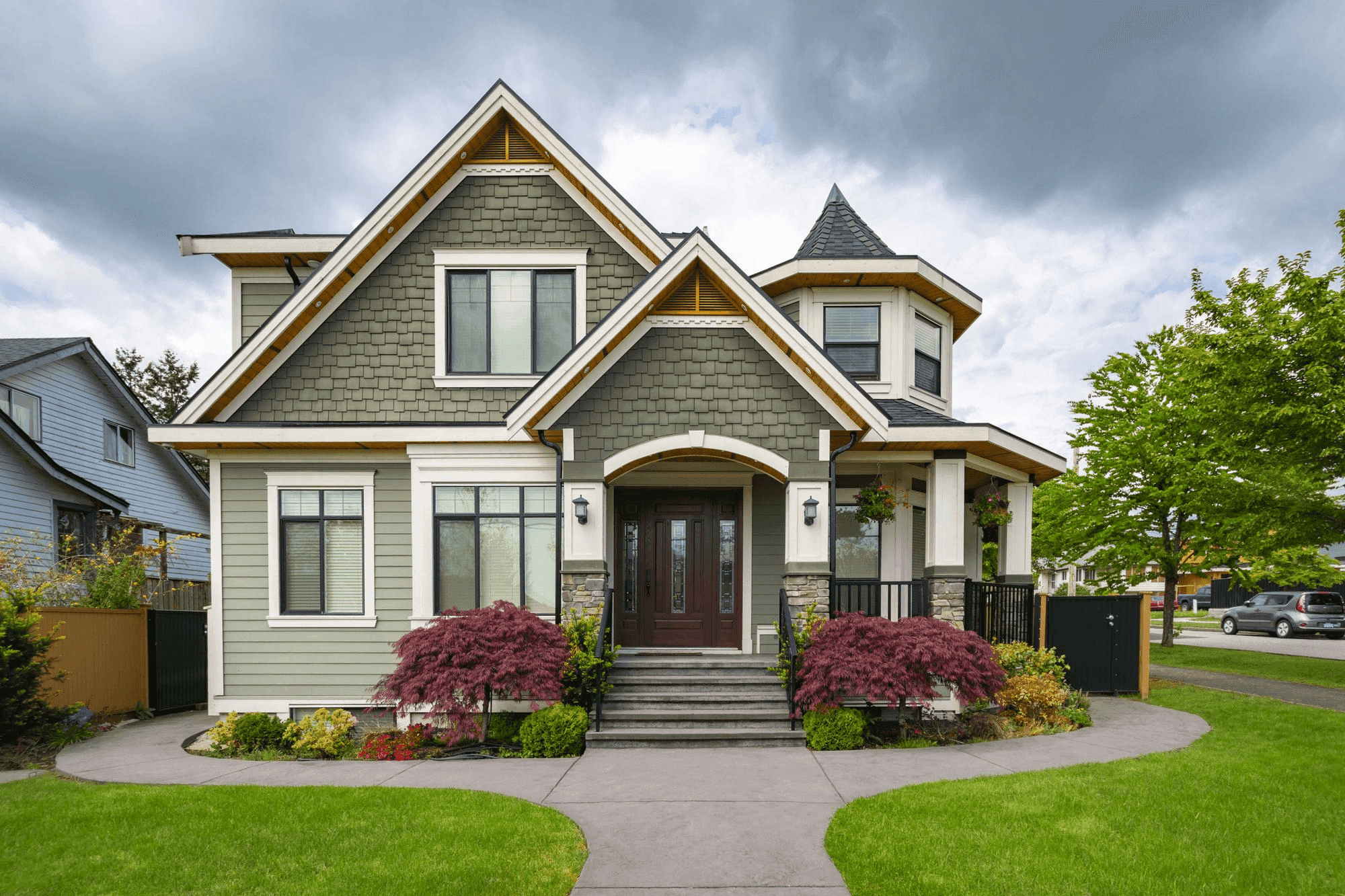
Median Home Prices & Market Direction
San Jose remains a premium, seller-leaning market, though price momentum has cooled compared to prior peak years.
Metric | San Jose | California Statewide |
|---|---|---|
| Average Home Value | $1.56M | $754K |
| Typical Listing Range | $1.1M – $4M+ | Varies by region |
| Market Heat Index | 54 | Neutral |
| Avg. Days on Market | 47 days | 38 days |
| Homes Selling Above List (2025) | 62% | N/A |
| Inventory vs Pre-Pandemic | ~27% lower | Mixed |
While home prices remain elevated, appreciation has shifted into a low-growth, stabilisation phase. Buyers who plan to hold for 7–10 years are best positioned to manage short-term fluctuations and capture long-term value driven by Silicon Valley’s employment base and limited housing supply.
Analogy: The San Jose housing market in 2026 is like a high-performance engine running at lower RPMs-still powerful and expensive, but no longer redlining the way it did during the peak frenzy years.
Inventory, Days on Market & Negotiation Power
For buyers looking to Buy a Single Family House in San Jose, the housing market in 2026 remains strongly seller-driven due to limited inventory and tech-backed demand. Buyer leverage exists, but only for those who understand timing and market velocity.
Across transactions observed in 2025–2026, properties in San Jose listed under 14 days required near-complete financing readiness to compete effectively. Buyers relying only on pre-approval frequently lost to offers backed by stronger underwriting and faster execution timelines. Coordinated workflows between financing and offer submission are increasingly critical in this environment.
Inventory and Market Pressure
Housing supply remains severely constrained for those aiming to Buy a Single Family House in San Jose, with inventory remains below pre-pandemic levels, contributing to ongoing supply constraints. The shortage is driven by the mortgage rate lock-in effect (many owners hold 3% loans), limited new continued demand from buyers employed in the regional technology and professional sectors. A significant share of homes continue to sell above asking price in competitive segments, based on recent market trends.
Days on Market and Leverage Points
Avg. Days on Market typically range between 10–50 days depending on pricing, location, and property condition. far faster than the California average. Buyer leverage typically appears only when a listing exceeds 20–30 days, at which point sellers may consider credits or minor price adjustments.
Negotiation Trends in 2026
For buyers planning to Buy a Single Family House in San Jose, negotiations are less about steep price cuts and more about deal certainty and strategic terms:
- Final prices often reach up to 8% above list, depending on timing and competition
- Full mortgage pre-approval or full underwriting is increasingly expected to compete with cash-like offers
- Seller concessions, when available, are more likely to appear as repair credits, closing-cost assistance, or flexibility on timelines rather than headline price reductions
- Agent commissions and city transfer taxes remain negotiable in certain transactions, particularly on listings that linger
Key Inventory & Leverage Metrics (2026)
Metric | San Jose |
|---|---|
| Housing Supply | 27% below pre-pandemic |
| Homes Selling Above List | 62% |
| Average Days on Market | 11 days |
| Buyer Leverage Window | 20–30+ days |
| Common Concessions | Repair credits, closing costs |
Market takeaway: In 2026, speed wins in San Jose. Well-priced homes sell fast, while patience only pays off on listings that sit longer than average.
How to Tell if San Jose Is Right for Buying a single family House
Determining whether San Jose is the right place to buy a single family house in 2026 comes down to balancing its high cost of entry with long-term economic stability, access to highly rated public school districts, and your ability to compete in a low-inventory, high-pressure market.
1. Affordability vs. Long-Term Stability
Those aiming to buy a single family house in San Jose must be financially prepared for premium pricing while committing to a long holding period to offset market volatility.
Affordability factors:
- Median single family home values around $1.5M–$1.6M, well above California’s $770K median
- Price-to-income ratios often 9× or higher, among the highest in the U.S.
- Property tax rate capped near 1% under Proposition 13, but reassessed at purchase
Buying a Home? Understand Your Full Buying Structure
When buyers use both a reAlpha agent and financing through the platform, eligible transactions may qualify for up to 1.5% cash back at closing, depending on structure and terms.
Buying a Home? Get up to 1.5% Cash Back at Closing
Get pre-approved first, then start exploring homes knowing you can receive up to 1.5% of the home price back at closing.

Stability indicators:
- Employment anchored by Silicon Valley’s global tech ecosystem
- Long-term housing undersupply driven by zoning and land constraints
- Persistent buyer demand even during economic slowdowns
Current market conditions reflect flattening price growth rather than decline, making San Jose more aligned with long-term ownership strategies due to market conditions, rather than those seeking short-term appreciation.
Key Metrics at a Glance
Metric | San Jose, CA (2026) | Context / Insight |
|---|---|---|
| Median Home Price | $1.5M–$1.6M | More than double CA median |
| Income-to-Price Ratio | 9×+ | Indicates affordability pressure |
| Property Tax Rate | 1.0% | Reset at purchase price |
| Year-over-Year Price Change | recent trends indicate a transition from slight decline to stabilisation, depending on market conditions. | Transitioning to stability |
| Inventory vs Pre-Pandemic | 27% lower | Structural supply shortage |
Bottom line: San Jose does not offer affordability in the traditional sense but has historically favored buyers with longer-term ownership horizons in one of the most supply-constrained markets in the country.
2. School District Considerations & Resale Impact
school district boundaries and ratings are factors that may influence property values and should be evaluated during due diligence, as this factor strongly influences long-term property values.
Neighborhoods frequently evaluated for school access:
- Almaden Valley: Widely regarded as the mix of schools, open space, and residential stability, combining safety, open space, and strong schools
- Evergreen: Known for public schools with A+ ratings and consistent academic performance
- Cambrian Park: Cambrian Park offers proximity to schools and a range of price points
School District Pricing Differences:
- Districts such as Palo Alto Unified and Cupertino Union often command $2.8M–$3.5M+ median prices
- School quality frequently outweighs home size, age, or finishes in determining value
What buyers should verify:
- School assignments directly with districts (boundaries can change)
- Future school capacity and enrollment pressure
- Trade-offs between school quality, commute times, and home size
3. Block-Level Variation & Property Condition
Anyone planning to buy a single family house in San Jose should focus heavily on street-by-street evaluation, as conditions can vary meaningfully within the same ZIP code.
Areas frequently cited for established housing stock and consistent maintenance patterns include:
- Almaden Valley
- Parts of Willow Glen
- Cambrian Park
Areas requiring closer evaluation:
- Portions of East San Jose
- Homes near major expressways, rail lines, or industrial corridors
Buyers should assess:
- Street cleanliness and property upkeep
- Traffic, parking congestion, and noise
- Daytime vs nighttime activity
Citywide statistics may not fully reflect block-level differences. Buyers are encouraged to review publicly available data sources and visit neighborhoods at different times of day to assess suitability.
4. Job Access & Economic Anchors
Employment access is a core reason buyers are willing to pay a premium to buy a single family house in San Jose.
Key economic anchors include:
- Silicon Valley’s technology, semiconductor, AI, and biotech sectors
- Proximity to job centers in Santa Clara, Cupertino, Mountain View, and Palo Alto
- Continued long-term housing demand supported by the region’s employment base
Despite periodic tech layoffs, San Jose’s employment base remains one of the most resilient in the U.S., supporting long-term housing demand for owners who hold through cycles.
5. Property Taxes & Insurance Costs
For homeowners in San Jose, property taxes and insurance are major ongoing expenses, amplified by high home values.
Property Tax Highlights:
- Base rate: 1% of assessed value under Proposition 13
- Reassessment occurs at purchase, resetting the tax base
- Additional local assessments may apply
Transfer & Local Taxes:
- City Transfer Tax: $3.30 per $1,000 of sale price
- Measure E: Progressive transfer tax starting at 0.75% for homes $2.3M+, rising to 1.5% for $10M+ properties
Homeowners Insurance:
- Rising premiums due to wildfire risk and replacement costs
- Average annual costs often $1,800–$2,500+
- Earthquake insurance is optional but commonly considered
Total Ownership Costs:
- Combined tax + insurance costs often exceed $18,000–$25,000 annually for median-priced homes
- High-value properties can exceed $30,000 per year
Experienced buyers should evaluate full ownership cost structures, including tax reassessment impact and long-term insurance volatility., not just mortgage payments, before committing.
Best Neighborhoods for Buying single family Houses in San Jose (2026)
Selected San Jose neighborhoods offer a range of single-family housing characteristics, including varying home sizes, access to parks and public amenities, and proximity to employment centers. Market activity, pricing trends, and available inventory differ across these areas. Buyers should evaluate factors such as commute patterns, property condition, local infrastructure, and verified public data when comparing locations
Top Neighborhood in San Jose,CA
- Willow Glen: Features tree-lined streets and historic 1930s homes like Spanish Colonials and Craftsman bungalows, centered around Lincoln Avenue commercial corridor with retail and dining options for dining and shopping.
- Evergreen: Nestled in the foothills with multiple public parks and recreational spaces, it promotes an access to parks, trails, and open space through hiking trails and picnic spots in a Evergreen features foothill surroundings and access to parks and trails.
- Blossom Valley: Offers generous yards, community pools, and trails alongside strong freeway connectivity, providing a offers larger lot sizes and suburban zoning characteristics for daily life.
- Cambrian Park: Thrives on Cambrian Park features active community events, well-maintained parks, and a range of single-family home styles.
- Almaden Valley: Higher median home values with access to reservoirs and trail systems. with reservoirs and extensive trails for recreation offers access to reservoirs, trails, and lower-density surroundings
Neighborhood Comparison Table
Neighborhood | Median Home Price (single family) | Key Strengths | Schools & Safety Notes |
|---|---|---|---|
| Willow Glen | $1.75M - $1.95M | Historic charm, walkable downtown, parks | schools with higher publicly available rating scores (based on third-party data) like Willow Glen Elementary; low crime |
| Evergreen | $1.6M; $896K | located in foothill areas with open space access parks, variety of homes | Highly-rated like Evergreen Valley High; low crime |
| Blossom Valley | $1M+ (listings 1-2M); $809K | larger lot sizes compared to denser urban area, freeway access, green spaces | Good schools like Challenger; low crime |
| Cambrian Park | $1.73M - $2.3M $764K | includes parks, community facilities, and residential zoning, large yards, quick commute | Excellent like Leigh High; Per [Source] 2025 crime analytics, this ZIP code ranks in the based on third-party crime analytics (source should be verified before use) |
| Almaden Valley | $2.06M; $1.18M | Nature trails, upscale homes, lower traffic density and reduced noise exposure | Top-rated like Leland High; safe |
Buying Considerations
- Financial Readiness: Secure pre-approval and budget for total costs like taxes, insurance, and maintenance beyond the $1.4M median, given prevailing mortgage rates and competitive conditions.
- Property Fit: Target must-haves such as top schools, yards, and commutes via 85/101, inspecting older homes thoroughly for issues like roof or sewer.
- Market Strategy: Monitor low-inventory listings daily, prioritize long-term ownership strategy in established neighborhoods with historically steady price movement, and consider ADU for future income.
reAlpha’s Homebuying Hub centralizes listings, financing options, and transaction workflows within one platform. Buyers work with a dedicated homebuying team, with closing coordinated through the same system to reduce delays.
New Construction vs Resale Homes in San Jose
San Jose buyers choose between established resale neighborhoods and limited, location-specific new construction in one of the nation’s most supply-constrained markets. Resale homes dominate inventory, new builds are selective, and competition remains strongly seller-leaning across both options.
San Jose Resale Homes
Buyers looking to buy a single family house in San Jose often focus on resale homes to gain access to mature neighborhoods, central locations, and top school districts. Popular areas include Almaden Valley, Cambrian Park, Willow Glen, and parts of Evergreen, all known for consistent resale trends and lower turnover rates and long-term ownership..
Resale homes in San Jose frequently require additional due diligence:
- Pre-1978 homes may contain lead-based paint, requiring federal disclosures
- Older properties may need radon testing, especially in ground-floor or crawl-space designs
- Pre-1960 homes fall under California seismic disclosure laws and may require foundation bolting or structural bracing guidance
To support fast transactions, approximately 95% of San Jose resale sellers provide property and termite inspections upfront, allowing buyers to submit stronger, shorter-contingency offers.
New Construction
New construction opportunities in San Jose are limited but strategically located, often providing Modern homes located within the Cupertino Union School District attendance boundaries. where older homes command significantly higher prices.
These homes typically feature:
- Modern energy efficiency and building codes
- Radon-resistant construction and updated seismic standards
- Contemporary layouts and lower near-term maintenance costs
Notable new construction pockets include:
- Cupertino Union School District: Projects such as Regency at Cupertino offer new homes starting around $2.5M, compared to $3.5M+ for older homes in the same district
- Fremont Union (Warm Springs area): New builds provide access to Mission San Jose High School at comparatively lower entry points than surrounding resale options
Because pricing is often set early, buyers who engage with developers during permitting or pre-construction phases may encounter more predictable pricing than in resale bidding wars.
2026 Snapshot: Resale vs. New Construction (San Jose)
Feature | Resale Homes | New Construction |
|---|---|---|
| Price Range | $1.1M – $3.5M+ | $2.5M – $4M+ |
| Availability | Majority of current listings | Limited, location-specific |
| Advantages | Established neighborhoods, school access, location | Modern design, safety standards, energy efficiency |
| Considerations | Older systems, seismic and environmental disclosures | Higher purchase price, reassessed taxes |
Common Mistakes San Jose Buyers Make in 2026
- For buyers planning to Buy a Single Family House in San Jose, one of the biggest mistakes is moving forward without a 7+ year holding plan, despite historical data showing this is often considered a timeframe that allows owners to navigate market cycles more comfortably.
- Underestimating total costs by focusing only on the mortgage and ignoring closing costs, down payment requirements, reserves, and future tax impacts.
- Relying on basic mortgage pre-approval instead of full loan underwriting, which weakens offers for buyers trying to Buy a Single Family House in San Jose in a market where sellers expect near-cash certainty.
- Being surprised by supplemental property tax bills caused by reassessment at purchase, which are billed directly to the homeowner months after closing.
- Hiring an agent without deep local experience or recent transaction volume, reducing negotiating effectiveness in San Jose’s fast-moving market.
- Using the seller’s listing agent for representation, creating conflicts of interest that can compromise buyer advocacy.
- Competing only on price in bidding wars instead of strengthening offers through non-price concessions such as covering transfer taxes or title fees.
Final Thoughts
For buyers looking to buy a single family house in San Jose, 2026 is a market that rewards preparation, patience, and long-term thinking rather than speed or speculation. Prices remain high and inventory tight, but calmer conditions compared to peak years allow disciplined buyers to focus on neighborhood quality, school districts, and true affordability beyond the purchase price.
In a market where execution speed and coordination directly impact outcomes, buyers benefit from structured, integrated workflows rather than fragmented processes. reAlpha’s platform is designed to support this by aligning search, financing, and closing within one system.
See how reAlpha’s platform supports faster, coordinated decisions in competitive markets like San Jose and evaluate whether it fits your buying strategy.
FAQs - Buying a single family Home in San Jose, CA (2026)
1. Is 2026 a good time to buy a single family house in San Jose?
2026 presents a more controlled environment compared to peak volatility years. For buyers with strong financial positioning and a long-term horizon, the current market allows for more disciplined decision-making, particularly when execution speed is maintained
2. Are home prices in San Jose expected to drop significantly?
Major price declines are unlikely. Inventory remains about 27% below pre-pandemic levels, and demand is supported by Silicon Valley employment, which has historically supported housing demand through economic cycles.
3. How competitive is the San Jose housing market in 2026?
A significant share of homes continue to sell above asking price in competitive segments, based on recent market trends.
4. Which factors matter most when choosing a neighborhood in San Jose?
School districts, block-level safety, commute access, and long-term resale value matter more than citywide averages. Areas like Almaden Valley, Cambrian Park, Evergreen, and Willow Glen remain areas with higher transaction demand based on recent market activity for these reasons.
5. Is new construction a realistic option for most buyers in San Jose?
Not usually. Resale homes dominate the market, while new construction is limited and concentrated in select areas, often at higher price points. resale properties represent the majority of available inventory in this market.
Get the latest market trends, homebuying tips, and insider updates—straight to your inbox. No fluff, just the good stuff.
Article by
As a great communicator with excellent negotiation skills, I focus more on establishing unbreakable ties between my clients, as opposed to just helping them achieve their real estate dreams. As a representative of both buyers and sellers, I understand how to lead a transaction process to ensure that the needs of both are met. My track record speaks for itself. Since I ventured into the industry in 2013 as a realtor, I have not only helped many buyers land perfect homes, but I have also assisted tons of owners and investors build wealth.