How to Buy a Single Family House in Tampa, FL 2026
March 29, 2026
13 minutes
Buying a single family house in Tampa in 2026 is very different from just a few years ago for anyone approaching the market strategically. The fast-paced, competitive environment has cooled, creating a Tampa buyer’s market with more time, more choice, and greater negotiating power.
Tampa continues to grow, supported by population inflows, employment expansion, and major infrastructure investment, but the post-2024 market reset means price alone no longer tells the full story. Factors such as neighborhood quality, school zones, insurance costs, flood exposure, and commute efficiency now play a much larger role in determining real value.
This guide explains how to buy a single family house in Tampa in 2026 with confidence. It highlights where demand remains strong, where buyers have leverage, and how to avoid costly mistakes-so you can focus on long-term value instead of short-term pressure.
Why single family House in Tampa, FL Are in Demand in 2026
Single family homes in Tampa continue to attract strong demand in 2026, driven by high-performing schools, varied lifestyle options, and a market reset that favors buyers. For those planning to buy a single family house in Tampa, Florida’s year-round warm climate and lack of state income tax further reinforce the city’s appeal for families and working professionals.
1. School Quality as a Value Driver
School zoning remains one of the strongest influences on both pricing and neighborhood choice.
- Pricing Premiums: Homes in top school zones-such as Plant High School and Gorrie Elementary-often sell for up to 35% more than comparable homes nearby.
- High-Demand Areas: South Tampa, Westchase, and FishHawk Ranch remain popular for their academic reputations and family-oriented design.
Bundle your agent and mortgage. Save an average of $10,000.
Don't have an agent yet? Pair your reAlpha mortgage with a reAlpha agent, and you could get up to 1.5% cash back at closing.
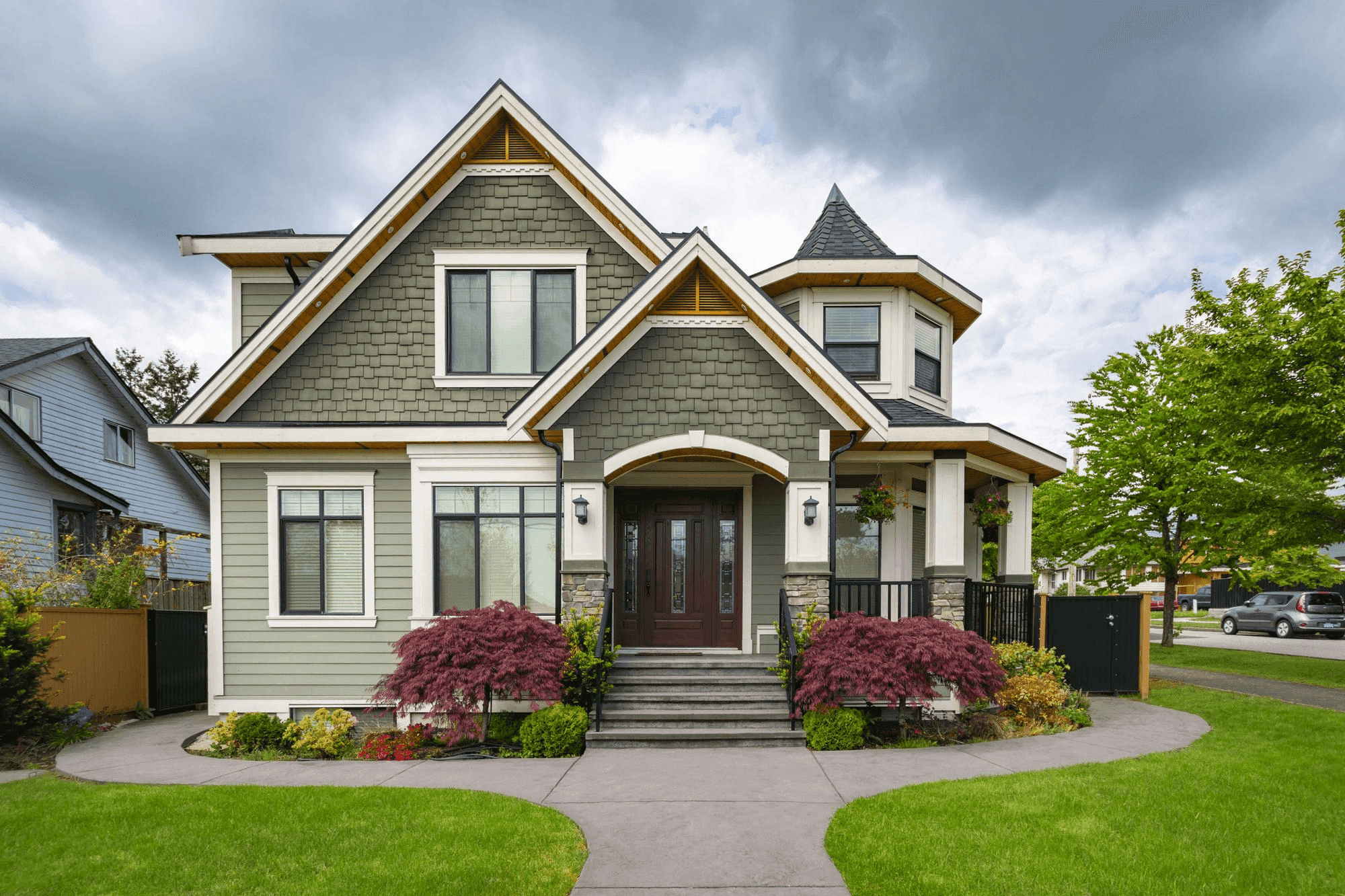
2. Buyer-Leaning Market Conditions in 2026
Tampa’s housing market has shifted into buyer-friendly territory in 2026, creating favorable conditions for those looking to buy a single family house in Tampa without the pressure of aggressive bidding wars.
- Price Stability: Median home values are holding near $430,000, improving budgeting confidence.
- Negotiation Leverage: Roughly 63.7% of listings have recorded price reductions.
- Healthier Supply: Inventory now sits around 4.5 months, giving buyers more choice and time to evaluate options.
3. Lifestyle Flexibility Supports Ongoing Demand
Tampa’s neighborhoods accommodate different lifestyles and work patterns, including remote and hybrid work.
Lifestyle Type | Representative Areas | Key Appeal |
|---|---|---|
| Historic & Walkable | Hyde Park, Seminole Heights | Character homes, mature trees, local dining |
| Master-Planned | Wesley Chapel, New Tampa | New builds, amenities, modern layouts |
| Urban & Professional | Westshore, Downtown St. Pete | Job centers, airport access, cultural venues |
| Coastal | Clearwater, Safety Harbor | Waterfront access, relaxed pace |
4. Long-Term Stability and Infrastructure Investment
Tampa continues to appeal to both homeowners and long-term investors.
- Resilient Neighborhoods: Areas such as South Tampa and Westchase have historically experienced consistent buyer demand during prior market cycles. However, property values can fluctuate based on broader economic conditions.
- Infrastructure Upgrades: The city’s $2.9B PIPES program is modernizing utilities and improving flood resilience.
- Active Living: Proximity to the Tampa Riverwalk, parks, and waterfront recreation remains a consistent draw.
Best Zip Codes to Buy a Single Family House in Tampa, FL (2026)
The best areas for single family homes in Tampa in 2026 depend on buyer priorities, but South Tampa, Westchase, and Wesley Chapel consistently rank at the top. With Tampa firmly in a buyer’s market and inventory hovering near 4.5 months, buyers looking to buy a single family house in Tampa now have more negotiating power and choice than in recent years.
1. Best for Schools and Long-Term Prestige: South Tampa
South Tampa remains the region’s most established and resilient single family market.
- Core Neighborhoods: Hyde Park, Palma Ceia, Davis Islands, and Beach Park.
- School Advantage: Zoning for elite schools such as Plant High School, Gorrie Elementary, and Mabry Elementary.
- Pricing Reality: Homes in top-rated school zones routinely sell for up to 35% more than similar properties outside those boundaries.
- Lifestyle: Walkable retail districts, historic housing stock, and sub-15-minute commutes to downtown Tampa.
2. Best Traditional Suburbs: Westchase & Carrollwood
These neighborhoods appeal to buyers seeking stability, space, and a family-oriented environment.
- Westchase: Known for tree-lined streets, conservation land, and strong community planning. Nearby enclaves like Waterchase and The Eagles offer access to higher-performing schools.
- Carrollwood: Popular for its established neighborhoods, parks, and reputation for safety.
- Downturn Performance: Westchase and South Tampa were among the few areas that maintained values during prior economic contractions.
Considering suburban living instead of the city core?
Tampa’s suburbs offer more space, newer homes, and family-focused communities - but commute times and pricing vary widely.
See the best suburbs of Tampa, Florida to find the right balance between affordability, schools, and lifestyle.
Buying a Home? Get up to 1.5% Cash Back at Closing
Get pre-approved first, then start exploring homes knowing you can receive up to 1.5% of the home price back at closing.

3. Growth and New Construction Focus: Wesley Chapel & New Tampa
Buyers prioritizing modern homes and amenities gravitate north along the I-75 corridor.
- Major Communities: Epperson, Wiregrass Ranch, Seven Oaks, and Meadow Pointe.
- Appeal: New construction, open floor plans, and resort-style amenities such as lagoons and fitness centers.
- Consideration: Peak-hour commutes to downtown Tampa typically range from 45 to 60 minutes.
4. Best Value and Lot Size: Brandon & Riverview
These areas offer affordability without sacrificing access to schools or major highways, making them ideal for buyers looking to buy a single family house in Tampa while staying within a defined budget.
- Notable Corridor: Neighborhoods along Lithia-Pinecrest Road.
- Housing Profile: Larger lots, mature landscaping, and established subdivisions.
- Pricing Range: Most single family homes fall between $300,000 and $500,000.
Tampa single family Market Snapshot (2026)
Area | Cost Tier | Ideal Buyer | Standout Benefit |
|---|---|---|---|
| South Tampa | High | Professionals & Families | Top schools & historic appeal |
| Westchase | Moderate | Families | Stability & suburban planning |
| Wesley Chapel | Moderate | Remote workers & families | New builds & amenities |
| Brandon / Riverview | Low–Mid | First-time buyers | Space & affordability |
| Seminole Heights | Moderate | Young professionals | Urban character & culture |
Key Buyer Considerations for 2026
- Flood Risk: Verify whether properties fall in Zone X versus Zone AE, as this directly affects insurance premiums.
- Insurance Planning: Flood coverage is not included in standard homeowners policies and often requires a separate policy.
- Infrastructure Upgrades: Tampa’s PIPES program is modernizing utilities and drainage systems, addressing extreme rainfall risk-now a greater concern than gradual sea-level rise.
Still deciding where to buy in Tampa?
Objective factors such as infrastructure, school performance, and insurance costs play a significant role in value, schools, insurance costs, and long-term appreciation than price alone.
Explore the best neighborhoods in Tampa to compare lifestyle, pricing, and buyer suitability before narrowing your search.
Neighborhood Comparisons: Where the Value Really Is
In the 2026 housing market, value in Tampa is determined by the balance between location quality, school performance, and long-term risk exposure. While median prices have stabilized near $430,000, the strongest opportunities for buyers looking to buy a single family house in Tampa lie in neighborhoods that demonstrate consistent demand or strong lifestyle appeal based on location, amenities, and infrastructure.
1. Equity-First Value: South Tampa
South Tampa remains the market’s benchmark for long-term value preservation.
- School-Driven Pricing: Value is closely tied to zoning. Homes within top-rated boundaries-such as Plant High School and Gorrie Elementary-often trade at 30–35% premiums over comparable homes outside those zones.
- Downturn Resilience: South Tampa and Westchase have historically shown relative pricing stability compared to some surrounding areas during prior market slowdowns, though future performance is not guaranteed.
- Commute Efficiency: Proximity to downtown and the Westshore employment corridor (often under 10 minutes) creates significant lifestyle and time-value advantages.
2. Feature and Space Value: Wesley Chapel & New Tampa
Buyers focused on modern construction and interior space find the strongest value north along the I-75 corridor.
- New-Build Advantage: Larger homes, open layouts, and resort-style amenities-such as lagoons and fitness centers-are common at lower price-per-square-foot levels.
- Primary Trade-Off: The cost of this value is time, with peak-hour commutes to downtown typically ranging 45–60 minutes.
3. Practical Middle-Market Value: Brandon & Riverview
These submarkets represent Tampa’s core affordability zone without sacrificing suburban comfort, making them especially attractive for buyers planning to buy a single family house in Tampa at a more accessible entry point.
- Buyer Profile: Ideal for first-time and move-up buyers seeking established neighborhoods at lower entry points.
- Lot Size Benefit: Homes typically offer larger yards and mature landscaping compared to denser urban areas.
Trying to stay within a defined budget?
Not all value in Tampa is obvious. Some neighborhoods offer lower insurance exposure, larger lots, and better long-term affordability.
Explore affordable housing options in Tampa, FL to identify areas that deliver the most value for your budget.
Neighborhood Value Profiles (2026)
Area | Value Focus | Core Strength | Key Consideration |
|---|---|---|---|
| South Tampa | Historically Consistent Demand | Top schools & proximity | High acquisition cost |
| Westchase | Lifestyle Stability | Green space & value retention | School quality varies by pocket |
| Wesley Chapel | Feature Density | New builds & amenities | Long commuter distance |
| Seminole Heights | Character Upside | Historic homes & urban appeal | Aging infrastructure |
| Brandon | Cost Efficiency | Space & affordability | Traffic congestion |
4. Overlooked Value Drivers in 2026
Beyond price, several structural factors now play a decisive role in true affordability:
- Flood Risk Classification: Homes in Flood Zone X deliver meaningful savings through lower insurance premiums compared to high-risk Zone AE properties.
- Stormwater Resilience: Extreme rainfall-not sea-level rise-is the dominant climate risk. Properties near areas upgraded through Tampa’s PIPES program may benefit from improved drainage infrastructure; however, flood risk should always be verified through FEMA maps and insurance providers.
- Tax Optimization: Owner-occupants can reduce taxable value by up to $50,000 through Florida’s Homestead Exemption, materially improving holding costs over time.
Not sure a single family home is the right fit?
For some buyers, condos offer lower maintenance, better walkability, and a more predictable cost structure in 2026.
Discover the best places to buy condos in Tampa and compare them against single family home ownership.
Schools & Education Considerations (Buyer-Relevant) in Tampa, FL 2026
In 2026, education remains one of the strongest forces shaping the housing market in Tampa. For many buyers looking to buy a single family house in Tampa, school quality outweighs physical home features such as renovations or garage size. As a result, school zoning can influence buyer demand and pricing in certain neighborhoods. Buyers should independently review school boundaries and performance data, as both can change over time.
1. High-Demand Schools and Buyer-Focused Areas
Several Tampa submarkets consistently attract buyers due to school performance and local amenities.
- South Tampa: Widely regarded as the region’s Area with multiple schools showing higher performance metrics. High-performing schools include Plant High School, Gorrie Elementary, Mabry Elementary, and Wilson Middle School.
- Westchase and Adjacent Communities: While Westchase offers classic suburban appeal, school performance varies by zone. Buyers seeking more consistency often target nearby Waterchase and The Eagles.
- Suburban Family Hubs: FishHawk Ranch, Carrollwood, and Wesley Chapel are frequently chosen for their safety, newer schools, and family-oriented planning.
2. The Measurable “School Premium”
School boundaries can create dramatic pricing differences-even between nearly identical homes.
Metric | High-Rated Zone | Lower-Rated Zone |
|---|---|---|
| Typical Home Price | $552,000 | $361,800 |
| Price Gap | +35% ($190,000) | Baseline |
| Buyer Use Case | Families & equity-focused buyers | Non-family buyers prioritizing savings |
3. County-Level School District Differences (2026)
Educational quality and flexibility vary meaningfully across the Tampa Bay region.
- Hillsborough County (Tampa / Brandon): Large and diverse, with standout zones in South Tampa and New Tampa. Offers magnet programs and school choice, but some areas face overcrowding due to population growth.
- Pinellas County (St. Pete / Clearwater): Strong district-wide performance with a well-established school choice system allowing cross-zone enrollment.
- Pasco County (Wesley Chapel): One of the fastest-improving districts, featuring newer campuses and generally lower congestion.
4. Practical Guidance for 2026 Buyers
For families planning to buy a single family house in Tampa, understanding how school zoning, commute logistics, and enrollment flexibility intersect is critical to avoiding costly mistakes in 2026.
- Confirm Zoning: School boundaries change-always verify assignments with the district before making an offer.
- Test the Commute: Drive the school route during peak morning hours (around 7:00 a.m.) to assess real-world logistics.
- Look Past Ratings: Online scores are a baseline; school culture, leadership, and parent involvement vary widely.
- Private Alternatives: Tampa offers respected private options, including Berkeley Preparatory School, Jesuit High School, and Academy of the Holy Names, reducing reliance on specific public zones.
Commute & Transportation Reality in Tampa, FL
Commuting in Tampa in 2026 is shaped by a clear divide between short urban trips and congested suburban corridors. For buyers planning to buy a single family house in Tampa, where you live relative to employment centers-and which side of key bridges or highways you’re on-largely determines whether your daily commute is 15 minutes or well over an hour.
1. Typical Commute Ranges by Area
For buyers evaluating commute trade-offs before they buy a single family house in Tampa, travel time to major job hubs is one of the most consequential day-to-day cost factors in 2026. Travel times vary sharply based on proximity to major job hubs such as Downtown Tampa and the Westshore Business District.
- South Tampa: Among the shortest commutes in the metro. Most residents reach downtown, MacDill Air Force Base, or Tampa International Airport in 10–15 minutes.
- Wesley Chapel & New Tampa: High-growth suburbs with longer drive times. Rush-hour commutes to downtown typically range from 45–60 minutes.
- Brandon & Riverview: Off-peak drives average 20–30 minutes, but congestion during peak hours can double that time.
- Clearwater & Beach Communities: Commutes from Clearwater or northern Pinellas beaches often exceed 45–60 minutes, largely due to bridge traffic.
2. Recurring Traffic Pressure Points
Geography and infrastructure create predictable congestion zones across the region.
- Bridge Crossings: Bridges between Tampa and Pinellas County are persistent choke points. Even light congestion can add 15–20 minutes each way.
- Directional Advantage: Some commuters benefit from reverse traffic flow. For example, living in South Tampa and working north of the bay can keep drive times near 25 minutes with an early departure.
- Event & Construction Delays: Central districts face periodic slowdowns from Amalie Arena events and ongoing work around Water Street Tampa.
3. Walkability vs. Car Reliance
While Tampa remains largely car-dependent, a few areas allow residents to minimize daily driving.
Mobility Profile | Key Areas | Daily Reality |
|---|---|---|
| Highly Walkable | Hyde Park, Downtown St. Petersburg, Dunedin | Easy access to shops, dining, and schools on foot |
| Car-Dependent | Wesley Chapel, Brandon, Riverview | Driving required for nearly all errands |
| Transit-Adjacent | Channelside, Ybor City | Access to streetcar service, ferry routes, and bikeable corridors |
4. Infrastructure Focus in 2026
Tampa’s FY2026 priorities emphasize mobility and congestion relief.
- Road Widening: Continued expansion along growth corridors north of the city.
- Causeway Improvements: Upgrades to the Courtney Campbell Causeway aim to improve cross-bay travel reliability.
- Westshore Trade-Off: The area offers proximity to jobs and the airport but remains one of the most congested zones during peak hours.
Practical Strategy Tips for Experienced Buyers
The 2026 Tampa housing market favors buyers who focus on leverage, structure, and long-term cost control rather than speed. For experienced buyers planning to purchase a single family home in Tampa, these strategies help reduce risk, improve negotiating power, and protect long-term returns in a buyer-leaning market.
- Slow the process down: With higher inventory and longer days on market, buyers have more time to conduct due diligence and negotiate thoughtfully. Strong due diligence and selective offers outperform rushed decisions.
- Target stale listings: Homes sitting on the market for 60+ days often indicate seller flexibility and better price or credit opportunities.
- Negotiate credits, not repairs: Closing cost or repair credits reduce delays and give you control over contractor quality and timelines.
- Exploit school-zone pricing gaps: If schools are not a priority, buying just outside certain high-demand school zones may result in lower purchase prices compared to adjacent areas. Buyers should compare pricing and long-term suitability based on their specific needs.
Conclusion: How to Choose the Right single family Home in Tampa, FL
Buying a single family house in Tampa in 2026 isn’t about rushing anymore-it’s about making a smart choice. With more balance in the market and more options to choose from, the focus should be on where you buy, not just what you buy.
Buyers today are paying more attention to things that matter long term, like good schools, reasonable commute times, insurance costs, and property taxes, rather than just updated kitchens or flashy features. Well-established neighborhoods often attract consistent buyer demand, while growing areas may appeal to buyers seeking newer infrastructure. Future market performance depends on broader economic and housing conditions, and family-friendly suburbs still make sense when schools and day-to-day livability are considered along with price.
FAQs
1. Is 2026 a good time to buy a single family house in Tampa?
Market conditions in 2026 reflect increased inventory and longer days on market compared to prior years. Whether it is the right time to buy depends on a buyer’s financial readiness, long-term plans, and risk tolerance.
2. Which Tampa neighborhoods are best for single family homes in 2026?
South Tampa, Westchase, and Wesley Chapel consistently rank highest, depending on whether you prioritize schools, stability, or new construction.
3. How much do school zones affect home prices in Tampa?
School zones have a major impact. Homes in top-rated zones can cost 30–35% more than similar homes just outside those boundaries.
4. What are the biggest hidden costs buyers should watch for?
Insurance (especially flood insurance), flood zone classification, CDD fees in newer communities, and property taxes can significantly affect long-term costs.
5. Is commute time an important factor when buying in Tampa?
Absolutely. Commute times can range from 10–15 minutes in South Tampa to 45–60 minutes from outer suburbs like Wesley Chapel, making location a key decision factor.
Get the latest market trends, homebuying tips, and insider updates—straight to your inbox. No fluff, just the good stuff.
Article by
As a great communicator with excellent negotiation skills, I focus more on establishing unbreakable ties between my clients, as opposed to just helping them achieve their real estate dreams. As a representative of both buyers and sellers, I understand how to lead a transaction process to ensure that the needs of both are met. My track record speaks for itself. Since I ventured into the industry in 2013 as a realtor, I have not only helped many buyers land perfect homes, but I have also assisted tons of owners and investors build wealth.