How to Buy a Single Family House in Turlock, CA 2026
July 6, 2026
11 minutes
For experienced buyers, the 2026 Turlock market isn't about timing-it's about structural arbitrage. With inventory up ~10% and mortgage rates stabilizing at ~6%, the window to negotiate on overpriced listings in 95382 or find renovation leverage in 95380 is now open. With slightly lower mortgage rates, more homes for sale, and the return of affordability programs, Turlock is attracting buyers who want more space and better value than many other parts of California.
Turlock’s housing market is steady rather than overheated. Buyers now have leverage. Days on market have expanded to ~49 days, giving you room to review comps, negotiate credits, and underwrite local development risks-especially the ACE rail extension and school boundary shifts
This guide explains how to buy a single family house in Turlock in 2026. It covers current market conditions, the best zip codes, neighborhood differences, school quality, commuting realities, and common mistakes to avoid-helping you choose the right home with confidence.
Why Single Family House in Turlock, CA Are in Demand in 2026
For buyers looking to buy a single family house in Turlock in 2026, demand is driven more by practical factors than hype. Lower mortgage rates, local and state affordability programs, and a more stable housing market are bringing buyers back. While Turlock is still more affordable than many parts of California, home prices and buyer activity are influenced by trends happening across the state.
Why reAlpha? We're the only homebuying platform that integrates your agent, mortgage, and closing into a single workflow. No coordination headaches. No dropped balls.
For buyers who bundle their financing with a reAlpha agent, we offer up to 1.5% cash back at closing-an average of $10,000 back in your pocket.
Bundle your agent and mortgage. Save an average of $10,000.
Don't have an agent yet? Pair your reAlpha mortgage with a reAlpha agent, and you could get up to 1.5% cash back at closing.
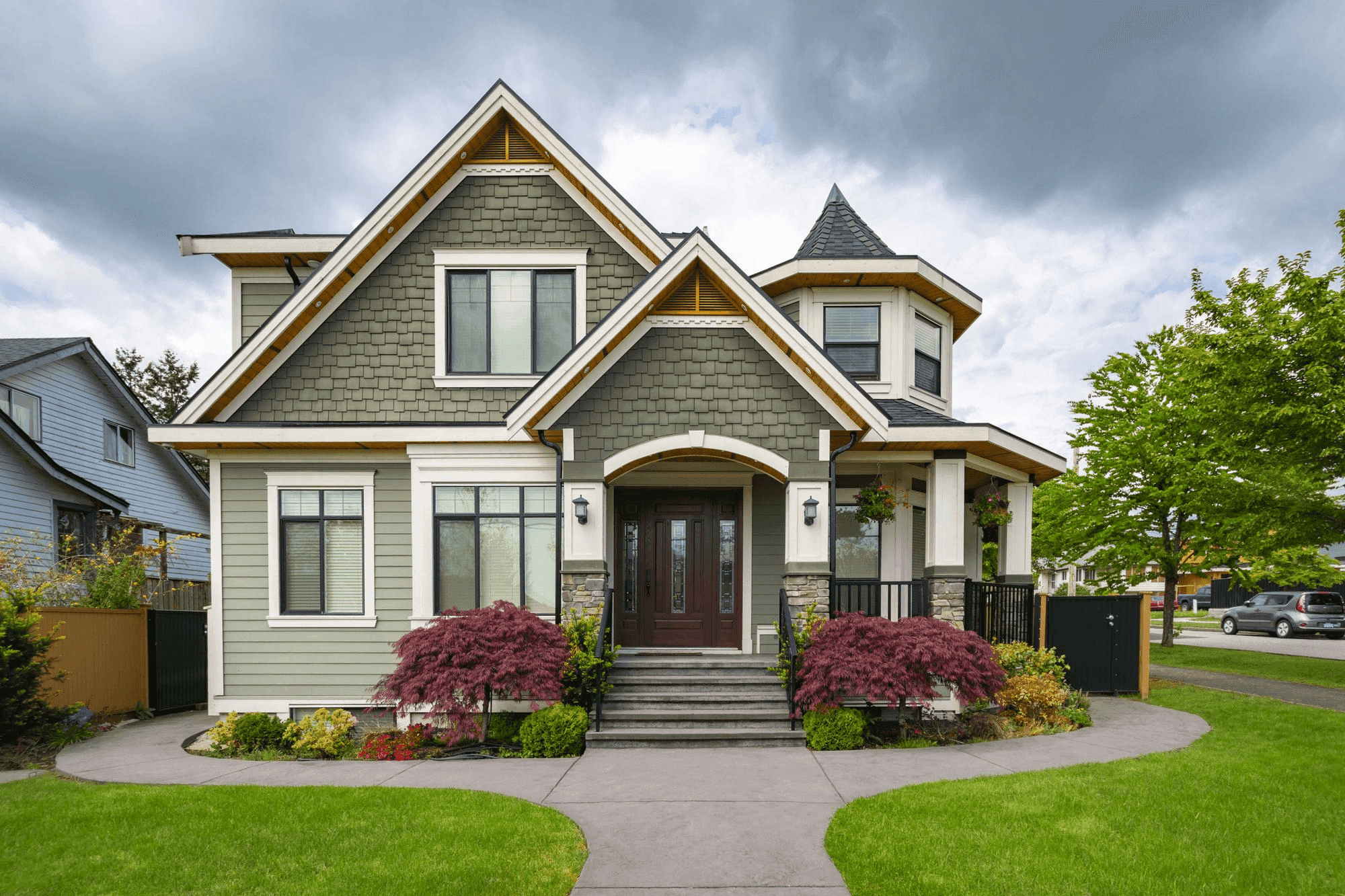
Market Snapshot: Single Family House
Metric | 2026 Outlook | What It Means for Buyers |
|---|---|---|
| Statewide Median Home Price | $905,000 (+3.6% YoY) | Continued upward price pressure statewide, with indirect impact on Central Valley pricing expectations |
| Mortgage Rates | 6.0% (down from ~6.6% in 2025) | Slightly improved monthly affordability without materially loosening qualification standards |
| Inventory & Supply | Modest increase in existing home sales | More selection statewide; reduced risk of extreme competition |
| Turlock Housing Growth | 5,800+ units by 2031 | Incremental local supply from infill and subdivision projects (e.g., Monte Vista Ave), supporting market balance |
What’s Driving Demand
Demand for single family homes in Turlock, CA in 2026 is being supported by affordability-focused policy changes rather than speculative momentum. Expanded local and state affordability programs, including gap-financing assistance in certain cases, may provide qualified buyers with down payment support. Availability, funding limits, and eligibility requirements change frequently, and buyers should confirm program status directly with approved housing counselors or participating lenders and more flexible debt-to-income limits have improved purchasing power for qualified buyers. At the state level, the reopening of the California Dream for All program and a modest improvement in overall affordability are bringing additional buyers back into the market without significantly increasing competitive pressure.
For a deeper breakdown of California-wide affordability programs, financing rules, and buyer requirements, see our full guide on How to Buy a House in California.
Local Demand Index: Moderate
Despite improving conditions, demand remains best described as moderate rather than aggressive. Lower rates are pulling some buyers back into the market, but macroeconomic constraints persist. California job growth is expected to slow to around 0.3%, unemployment is projected to rise slightly to approximately 5.8%, and active listings are forecast to increase by 9.8% year-over-year by mid-2026, driven by a steady accumulation of un-extended single-family inventory. Together, these factors absorb demand and reduce the likelihood of widespread bidding wars.
Resale Confidence
Turlock's resale fundamentals are durable, not speculative
- Price behavior: Incremental gains of 3-4% annually. No volatility. No crash risk.
- Relative appeal: Buyer activity includes individuals working in nearby employment centers, though patterns may vary over time. Turlock's $500K median vs. $905K state median creates a permanent arbitrage floor.
- Market balance: Moderating price growth + rising inventory = buyer leverage. Well-located properties in 95382 still move within 30 days. Everything else gives you negotiation room.
Best Zip Codes for Single Family House in Turlock, CA (2026)
In 2026, buyers looking to buy a single family house in Turlock are entering a relatively balanced housing market, with moderate inventory growth and longer days on market compared to peak-cycle years. Homes are no longer selling instantly across the board, giving buyers more time to evaluate pricing, inspect condition, and negotiate repairs or credits, particularly outside the most school-driven pockets.
The city’s residential landscape is clearly divided between newer, higher-demand suburban areas in the northeast and older, more affordable neighborhoods in central and southern Turlock. Understanding this split is critical to avoiding overpayment and aligning expectations around resale liquidity for buyers planning to buy a single family house in Turlock in 2026.
Top Zip Codes to Watch
Transaction activity is more concentrated in specific zip codes with consistent resale patterns in a small number of zip codes where buyer depth and resale predictability remain strongest.
- 95382 (Northeast Turlock): TThe city’s area with higher transaction volume and shorter average days on market, driven by newer housing stock, planned subdivisions, and associated with higher publicly available school performance ratings. Homes here tend to sell faster and closer to list price.
- 95380 (Central & South Turlock): Appeals to value-oriented buyers prioritizing location, character, or renovation upside. Pricing is more variable, and outcomes depend heavily on block quality and property condition.
Buying a Home? Get up to 1.5% Cash Back at Closing
Get pre-approved first, then start exploring homes knowing you can receive up to 1.5% of the home price back at closing.

Best Areas for Single Family Homes in Turlock (2026)
Zip Code / Area | Median Price | Typical Home Size | Schools | Commute | Lifestyle | Local Demand Index | Appreciation & Risk |
|---|---|---|---|---|---|---|---|
| 95382 (Northeast Turlock) | $480K–$800K+ | Newer tract homes; larger layouts | Generally stronger ratings; CSU proximity | 25–30 min; CA-99 access | Suburban, family-oriented, park-centric | High | Stable appreciation; risk of premium pricing |
| 95380 (Central & South) | $300K–$500K | Older bungalows & mid-century homes | Mixed; varies by block | Short in-city trips | Walkable, historic, downtown-adjacent | Moderate | Higher condition and block-level risk |
Neighborhood Comparisons: Where the Value Really Is
For buyers looking to buy a single family house in Turlock, the 2026 housing market is defined by a clear structural divide: newer, faster-moving suburban neighborhoods in the northeast versus the older, more price-efficient historic core. Understanding how these areas behave differently is essential for identifying real value and avoiding mispriced risk.
The analysis below compares where value tends to concentrate and how experienced buyers can approach the market strategically.
Neighborhood Comparisons: Where Value Actually Shows Up
In Turlock, “value” isn’t about finding the cheapest home or the most popular neighborhood. It’s about matching your risk tolerance to how value is created. Some areas reward buyers who pay more upfront for certainty, while others reward buyers who accept friction in exchange for upside.
- Choose 95382 (Northeast Turlock) if you want predictability: newer construction, stable resale demand, and minimal renovation risk. You’re paying more, but you’re buying certainty.
- Choose 95380 (Central Turlock) if you want upside: lower entry prices, walkable location, and the opportunity to create value through renovation. You’re accepting condition and block-level risk in exchange for leverage.
Key Insight: In 2026, the “better” neighborhood in Turlock depends less on market timing and more on how comfortable you are trading upfront price for long-term control and optionality.
Where Buyers Commonly Overpay
Overpayment in Turlock comes from mispricing block-level risk, not missing citywide trends. Here's where the market is inefficient
- Industrial-adjacent areas: Properties near southern industrial corridors can appear discounted but may experience slower resale activity due to proximity to industrial operations, traffic patterns, and surrounding land uses. Buyers should evaluate environmental conditions and neighborhood characteristics firsthand.
- Inspection blind spots: Sun exposure commonly leads to cracked roof tiles, and aging irrigation systems frequently fail inspection. Buyers who do not price these issues into offers often overpay relative to true post-close costs.
- Environmental tradeoffs: Agricultural activity creates intermittent odor exposure in certain pockets, which can materially affect outdoor usability and long-term satisfaction despite otherwise attractive pricing.
Where Patience Is Rewarded
Two 2026-specific factors favor buyers who are willing to take a longer view.
- Transit-driven upside: The expected arrival of the Altamont Corridor Express extension improves regional connectivity, particularly for centrally located neighborhoods that have not yet fully priced in commuter access.
- Affordability timing: Buyers eligible for the California Dream for All shared-appreciation program may benefit from waiting through the application cycle, though outcomes remain lottery-based and funding-constrained.
Speed vs. Leverage: The 2026 Calculation
The current market requires disciplined execution rather than blanket urgency.
- When speed matters: In 95382, well-priced homes under $600K sell in ~49 days. For properties within Walnut Elementary boundaries, pre-approval is essential due to consistent demand.
- Where leverage still exists: In 95380, waiving inspections is a negotiation mistake. Sewer scopes, roof inspections, and termite reports are leverage tools-use them to extract credits or price drops.
- Financing backdrop: Mortgage rates remain subject to national economic conditions and Federal Reserve policy. Buyers should consult a licensed mortgage professional for current rate information and qualification scenarios, supporting demand without eliminating the need for pricing discipline for buyers planning to buy a single family house in Turlock.
Schools & Education Considerations (Buyer-Relevant)
For buyers looking to buy a single family house in Turlock, school quality remains a major pricing and neighborhood differentiator in 2026. The strongest K–5 options are concentrated in Northeast Turlock, while the local university anchors long-term housing stability.
Key Takeaways
- Turlock is primarily served by Turlock Unified School District, which oversees 16 schools. Performance varies widely, with local ratings ranging from 2/10 to 7/10, despite an improving 89% graduation rate.
- California State University, Stanislaus is a major economic and cultural anchor, supporting stable demand in nearby north-side neighborhoods.
- Walnut Elementary (7/10) is the district’s top-ranked school, making homes in 95382 (Northeast Turlock) especially attractive to family buyers.
- Central and South Turlock (95380) generally have lower-rated schools, which is reflected in softer buyer demand and pricing.
- While some community sentiment remains critical of school quality, the “college town” effect around CSU Stanislaus continues to support long-term property stability.
Buyer Tip: Always confirm exact school boundaries before making an offer. In Turlock, school quality can change block by block, making school verification essential when planning to buy a single family house in Turlock.
Commute & Transportation Reality in Turlock, CA
For buyers planning to buy a single family house in Turlock, the city functions in 2026 as a regional commuter hub increasingly tied to Northern California job markets. The city remains largely car-dependent, but expanding rail infrastructure is beginning to reshape commute patterns and housing demand.
Commute Snapshot
- Average one-way commute: 26 minutes, with county averages closer to 31 minutes as more residents work outside the region.
- About 26% of workers commute out of the county, including to San Joaquin, Alameda, and Santa Clara, positioning Turlock as an affordability-driven alternative to the Bay Area.
- Daily travel relies heavily on State Route 99, with longer-distance commuters using Amtrak San Joaquin (Denair) or connecting to Bay Area Rapid Transit via the Tri-Valley.
Transportation Shift (2026)
- The Altamont Corridor Express extension into Stanislaus County is expected to launch service to Turlock by 2026.
- ACE will provide direct rail access to the Tri-Valley and Silicon Valley, offering a reliable alternative to Highway 99 and I-5 congestion.
Housing & Pricing Impact
- Infrastructure projects such as the ACE extension may influence future buyer interest in surrounding neighborhoods. However, pricing impacts depend on timing, implementation, and broader market conditions.
- Turlock’s $500K median home price remains compelling versus the projected $905K California median, drawing Bay Area buyers who see even higher-end Turlock homes as affordable.
- Proximity to freight corridors supports logistics and distribution jobs, reinforcing long-term housing stability.
- Buyers should factor in above-average utility costs, driven by infrastructure demands in a fast-growing Central Valley market.
Bottom line: Improved regional connectivity is strengthening Turlock’s appeal to commuters, supporting price growth-especially in areas positioned to benefit from new rail access for buyers looking to buy a single family house in Turlock.
Practical Strategy Tips for Experienced Buyers
For buyers planning to buy a single family house in Turlock, 2026 requires a strategy that balances rising inventory, financing conditions, and neighborhood-level risk.
- Rising inventory creates leverage: Active listings in California are projected to increase by nearly 10% in 2026, giving experienced Turlock buyers more choice and negotiating power than in recent years.
- Improving financing conditions: Borrowing costs fluctuate based on market conditions. Early pre-approval and ongoing communication with a licensed lender remain essential in a shifting rate environment, making early pre-approval essential to move quickly on well-priced homes.
- Speed still matters on good deals: Even with more supply, homes are selling in about 49 days, down from 78 days in late 2024, so correctly priced properties still require decisive action.
- Neighborhood selection drives outcomes: Demand remains strongest in school-centric and master-planned areas, especially Northeast Turlock, Legends North, and neighborhoods near Walnut Elementary.
- Infrastructure and policy risks need scrutiny: Buyers should account for elevated seismic risk, avoid under-served County Islands, and track Turlock’s phased development rules that constrain future supply.
- Single family homes offer the best downside protection: Detached homes in established neighborhoods often show historically consistent resale activity relative to higher-density housing types, though outcomes vary based on condition, pricing, and market cycle.
Traditional brokerages give you a lockbox code and a prayer. reAlpha's Homebuying Hub lets you:
- Monitor real-time inventory changes in 95382 vs. 95380
- Compare rates from 100+ lenders without re-entering your financial profile
- Coordinate inspection negotiations and closing credits with your agent-all in one thread
Then you get the cash back (up to 1.5% at closing). Integration first. Savings second. Control always.
Conclusion: How to Choose the Right Single Family House in Turlock, CA
Buying a single family home in Turlock in 2026 requires a focused strategy that balances rising inventory with financing opportunities and local risk factors. While statewide prices remain high, easing mortgage rates and local assistance programs are improving affordability for buyers who time their purchase well.
Location remains the primary driver of long-term value. Demand is strongest in school-centered and master-planned neighborhoods, particularly near Walnut Elementary Education Centre and in Northeast Turlock and Legends North, while newer master-planned infill developments in the southern periphery offer below-median pricing entry points.. Buyers seeking walkability may look toward Downtown Turlock, though renovation costs should be carefully evaluated.
The reAlpha difference: You're not just buying a house in Turlock. You're executing a 2026 strategy-ACE rail appreciation, Walnut Elementary premium capture, or 95380 renovation arbitrage. A platform that integrates your agent, lender, and closing is the only way to move faster than other buyers while keeping your leverage. That's reAlpha
Strong due diligence is essential. Buyers should account for Turlock’s elevated seismic risk, carefully review service infrastructure, zoning jurisdiction, and municipal utility access in properties located outside incorporated city boundaries, understand the city’s phased growth policies, and evaluate proximity to major roadways such as Highway 99 and consider how traffic patterns, noise, and environmental exposure may affect long-term enjoyment and resale positioning.
FAQs
1. Is 2026 a good time to buy a single family House in Turlock, CA?
Market conditions in 2026 appear more balanced than in prior peak years. Whether it is a good time to buy depends on a buyer’s financial readiness, goals, and long-term ownership plans. The Turlock housing market in 2026 is more balanced than in prior peak years. Mortgage rates are slightly lower, inventory is increasing, and affordability programs have returned. Buyers have more time to evaluate neighborhoods, negotiate pricing, and avoid bidding wars, especially outside Northeast Turlock.
2. What are the best zip codes to buy a single family house in Turlock in 2026?
The strongest buyer demand is concentrated in 95382 (Northeast Turlock) due to newer homes, stronger schools, and resale predictability. 95380 (Central and South Turlock) offers lower entry prices and renovation upside but comes with higher block-level and condition risk.
3. How competitive is the Turlock housing market in 2026?
Competition is moderate, not aggressive. Homes are no longer selling immediately across the city, with average days on market around 49 days. Well-priced homes in high-demand areas like 95382 may still move quickly, but buyers generally retain negotiating leverage, especially when inspections are used strategically.
4. How important are schools when buying a single family house in Turlock?
Schools remain a major pricing and demand driver. Homes located within attendance areas associated with stronger academic performance often attract consistent buyer interest. However, pricing outcomes vary by market cycle, inventory levels, and property conditions. Buyers should independently confirm school boundaries and performance data In contrast, lower-rated school zones in Central and South Turlock are reflected in softer pricing and slower appreciation.
5. What common mistakes do buyers make when purchasing in Turlock?
Buyers often overpay by ignoring localized risks. Common mistakes include underestimating renovation costs in older neighborhoods, overlooking environmental factors like agricultural odors, and buying near industrial corridors with weaker long-term appreciation. Skipping targeted inspections can also lead to unexpected post-closing expenses.
Get the latest market trends, homebuying tips, and insider updates—straight to your inbox. No fluff, just the good stuff.
Article by
As a great communicator with excellent negotiation skills, I focus more on establishing unbreakable ties between my clients, as opposed to just helping them achieve their real estate dreams. As a representative of both buyers and sellers, I understand how to lead a transaction process to ensure that the needs of both are met. My track record speaks for itself. Since I ventured into the industry in 2013 as a realtor, I have not only helped many buyers land perfect homes, but I have also assisted tons of owners and investors build wealth.