Buying a Home: Smart Investment or Risky Move? 2026 Guide
July 8, 2026
5 minutes
For many people, buying a home is considered one of life’s biggest financial milestones. It can represent stability, long-term wealth, and a place to build memories. Yet with shifting national home price indexes and fluctuating mortgage rates shaping the real estate market as of mid-2026, many buyers are asking a crucial question: Is buying a home really a smart investment, or could it be a risky move?
The answer depends on your financial situation, long-term goals, and understanding of both the benefits and the risks involved.
Why Buying a Home Can Be a Smart Investment
One of the strongest arguments for homeownership is equity building. Each mortgage payment gradually increases your ownership stake in the property. Over time, this equity can become a valuable financial asset.
Home values also tend to appreciate over the long term. While markets fluctuate, real estate historically has been one of the most reliable ways to build wealth in the United States. Many homeowners benefit from property value growth over years or decades.
Another advantage is payment stability. With a fixed-rate mortgage, monthly payments generally remain consistent, unlike rent, which can increase annually depending on market conditions.
Homeownership may also provide tax advantages. In some cases, homeowners may deduct mortgage interest or property taxes, potentially reducing their overall tax burden depending on their financial situation.
The Risks Buyers Should Consider
Despite the benefits, buying a home also carries risks that buyers should carefully evaluate.
First, homeownership involves substantial upfront capital outlays, including the core down payment, lender fees, closing costs, home inspections, and third-party administrative fees.. These expenses can add up quickly and may strain buyers who are not financially prepared.
Bundle your agent and mortgage. Save an average of $10,000.
Don't have an agent yet? Pair your reAlpha mortgage with a reAlpha agent, and you could get up to 1.5% cash back at closing.
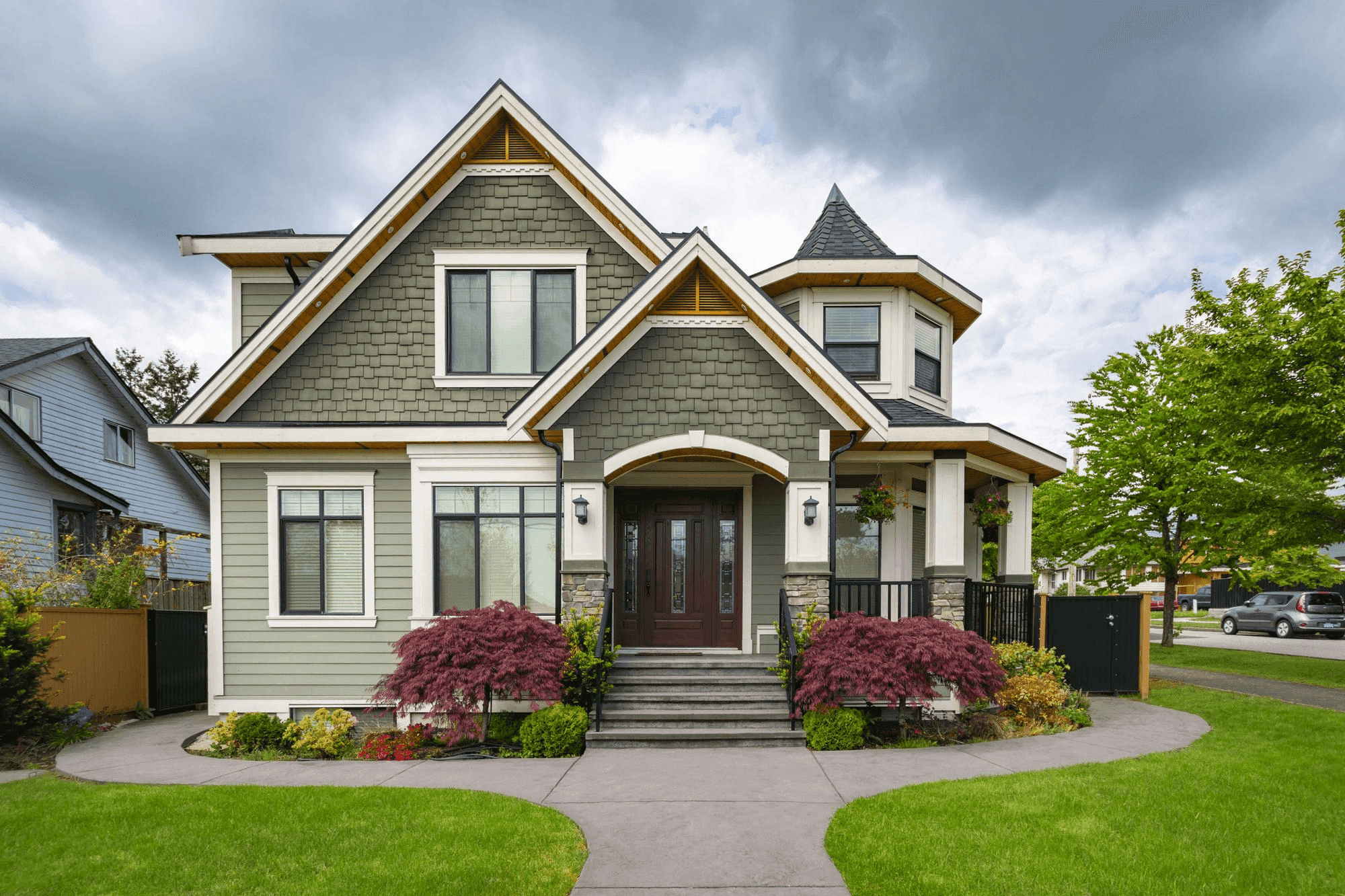
Second, housing markets can fluctuate. While long-term appreciation is common, short-term price declines can occur due to economic shifts, interest rate changes, or regional housing supply issues.
Third, homeowners are responsible for maintenance and repair costs. Roof replacements, HVAC repairs, and unexpected structural issues can cost thousands of dollars.
Finally, buying a home reduces financial flexibility. Selling a property quickly may not always be possible, especially during slower housing markets.
When Buying a Home Makes Financial Sense
Buying tends to make the most financial sense when buyers plan to stay in the home for several years. This longer timeline allows homeowners to build equity and potentially benefit from property appreciation.
It’s also important to evaluate affordability carefully. Buyers should ensure their mortgage payment, property taxes, insurance, and maintenance costs fit comfortably within their budget.
Many financial advisors recommend maintaining emergency savings even after purchasing a home to cover unexpected expenses.
How Some Buyers Reduce Upfront Costs
While closing costs can be high, some buyers may qualify for programs that help reduce these expenses.
If you’re planning to purchase a home, you may be eligible for closing cost credits that can help reduce your out-of-pocket expenses. Buyers working with licensed brokerages such as reAlpha Realty, LLC, Prevu Real Estate LLC, or Prevu Real Estate, Inc. may qualify for credits of up to 1.5% of the home’s purchase price. Additional savings may be available when using reAlpha Mortgage, where available.
For example, on a $550,000 home purchase, credits could reach up to $8,250. Eligibility, credit amounts, and service availability may vary by state and transaction details.
These types of programs can help offset upfront costs and make homeownership more accessible for qualified buyers.
Buying a Home? Get up to 1.5% Cash Back at Closing
Get pre-approved first, then start exploring homes knowing you can receive up to 1.5% of the home price back at closing.

The Bottom Line
Buying a home can be both a powerful investment and a major financial commitment. For buyers with stable income, long-term plans, and the ability to manage ownership costs, real estate can be a valuable asset.
However, understanding the potential risks, market conditions, and true costs of ownership is essential before making the decision.
By carefully evaluating your financial readiness and exploring programs that may reduce upfront expenses, you can make a more informed decision about whether buying a home is the right move for your future.
The Cashback offer is available only to customers who buy a home through real estate services by reAlpha Realty, LLC, Prevu Real Estate LLC, and Prevu Real Estate, Inc., licensed real estate brokerages, with the option to use reAlpha Mortgage where available. Buyers may qualify for a closing cost credit of up to 1.5% of the purchase price (up to 1.0% for real estate services, plus up to 0.5% when using reAlpha Mortgage). Credits are not guaranteed, and eligibility, program terms, and service availability vary by state and transaction details.
Get the latest market trends, homebuying tips, and insider updates—straight to your inbox. No fluff, just the good stuff.
Article by
As a great communicator with excellent negotiation skills, I focus more on establishing unbreakable ties between my clients, as opposed to just helping them achieve their real estate dreams. As a representative of both buyers and sellers, I understand how to lead a transaction process to ensure that the needs of both are met. My track record speaks for itself. Since I ventured into the industry in 2013 as a realtor, I have not only helped many buyers land perfect homes, but I have also assisted tons of owners and investors build wealth.