10 Most Affordable Places in Michigan (2026 Data)
July 20, 2026
9 minutes
If you've searched for the cheapest place to live in Michigan, you've probably noticed the lists don't agree with each other. Some rank by home price, some by rent, some by a broader cost of living in Michigan formula that folds in groceries, utilities, and transportation. That's why we built this list around 2026 home value data first, then layered in rent, financing, and livability so you can see the full picture rather than one number pulled out of context.
Below are the 10 most affordable places in Michigan based on current Home Value Index data, ranked from lowest typical home value to highest. Every city on this list sits well under Michigan's statewide typical home value of $269,972, which is itself already below the national figure of $370,320.
How We Ranked These Cities
To build this list of the most affordable places in Michigan, we pulled current typical home values for cities across the state and filtered for markets where a buyer could realistically finance a home well below the state average. We didn't rank purely on price. A city that's cheap because it's genuinely affordable to live in is different from a city that's cheap because the housing stock is deteriorating faster than it's being maintained, and we've noted that distinction where it matters below.
Bundle your agent and mortgage. Save an average of $10,000.
Don't have an agent yet? Pair your reAlpha mortgage with a reAlpha agent, and you could get up to 1.5% cash back at closing.
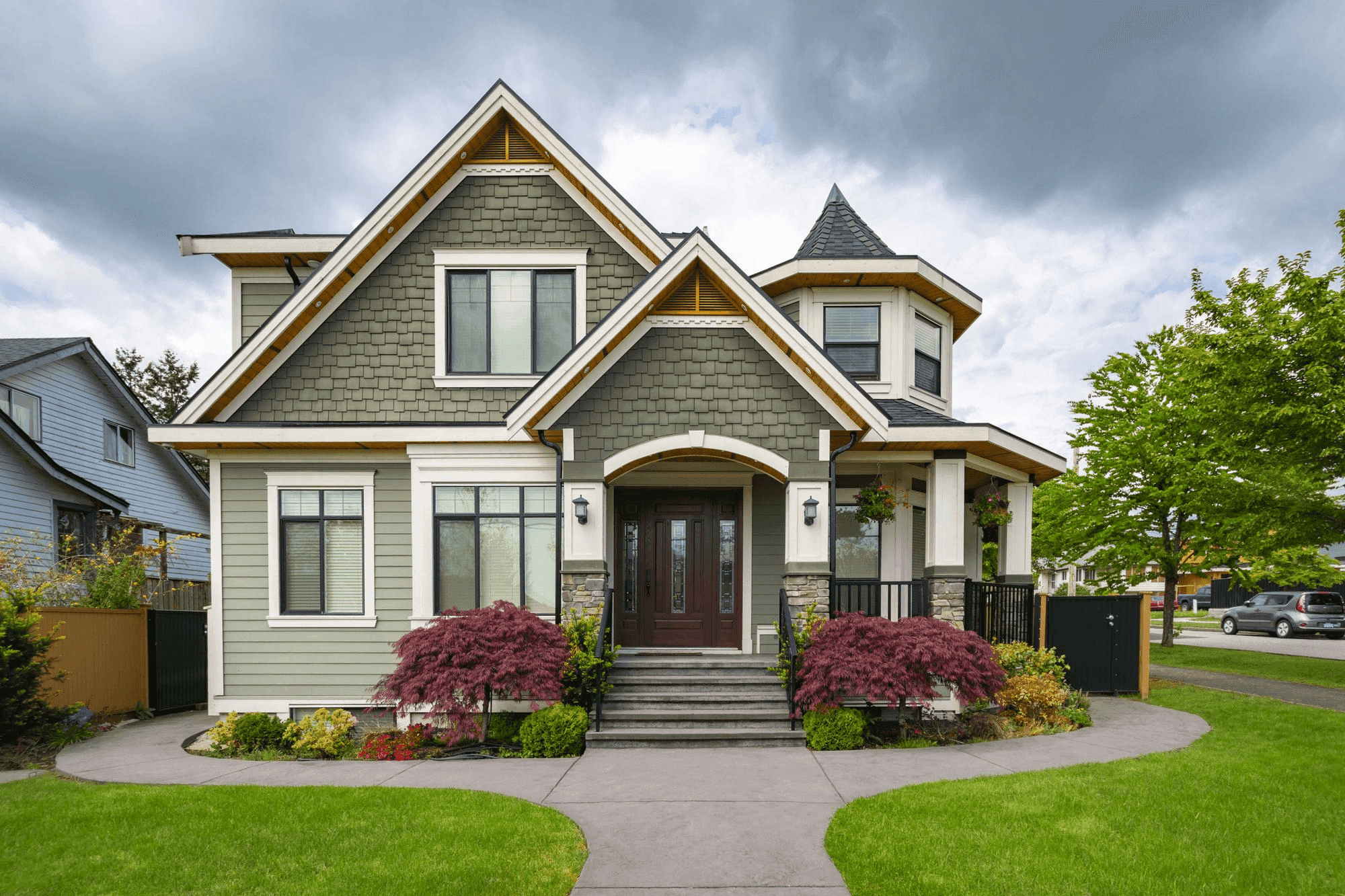
The 10 Most Affordable Places in Michigan
1. Flint - $49,154 typical home value
Flint remains the cheapest city on this list and one of the cheapest cities to live in Michigan overall, with a typical home value of $49,154, down 5.3% over the past year. At that price, a buyer putting down a modest amount could be looking at a monthly mortgage payment in the neighborhood of $400–$450, before factoring in a specific property's condition. The declining values here reflect an older housing stock with a wide range of condition rather than a citywide collapse - worth keeping in mind if you're comparing Flint to other cheap places to live in Michigan on price alone.
2. Detroit - $77,245 typical home value
Detroit's typical home value sits at $77,245, down 5.1% year over year. Rent here runs around $1,200 a month on average, with one-bedroom units closer to $950, which makes Detroit one of the more balanced cheap places to live in Michigan whether you're renting or buying. Certain neighborhoods are seeing real investment and redevelopment, while others remain priced for exactly what they are - a reminder that "Detroit" as a single data point covers a wide range of block-by-block realities.
3. Bay City - $104,845 typical home value
Bay City's typical home value is $104,845, up 7.1% over the past year - one of the faster-appreciating markets on this list. That combination of a still-affordable entry price and rising values is part of why Bay City shows up so often on lists of affordable cities in Michigan for buyers who want some room for the home to build equity rather than just holding steady. It's one of the more underrated entries among the most affordable places in Michigan for exactly that reason.
4. Inkster - $112,123 typical home value
Inkster's typical home value is $112,123, up 5.7% year over year. Its location just outside Detroit makes it a common pick for commuters who want proximity to the metro job market without metro Detroit pricing, which is a big part of what keeps it on lists of the cheapest cities to live in Michigan for people who work in or near the city. It's a consistent name on any serious list of the most affordable places in Michigan within Wayne County specifically.
5. Saginaw - approximately $116,000 typical home value
Saginaw's home values run around $116,000 based on current listing data, and rent here is genuinely low - the average sits near $950 a month, with one-bedrooms closer to $831. Between the home prices and the rent, Saginaw is one of the more complete answers to "what's the cheapest place to live in Michigan" if you're weighing renting against buying rather than assuming one is obviously better.
Saginaw's figure is pulled from active listing data rather than Zillow's Home Value Index and should be confirmed before publish.
6. Albion - $137,255 typical home value
Albion's typical home value is $137,255, essentially flat over the past year. It's a small college town anchored by Albion College, which keeps rental demand steadier than you'd expect for a city this size - something to factor in if you're evaluating it purely as one of the cheapest places to live in Michigan without accounting for the local rental market it sits inside.
7. Benton Harbor - $144,840 typical home value
Benton Harbor's typical home value is $144,840, down slightly over the past year. Its position on Lake Michigan gives it a different profile than most of the other affordable cities in Michigan on this list - waterfront access at a price point that would be unusual almost anywhere else in the state. That mix is rare enough that Benton Harbor stands out even among the most affordable places in Michigan with any kind of water access.
8. Lansing - $145,586 typical home value
As the state capital, Lansing's typical home value of $145,586 (up 2.4% year over year) is notable mainly because it pairs affordability with a genuinely diversified job market - government, education, and healthcare all have a real presence here. That combination is why Lansing tends to rank among the most affordable places to live in Michigan for people who want stability as much as a low price tag.
9. Pontiac - approximately $153,015 typical home value
Pontiac's typical home value is around $153,015 in the zip code data available, holding roughly flat over the past year.¹¹ Like Inkster, its proximity to Oakland County's job centers makes it a practical choice for buyers priced out of the immediate suburbs but still wanting a reasonable commute.
This figure reflects a specific zip code rather than a citywide Home Value Index and should be confirmed before publish.
10. Muskegon - $165,685 typical home value
Muskegon rounds out the list at $165,685, down slightly over the past year. It's the closest thing on this list to a lakefront lifestyle city, with Lake Michigan access that usually commands a real premium elsewhere. If your search for affordable cities in Michigan includes wanting to actually be near the water, Muskegon is worth a longer look.
What the Cost of Living in Michigan Looks Like Beyond Housing
Home prices are only one piece of the cost of living in Michigan. Michigan's average apartment rent is $1,414 a month statewide, with one-bedrooms averaging closer to $1,195 - both well under many neighboring states, which is a big part of why Michigan keeps showing up on national affordability rankings. Property taxes run higher than the national average in raw percentage terms, but they're applied against home values that are lower to begin with, so the actual dollar amount owed each year is often smaller than what a buyer would pay in a higher-priced state with a lower tax rate.
None of the cities on this list are outliers within that statewide picture. They're simply the places where the math works out furthest below the Michigan average, which is really what "most affordable places in Michigan" means in practical terms - not the absolute cheapest possible number, but the most consistent combination of low price and livability.
Renting vs. Buying in These Cities
If you're searching for affordable housing in Michigan for rent rather than a home to buy, several cities on this list are worth a direct look. Saginaw and Detroit both post rents meaningfully under the $1,414 statewide average, and smaller markets like Albion and Benton Harbor tend to have less competitive rental markets, which can mean more room to negotiate. This is one of the few places where renters searching for cheap options and buyers researching the most affordable places in Michigan end up looking at the same short list of cities.
Renting buys flexibility. Buying, even at these price points, starts building equity from month one - and at Flint's or Detroit's price levels, a monthly mortgage payment can land close to or even under what renters are paying in the same city. That's worth running the actual numbers on before assuming renting is automatically the cheaper option in any of these markets.
Which of These Cities Are Also the Safest?
"Cheapest and safest places to live in Michigan" is one of the most common ways people search for this topic, and it's a fair question - a low price means little if it comes with tradeoffs you're not willing to make. We'd point you to two things here rather than a simple ranking. First, safety and livability vary block by block within every city on this list, including the more expensive ones, so a citywide label rarely tells the full story. Second, according to NAR's 2025 Profile of Home Buyers and Sellers, 59% of buyers rank neighborhood quality as their most important factor in choosing where to live - ahead of schools, commute, and even price. That's worth weighing directly with a local agent or by walking a specific neighborhood, rather than relying on a citywide statistic to make the call for you. For a closer look at how individual Michigan cities compare on safety specifically, see our safest cities in Michigan guide.
Buying a Home? Get up to 1.5% Cash Back at Closing
Get pre-approved first, then start exploring homes knowing you can receive up to 1.5% of the home price back at closing.

What You'd Actually Pay Each Month If You Financed a Home Here
Home price alone doesn't tell you what a mortgage payment looks like. That depends on your down payment, your loan type, and current mortgage rates, which move regularly. Below are planning-level estimates for each city, based on a 30-year fixed loan, a rate in the mid-6% range, a down payment between 3% and 20%, and Michigan's typical effective property tax rate of roughly 1.3%. This is the table most people are really after when they search for the most affordable places in Michigan - not just the price, but what it turns into every month.
| City | Typical home value | Estimated monthly payment (P&I + tax + insurance) |
|---|---|---|
| Flint | $49,154 | $390–$450 |
| Detroit | $77,245 | $580–$670 |
| Bay City | $104,845 | $760–$880 |
| Inkster | $112,123 | $810–$930 |
| Saginaw | ~$116,000 | $840–$960 |
| Albion | $137,255 | $970–$1,120 |
| Benton Harbor | $144,840 | $1,020–$1,180 |
| Lansing | $145,586 | $1,030–$1,190 |
| Pontiac | ~$153,015 | $1,080–$1,240 |
| Muskegon | $165,685 | $1,160–$1,340 |
These are planning estimates, not a quoted rate or an offer. Mortgage rates today shift week to week, and your actual payment depends on your credit profile and the specific loan program you qualify for. The only way to get an exact number is to have a loan officer run it against your real financial picture.
Loan Options and Financing Tools Worth Knowing About
Whichever city on this list you're considering, the financing side works differently depending on your situation. Financing is often the deciding factor in whether one of the most affordable places in Michigan actually works for your budget, more so than the sticker price itself.
Conventional loans typically ask for 3%–5% down and tend to fit buyers with stronger credit who want fewer restrictions along the way. They're often the right call in Bay City, Lansing, or Muskegon, where home values are high enough that a slightly larger down payment still keeps the loan manageable.
FHA loans allow a lower down payment and are more forgiving on credit history and debt-to-income ratios, which is a big reason they show up so often in older housing stock like Flint's, Saginaw's, or Detroit's - this is one of the more common home loans for first-time home buyers looking at these cities specifically.
VA loans offer 0% down for eligible Veterans and tend to come with competitive terms. If VA eligibility applies to you, it's worth checking current VA loan rates before ruling out any city on this list based on price alone.
If you're earlier in the process, getting pre-qualified for a mortgage before you start touring homes tells you your realistic price range and strengthens your position once you do make an offer. reAlpha Mortgage operates as a mortgage brokerage, which means it shops your loan across a network of more than 100 lenders rather than offering just one fixed product. That matters here specifically, because the right loan for a $49,000 Flint property and the right loan for a $165,000 Muskegon property usually aren't the same one. You can check your mortgage options with reAlpha to see what you'd actually qualify for - there's no obligation involved.
It's also worth knowing what to expect at the closing table itself. Beyond the down payment, buyers typically need 2%–4% of the purchase price for closing costs, plus several months of prepaid taxes and insurance collected upfront into escrow. That gap between the down payment and total cash needed is where a lot of first-time buyers get caught off guard, so it's worth modeling early rather than discovering it two weeks before closing.
Down Payment Assistance in Michigan
The Michigan State Housing Development Authority runs the state's primary down payment assistance programs, layered on top of its MI Home Loan first mortgage. The MI 10K DPA provides up to $10,000 as a 0% interest, non-amortizing second loan, meaning it isn't repaid monthly - only when you sell, refinance, or pay off the first mortgage. Qualifying generally requires a credit score of at least 640 (660 for multi-section manufactured homes), income within county-specific limits, and a required homebuyer education course. A separate First-Generation grant for first time home buyers has offered up to $25,000 in targeted zip codes in the past, though funding availability shifts throughout the year - confirm current status with an MSHDA-approved lender before assuming either program is open.
Which of These Cities Is Right for You?
There isn't one answer to "what's the most affordable place to live in Michigan" that works for everyone on this list. Flint and Detroit offer the lowest entry price. Bay City and Saginaw pair low prices with rents that make renting genuinely competitive with buying. Lansing and Muskegon cost more but bring a stronger job market or lakefront access into the equation. The right pick depends on whether you're optimizing purely for price or for what that price buys you day to day.
Whichever city you're leaning toward, the most useful next step is seeing your actual numbers rather than working backward from a citywide average. Check your mortgage options with reAlpha to get a clearer read on what loan type, payment range, and down payment scenario fits your situation.
FAQs
What is the cheapest place to live in Michigan?
Based on current 2026 data, Flint has the lowest typical home value in the state at $49,154, followed closely by Detroit at $77,245. Both are strong answers to "cheapest place to live in Michigan," though the right fit still depends on your job, commute, and lifestyle needs.
What are the most affordable places to live in Michigan overall?
The 10 most affordable places in Michigan by current home value are Flint, Detroit, Bay City, Inkster, Saginaw, Albion, Benton Harbor, Lansing, Pontiac, and Muskegon - all sitting well below the statewide typical home value of $269,972.
What is the cost of living in Michigan compared to other states?
Michigan's cost of living runs below the national average on both housing and rent. The statewide average apartment rent is $1,414 a month, compared to a national average of roughly $1,950, and home values remain well under the national typical value of $370,320.
Is Michigan cheap to rent in?
Yes, relative to national averages. Cities like Saginaw (around $950/month average rent) and Detroit (around $1,200/month) are among the more affordable options for renters, and both also appear on this list of the most affordable places in Michigan for buyers.
What is the cheapest and safest place to live in Michigan?
There isn't a single official ranking that combines both factors reliably, since safety varies block by block within every city. Neighborhood quality is the top factor for most buyers according to national survey data, so it's worth researching specific neighborhoods within any of these affordable cities in Michigan rather than relying on a citywide label.
What down payment assistance programs are available in Michigan?
MSHDA's MI 10K DPA program offers up to $10,000 as a 0% interest second loan for qualifying buyers. Income limits, credit score requirements, and program funding availability vary by county and change throughout the year, so confirm current details with an MSHDA-approved lender.
Get the latest market trends, homebuying tips, and insider updates—straight to your inbox. No fluff, just the good stuff.
Article by
As a great communicator with excellent negotiation skills, I focus more on establishing unbreakable ties between my clients, as opposed to just helping them achieve their real estate dreams. As a representative of both buyers and sellers, I understand how to lead a transaction process to ensure that the needs of both are met. My track record speaks for itself. Since I ventured into the industry in 2013 as a realtor, I have not only helped many buyers land perfect homes, but I have also assisted tons of owners and investors build wealth.