New Homes in Texas Under $200K (2026)
March 29, 2026
5 Minutes
If every “affordable” new build you click says from the low $200s and then adds upgrades, lot premiums, and closing costs… you’re not imagining it. Texas is still the best shot for sub‑$200K new homes-if you target the right metros, builders, and timing windows.
In this guide, you’ll get:
- City‑by‑city opportunities (Houston, San Antonio, Dallas, Austin) with smart pockets to watch
- Builder‑side tactics that unlock under‑$200K price tags (specs, quarter‑end incentives, “orphaned inventory”)
- Financing plays that protect cash and payment while rates wiggle (buydowns, credits, timing)
- A tiny‑home vs. traditional reality check-who it’s great for, who should skip
Quick City Table - Where to Hunt Under $200K in Texas
| City/Area | New Builds < $200K (est.) | Typical Sq Ft | Notable Builder(s) | Notes |
|---|---|---|---|---|
| Houston Metro | I25–35 communities | 1,100–1,500 | Legend Homes, LGI Homes, D.R. Horton | Focus on outer-ring corridors along I-10, I-45, and Grand Parkway; watch for end-of-quarter spec deals. |
| San Antonio | 15–20 communities. | 950–1,350 | Lennar, KB Home, Bella Vista | Smaller footprints dominate; south/east pockets offer the best pricing; builder incentives can bridge the gap under $200K. |
| Dallas–Fort Worth | 10–15 communities | 1,000–1,400 | LGI Homes, HistoryMaker Homes | Mostly in exurbs and townhome projects, build-on-your-lot options can make the budget work. |
| Austin | Fewer than 5 communities | 400–1,000 | Clayton Homes, Champion Homes | Rare for traditional single-family; tiny homes and manufactured housing are the main sub-$200K path. |
Why Texas Still Works for Sub‑$200K (Macro - Micro)
Texas has the land, builders, and scale to make under‑$200K happen - but not everywhere, and not every week. Here’s the play:
- Follow the supply: Outer‑ring corridors (new infrastructure + cheaper land) = most under‑$200K activity.
- Track builder cycles: Discounts spike near month-/quarter‑end and when spec inventory ages past 45–60 days.
- Be product‑agnostic: Smaller single‑family footprints, townhomes, and manufactured/tiny‑home communities can all clear the $200K bar depending on zip.
- Watch fees: HOA + MUD + PID can erase a “cheap” sticker; total monthly matters more than list price.
Bundle your agent and mortgage. Save an average of $10,000.
Don't have an agent yet? Pair your reAlpha mortgage with a reAlpha agent, and you could get up to 1.5% cash back at closing.
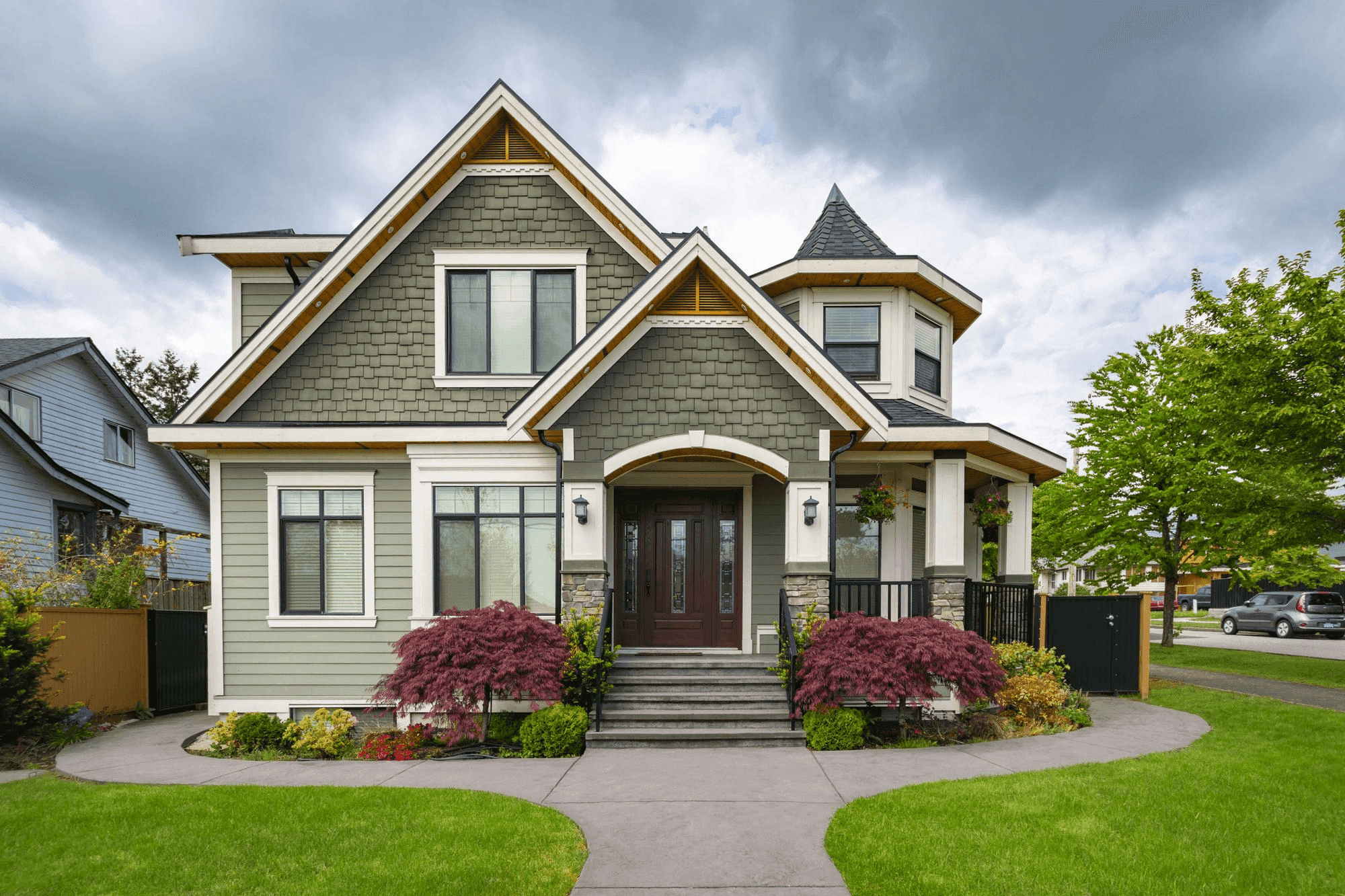
Houston: Highest Odds, Fastest Wins
Where to hunt:
- Outer loops & growth corridors near the Grand Parkway and along major interstates (I‑10, I‑45, US‑59/69) show the most churn and spec inventory.
- Builder patterns: When a community is opening new phases, earlier lots + base models are your best under‑$200K window.
How to negotiate:
- Ask for the “aged spec list” (homes that have sat ≥45 days).
- Bundle lender credits + rate buydown + appliance/upgrade credits rather than just price.
- Target week 3–4 in the month or the last 10 days of the quarter for decision leverage.
San Antonio: Smaller Footprints, Smart Timing
Where to hunt:
- South/east arcs and select exurbs with smaller lots or townhome products.
- New phases may list “low $200s,” but base models + incentives can push total cost under $200K equivalents.
Financing & fees:
- Weigh MUD/PID/HOA line items against rate buydowns - sometimes a slightly higher price with a better monthly beats a rock‑bottom list with heavy fees.
Negotiation triggers:
- Spec close‑outs, canceled contracts, and end‑of‑quarter cycles.
- “If we sign by Friday, can you structure buydown + closing cost credit to hit $X/month?” (anchor with your pre‑approval)
Dallas & Austin: Rare Under $200K - But Not Impossible
Reality check: Under‑$200K single‑family new builds are limited in these metros. Your play:
- Exurbs/townhomes: Watch outer counties and entry‑level townhome projects.
- Build‑on‑your‑lot: Pair modest plans with serviceable lots; keep finishes tight.
- Tiny/manufactured: Consider for downsizers/solo buyers - excellent price‑to‑payment control if lifestyle fits.
Decision filter:
- Family space needed? Go exurb/townhome.
- Land equity plan? Build‑on‑your‑lot.
- Payment first, minimalism OK? Tiny/manufactured.
Tiny Homes vs. Traditional: Pros, Cons, Fit
- Pros (Tiny/Manufactured): Lower base price, faster timelines, lower utilities/maintenance, often simpler qualification.
- Cons: Space/storage limits, zoning/placement constraints, resale audience narrower than traditional SFH.
- Who it fits: Minimalists, singles/couples, remote workers, ADU‑minded buyers, investors doing land‑plus‑unit plays.
- Who should skip: Households needing bedrooms, storage, or future‑proofing for kids/parents.
Strategies to Win
1. Get pre-approved with a buydown plan
Ask your lender for 2–3 rate scenarios (temporary vs. permanent buydown) and a credit-stack plan that keeps you at your target monthly payment. This gives you negotiating ammo before you even talk to a builder.
2. Time the builder
Shop in week 3-4 of the month or the last 10 days of the quarter. Request the “spec homes 45+ days old” list - these properties are costing builders money to hold, so they’re often more flexible on price and incentives.
3. Negotiate monthly, not just price
Instead of chasing a rock-bottom sticker, trade for closing cost credits, rate buydowns, and upgrade packages that lower your monthly payment and move-in expenses.
4. Audit fees early
Ask for full HOA, MUD, PID, and tax breakdowns before you commit. A home can be cheap on paper but expensive in reality if the fees are high.
Buying a Home? Get up to 1.5% Cash Back at Closing
Get pre-approved first, then start exploring homes knowing you can receive up to 1.5% of the home price back at closing.

Your $200K Texas Home Is Closer Than You Think
In today’s market, finding a new build under $200K in Texas isn’t about luck - it’s about strategy, timing, and the right team behind you. From knowing which corridors are still affordable to stacking builder incentives and negotiating for the lowest monthly payment, every decision compounds.
With reAlpha’s new buyer commission Cashback, you can take those savings even further:
- Receive a significant portion of the buyer agent’s commission back when you purchase a home through reAlpha.
- Combine that with the right mortgage strategy, and you’re not just getting a home - you’re locking in a payment and move-in cost that fits for the long haul.
If you’re ready to make your move, our mortgage team can get you pre-approved fast, map out three payment scenarios, and pair you with agents who know exactly where the sub-$200K opportunities are hiding.
FAQs
Can you still buy a new home under $200K in Texas in 2025?
Yes - mainly in outer-ring corridors where land is cheaper and inventory moves more slowly. Look for spec homes with builder incentives in Houston’s growth zones, select San Antonio neighborhoods, and limited DFW/Austin exurbs.
What’s the smartest way to get under $200K monthly (even if the list price is higher)?
Stack builder credits, lender credits, and a rate buydown while choosing base models with minimal premiums. Focus on negotiating to a target monthly payment instead of chasing the lowest sticker price.
Tiny home vs. traditional starter - how do I decide?
If you need more space, storage, or a stronger resale appeal, go traditional. If you want the lowest payment, fastest build time, and minimal upkeep, a tiny home or manufactured option can be a smart play - as long as the lifestyle fits.
When do builders discount the most?
Near month-end, quarter-end, and on spec homes are sitting 45–60+ days unsold. Ask sales reps for their “aged inventory” list - these homes are costing them to hold, so flexibility is highest.
What hidden costs can blow up my budget?
HOA, MUD, PID fees, property taxes, lot premiums, and upgrades can turn a “cheap” home into an expensive one. Get all fees in writing before you commit, so your total monthly payment stays within budget.
Get the latest market trends, homebuying tips, and insider updates—straight to your inbox. No fluff, just the good stuff.
Article by
As a great communicator with excellent negotiation skills, I focus more on establishing unbreakable ties between my clients, as opposed to just helping them achieve their real estate dreams. As a representative of both buyers and sellers, I understand how to lead a transaction process to ensure that the needs of both are met. My track record speaks for itself. Since I ventured into the industry in 2013 as a realtor, I have not only helped many buyers land perfect homes, but I have also assisted tons of owners and investors build wealth.