What do I need to know about primary residence insurance options?
April 13, 2026
9 minutes
Thinking about buying your first home? Here’s a question to consider before you start picking furniture: do you know what homeowners insurance covers and why lenders require it?
If you plan to finance your home with a mortgage, insurance is not optional. It’s one of those costs that sits quietly in the background until you need it. And when you need it, the details matter.
Let’s break it down so you can make smarter choices when you shop for your first home.
Why Homeowners Insurance Matters
- Required by lenders: If you take out a mortgage, your lender requires insurance. They get listed on your policy as a mortgagee. If your policy lapses, they can buy a policy for you. That’s called force-placed insurance. It costs more and protects them, not you.
- Financial protection:• Financial protection
- Package coverage: Most policies bundle property coverage with liability protection.
Homebuyers should understand available coverage options and select a policy that matches the property and financial situation.
What a Standard Policy Covers
Most homeowners policies include six main types of protection:
- Dwelling coverage (Coverage A): Pays to rebuild or repair your home.
- Other structures (Coverage B): Covers fences, sheds, detached garages.
- Personal property (Coverage C): Replaces belongings like furniture, clothing, electronics. typically set as a percentage of dwelling coverage, depending on insurer policy. Includes off-premises protection.
- Loss of use (Coverage D): Covers hotel bills and meals if your home is unlivable during repairs.
- Personal liability: Protects you if someone sues you for injury or damage caused by you, household occupants, or pets. Many insurers recommend liability coverage starting at $300,000
- Medical payments: Pays medical bills if someone gets hurt on your property, even if you aren’t at fault.
Bundle your agent and mortgage. Save an average of $10,000.
Don't have an agent yet? Pair your reAlpha mortgage with a reAlpha agent, and you could get up to 1.5% cash back at closing.
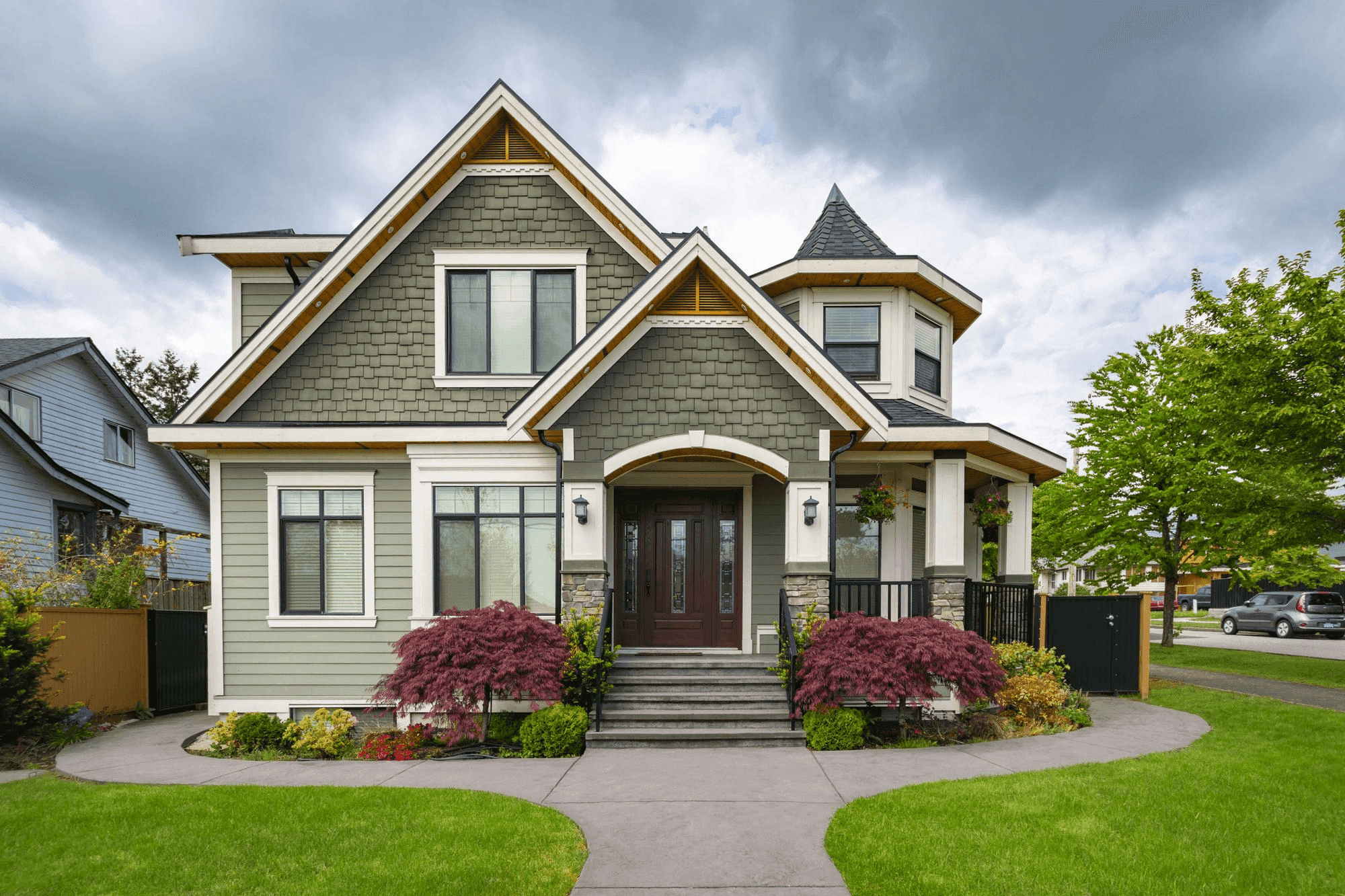
Types of Homeowners Policies
Policies come in different “HO forms.” For most buyers, two stand out:
- HO-3 (Special Form): A common coverage option for detached residential properties. Covers most risks except listed exclusions. Personal property is covered only against named risks.
- HO-5 (Comprehensive Form): Broader protection. HO-5 policies often include broader replacement cost coverage depending on insurer terms
Other forms exist for condos, renters, mobile homes, and older houses.
How Coverage Levels Work
You’ll run into terms like Actual Cash Value (ACV) and Replacement Cost Value (RCV). The difference is big:
- ACV: Pays what your house or belongings are worth after depreciation. You get less money.
- RCV: Pays to replace or rebuild with new materials, no depreciation. Costs more but safer.
- Guaranteed/Extended Replacement Cost: Pays to rebuild even if costs go over your policy limits. This protects against rising construction costs.
RCV coverage may provide stronger protection against rebuilding and replacement costs. It gives you peace of mind.
Deductibles and Premiums
Your deductible is what you pay out of pocket before insurance kicks in.
- Higher deductible = lower monthly premium. Example: Increasing your deductible may lower your premium, depending on insurer pricing
- Choose a deductible you can afford to pay in an emergency.
- Some disasters have special deductibles. Earthquake deductibles can be 2%–20% of your home’s replacement cost.
What’s Not Covered
A standard policy leaves out big risks.
- Floods: Not included. You need a separate flood policy. Average costs vary based on location and risk level
- Earthquakes: Not included. Separate policy or endorsement needed.
- Wear and tear: Maintenance problems like mold or pests are your responsibility.
- Sewer backups: Usually excluded unless you add coverage. Costs around $30–$70 a year for extra protection.
Optional Add-Ons
You can customize coverage with endorsements:
- Extra coverage for jewelry, art, firearms, or electronics.
- Ordinance or law coverage to bring your home up to code.
- Personal injury liability for libel or slander claims.
- Equipment breakdown coverage for appliances and systems.
- Service line coverage for underground utility repairs.
- Home business coverage if you run a business from home.
- Identity theft protection.
- Sinkhole or windstorm coverage in high-risk states.
These add-ons are not expensive but protect against overlooked risks.
Buying a Home? Get up to 1.5% Cash Back at Closing
Get pre-approved first, then start exploring homes knowing you can receive up to 1.5% of the home price back at closing.

Smart Shopping Tips
Insurance costs vary. Homebuyers should compare insurance options carefully alongside mortgage-related costs
- Compare multiple quotes: Prices can differ by hundreds of dollars. Get at least 5 quotes.
- Check insurer ratings: Look at A.M. Best, Moody’s, or S&P for financial stability.
- Don’t confuse home price with rebuild cost: Insure for the cost to rebuild, not what you paid.
- Review the home’s CLUE report: Past claims history affects your rates.
- Look for discounts:
1. Bundle auto and home insurance (5%–15% off).
2. Add storm shutters or reinforce your roof.
3. Install alarms and smoke detectors.
4. Maintain good credit.
5. Stay with the same insurer (loyalty discounts).
Maintaining Your Policy
- Review coverage yearly. Update after renovations or big purchases.
- Create a home inventory with photos and receipts. Store it safely.
- Understand the claims process. Filing too many small claims can raise your rates.
Climate Risks and the Future of Insurance
Climate change is already affecting insurance markets.
- In many high-risk regions, homeowners insurance premiums have increased significantly due to climate-related losses and rebuilding costs Insurance premiums may vary significantly depending on climate exposure, claims history, and regional rebuilding costs.
- Some insurers are leaving high-risk areas. State-run “last resort” programs fill the gap but cost more.
- Flood insurance rules may get stricter. Lenders could factor flood risk into loan eligibility.
- FEMA and others are working on better flood risk data. Expect more transparency in the future.
If you’re buying your first home, factor in long-term insurance costs. A house in a floodplain may be harder to insure and more expensive than you expect.
Key Takeaways for First-Time Buyers
- You need insurance if you have a mortgage.
- Choose RCV coverage if you want stronger protection.
- Budget for deductibles and exclusions.
- Add endorsements for your personal situation.
- Shop around and use discounts to save money.
- Research insurance costs before you buy a house, not after.
Ready to buy or sell smarter?
With reAlpha, With reAlpha, eligible buyers may receive cash back at closing when using qualifying bundled services.while gaining access to reAlpha helps buyers compare financing options, evaluate affordability, and coordinate key steps throughout the transaction.
See how reAlpha helps buyers streamline decisions before making an offer.
Get the latest market trends, homebuying tips, and insider updates—straight to your inbox. No fluff, just the good stuff.
Article by
As a great communicator with excellent negotiation skills, I focus more on establishing unbreakable ties between my clients, as opposed to just helping them achieve their real estate dreams. As a representative of both buyers and sellers, I understand how to lead a transaction process to ensure that the needs of both are met. My track record speaks for itself. Since I ventured into the industry in 2013 as a realtor, I have not only helped many buyers land perfect homes, but I have also assisted tons of owners and investors build wealth.