CMA vs Income & Cost Approaches: Which is Best for Accurate Property Valuation?
March 30, 2026
9 minutes
Property valuation determines a property's market value by considering various factors. Appraisers use methods such as Comparative Market Analysis, the Income Approach, and the Cost Approach, evaluating aspects like location, size, condition, and amenities. Market analysis and economic factors like job market conditions and interest rates also play crucial roles. These combined elements help appraisers provide accurate property valuations.
Different Methods Used for Property Valuation
- Comparative Market Analysis (CMA): This method involves comparing the property in question to similar properties that have recently sold in the same area. By analyzing these comparable sales, appraisers can estimate the value of the subject property.
- Income Approach: Commonly used for commercial properties, this method focuses on the property's potential income generation. By evaluating factors such as rental income and operating expenses, appraisers can determine the property's value based on its income-producing capabilities.
- Cost Approach: This method calculates the value of a property by considering the cost of replacing or reproducing it. Appraisers factor in the cost of land, construction, and depreciation to arrive at an estimate of the property's value.
How Appraisers Determine Property Value
Appraisers use a combination of methods to determine the value of a property accurately. They consider factors such as the property's location, size, condition, and amenities. By conducting thorough inspections, researching market trends, and analyzing comparable sales data, appraisers can arrive at a fair and unbiased valuation.
The Role of Market Analysis in Property Valuation
Market analysis plays a crucial role in property valuation by providing valuable insights into the current real estate market trends. Appraisers assess factors such as supply and demand, economic conditions, and market fluctuations to gauge the value of a property accurately. By staying informed about market dynamics, appraisers can ensure that their valuations reflect the true worth of a property.
Bundle your agent and mortgage. Save an average of $10,000.
Don't have an agent yet? Pair your reAlpha mortgage with a reAlpha agent, and you could get up to 1.5% cash back at closing.
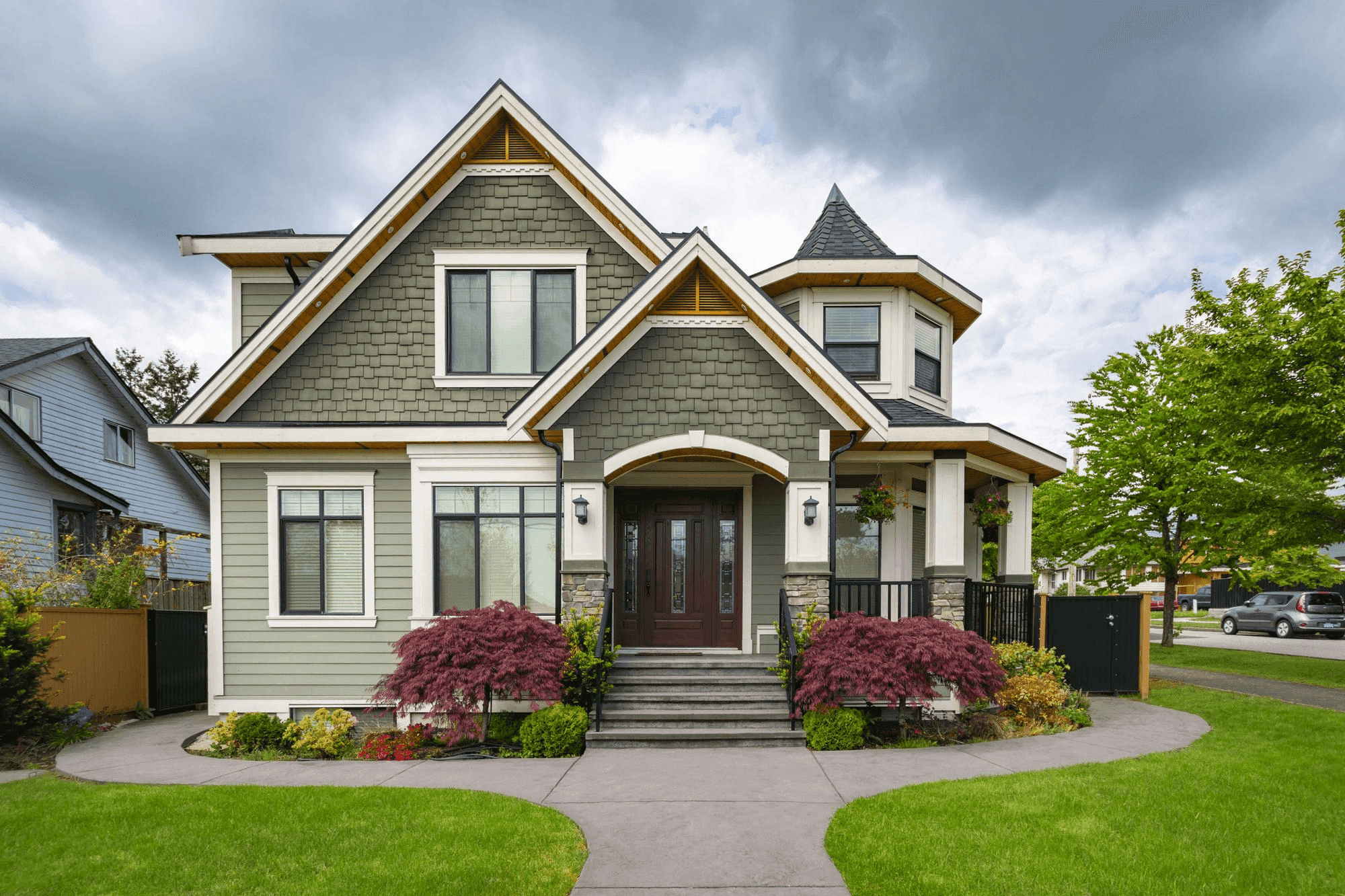
Characteristics of the Property Affecting Its Value
- Location: The adage "location, location, location" holds true in real estate. Properties situated in desirable neighborhoods, close to amenities, transportation, and employment hubs tend to have higher values.
- Size: The size of the property, including the land area and the built-up area, is a crucial factor in determining its value. Generally, larger properties command higher prices, all else being equal.
- Condition: The overall condition of the property, including its structural integrity, maintenance, and any necessary repairs or renovations, plays a significant role in its valuation.
- Age and Architectural Style: The age and architectural style of the property can influence its value. Historic properties or those with unique architectural features may have higher values due to their rarity and desirability.
- Interior Condition and Layout: The interior condition, including the quality of finishes, fixtures, and appliances, as well as the functionality and flow of the layout, can significantly impact the property's value.
Size of the Property and Its Influence on Value
The size of the property is a key factor in determining its value. Larger properties generally have higher values, as they offer more living space, amenities, and potential for expansion or development. However, the value per square foot may decrease as the property size increases, as larger properties may have higher maintenance costs and require more resources to maintain.
Impact of Property Condition on Its Value
The condition of the property is a critical factor in its valuation. Properties in excellent condition, with minimal repairs needed, tend to have higher values compared to those requiring significant renovations or repairs. Buyers are often willing to pay a premium for properties that are move-in ready and require minimal work.
Age and Architectural Styles Effect on Property Value
The age and architectural style of the property can significantly impact its value. Historic properties or those with unique architectural features may have higher values due to their rarity and desirability. However, older properties may also require more maintenance and repairs, which can offset their value.
Role of Interior Condition and Layout in Property Valuation
The interior condition and layout of the property play a crucial role in its valuation. Properties with high-quality finishes, fixtures, and appliances, as well as functional and aesthetically pleasing layouts, tend to have higher values. Buyers often prioritize properties with open floor plans, ample natural light, and well-designed spaces that cater to their lifestyle needs.
Impact of Location on Property Value
The location of a property has a significant impact on its value. Here are some key ways location influences property value:
- Proximity to Amenities: Properties located close to desirable amenities like schools, hospitals, shopping centers, restaurants, and entertainment venues tend to have higher values. Convenient access to these amenities makes a location more appealing to potential buyers.
- Neighborhood Quality: The overall quality and desirability of a neighborhood can greatly impact property values. Factors like safety, cleanliness, community feel, and local amenities make some neighborhoods more attractive than others.
- Accessibility and Transportation: Easy access to major highways, public transportation, and airports enhances a location's appeal and property values. Well-connected areas with reduced commute times often see higher appreciation over time.
- Economic Factors: The economic stability and growth potential of an area influence property values. Locations with robust job markets, high incomes, and planned infrastructure projects tend to see increased demand and rising property prices.
- Environmental Factors: Proximity to natural amenities like parks, beaches, or scenic views can boost property values by offering residents a higher quality of life. Conversely, properties in areas prone to environmental hazards may see lower values due to increased risk.
- Market Dynamics: Supply and demand dynamics, interest rates, and overall market sentiment in a given location impact property values. Desirable areas with limited inventory often see prices escalate rapidly in competitive markets.
Influence of Local Amenities and Facilities on Property Value
Local amenities and facilities have a significant impact on property values. Properties located near desirable amenities tend to have higher values due to increased demand from buyers.
Some of the key ways local amenities influence property values include:
- Proximity to Good Schools: Homes near high-quality schools command a premium, as families with children prioritize access to good education. Properties in the vicinity of respected schools see consistent demand, fostering a stable real estate market
- Availability of Parks and Green Spaces: Real estate adjacent to parks, trails, and green spaces often sees a marked increase in value. These areas provide residents with easily accessible exercise, recreation, and relaxation venues, enhancing quality of life.
- Access to Public Transportation: Adequate public transport facilities reduce reliance on private vehicles, leading to savings in time, energy, and financial resources. This feature, especially in urban areas, draws many property buyers.
- Nearby Shopping, Dining, and Entertainment: The availability of shopping, dining, and entertainment options can make a location more convenient and desirable. Properties located within walking distance of these amenities may be especially attractive to buyers.
- Presence of Healthcare Facilities: The proximity of health and wellness centers adds convenience and assurance for residents, contributing to a neighborhood's allure. These centers often become hubs for community health initiatives, promoting a culture of wellness.
Buying a Home? Get up to 1.5% Cash Back at Closing
Get pre-approved first, then start exploring homes knowing you can receive up to 1.5% of the home price back at closing.

Role of Economic Factors in Property Value
Economic factors such as the job market and interest rates play a significant role in influencing property value. Here's how these factors impact the real estate market:
- Job Market: A strong job market with low unemployment rates and job growth tends to drive up property values. When there are ample employment opportunities in an area, it attracts more people looking to relocate for work, increasing demand for housing. As job prospects improve, individuals feel more confident in making long-term investments like buying a home, leading to a rise in property values.
- Interest Rates: Fluctuations in interest rates can have a direct impact on property values. Lower interest rates make borrowing more affordable, leading to increased demand for mortgages and real estate. This heightened demand can drive up property prices as more buyers enter the market to take advantage of favorable borrowing conditions. Conversely, higher interest rates can deter buyers due to increased borrowing costs, leading to decreased demand and potentially lower property values.
Impact of Real Estate Market Conditions on Property Valuation
The real estate market condition plays a crucial role in property valuation. Here's how the real estate market condition influences property valuation:
- Supply and Demand Dynamics: The real estate market condition, characterized by the balance between supply and demand, directly impacts property valuation. In a seller's market with high demand and limited inventory, property values tend to rise due to increased competition among buyers. Conversely, in a buyer's market with surplus inventory and lower demand, property values may stagnate or even decrease as sellers adjust prices to attract buyers.
- Market Perception: Market sentiment and perception of a location can significantly influence property values. Positive market sentiment, driven by factors like economic growth, job opportunities, and infrastructure development, can lead to increased demand and higher property values. Conversely, negative market sentiment, such as economic downturns or unfavorable local conditions, can dampen demand and result in lower property values.
- Interest Rates: Fluctuations in interest rates impact property valuation by affecting borrowing costs for buyers. Lower interest rates make mortgages more affordable, stimulating demand and potentially driving up property values. Conversely, higher interest rates can deter buyers due to increased borrowing costs, leading to decreased demand and potentially lower property values.
- Economic Stability: Overall economic stability, including factors like job market strength, GDP growth, and unemployment rates, influences property values. Areas with robust job markets and high average incomes often experience increased demand for housing, leading to higher property prices. Economic downturns or job losses in a region can lead to decreased demand and lower property values.
- Market Trends: Real estate market trends, such as buyer preferences, investment patterns, and shifts in demand, play a significant role in property valuation. Understanding current market trends and buyer behavior is essential for accurately assessing property values and making informed decisions in real estate transactions.
Influence of Environmental Factors on Property Value
Environmental factors such as crime rate and pollution can significantly impact property value. Here's how these factors influence property valuation based on the provided sources:
- Crime Rate: High crime rates in an area can have a detrimental effect on property values. Potential buyers are often deterred by concerns about safety and security, leading to decreased demand for properties in high-crime neighborhoods. Properties in safer areas with lower crime rates tend to have higher values due to increased desirability and perceived security
- Pollution: Pollution, whether air, water, or noise pollution, can also affect property values. Properties located near sources of pollution, such as industrial sites, highways, or waste facilities, may experience decreased values due to health concerns and environmental hazards. On the other hand, properties in clean, green environments with good air quality and minimal pollution tend to command higher prices due to the quality of life they offer residents
- Environmental Amenities: Conversely, environmental amenities like proximity to parks, green spaces, and scenic views can enhance property values. Properties with access to natural amenities often attract buyers willing to pay a premium for a higher quality of life and a pleasant living environment. The presence of greenery, water bodies, and natural surroundings can positively influence property values by enhancing the overall appeal of the location.
Ready to buy or sell smarter?
With reAlpha, you can receive a significant portion of the buyer agent commission back while gaining access to AI-powered insights on affordability, the right time to buy, and market forecasts.
Sign up free with reAlpha today
Summary
Property valuation determines market value by considering factors such as location, size, condition, and amenities. Methods like Comparative Market Analysis, the Income Approach, and the Cost Approach are used, along with economic factors like job market conditions and interest rates. By combining these elements, appraisers provide accurate property valuations.
Get the latest market trends, homebuying tips, and insider updates—straight to your inbox. No fluff, just the good stuff.
Article by
As a great communicator with excellent negotiation skills, I focus more on establishing unbreakable ties between my clients, as opposed to just helping them achieve their real estate dreams. As a representative of both buyers and sellers, I understand how to lead a transaction process to ensure that the needs of both are met. My track record speaks for itself. Since I ventured into the industry in 2013 as a realtor, I have not only helped many buyers land perfect homes, but I have also assisted tons of owners and investors build wealth.