What are the methods for analyzing market trends to ensure precise property valuation?
April 3, 2026
7 minutes
Buying a home is one of the biggest financial decisions you’ll make. But how do you know if the price you see is fair? Precise property valuation depends on more than a quick online search. It requires understanding market trends, comparing methods, and looking at data the right way.
If you’re a first-time buyer, here’s how to analyze market conditions and use the best valuation methods to avoid overpaying.
Why Market Trends Matter for Valuation
Home values don’t exist in isolation. They’re shaped by larger forces in the market. Here’s what’s influencing prices in 2025:
- Mortgage rates: Rates remain between 6% and 7%. Higher rates increase monthly payments, which affects affordability and limits buyer demand.
- Inventory: Many homeowners hold onto low-rate mortgages from before 2022, keeping supply tight. Limited listings put pressure on prices.
- Uncertain policy: If inflation drops, the Federal Reserve could reduce rates, bringing more buyers into the market. That shift would support higher values.
- Local conditions: National averages don’t tell the whole story. Your metro or neighborhood data will always be more accurate for valuation than broad reports.
Takeaway for buyers: Watch how these factors shift in your target area. A home that looks expensive today may align with its true market value when you compare it against current supply, demand, and financing conditions.
Methods for Analyzing Property Value
Valuation methods fall into two main categories: automated tools and professional assessments. Each comes with different levels of reliability.
Bundle your agent and mortgage. Save an average of $10,000.
Don't have an agent yet? Pair your reAlpha mortgage with a reAlpha agent, and you could get up to 1.5% cash back at closing.
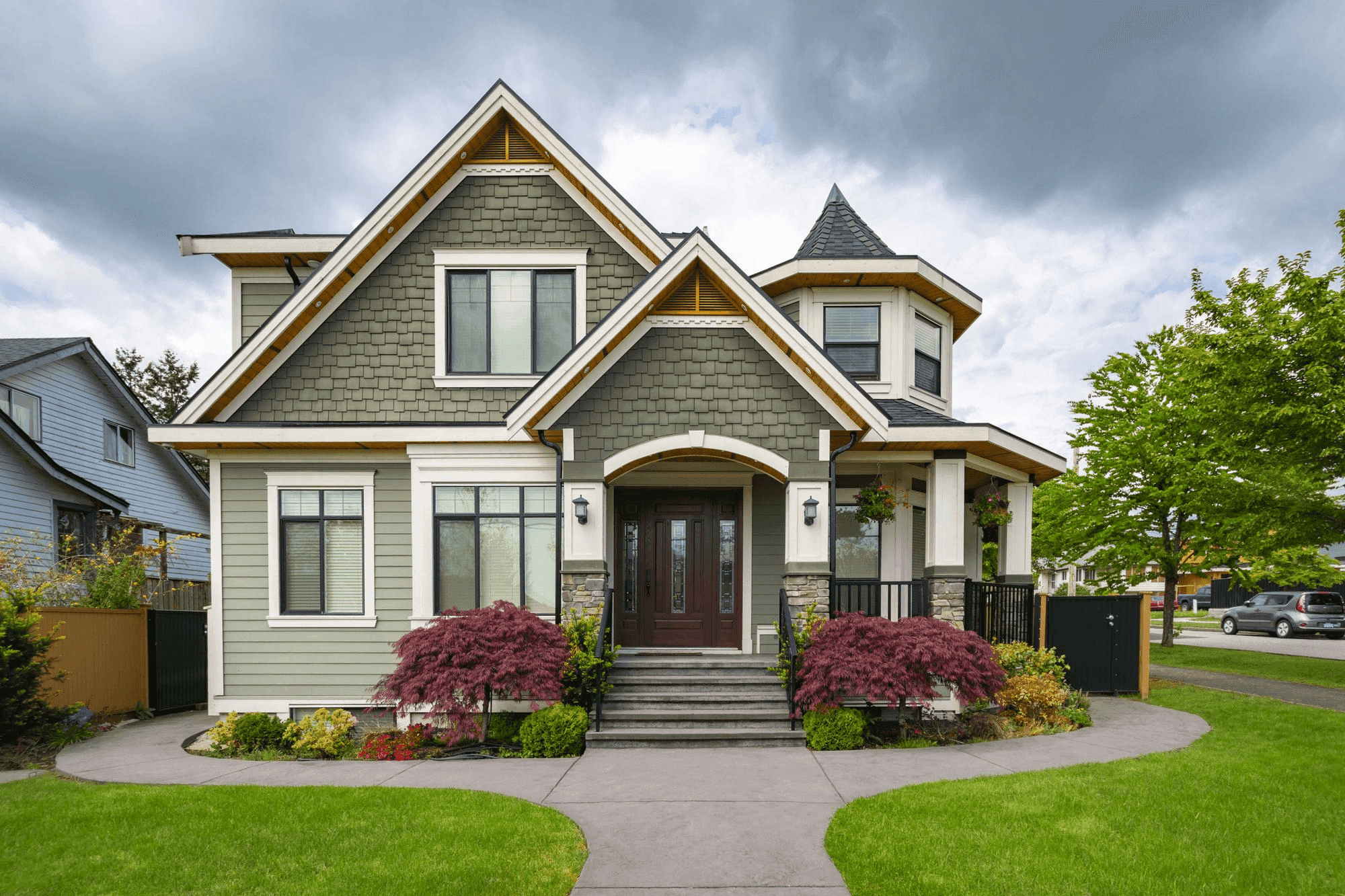
Automated Valuation Models (AVMs)
Some sites use software to predict property value. They are fast and free, but limited.
- Error rate: For homes not listed, estimates are often off by 7% or more. A $400,000 home could be valued $28,000 higher or lower.
- Condition blind: AVMs assume “average condition.” They ignore upgrades or issues like roof age or traffic noise.
- Data sensitive: If the listing data is wrong (e.g., bedrooms, square footage), the estimate suffers.
- Market lag: In fast-changing markets, the algorithm often lags behind reality.
- Best use: Treat AVMs as a rough starting point. Don’t rely on them for final decisions.
Professional Valuation Methods
- Comparative Market Analysis (CMA): Realtors review recent sales of similar homes, adjust for upgrades or flaws, and give you a realistic value.
- Appraisal: Lenders require this for mortgages. Certified appraisers inspect the property, compare it with recent sales, and issue an unbiased report.
- Regulated process: Appraisers follow strict rules to ensure integrity. Loan officers and brokers can’t influence valuations.
These methods incorporate condition, location, and real-time market activity-factors AVMs ignore.
AVMs vs Professional Valuation
Aspect | AVMs | Professional Valuation (CMA/Appraisal) |
|---|---|---|
| Speed | Instant online estimate | Takes a few days |
| Cost | Free | CMA often free, Appraisal $400–$700 |
Accuracy | Median error ~7% | Much higher accuracy |
Condition Adjustments | No, assumes average | Yes, considers upgrades, wear, location |
Use Case | Rough idea, early research | Required for lending, final pricing |
Takeaway for buyers: Online tools help you start, but professional input ensures accuracy.
Buying a Home? Get up to 1.5% Cash Back at Closing
Get pre-approved first, then start exploring homes knowing you can receive up to 1.5% of the home price back at closing.

How Buyers Should Analyze Market Data
You don’t need to be an economist to track trends. Simple steps help you evaluate whether a home is priced fairly.
- Check recent sales: Look at homes sold in your neighborhood of interest in the last 3–6 months.
- Track local supply: Ask how many listings are active in the area. Fewer listings usually mean firmer prices.
- Compare time on market: A home sitting unsold for months may be overpriced.
- Follow mortgage rate trends: Even a 0.5% change in rates shifts affordability.
- Budget beyond price: Don’t forget taxes, HOA fees, and maintenance when comparing homes.
FAQs
How do interest rates affect property valuation?
Higher rates reduce buyer demand since monthly payments increase. This can cool price growth, but low inventory often offsets the effect.
Are online estimates reliable for first-time buyers?
They’re useful for a ballpark figure, but too broad for precise decisions. Always confirm with a CMA or appraisal.
What’s the difference between a CMA and an appraisal?
A CMA is prepared by a realtor and often free. An appraisal is done by a licensed appraiser, required for lending, and more detailed.
How often should I check market data before making an offer?
Weekly tracking is enough. Local conditions shift quickly, and staying updated helps you spot overpricing.
Do neighborhood factors really influence valuation?
Yes. Schools, safety, transport, and amenities directly impact long-term property value.
Final Thoughts
Precise valuation isn’t about one tool or one number. It’s about combining market trend analysis with professional input.
For first-time buyers, the process looks like this:
- Monitor local mortgage rates and supply.
- Use AVMs for a general idea
- Confirm with a CMA or appraisal.
- Review neighborhood and hidden costs.
When you connect these pieces, you’ll know if the asking price reflects reality-and you’ll avoid paying more than the home is worth.
Ready to buy or sell smarter?
With reAlpha, you can receive a significant portion of the buyer agent commission back while gaining access to AI-powered insights on affordability, optimal timing, and market forecasts.
Get the latest market trends, homebuying tips, and insider updates—straight to your inbox. No fluff, just the good stuff.
Article by
As a great communicator with excellent negotiation skills, I focus more on establishing unbreakable ties between my clients, as opposed to just helping them achieve their real estate dreams. As a representative of both buyers and sellers, I understand how to lead a transaction process to ensure that the needs of both are met. My track record speaks for itself. Since I ventured into the industry in 2013 as a realtor, I have not only helped many buyers land perfect homes, but I have also assisted tons of owners and investors build wealth.