What are the key strategies and factors influencing real estate pricing in the US market?
April 3, 2026
21 minutes
Real estate pricing strategies the various approaches and tactics employed by sellers, buyers, real estate agents, and other stakeholders to determine and influence the pricing of properties in the market. These strategies involve analyzing market trends, economic indicators, government policies, property characteristics, and buyer preferences to set competitive prices, negotiate deals, and maximize returns on real estate transactions. Real estate pricing strategies aim to balance factors such as supply and demand dynamics, property value appreciation, seller goals, and buyer affordability to achieve successful outcomes in the buying and selling of real estate properties.
Some of the commonly utilized real estate pricing strategies include:
- Market Value Pricing: Aligning the property's price with its current market value, based on an analysis of recent comparable sales and industry benchmarks.
- Aspirational Pricing: Setting the price above the market value to create a perception of exclusivity and scarcity, appealing to a select group of buyers.
- Below-Market Pricing: Intentionally pricing the property below the market value to attract a larger pool of buyers, potentially leading to bidding wars and higher final sale prices.
- Value Range Pricing: Offering a price range instead of a fixed figure, providing flexibility in negotiations and accommodating fluctuations in market conditions.
- Absorption Pricing: Strategically pricing the property below the competition to facilitate a quicker sale, particularly in high-inventory markets.
- Bait Pricing: Initially listing the property at a significantly lower price to generate buyer interest, followed by a subsequent price increase.
Market Trends:
Market trends in US real estate refer to the ongoing patterns and changes observed in property values, sales volume, inventory levels, and buyer preferences. These trends provide insights into the overall direction of the market, guiding stakeholders in decision-making regarding investments, pricing strategies, and market positioning.
Effects of urbanization on real estate pricing
Urbanization has various effects on real estate pricing, which can be observed in different aspects such as location environment, self-characteristics of the residences, and types of residences and developers.
- Location Environment: As cities expand, new residential areas are developed, and existing ones are transformed. The proximity of a residence to amenities such as schools, hospitals, shopping centers, and parks can significantly impact its price. Additionally, the quality of the surrounding environment, including factors like air and noise pollution, green spaces, and transportation infrastructure, also plays a crucial role in determining real estate prices.
- Self-Characteristics of Residences Urbanization influences the self-characteristics of residences, such as size, layout, design, and age. As cities grow, there is a demand for diverse housing options to cater to various resident needs. This demand can lead to the development of new housing styles and designs, impacting real estate prices. For instance, modern high-rise apartments with advanced amenities and energy-efficient features may command higher prices than older, less efficient buildings.
- Types of Residences and Developers The types of residences and developers in urban areas can also affect real estate pricing. Different types of residences, such as apartments, townhouses, and detached houses, cater to different consumer preferences and have varying price points. Similarly, different developers may have different target markets and pricing strategies, which can influence the prices of their residential projects. According to a study conducted in Fuzhou, China, the price of commercial residences can vary depending on the types of residences and developers, and different types of residences and developers are subject to distinct levels of price regulation.
Bundle your agent and mortgage. Save an average of $10,000.
Don't have an agent yet? Pair your reAlpha mortgage with a reAlpha agent, and you could get up to 1.5% cash back at closing.
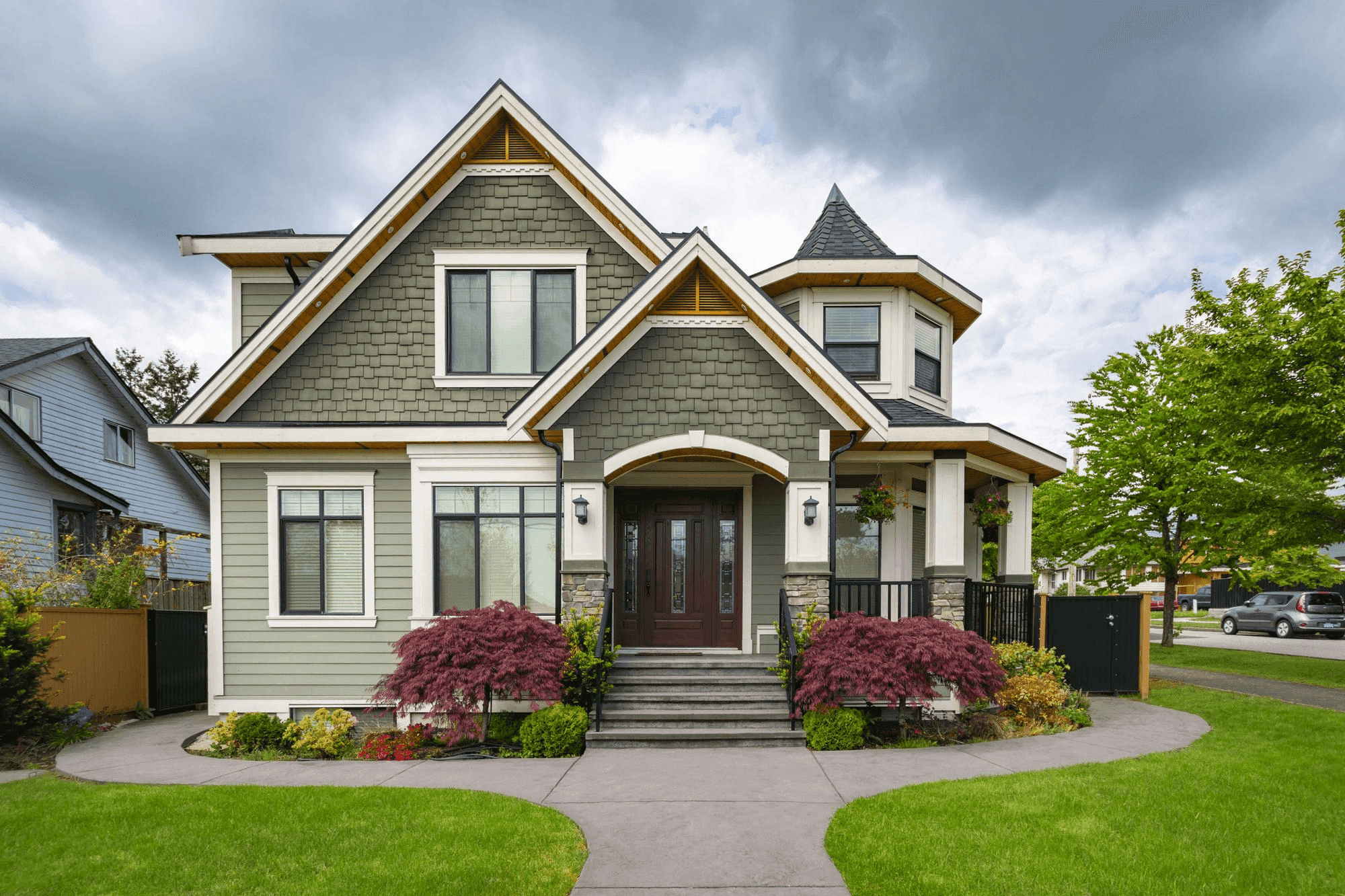
Suburban migration impact property prices:
Suburban migration has led to a shift in preferences toward suburban living, resulting in an increase in relative house prices in suburban areas. This trend is driven by individuals whose jobs support remote work and whose financial means support relocation. The influx of wealthier residents into suburban areas has consequences for housing affordability, as existing homeowners may see an increase in their property values, while new buyers face a substantial barrier to entry due to surging house prices.The persistence of urban-suburban house price rebalancing reflects continuing preferences for working from home, with immediate and long-term implications for commercial and residential real estate.
Economic Indicators:
Economic indicators play a significant role in guiding property valuation and influencing real estate market trends.
Some key economic indicators that affect real estate pricing include:
- GDP Growth: A growing economy often leads to increased property values, as it signifies prosperity and attracts investors
- Employment Rates: High employment rates generally mean higher demand for housing, as more people working translates to more people looking for homes, driving property values up
- Interest Rates: The cost of borrowing money matters in real estate. When interest rates are low, it's more affordable to buy property, increasing demand and property values. Conversely, higher interest rates can decrease demand and property values
- Housing Supply Dynamics: An imbalance between supply and demand can either push prices up or bring them down. Limited housing supply can lead to increased competition and prices in those areas
- Location Factors: Real estate professionals know that location dictates demand. Factors such as job opportunities, new businesses, and infrastructure development can affect property values within a specific area
- Government Policies: Regulations like zoning or rent control can significantly affect property values and investment returns. Government incentives, such as tax credits, deductions, and subsidies, can temporarily boost demand for real estate
Government Policies Affecting Real Estate Pricing:
Government policies significantly impact real estate pricing through various factors such as regulations and legislation, demographics and population, and future technology.
- Regulations and Legislation: Government policies, zoning laws, building codes, and subsidies play a crucial role in determining real estate prices. Tax subsidies, policy changes, and other government-induced legalities can positively or negatively impact the real estate market.
- Demographics and Population: Population growth, age distribution, and migration patterns are critical factors that affect real estate pricing. Government policies that encourage immigration or support family planning can influence population growth and, consequently, real estate demand and pricing.
- Future Technology: Advancements in construction, energy efficiency, and sustainability can impact real estate pricing. Government policies that promote the adoption of new technologies, such as green building standards or incentives for energy-efficient homes, can increase the demand for and value of properties that incorporate these features.
- Tax Credits and Deductions: Government policies that provide tax credits or deductions for homebuyers or real estate investors can temporarily boost demand for real estate, leading to increased prices. For example, the first-time homebuyer's tax credit introduced in the US in 2009 resulted in a temporary increase in home sales and prices.
- Rent Control: Some governments implement rent control policies to make housing more affordable for low- and moderate-income people. However, rent control can have unintended consequences, such as decreasing the supply of rental units and leading to an overall decrease in the quality of rental units. It's important to be aware of how rent control might impact the market for commercial real estate before making investment decisions
Buying a Home? Get up to 1.5% Cash Back at Closing
Get pre-approved first, then start exploring homes knowing you can receive up to 1.5% of the home price back at closing.

Factors Influencing Property Characteristics and Pricing:
Property characteristics significantly influence rental prices and property values. Key factors include property type, number of bedrooms, living space, furnishing, extra features, building quality, age and condition, energy efficiency, renovation potential, and unique features. Standalone houses or luxury apartments typically command higher prices than standard apartments due to extra space and amenities. More bedrooms and larger living spaces generally mean higher rental costs or sale prices. Understanding these property characteristics can help potential renters, buyers, or investors make informed decisions about rental or sale prices.
Determining Property Prices by Sellers:
Sellers employ various strategies to determine property prices, aiming to set an attractive yet competitive price. These strategies often involve a combination of approaches that consider local property values, real estate pricing pyramids, and online price filters.
Here are some key methods sellers use to determine property prices:
- Automated Valuation Models (AVMs): Sellers can use tools like HomeLight's Home Value Estimator to get an initial idea of their property's value. These tools pull publicly available data, such as the home's last sale price, current market trends, and recent sales records, to provide an estimated range of value for the property
- Comparative Market Analysis (CMA): Sellers can look at comparable sales, or "comps," to price individual houses and capture recent changes in the market. A comparative market analysis puts the home side-by-side against other recently sold properties that are similar in condition, size, and location.
- Real Estate Appraisal Methods: Sellers can use appraisal methods to generate accurate property values. The three most commonly used valuation methods are the cost approach, sales comparison approach, and income capitalization approach.
- Online Home Valuation Tools: Sellers can use online platforms and tools to get estimates of their home's value based on recent sales data and other factors. However, these tools may not always provide accurate results, as many factors impact a home's value
- Consulting with a Professional Appraiser or REALTOR®: Sellers can seek guidance from professionals to determine their home's value. A seasoned appraiser will look at the property in exacting detail against other similar homes, while a real estate agent can provide market insights and comparative data
Buyer Preferences Impacting Real Estate Pricing:
Real estate pricing is influenced by various factors, including location, supply and demand, accessibility, demographics, and competition. The location of a property influences its accessibility to amenities, proximity to schools, hospitals, and workplaces, and the overall desirability of the area. Historical trends show that properties located in desirable areas tend to appreciate in value over time, while those in less desirable areas may depreciate or experience slower growth. Competition among similar properties in the same area can also affect property values, with increased competition potentially leading to a decrease in the value of each property. Understanding the importance of location analysis and considering these factors is crucial when determining the initial property worth and making informed decisions in real estate investment.
Influence Factors on Real Estate Pricing:
Influence factors on real estate pricing refer to the various macro-economic and micro-economic factors that affect the value of real estate properties. These factors can impact the purchasing power of consumers, the cost of borrowing money, and the profitability of real estate developments. Some of the most significant factors influencing real estate pricing include inflation and interest rates, exchange rates, GDP growth, demographics, government policies, and technology. Understanding these factors is essential for homeowners, sellers, and potential buyers in navigating the real estate market.
Economic Conditions on Real Estate Pricing:
Economic conditions significantly impact real estate pricing. The overall health of the economy, such as GDP, unemployment rates, and income growth, affects consumers' ability to support housing prices. Interest rates set by the Federal Reserve also play a crucial role, as lower rates lead to lower mortgage offers from banks, making homes more affordable for buyers and potentially driving up property prices
Technological Advancements on Real Estate Pricing:
Technological advancements have significantly influenced real estate pricing by improving efficiency, transparency, and customer experience.
Some key technological factors impacting real estate pricing include:
- Big Data Analytics: Real estate professionals can now base their price decisions on hard data thanks to big data analytics. By considering market demand, historical patterns, and similar sales data, real estate agents can set more realistic prices, leading to a more even distribution of prices across the market
- Online Platforms and Mobile Apps: The rise of online real estate platforms and mobile apps has increased access to up-to-date data on property valuations and market conditions. This increased transparency allows buyers and sellers to make more informed decisions, ultimately affecting property prices
- Virtual and Augmented Reality: Virtual reality (VR) and augmented reality (AR) technologies enable potential buyers and investors to explore properties virtually, saving time and money. This streamlined process can impact property demand and, consequently, prices
- Artificial Intelligence (AI): AI-driven algorithms can sift through vast amounts of data on customer preferences, geographic context, and property features to deliver customized real estate suggestions. This personalized approach can influence property demand and prices
- Blockchain and Smart Contracts: Blockchain technology offers secure, transparent, and tamper-proof property transactions. By eliminating intermediaries and automating documentation, the process becomes faster, cost-effective, and less prone to fraud, potentially impacting property prices
Ready to buy or sell smarter?
With reAlpha, you keep up to1.5% of buyer agent commission back and unlock AI-powered insights on affordability, timing, and market forecasts.
Sign up free with reAlpha today
Summary:
The blog explores real estate pricing strategies and factors influencing the US market. It covers topics such as market trends, suburban migration's impact, economic indicators, government policies, technological advancements, and buyer preferences. It highlights the importance of understanding these factors for informed decision-making in real estate.
Get the latest market trends, homebuying tips, and insider updates—straight to your inbox. No fluff, just the good stuff.
Article by
As a great communicator with excellent negotiation skills, I focus more on establishing unbreakable ties between my clients, as opposed to just helping them achieve their real estate dreams. As a representative of both buyers and sellers, I understand how to lead a transaction process to ensure that the needs of both are met. My track record speaks for itself. Since I ventured into the industry in 2013 as a realtor, I have not only helped many buyers land perfect homes, but I have also assisted tons of owners and investors build wealth.