Safest Cities to Live in North Carolina (2026): Ranked & Reviewed
July 12, 2026
5 minutes

North Carolina keeps showing up on "Safest Places to Live" lists - but if you're actually thinking about moving, that headline isn't enough.
You're probably asking questions like:
- Is North Carolina actually safe to live in for 2026?
- Which are the safest cities to live in North Carolina - not just the ones with the best marketing?
- Where are families, retirees, and remote workers choosing right now?
This guide answers those questions using current crime-rate data, city-by-city comparisons, and real homebuyer tradeoffs - not listicle opinions.
We break down the safest cities to live in North Carolina for 2026, show how the state compares to nearby states, and help you narrow your options to cities you can confidently tour and afford. Whether your search started with "safest cities in NC," "safest places to live in North Carolina," or "safest towns in NC," you'll find the same underlying data here, organized so you can act on it.
Whether you're comparing Raleigh vs. Charlotte, looking for a quiet, low-crime small town, or trying to understand North Carolina's overall crime rate before making a move, this page is designed to help you choose smarter - and avoid expensive mistakes.
Before You Pick a "Safe" City, Check One Thing
Most buyers lose safe homes not because of crime, but because they:
- Overestimate what they can afford
- Underestimate how competitive low-crime areas are
- Don't know their real monthly payment range
If you're planning to buy in one of these cities, knowing your actual price range first helps you move faster - especially in Morrisville, Cary, Apex, and Wake Forest. That starts with getting pre-approved for a mortgage before you tour a single home.
That's why many buyers check their buying power - and apply for mortgage pre-approval - before touring homes.
Check Your Buying Power → Free, no obligation, no rate lock.
Top 10 Safest Cities to Live in North Carolina (2026 Crime Rankings)
This 2026 ranking compares the safest cities to live in North Carolina by crime rate, using FBI-reported data and local police statistics. Every city below has a crime rate well below state and national averages, with strong buyer demand in 2026.
How to read this table: Crime rates are shown per 1,000 residents. Home prices reflect typical 2026 buyer ranges. "Buyer competition" matters because low-crime areas sell faster - especially near Raleigh and Charlotte.
| Rank | City / Town | Crime Rate (per 1,000) | Typical Home Price (2026) | Best For | Buyer Competition |
|---|---|---|---|---|---|
| 1 | Morrisville | 0.42 | $420K–$850K | Families, tech workers | Very High |
| 2 | Wake Forest | 0.63 | $380K–$800K | Suburban families | Medium–High |
| 3 | Davidson | 0.65 | $450K–$750K | Walkable, schools | Medium |
| 4 | Holly Springs | 0.68 | $400K–$820K | New builds, families | High |
| 5 | Cary | 0.68 | $500K–$850K | Top schools, suburbs | Very High |
| 6 | Pinehurst | 0.72 | $350K–$550K | Retirees | Medium |
| 7 | Apex | 0.73 | $430K–$700K | Commute + safety | High |
| 8 | Chapel Hill | 0.83 | $480K–$820K | Education, stability | Medium–High |
| 9 | Raleigh | 2.20 | $380K–$650K | Jobs, neighborhoods vary | ZIP-Dependent |
| 10 | Charlotte | 4.60 | $350K–$700K | Neighborhood-specific | High |
Bundle your agent and mortgage. Save an average of $10,000.
Don't have an agent yet? Pair your reAlpha mortgage with a reAlpha agent, and you could get up to 1.5% cash back at closing.
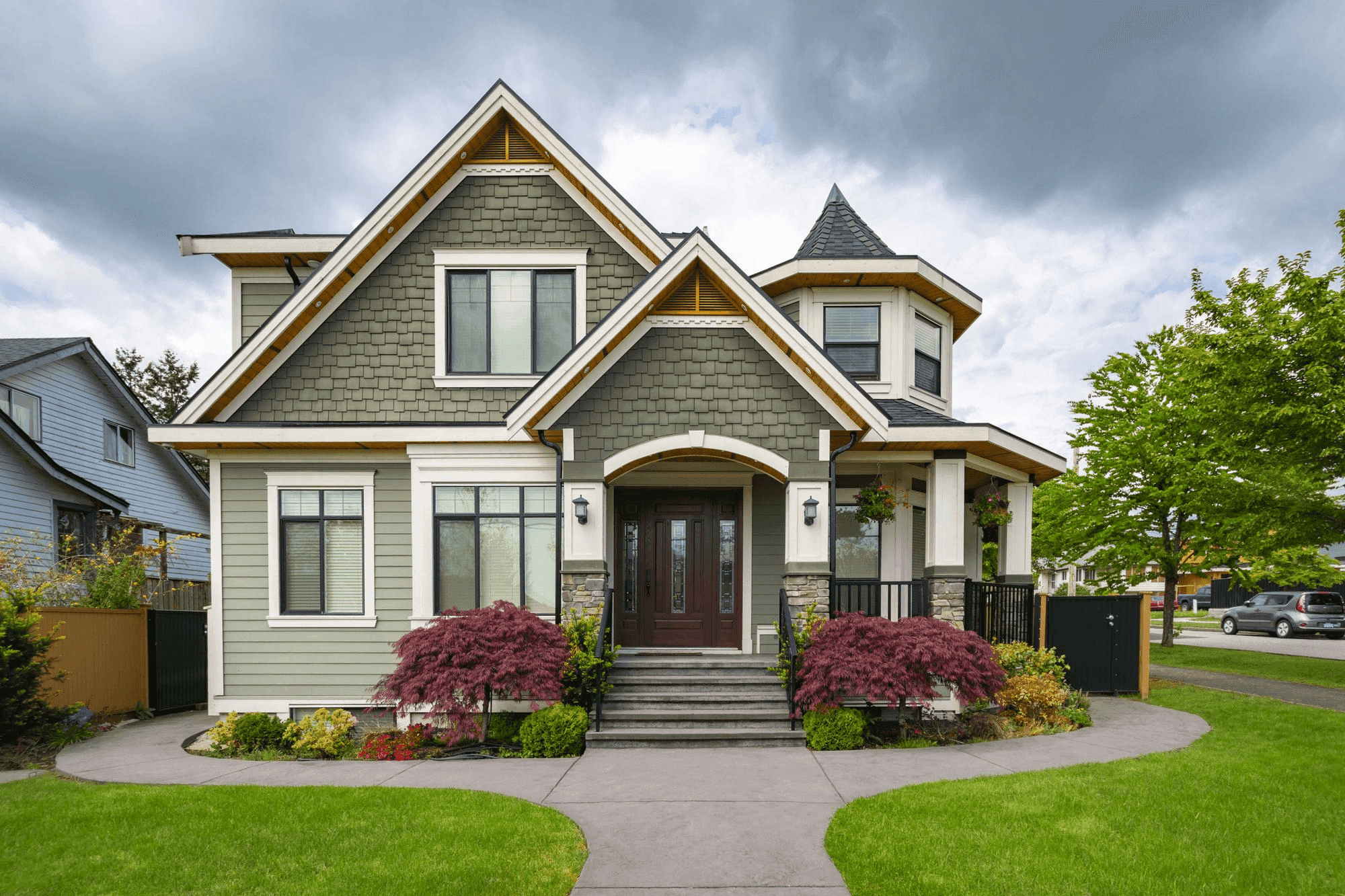
What the Data Actually Tells You
- Morrisville is the safest city in North Carolina to live in for 2026, with crime under 0.5 per 1,000 residents - but competition is intense.
- Cary vs. Raleigh: Cary is significantly safer and more suburban, while Raleigh's safety varies widely by neighborhood.
- Charlotte: Overall crime is higher, and if you've searched "safest cities in Charlotte NC," the honest answer is that safety is neighborhood-specific - Ballantyne, SouthPark, and parts of Myers Park remain popular with careful buyers.
- Low crime ≠ cheap: these low-crime NC cities also tend to have the fastest-moving housing markets.
If your priority is raising kids, the safest cities in NC for families - Cary, Apex, Holly Springs, and Wake Forest - consistently combine low crime with strong schools.
1. Morrisville, NC - Safest City in North Carolina (2026)
Crime rate: ~0.42 per 1,000 residents Why it ranks #1: Lowest reported crime rate in the state
Morrisville consistently ranks as the safest city in North Carolina to live in. Crime levels are far below state and national averages, driven by strong local infrastructure, newer housing stock, and proximity to Research Triangle Park (RTP).
People are almost always comparing Morrisville vs. Cary - and based on crime data alone, Morrisville comes out ahead among the safest cities to live in North Carolina.
Why buyers choose Morrisville
- Lowest overall crime rate in North Carolina
- High demand from families and professionals
- Fast appreciation in newer neighborhoods
- Extremely low violent crime
Reality check: Homes here sell quickly. Buyers who don't get pre-approved for a mortgage early often lose out.
2. Wake Forest, NC - Low Crime + Suburban Stability
Crime rate: ~0.63 per 1,000 residents
Wake Forest combines historic small-town safety with modern suburban growth. It's one of the safest towns in NC for families who want space, schools, and predictability.
Why Wake Forest ranks high
- Strong community policing
- Family-oriented neighborhoods
- Lower crime than Raleigh overall
- More attainable pricing than Morrisville or Cary
3. Davidson, NC - One of the Safest Small Towns in NC
Crime rate: ~0.65 per 1,000 residents
Davidson is often overlooked because it's smaller - but by crime statistics, it's one of the safest towns in NC.
Located near Lake Norman, Davidson attracts buyers looking for walkability, low crime, and long-term stability.
Why Davidson stands out
- Exceptionally low violent crime
- Strong community engagement
- Stable home values
- Ideal for retirees, professors, and families
4. Holly Springs, NC - Family Growth With Low Crime
Crime rate: ~0.68 per 1,000 residents
Families searching for the safest cities in NC for families are usually surprised by how low crime actually is here.
Holly Springs remains one of the safest places to live in North Carolina, even as it grows rapidly. Planned developments, newer infrastructure, and strong schools help keep crime low.
Why buyers choose Holly Springs
- Low crime despite rapid growth
- Newer homes and communities
- Strong long-term appreciation
- Popular with first-time buyers
5. Cary, NC - Safe, Established, and Highly Competitive
Crime rate: ~0.68 per 1,000 residents
Cary is consistently ranked among the safest cities to live in North Carolina, especially for families.
While slightly higher than Morrisville on paper, Cary offers scale, amenities, and neighborhood diversity that many buyers prefer.
Why Cary remains a top pick
- Very low violent crime
- Strong schools and parks
- Highly stable neighborhoods
- One of NC's most competitive housing markets
6. Pinehurst, NC - Safest Small Town in North Carolina for Retirees
Crime rate: ~0.72 per 1,000 residents
Pinehurst is one of the safest towns in NC, with crime rates far below state and national averages. Retirees choose Pinehurst for its quiet streets, predictable neighborhoods, and low violent crime, not nightlife or rapid growth.
Why Pinehurst ranks among the safest towns in NC
- Violent crime is extremely rare
- Stable property values and lower insurance risk
- Tight-knit, slower-paced community
- Strong healthcare access for a small town
Who Pinehurst is best for: retirees, downsizers, and buyers prioritizing safety over job proximity.
7. Apex, NC - "Peak of Good Living" With Consistently Low Crime
Crime rate: ~0.73 per 1,000 residents
Apex combines low crime, strong schools, and suburban growth - making it a top choice for families priced out of Cary but still wanting similar safety.
Why Apex consistently ranks as a safe NC city
- Crime rates remain low year over year
- High-performing schools and planned communities
- Walkable historic downtown + modern suburbs
- Lower crime rate than nearby Raleigh overall
Reality buyers face: competition is high. Homes in safe Apex neighborhoods move quickly, so a fast mortgage pre-approval can matter more than the offer amount.
8. Chapel Hill, NC - Education-Driven Safety and Stability
Crime rate: ~0.83 per 1,000 residents
Is Chapel Hill, NC safe? Yes - Chapel Hill's safety is driven by education levels, healthcare infrastructure, and long-term residents, not heavy policing. Crime is lower than most North Carolina cities of similar size.
Why Chapel Hill remains a safe place to live
- Strong healthcare and university presence
- Highly educated, civically engaged population
- Safer suburban areas than nearby Durham
- Stable long-term housing demand
Tradeoff: higher home prices relative to other NC towns.
9. Raleigh, NC - One of the Safest Big Cities in North Carolina (By Area)
Crime rate: ~2.20 per 1,000 residents (varies by ZIP code)
Is Raleigh, NC safe? Overall, yes - Raleigh is one of the safest big cities in North Carolina, with crime rates about 42% lower than Charlotte. However, conditions vary by area.
Safer areas in Raleigh
- North Raleigh (27615): very low crime
- Brier Creek: newer homes, strong demand
- North Hills: higher activity, still relatively safe
Higher-crime areas
- Downtown Raleigh (varies block by block)
- Parts of Southeast Raleigh
Buyer takeaway: Raleigh rewards informed neighborhood selection more than almost any city on this safest-cities-to-live-in-North-Carolina list.
10. Charlotte, NC - Large City With Safe Neighborhood Pockets
Crime rate: ~4.60 per 1,000 residents
Is Charlotte, NC safe? Charlotte has higher overall crime than Raleigh, but specific neighborhoods are consistently safe and in high demand. If your search was "safest cities in Charlotte NC," these are the pockets worth touring first.
Safer neighborhoods in Charlotte
- Ballantyne
- Myers Park
- SouthPark
- Providence Plantation
Higher-crime areas
- Uptown
- Parts of East and West Charlotte
Buyer strategy: many families choose nearby suburbs for lower crime while keeping Charlotte access:
- Huntersville
- Matthews
- Concord
Explore Homes in These Cities →
Buying a Home? Get up to 1.5% Cash Back at Closing
Get pre-approved first, then start exploring homes knowing you can receive up to 1.5% of the home price back at closing.

Metro & Suburb Safety Breakdown in North Carolina (2026)
Not all safety differences in North Carolina show up at the city level. In larger metros, ZIP codes and neighborhoods matter more than the city name itself. This section breaks down where buyers tend to feel safest - and where extra due diligence is smart.
Raleigh Metro: Neighborhood-Level Safety Matters
In the Raleigh area, most safety differences are suburban vs. inner-core, not citywide.
Generally safer areas
- North Raleigh (27615): low violent crime, family-oriented neighborhoods
- Brier Creek / Glenwood area: newer housing, strong demand
Areas that need ZIP-level checks
- Downtown Raleigh
- Southeast Raleigh
Buyer takeaway: Raleigh is generally safe by big-city standards, but neighborhood choice directly affects crime exposure and resale confidence.
Charlotte Metro: Safer Pockets Inside a Large City
Charlotte's overall crime rate is higher than Raleigh's, but safety varies widely by neighborhood.
Safer neighborhoods buyers consistently favor
- Ballantyne
- SouthPark
- Myers Park
- Providence Plantation
Higher-activity areas (verify block by block)
- Uptown Charlotte
- West Charlotte
- East Charlotte
Buyer takeaway: Charlotte rewards neighborhood-first selection. Many families choose nearby suburbs to reduce crime exposure while keeping city access.
Is Wilmington, NC Safe?
Wilmington is generally safe, with clear differences between residential and tourist areas.
Safer residential zones
- Ogden
- Masonboro
- Pine Valley
Use caution
- Downtown Wilmington
- Cape Fear Bridge area (especially during peak tourism)
Buyer takeaway: Wilmington's safety is strongest in non-tourist residential pockets; coastal demand keeps these areas competitive.
Is Asheville, NC Safe? Crime Snapshot & Safer Areas
Asheville has higher property crime than suburban NC cities, but safety varies by neighborhood.
Safer areas
- North Asheville
- Kenilworth
- Haw Creek
Higher-activity zone
- Downtown Asheville (petty theft is more common)
Small-town alternatives nearby
- Waynesville
- Black Mountain
Buyer takeaway: Asheville works best for buyers who choose neighborhoods carefully or prefer nearby smaller towns.
Small-Town Safety Spotlight in North Carolina (2026)
Many buyers prioritize low crime + community stability over metro access. These towns consistently show strong safety signals and often outrank bigger names on "safest towns in NC" searches.
- Hope Mills - safer pockets near schools and parks; commuter-friendly
- Eden - affordable mill-town revival; lower crime in owner-occupied areas
- Winston-Salem - newer suburban developments trend safer for families
- Murphy - a mountain town with low violent crime and a slower pace
- Greenville - owner-occupied blocks safer than student zones
- Kannapolis - master-planned growth, commuter access to Charlotte
Buyer takeaway: In small towns, street-level context matters more than town reputation.
North Carolina Crime Rate Snapshot (2026)
| Metric | North Carolina | U.S. Average | What It Means |
|---|---|---|---|
| Violent crime | ~3.7 / 1,000 | ~4.2 | NC trends are safer than the national average |
| Property crime | ~17.1 / 1,000 | ~19.7 | Declining statewide |
| Safety trend | Improving | Mixed | NC shows steady improvement |
The statewide North Carolina crime rate is a useful baseline, but it can hide big differences between individual cities - which is exactly why a city-by-city ranking of the safest cities to live in North Carolina matters more than a single statewide number.
North Carolina vs. South Carolina: Safety & Livability (2026)
| Factor | North Carolina | South Carolina | Buyer Insight |
|---|---|---|---|
| Major metros | Raleigh, Charlotte | Charleston, Columbia | NC metros trend safer overall |
| Rural crime | Generally lower | Higher in some areas | NC wins for long-term stability |
| Family safety | Strong school-linked suburbs | More variability | NC favored for families |
| Buyer demand | High but steady | Volatile by market | NC supports resale confidence |
Why Safety Affects Mortgage Approval (Most Buyers Miss This)
When buyers search for the safest cities to live in North Carolina, they're usually thinking about crime, schools, and quality of life.
What many don't realize is that safety also plays a quiet role in the mortgage approval process - especially once a lender reviews the property, insurance, and final numbers.
This doesn't mean unsafe areas can't be financed. But it does mean that low-crime ZIP codes often make the process of getting pre-approved for a mortgage smoother.
How Safer ZIP Codes Help Buyers
Homes in low-crime areas often come with fewer surprises during underwriting:
- Lower insurance premiums - Insurers price risk by ZIP code. Safer areas typically mean lower monthly escrow costs.
- Fewer appraisal issues - Properties in stable neighborhoods are less likely to trigger value or condition concerns.
- Better HOA compliance - Many well-managed communities meet lender guidelines more consistently.
- Fewer underwriting red flags - Less back-and-forth means fewer delays once your file is reviewed.
This is why buyers who already have a mortgage pre-approval - whether a conventional pre-approved loan or a VA loan pre-approval - tend to move faster, especially in high-demand, safe cities.
Where Higher-Risk Areas Can Create Friction
In contrast, homes located in higher-crime ZIP codes can sometimes trigger extra review:
- Insurance challenges or higher escrow requirements
- Appraisal gaps that affect loan approval
- Property condition overlays tied to neighborhood risk
- Additional documentation requests late in the process
None of these automatically disqualify a buyer. But they can change monthly payments, cash-to-close, or timelines if discovered too late.
Why Timing Matters
Many buyers start with a quick estimate, but there's an important difference between mortgage prequalification vs. preapproval.
- Pre-qualification gives a rough idea based on self-reported numbers.
- A full mortgage pre-approval reviews income, credit, and documents - before a property is chosen.
That's how buyers learn how much they can get pre-approved for - including how to get pre-approved for a VA loan - before they start touring homes in competitive, safe cities.
A Smarter Way to Buy in Safe Cities
Before you tour homes in a safe, high-demand NC city, most buyers run a quick, fast pre-approval to confirm what actually works for their income, credit, and ZIP.
It's not a commitment. It's clarity - before decisions get expensive.
Why Safe Homes Are Getting Multiple Offers
In North Carolina's safest cities, demand tends to move faster than listings.
Low-crime areas attract more buyers, which means homes often receive multiple offers - sometimes within days of hitting the market. When that happens, sellers don't just look at price. They look at certainty.
Why Pre-Approved Buyers Have an Edge
In competitive, safe cities, sellers and agents often prioritize buyers who are already financially verified through the fastest pre-approval for a mortgage they could get.
A buyer who knows how to get pre-approved for a mortgage - and who works with one of the best home mortgage lenders for their situation - can:
- Make offers with fewer contingencies
- Move faster on inspections and timelines
- Signal lower risk of financing delays
That's why pre-approved buyers are often taken more seriously - even when competing offers look similar on paper.
What Waiting Really Costs Buyers
Many buyers delay pre-approval until they find a home they love. In high-demand areas, that delay can quietly reduce leverage.
- Homes in safe cities sell faster
- Sellers may not wait for financing uncertainty
- Multiple-offer situations favor prepared buyers
Understanding how long mortgage pre-approval lasts helps buyers time this step without feeling rushed. And for most people, getting pre-approved does not hurt credit when done correctly.
The Smart Move in Competitive NC Markets
In places like Cary, Apex, and Morrisville - three of the most in-demand low-crime NC cities - preparation often matters as much as price.
Check your buying power before homes in Cary, Apex, or Morrisville move. It's a simple way to stay competitive - without committing to a specific home.
Already Own an NC Home? Refinancing in a Safe City Still Pays Off
Safety research isn't only for first-time buyers. If you already own in one of North Carolina's safer cities, it's worth checking whether a house refinance makes sense in 2026.
- Low-rate mortgage refinance: if today's mortgage rates are lower than what you locked in, refinancing can lower your monthly payment.
- Mortgage lowest rates aren't one-size-fits-all: the best rate depends on your credit, loan type, and how much equity you've built - comparing a few lenders is worth the time.
- Selling instead? Home buyers "as-is" options exist: if you'd rather sell without repairs or showings, as-is buyer programs can simplify a move out of - or between - safe NC neighborhoods.
If you're comparing options, searching "home buyers in my area" or "house refinance" alongside a safety check like this one gives you a fuller picture before you commit to a lender or a listing agent.
How to Choose the Safest Cities to Live in North Carolina (2026 Step-by-Step)
If you're searching for the safest cities to live in North Carolina, you're not alone. Most buyers asking this question are trying to balance crime rates, neighborhoods, schools, affordability, and long-term resale - not just headlines.
This is the same decision framework buyers actually use to narrow North Carolina cities down to 2–3 serious contenders before touring homes.
Step 1: Start With Verified Crime Data (Not Headlines)
When people search "North Carolina crime rate," they're usually seeing statewide averages, which hide neighborhood-level differences.
What to check instead:
- FBI Uniform Crime Reports
- City or county crime dashboards (by ZIP code)
- Aggregators like CrimeGrade (for directional signals only)
What buyers look for:
- Violent crime under ~1 per 1,000 residents
- Property crime under ~2 per 1,000
- Stable or declining trends year-over-year
Why this matters: Cities like Cary, Morrisville, Apex, and many NC suburbs consistently meet these thresholds - which is exactly why they anchor most lists of the safest cities to live in North Carolina, while some larger metros vary widely by ZIP code.
Step 2: Compare Neighborhoods, Not Just Cities
In North Carolina, neighborhood choice matters more than city name.
What experienced buyers do:
- Compare suburbs vs. city core
- Check ZIP-level crime maps, not citywide stats
- Look for consistency across nearby blocks
Example: Raleigh and Charlotte both have very safe neighborhoods and higher-activity pockets - which is why buyers often shortlist specific areas, not entire cities.
Step 3: Use School & Community Signals as Safety Proxies
Crime data alone doesn't show how a place lives day to day, so cross-check:
- School ratings
- Parks, libraries, and community centers
- Hospital access and emergency services
Why this works: Areas with strong schools and public infrastructure tend to show lower crime volatility, higher owner-occupancy, and better long-term resale stability. This is one reason the safest cities in NC for families so often overlap with the towns that also rank highest for schools.
This is why many of North Carolina's safest towns are suburban or master-planned, not dense urban cores.
Step 4: Do a Virtual Walk-Through Before You Visit
Before touring, most buyers now pre-screen neighborhoods virtually.
What to look for on Google Maps:
- Sidewalks and street lighting
- Well-maintained homes and signage
- Active local businesses and schools nearby
Step 5: Sanity-Check With Local Insight (Without Overreacting)
- Look for patterns, not one-off stories
- Compare comments across multiple years
- Ask locals what's changed recently, not just what went wrong once
This helps validate what crime data and neighborhood scans already suggest.
Step 6: Make Sure Safety Fits Your Budget (This Is Where Buyers Slip)
These low-crime NC cities often sell faster, have tighter inventory, and require stronger buyer readiness.
Many buyers lose homes in safe neighborhoods, not because of price, but because they didn't apply for mortgage pre-approval before touring.
Before locking in a city:
- Confirm what price range you can qualify for
- Factor in taxes, insurance, and HOA costs
- Avoid falling for "safe but unaffordable" shortlists
Knowing your numbers early protects both your time and leverage.
Safety + Buying Readiness Check (5 Questions Most Buyers Answer First)
Before touring homes in a competitive, low-crime NC city, smart buyers pause and sanity-check one thing: readiness. You don't need to apply for a mortgage pre-approval yet - just answer these questions to yourself honestly.
1. Your buying timeline - 0–3 months / 3–6 months / 6–12 months
2. The city you're considering - Cary / Apex / Morrisville / Raleigh / Charlotte / another NC city
3. First-time buyer? - Yes, this would be my first home / No, I've owned before
4. Credit range (estimate) - Below 580 / 580–619 / 620–679 / 680+ / Not sure
5. Budget comfort zone - Under $350K / $350K–$500K / $500K–$700K / $700K+
What These Answers Usually Mean
If you're looking in a low-crime, high-demand city like Cary, Apex, or Morrisville - and your timeline is under 6 months - most buyers in your situation get pre-approved for a mortgage before touring homes.
Why? Listings move faster, sellers favor certainty, and waiting often means lost leverage.
Homes in your target city typically move fast. Most buyers in your situation verify pre-approval before touring.
Check your buying power before homes in Cary, Apex, or Morrisville move. (Informational only. No obligation. No rate lock.)
Safest Coastal & Beach Cities in North Carolina (2026)
If you want "low-crime coastal living," look for residential enclaves near the water (less tourist churn, more owner-occupancy).
Top picks:
- Ogden (near Wilmington): suburban, low-crime feel
- Masonboro: quiet, family-friendly, easy beach access
- Pine Valley: stable, owner-occupied, strong value hold
Buyer tip: Coastal "safe" can still mean higher insurance - always check the crime map and the FEMA flood map before you close.
Natural Disaster Risks in North Carolina (2026)
Is North Carolina safe from hurricanes and floods?
Not fully - risk is ZIP-code specific, especially along the coast.
Quick risk map:
- Hurricanes: highest exposure around Wilmington / Outer Banks / Morehead City
- Flooding: low-lying coastal areas, river zones (e.g., Cape Fear region)
- Tornadoes: more common in central NC, but generally lower than in the Midwest
Rule: Don't pick a "safe city" using crime alone - layer crime maps plus FEMA flood maps.
Suburbs vs. Cities in North Carolina (2026)
Is it better to live in a small town or a big city in NC?
Cities = jobs + culture. Suburbs/small towns = predictable safety + stability.
Fast comparison:
- Small towns/suburbs: lower violent crime, steadier schools, quieter lifestyle
- Big metros (Charlotte/Raleigh): wider neighborhood variance, more amenities, more price/traffic pressure
Worth buying in safe suburbs? Yes - places like Cary, Apex, and Morrisville tend to hold value well because demand stays consistent, and they're routinely named among North Carolina's lowest-crime towns.
Safest Towns Near Raleigh, NC (2026)
If you're comparing Raleigh vs. its suburbs, safety usually improves outside the city core.
Safest towns near Raleigh:
- Morrisville – lowest violent crime in NC
- Cary – family-friendly, strong schools, stable appreciation
- Apex – Cary-level safety at a lower entry price
- Holly Springs – newer communities, low violent crime
- Wake Forest – historic town, suburban pace, consistent safety
Bottom line: These suburbs consistently report lower crime than Raleigh citywide and are where most safety-focused buyers concentrate.
Is Raleigh, NC Safe to Live In? (ZIP-Level Reality)
Yes - but safety varies by ZIP code.
- Safer areas: North Raleigh (27615), Brier Creek, Glenwood
- More variable: Downtown Raleigh, parts of Southeast Raleigh
Raleigh's overall violent crme rate is ~42% lower than Charlotte's, but property crime depends on neighborhood.
Is Cary Safer Than Raleigh in 2026?
Yes. Cary is statistically safer, with violent crime under 1 per 1,000, compared to Raleigh's ~2.2 per 1,000.
Buyers often choose Cary for lower crime volatility, stronger school consistency, and higher resale confidence.
Buy Safely - and Buy Smart in North Carolina
Choosing one of the safest cities to live in North Carolina already puts you ahead. Low crime, stable neighborhoods, and strong schools protect your quality of life and long-term value.
But in North Carolina's safest cities, there's an important reality buyers need to account for.
Safe Cities Move Faster - and Demand More Preparation
Homes in low-crime, high-demand areas don't sit long. Listings move quickly, competition is tighter, and sellers favor buyers who are ready to act.
That means safety doesn't just influence where you buy - it affects how you need to buy.
What Smart Buyers Do Differently
Buyers who close smoothly in safe, competitive markets usually do three things early:
- They apply for mortgage pre-approval before touring homes - so they know exactly what they can act on, and move with confidence when the right home appears.
- They look at ZIP-level realities, not just city averages - insurance costs, appraisal outcomes, and competition can vary significantly by neighborhood.
- They protect their cash at closing - because real affordability isn't just the price, it's how much money you keep when the deal is done.
That's where how you buy becomes just as important as where you buy.
Keep More Cash at Closing - Without Changing Your Loan
When you purchase a home using a reAlpha real estate company, you may be eligible to receive up to 1% of the home's purchase price back as a credit at closing.
If you also finance through reAlpha Mortgage - whether that's a standard pre-approved loan or a VA loan - that benefit can increase to up to 1.5% back, helping offset upfront closing costs - without changing your loan terms or monthly payment.
The credit is applied directly at closing. No complicated steps. No delayed payouts.
The Smart Next Step
Before choosing a city - or touring homes in a fast-moving, low-crime market - clarity matters.
See what you're approved for - and how much you could save - before choosing a city.
Check Your Buying Eligibility →
FAQs
What are the safest cities to live in North Carolina (2026)?
Towns like Morrisville, Cary, Apex, Holly Springs, Davidson, and Wake Forest often top the list of the safest cities to live in North Carolina. Exact rankings can change by data source and year, so verify with the latest city police dashboards and statewide crime reporting before deciding.
What is the safest city in North Carolina?
Morrisville is frequently cited as one of the safest cities in North Carolina due to consistently low reported violent and property crime. That said, “safest” can vary depending on whether you prioritize violent crime only, total crime, or neighborhood-level trends within a city.
What are the safest places to live in NC (not just big cities)?
If you want low-crime living without a major-metro feel, look at small towns like Davidson, Pinehurst, Murphy, and similar communities that typically report lower crime than large urban centers. Always check neighborhood-level data and recent local trends before choosing a specific area.
Are small towns in NC safer than big cities?
Often, yes. Many smaller NC towns report lower crime rates than large metros, especially for violent crime. But safety can vary by neighborhood and proximity to highways, entertainment districts, or dense rental zones-so compare ZIP or neighborhood data, not just city averages.
Is North Carolina safe overall?
North Carolina is generally considered a safe state, but safety varies widely by metro, suburb, and neighborhood. The best approach is comparing violent + property crime trends where you plan to live, then cross-checking with school quality, insurance costs, and local reporting.
What is the North Carolina crime rate?
“Crime rate” depends on the source (FBI reporting, state dashboards, or private aggregators) and whether you’re looking at violent crime, property crime, or both. Use NC-level numbers for context, but make decisions based on the specific city and neighborhood you’re targeting.
Is Raleigh safe to live in?
Raleigh is generally safe, but safety varies by neighborhood and ZIP code. Many buyers prefer areas like North Raleigh and newer suburban pockets, while busier corridors can see more property crime. Before buying, compare neighborhood crime trends and visit the area at different times.
Is Charlotte NC safe to live in?
Charlotte has many safe neighborhoods, but like any large city, crime can vary block to block. Areas such as Ballantyne, SouthPark, and Myers Park are often viewed as safer options. Verify with neighborhood-level data and factor in commute corridors and nightlife zones.
Is Greenville NC safe?
Greenville’s safety depends heavily on neighborhood and whether the area is student-dense or more owner-occupied. Some pockets near ECU can see more property crime activity. For accuracy, compare crime trends by neighborhood and check local police/public safety dashboards.
Is Fayetteville NC safe?
Fayetteville tends to report higher crime than many NC suburbs, but there are still safer pockets depending on neighborhood. If you’re considering Fayetteville, compare specific neighborhoods, check recent trend lines (not one-year snapshots), and evaluate commute and rental density.
Is Mooresville NC safe?
Mooresville is often seen as a relatively safe place to live, especially in residential areas away from heavy commercial corridors. As with most towns, property crime can cluster near retail and major roads. Validate by neighborhood and check recent local trend reports.
What are the best places to live in North Carolina?
“Best” depends on what you value-schools, safety, affordability, jobs, or lifestyle. Many buyers shortlist Triangle suburbs (Cary, Apex, Holly Springs) for schools and stability, while others prioritize mountain or coastal towns for lifestyle. Use a short list, then validate neighborhoods.
What’s the best place to live in North Carolina for families?
Family buyers often prioritize low crime, strong schools, parks, and stable resale demand. Suburbs around Raleigh (like Cary, Apex, Holly Springs, and Wake Forest) commonly show up in family shortlists, but the right choice depends on budget, commute, and neighborhood fit.
How can I tell if a neighborhood is safe before buying?
Start with neighborhood-level crime data (police dashboards or reputable reporting), then cross-check school ratings, lighting/road design, and local resident feedback. Visit weekdays and weekends, day and night. If you’re relocating, prioritize trend lines over one-time spikes.
Do safer cities in NC get better mortgage or insurance outcomes?
Often, yes. Lower-crime areas can correlate with fewer insurance risks and more stable resale demand, which can reduce long-term ownership friction. It won’t automatically change your interest rate, but it can affect total monthly costs through insurance and risk-adjusted pricing.
How can I save money when buying in a safe city in North Carolina?
Beyond negotiating price, compare financing options across lenders in the network, choose the right loan type, and time your offer strategy to inventory. Some platforms also offer closing credits: with reAlpha, eligible buyers may receive up to 1% back via Realty, and up to 1.5% back when bundling real estate services with mortgage brokerage (where available).
Get the latest market trends, homebuying tips, and insider updates—straight to your inbox. No fluff, just the good stuff.
Article by
As a great communicator with excellent negotiation skills, I focus more on establishing unbreakable ties between my clients, as opposed to just helping them achieve their real estate dreams. As a representative of both buyers and sellers, I understand how to lead a transaction process to ensure that the needs of both are met. My track record speaks for itself. Since I ventured into the industry in 2013 as a realtor, I have not only helped many buyers land perfect homes, but I have also assisted tons of owners and investors build wealth.