Safest Places to Live in Georgia (2026): Costs & Crime
October 5, 2026
6 minutes
Georgia crime headlines tend to focus heavily on Atlanta. While the metro core faces real, documented challenges, looking only at the capital skews the narrative. Most searches for the state's safest communities stop at the city limits, missing dozens of suburbs, small towns, and counties-like Johns Creek or Oconee County-where the violent crime rate drops below one per thousand residents and often fails to register at all.
This guide takes a different approach. We pulled the latest FBI-reported crime data, 2026 crime-index rankings, and current housing figures to answer the question directly: where are the safest places to live in Georgia right now, what do they cost, and how does the state compare to the national picture. Whether you're typing "safest cities in Georgia," "best places to live in Georgia," or "moving to Georgia" into a search bar, the honest answer changes depending on whether you're weighing safety, schools, or affordability first - and this guide is built to answer all three at once. If you're also weighing what a move here would cost you - mortgage rates, closing costs, what "pre-approved" actually means - we cover that too, since safety and affordability are usually decided together, not separately.
Quick answer: Is Georgia a safe place to live? Broadly, yes-but safety varies significantly across Georgia. SafeWise’s 2026 report, based on the latest FBI crime data available at the time of publication reports Georgia’s violent crime rate at 3.42 incidents per 1,000 residents and its property crime rate at 19.76 per 1,000. Both rates are below SafeWise’s national comparison rates of 4.43 violent crimes and 22.89 property crimes per 1,000 residents. Because statewide statistics can mask differences between communities, a city-by-city comparison provides a more useful way to evaluate the safest places to live in Georgia for your situation.
How We Ranked Georgia's Safest Cities (2026 Methodology)
Our 2026 rankings are built on the latest available FBI crime data (released in late 2025). We cross-reference these stats against HomeSnacks' independent city profiles and SafeWise's 2026 Safest Cities analysis, which filters for complete NIBRS reporting.
We layered in current housing costs from the Georgia MLS, plus school and commute context where it changes the picture for buyers. Two independent rankings occasionally order the safest cities in Georgia differently - that's normal in crime-data analysis, since methodologies weight violent crime, property crime, and population differently. Where rankings disagree, we say so rather than picking one number and presenting it as gospel - the goal is a safest places to live in Georgia list that holds up no matter which methodology you check it against.
How Does Georgia's 2026 Crime Rate Compare With Other States?
Georgia has a 2026 violent crime rate of 3.42 per 1,000 residents and a property crime rate of 19.76 per 1,000 residents. These statewide figures provide a useful starting point, but individual Georgia cities can have very different crime rates.
2026 Violent and Property Crime Rates by State
| State | Violent Crime | Property Crime |
|---|---|---|
| New York | 5.73 | 23.72 |
| New Jersey | 2.64 | 15.88 |
| California | 4.24 | 20.84 |
| Florida | 3.96 | 20.29 |
| Georgia | 3.42 | 19.76 |
Rates are incidents per 1,000 residents.
Statewide numbers combine many different communities. City-level data gives more specific information when you compare places to live.
What Should You Check When Comparing Georgia Crime Rates?
- Check violent crime per 1,000 residents.
- Check property crime separately.
- Compare city rates with Georgia's statewide figures.
- Review the geographic area covered by each statistic.
- Check the reporting methodology before comparing datasets.
- Use city-level data when evaluating a specific Georgia community.
- Check FBI crime data when reviewing reported crime statistics.
Why Do Georgia City Crime Rates Differ?
Georgia's statewide rate combines cities, suburbs, towns, and counties. These communities can have different reported crime patterns. The 2026 data shows this difference clearly: Georgia's statewide violent crime rate is 3.42 per 1,000, while Senoia reports 0.2 per 1,000.
This makes city-level crime data useful when you move from the broad question “Is Georgia safe?” to the more specific question “Which Georgia city fits my safety criteria?”
Compare violent and property crime rates to understand differences between Georgia communities and the statewide rate.
Bundle your agent and mortgage. Save an average of $10,000.
Don't have an agent yet? Pair your reAlpha mortgage with a reAlpha agent, and you could get up to 1.5% cash back at closing.
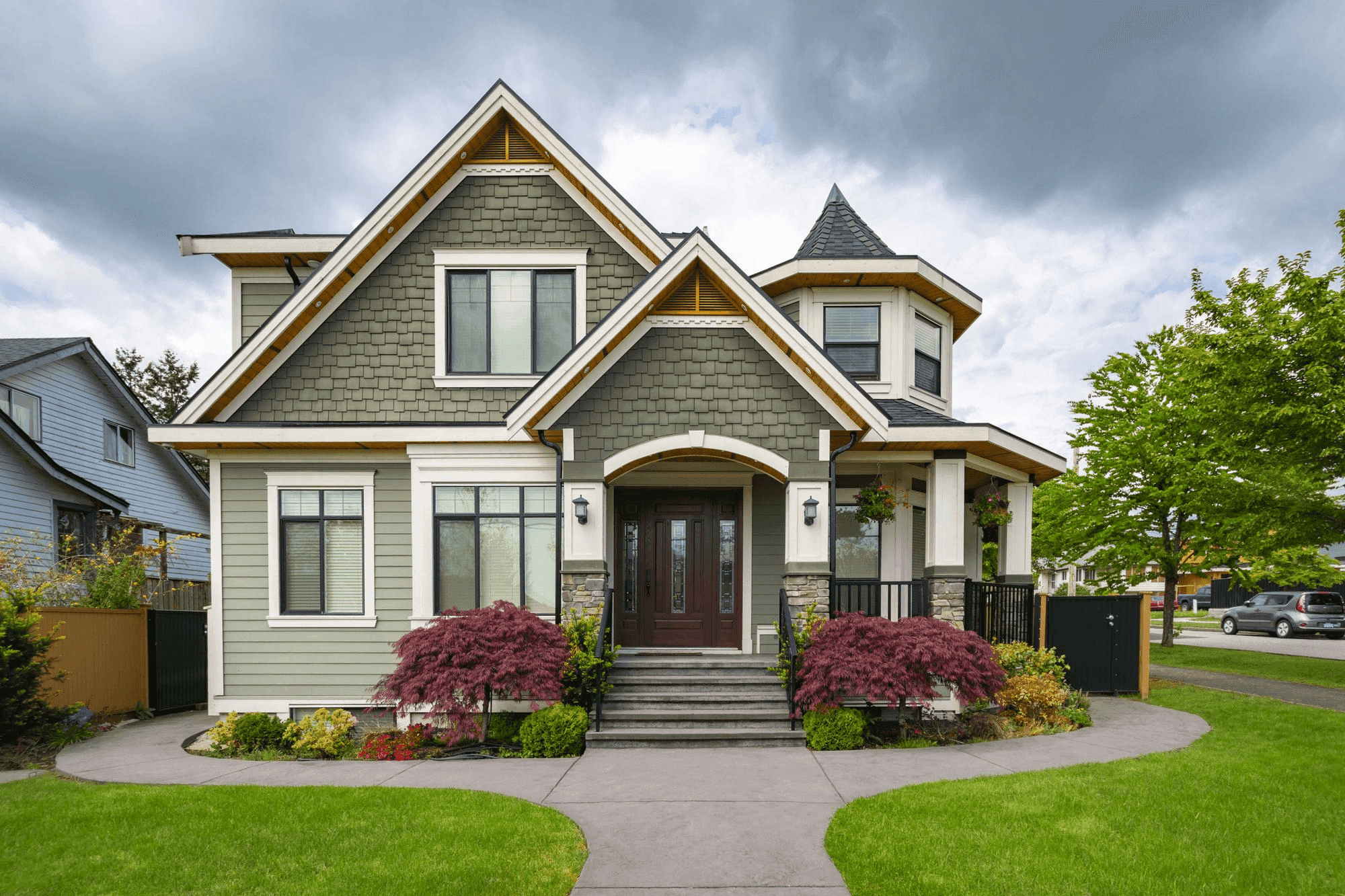
Georgia's Safest Cities in 2026
Among the safest places to live in Georgia, one pattern holds up across every data source we checked: the safest cities in Georgia are almost all planned suburban communities orbiting Atlanta, Augusta, or Savannah - not the urban centers themselves. If you're comparing crime rates in Georgia by city rather than starting from a "best places to live" list, this table is the more direct route in.
| City | Violent Crime (per 1,000) | Property Crime (per 1,000) | Notable |
|---|---|---|---|
| Senoia | 0.2 | 2.1 | Georgia's #1 safest city, 2nd year running |
| Auburn | 0.0 | 4.0 | Zero reported violent crime in 2026 |
| Holly Springs | 0.0 | 4.8 | Zero violent crime; Cherokee County |
| Grovetown | 0.6 | 2.0 | Violent crime down 62.5% year over year |
| Jefferson | 0.3 | 4.6 | Property crime down for third straight year |
| Tyrone | 0.5 | 4.7 | Fayette County, 25 minutes from Atlanta |
| Peachtree City | 0.2 | 8.0 | 100+ miles of golf-cart paths; Fayette County |
| Johns Creek | 0.3 | ~0.32 | Largest population on the list (85,000+); ranked #1 Best Place to Live in the U.S. by U.S. News & World Report |
| Milton | 0.9 | ~0.26 | Cherokee/Fulton/Forsyth border; median household income above $151,000 |
A few things worth calling out if you're weighing these as safest places to live in Georgia for a move:
- Senoia: Senoia holds a prominent position when evaluating public safety in Georgia, frequently recognized for its leading security metrics. The small Coweta County city has a population of just over 6,000 and stands out for its exceptionally low reported violent and property crime rates. Because a city's precise safety standing fluctuates depending on the mathematical criteria and population constraints used in different municipal reports, Senoia is best described as one of the top-performing, low-crime environments in the state rather than its single, universally absolute safest locality.
- Johns Creek: is the outlier on population - over 85,000 residents - and still posts low crime rate numbers that keep it among the safest cities in Georgia. It was also named the #1 Best Place to Live in the U.S. for 2025 - 2026 by U.S. News & World Report, citing its schools and diversity - a reminder that if you're specifically searching "best place to live in the US," Georgia already has an answer.
- Grovetown: and Jefferson are the two cities on this list actively trending safer, with double-digit percentage drops in both violent and property crime year over year - a sign the ranking isn't just capturing a lucky year, and a useful data point if you're tracking Georgia's crime rate ranking over time rather than a single snapshot.
Safest Counties in Georgia
Zooming out from individual cities, Oconee County maintains a strong reputation for overall public safety. The area experiences remarkably low rates of both violent and property crime, consistently tracking well below the statewide average and supporting a highly secure environment for its residents. If you're house-hunting by county rather than city limits - common in Georgia, where school zoning and services run at the county level - Oconee, Forsyth, and Fayette Counties are the three that come up most often across crime-data sources when people search for the safest counties in Georgia, particularly for families prioritizing schools and low crime together. Looking at crime rates in Georgia by county rather than by city is also the better lens if you're choosing a school district first and a specific town second.
Is Georgia Safe? What the Statewide Numbers Actually Show
If you're asking "is Georgia a safe place to live" rather than looking for one city, here's the honest state-level picture. Georgia's violent crime rate is 3.42 incidents per 1,000 residents, below the national average of 4.43. Its property crime rate - 19.76 per 1,000 - is also below the national rate of 22.89, which puts Georgia solidly among the low crime rate cities and counties nationally rather than an outlier in either direction. Using 2024 FBI data compiled by USAFacts, Georgia ranks 25th among all states for violent crime and 24th for property crime - solidly middle-of-the-pack nationally, not a state with an outsized crime problem, but not the very lowest either.
That statewide average hides a wide range. Bibb County - home to Macon - posted the highest index crime rate in the state in the most recent Georgia Crime Information Center summary report, at 52.12 per 1,000 residents, which is why Macon shows up in searches asking whether it's safe far more often than in searches asking whether it's one of the safest places to live in Georgia. That's the reason a single "is Georgia a safe place to live" answer is nearly useless on its own - the real answer depends entirely on which few square miles you're asking about, and why crime rates in Georgia by city tell you far more than a statewide average ever will.
Is [City] Safe? Direct Answers for Georgia's Most-Searched Cities
Is Decatur, GA safe?
Based on 2024 - 2025 crime data, Decatur is generally considered safer than Atlanta proper, particularly for violent crime, and its northeast and east neighborhoods post some of the lowest rates in the DeKalb County section of metro Atlanta.⁸ It's walkable, arts-driven, and popular with buyers who want city character without Atlanta's downtown crime profile - but as with any dense, walkable city, safety varies block to block, so check the specific neighborhood, not just the city name.
Is Cumming, GA safe?
Yes. Located in Forsyth County near Lake Lanier, Cumming consistently reports violent crime rates well below both the state and national averages. Furthermore, the Forsyth County School District ranks among the top-performing public school systems in the entire Atlanta metro area. It's one of the more frequently searched safest places to live in Georgia for families relocating from out of state specifically for the Forsyth County school district.
Is Fayetteville, GA safe?
Fayetteville, in Fayette County, reports violent crime rates well below the state average, and sits in the same county as Peachtree City and Tyrone - two of Georgia's most consistently ranked-safe cities. It's a reasonable answer for buyers who want Peachtree City's safety profile with a lower entry price, and one of the better safe, affordable places to live in Georgia for that reason alone.
Is Macon, GA safe?
Macon (Bibb County) is not among Georgia's safest cities in current crime data - Bibb County posts the highest index crime rate in the state.⁷ That doesn't mean every Macon neighborhood is unsafe, but if safety is the deciding factor, buyers searching "Macon GA" alongside "safest places to live in Georgia" are usually better served looking at nearby Bibb County suburbs or Houston County to the south.
Is Warner Robins, GA safe?
Warner Robins carries a moderate ("C"-grade) crime profile - roughly in line with the Georgia state average overall, driven mainly by property crime rather than violent crime. While Warner Robins falls outside Georgia's top 10 safest cities, multi-year data shows that the Lake Joy corridor, Centerville, and areas near Robins Air Force Base consistently maintain lower crime rates than the citywide average. Backed by the base-the state’s largest single-site industrial employer-this region offers a stable, military-connected economy that local buyers value far more than minor fluctuations in citywide crime indices.
Buying a Home? Get up to 1.5% Cash Back at Closing
Get pre-approved first, then start exploring homes knowing you can receive up to 1.5% of the home price back at closing.

Cheapest and Safest Places to Live in Georgia
Georgia's genuine advantage over pricier East Coast states is that safety and affordability aren't mutually exclusive here. If you're specifically searching for safe, affordable places to live in Georgia, or the most affordable places to live in Georgia more generally, a few towns where both hold up: For a broader look at housing prices and monthly expenses, see our guide to affordable places to live in Georgia.
- Statesboro -A college town (Georgia Southern) with a notably low cost-of-living index-sitting roughly 13% to 15% below the national average-and steady, manageable crime levels for its size, supported by local safety metrics scoring comfortably below national benchmarks. Consistently one of the cheapest places to live in GA with a genuinely safe crime profile attached.
- Canton-Cherokee County, within commuting distance of Atlanta, with home prices still below several of the higher-profile northern suburbs.
- Tyrone- already on the safest-cities list above, and one of the more affordable entries in Fayette County relative to neighboring Peachtree City.
- Newnan- Coweta County, growing quickly, with home prices that remain more attainable than Fulton or Forsyth County suburbs of comparable safety.
If cost is your primary filter and safety is secondary (rather than the reverse), these four are worth cross-shopping against the top-10 list above before you commit to a specific submarket - they're a reasonable shortlist whether you're searching "cheapest place to live in Georgia" or "most affordable place to live in Georgia" as your starting point.
Best Small Towns in Georgia to Consider
Beyond the ranked suburbs, Georgia has a long list of small towns that show up constantly in searches for safest small towns in Georgia and safest towns to live in Georgia - usually because someone already knows the town by name and wants a safety gut-check before moving. A quick tour, organized by region:
- Dahlonega (North Georgia mountains): a small college town (North Georgia College & State University) with a walkable historic square; popular with retirees and remote workers who want mountain scenery without total isolation, and a name that comes up often for anyone searching the safest place to retire in Georgia.
- Hiawassee: Nestled deep in the North Georgia mountains on Lake Chatuge; its small population enjoys a low per-capita crime rate, offering a safe environment, though residents should expect fewer local services.
- Talking Rock: a tiny Pickens County community, about as rural as Georgia gets within driving distance of Atlanta.
- LaGrange: a West Georgia mill town with a growing manufacturing and logistics base and a more affordable entry point than metro Atlanta.
- Americus: Sumter County, historically significant (Habitat for Humanity's headquarters and Jimmy Carter's home region), with small-town pricing.
- Fitzgerald: a small South Georgia town, well below the state's median home price, with a slower pace of life.
- Powder Springs: a Cobb County suburb offering Atlanta-metro access at a more affordable price point than nearby Marietta or Smyrna.
- Lawrenceville: the Gwinnett County seat, larger and more suburban than the others on this list, but still notably more affordable than the Fulton/Forsyth corridor.
- Conyers: Rockdale County, an Atlanta suburb with a historic downtown and lower housing costs than the northern metro.
- Columbus: Georgia's second-largest city, anchored by Fort Moore, with some of the state's most affordable homes relative to size and amenities.
Brunswick and the Golden Isles - coastal Georgia's gateway to St. Simons Island and Jekyll Island; safety varies by whether you're closer to the working port or the quieter island communities nearby.
None of these towns crack the statewide top-10 safest-cities list, and we're not going to pretend they do - but for buyers prioritizing small-town pace, price, or a specific region (mountains, coast, or south Georgia) over chasing the single lowest crime rate in Georgia, they're worth real consideration. They're also a good starting list if "best small towns in Georgia for families" or "best small towns in Georgia to retire" is closer to your actual search than a strict safety ranking.
Best Places to Live in Georgia for Families
Families searching for the best place to live in Georgia are, in practice, usually running the same search as families looking for the safest places to live in Georgia - the two lists overlap more than they diverge. The difference is mostly weighting: safety-first searches optimize for the lowest crime rate in Georgia, family-first searches optimize for three things at once: schools, safety, and commute. According to the National Association of Realtors' 2025 Profile of Home Buyers and Sellers, neighborhood quality is the single factor buyers rank highest overall - ahead of schools, commute, and price individually.
If you're weighing factors beyond safety, our guide to the best places to live in Georgia compares communities based on lifestyle, housing and overall livability.
That tracks with what shows up repeatedly in Georgia's safest-cities data: Johns Creek, Milton, and Peachtree City post strong school ratings alongside their safety numbers, which is exactly why they dominate both the "safest cities in Georgia for families" and "best cities in Georgia to raise a family" search results at the same time. Cumming (Forsyth County schools) and Suwanee round out the group most often recommended for families making school quality the deciding factor, and both show up regularly in searches for the best places in Georgia to raise a family or the best places to live in Georgia for young adults weighing an early move before starting one.
This analysis focuses strictly on objective neighborhood safety metrics. The evaluated suburbs represent a wide range of demographic profiles, and the data reflects neighborhood-level safety indicators rather than demographic trends. If you're weighing a move based on how included your family will feel in a new community, ask about local schools, HOA and civic involvement, and diversity of the resident base directly with a local agent - it's a better signal than any single ranked list can give you.
Georgia's Housing Costs in 2026
Safety numbers only tell half the story - cost decides the rest. Property taxes can also materially change the cost of owning a home, so buyers should compare Georgia property taxes before choosing a city or county. As of May 2026, Georgia's statewide median home sale price sits at $380,000. Metro Atlanta figures run significantly higher, with the regional median sale price reaching $405,000 heading into the summer months. With homes across the state taking a median of 58 days to sell, the housing market has shifted toward more balanced conditions than the rapid bidding wars of recent years. This slower pace removes the intense pressure on buyers, giving them the time needed to carefully negotiate terms on slower-moving listings.
That combination - moderating prices, more inventory, and slower days-on-market - is good news if you're comparing the cost of the safest places to live in Georgia against pricier options elsewhere, or simply trying to figure out where the most affordable places to live in Georgia actually sit relative to the safest ones. Suburbs like Johns Creek and Milton do carry a premium over the state median, but towns like Tyrone, Statesboro, and Newnan let buyers get into a genuinely safe community well under the Atlanta-metro median - proof that "best and safest places to live in Georgia" and "cheapest places to live in GA" aren't always two separate lists.
For a broader view of everyday expenses beyond home prices, compare the Georgia cost of living across different cities and suburbs.
Financing Your Move: Mortgage Rates, Closing Costs, and Getting Pre-Approved
If safety and cost are the first two questions, financing is the third - and it's where a lot of Georgia home searches quietly stall out. Here's the current picture.
- Mortgage rates: The average 30-year fixed mortgage rate stood at 6.32% as of June 25, 2026, according to Freddie Mac's weekly Primary Mortgage Market Survey-the standard reference point for national mortgage rate averages. Rates in Georgia track closely with the national number; the local variable that actually moves your mortgage loan rate is your lender, credit profile, and loan type, which is exactly why comparing mortgage rates across multiple lenders matters more than chasing a single "best mortgage rates" headline. Freddie Mac's own data shows Getting just one extra quote saves the typical borrower around $1,500 over the life of the loan, while getting four or more quotes can drive total savings past $3,000. These long-term gains prove you should treat "current 30-year fixed mortgage rates" as a starting point, not a final number, whether you're financing a new purchase or evaluating refinance rates.
- Closing costs: Closing costs typically range from 2% to 5% of a home's purchase price nationally. For a $370,000 home in Georgia, this amounts to approximately $7,400 to $18,500 that's a meaningful number to budget for well before you're at the closing table.
- Pre-approval vs. pre-qualification: These aren't the same thing, and the difference matters. Pre-qualification (sometimes searched as "pre-qualify mortgage" or "home loan pre-qualification") is typically an initial estimate based on your self-reported financial data. While it generally relies on a soft credit pull that won't impact your score, process details vary-some lenders may check your credit file or treat pre-qualification similarly to a pre-approval. It serves as a helpful baseline estimate rather than a formal loan commitment. Pre-approval - a mortgage loan pre-approval or home financing pre-approval - involves a full underwriting review: hard credit pull, income verification, and asset documentation. If you're seriously comparing homes in Georgia's safest suburbs, get pre-approved by a mortgage lender, not just pre-qualified, before you tour - sellers in a competitive Atlanta-metro submarket will ask. Once you've narrowed down your preferred community, our guide to buying a home in Georgia covers the next steps from preparation through closing.
- First-time buyers: First-time buyers don't need to lock up excess capital in a 20% down payment. the median down payment for first-time buyers sits at 10%. Leveraging a lower down payment allows you to preserve liquid capital for property appreciation, renovations, or other high-yield investments while securing competitive financing terms.
- Where reAlpha fits: Our digital platform streamlines your entire homebuying journey by integrating the entire transaction into a single, unified timeline. Through this technology, reAlpha seamlessly coordinates your real estate agent, loan officer, and title team so you never have to manage three separate processes. If you do not have a team yet, we instantly connect you with a premier reAlpha Realty agent and grant you access to a network of 100+ lenders through reAlpha Mortgage, which is licensed in 31 states. By utilizing our coordinated platform and bundling reAlpha Realty and reAlpha Mortgage together, buyers skip traditional transaction friction and save an average of $10,000 at closing.
FAQs
What is the safest city in Georgia?
Senoia, in Coweta County, is currently ranked Georgia's safest city for the second year running in SafeWise's 2026 report. This ranking is based on the most recent complete FBI crime statistics available (2024 data compiled in late 2025)-with a violent crime rate of just 0.2 per 1,000 residents. Other independent rankings using different methodologies (HomeSnacks, for instance) put different cities at the top of their own lists, which is a good reminder that "the" safest city depends on which data set and criteria you're using.
Where is the safest place to live in Georgia?
There isn't one single answer - it depends on your priorities. For the lowest raw crime numbers, Senoia, Auburn, and Holly Springs top the list. For families weighing safety against schools, Johns Creek, Milton, and Cumming come up most often. For safety on a tighter budget, Tyrone and Newnan are the more attainable picks among Georgia's safest suburbs.
Is Georgia a safe state to live in overall?
Yes, on the whole. Georgia's statewide violent and property crime rates both run below the national average, according to 2026 data. The state ranks 25th nationally for violent crime and 24th for property crime - meaning it's neither a national outlier for danger nor the very safest state, but does better than most. It's a fair answer to "is Georgia a safe place to live" as a general matter, even though the specific city or county still does most of the work in the real answer.
What are the safest towns in Georgia for families?
Johns Creek, Milton, Peachtree City, and Cumming show up most consistently across crime data and school-quality rankings together, which is the combination most families searching for the best places to live in Georgia for families are actually optimizing for.
Are the safest places to live in Georgia also the most expensive?
Not necessarily. Johns Creek and Milton do carry higher home prices than the state average, but Tyrone, Statesboro, and Newnan post strong safety numbers while keeping real estate costs well below Georgia's broader median home price. A lower budget doesn't automatically mean a less-safe city-and it's the clearest evidence that "best places to live in Georgia that are affordable" is a real, accessible category, not a compromise.
The Bottom Line
The safest places to live in Georgia aren't a mystery once you look past the Atlanta headlines - Most of Georgia's safest cities are suburbs of major metropolitan areas-such as Senoia, Holly Springs, Johns Creek, and Milton-where rankings are backed by consistent, multi-year crime data rather than a single anomalous year. Whether you're chasing the single lowest crime rate in Georgia, the best school-safety combination, or the most affordable version of "safe," Georgia has a genuine answer in each category - and increasingly, it doesn't have to cost Atlanta-metro premium prices to get one.
If you're ready to start comparing specific neighborhoods against your budget, see how reAlpha works to connect with a real estate agent and reAlpha Mortgage loan officer working from the same plan - so the safety research you just did translates into an actual offer, not another spreadsheet.
Get the latest market trends, homebuying tips, and insider updates—straight to your inbox. No fluff, just the good stuff.
Article by
As a great communicator with excellent negotiation skills, I focus more on establishing unbreakable ties between my clients, as opposed to just helping them achieve their real estate dreams. As a representative of both buyers and sellers, I understand how to lead a transaction process to ensure that the needs of both are met. My track record speaks for itself. Since I ventured into the industry in 2013 as a realtor, I have not only helped many buyers land perfect homes, but I have also assisted tons of owners and investors build wealth.