Safest Places to Live in Texas (2026): Cities Ranked by Crime, Cost & Risk
August 10, 2026
10 minutes
If you've searched "what is the safest city in Texas" or "where is the safest place to live in Texas," you've probably noticed the answer depends on who's asking - a young family, a retiree, a first-time buyer, or someone relocating from out of state all weigh safety differently. This guide cuts through that by ranking the safest places to live in Texas for 2026 using current FBI/NIBRS crime data, natural disaster exposure, and real home prices - then breaking down what it actually costs to buy, insure, and finance a home in each one. Whether you're comparing safest cities in Texas, scouting safe places to live in Texas, or simply trying to figure out where is the safest place to live in Texas, this breakdown is built to answer all of it in one place.
Texas logged more than 70 confirmed tornadoes in 2024, and Gulf Coast counties are still recovering from repeat hurricane and flood damage - so "safe" here means more than a low crime number. It means a place where your home, your insurance premium, and your resale value all stay stable. That's the lens we used to build this list of the safest places to live in Texas in 2026.
Ready to see what you qualify for before you tour homes? Get pre-approved with reAlpha in minutes - it's free and won't affect your credit score.
Quick Answer: What Is the Safest City in Texas in 2026?
According to SafeWise's 2026 analysis of more than 340 Texas cities using FBI crime data, Trophy Club is the safest city in Texas, followed by Parker, both North Texas suburbs in the Dallas-Fort Worth metro. Among larger, more populous suburbs, Frisco and Sugar Land post the lowest violent-crime rates in the state. Both cities regularly top searches for the safest large cities in Texas and the safest major city in Texas among buyers who want size and safety together.
If you're asking which city in Texas has the lowest crime rate overall, the honest answer is: it depends on population size, since small towns like Trophy Club and Parker naturally post lower total crime volume than larger cities - but on a per-capita basis, they hold the top spots for 2026. For most buyers, the safest place to live in Texas ultimately comes down to balancing crime data with commute, price, and school quality, rather than chasing the single lowest number on a statewide list.
Bundle your agent and mortgage. Save an average of $10,000.
Don't have an agent yet? Pair your reAlpha mortgage with a reAlpha agent, and you could get up to 1.5% cash back at closing.
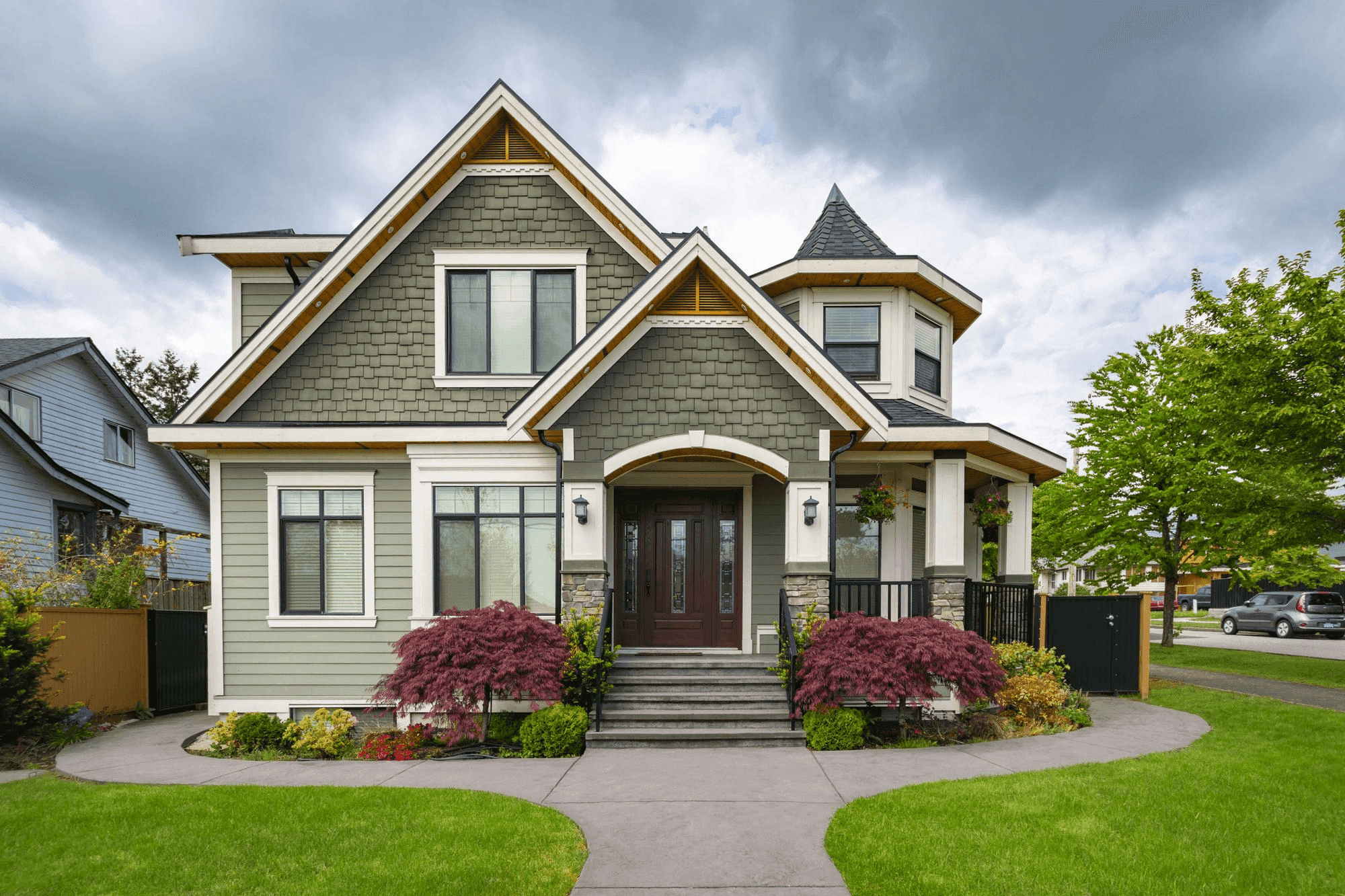
Top 10 Safest Cities in Texas (2026)
This is the core list most people are searching for - the top 10 safest cities in Texas for 2026, based on population-adjusted FBI/NIBRS crime data, and a solid starting point if you're comparing safest counties in Texas as well as individual cities:
| Rank | City | Metro Area | Total Crime (vs. TX avg) | Disaster Risk |
|---|---|---|---|---|
| 1 | Trophy Club | Dallas-Fort Worth | ~86% lower | Moderate (tornado corridor) |
| 2 | Parker | Dallas-Fort Worth | ~85% lower | Moderate (tornado corridor) |
| 3 | Fair Oaks Ranch | San Antonio | ~80% lower | Low-moderate |
| 4 | Melissa | Dallas-Fort Worth | ~85% lower | Moderate (tornado corridor) |
| 5 | Memorial Villages | Houston | ~75% lower | Low-moderate |
| 6 | Fulshear | Houston | ~74% lower | Low-moderate (some flood zones) |
| 7 | Murphy | Dallas-Fort Worth | ~80% lower | Moderate (tornado corridor) |
| 8 | Whitehouse | East Texas | ~90% lower | Low |
| 9 | Colleyville | Dallas-Fort Worth | ~78% lower | Moderate (tornado corridor) |
| 10 | Perryton | Texas Panhandle | ~92% lower | Moderate (tornado corridor) |
Five of these top 10 safest cities in Texas are Dallas-Fort Worth suburbs, which is why North Texas dominates most statewide safety rankings this year. Depending on how much weight you put on population size versus raw crime numbers, more than one of these towns could reasonably claim the title of safest place in Texas to live.
Top 20 Safest Cities in Texas: The Next Tier
Beyond the top 10, the next group of the top 20 safest cities in Texas includes larger, more familiar suburbs that combine low crime with real inventory and amenities - Flower Mound, Frisco, Keller, Allen, Coppell, Sugar Land, Friendswood, Round Rock, Georgetown, and Plano all consistently rank in this range. Several of these also show up whenever buyers search for the safest suburbs in Texas specifically, rather than standalone cities. These are covered in detail in the city-by-city section below, since they're the most realistic options for buyers who want both safety and a wide selection of homes.
The 7 Best-Known Safest Places to Live in Texas for Buyers
While the small towns above post the lowest raw crime numbers, most buyers are choosing between larger suburbs with real housing inventory, jobs, and schools. These seven consistently rank among the safest places to live in Texas for families and professionals alike, and routinely surface as the best places to live in Texas overall, not just on safety alone. Any one of them could reasonably top your shortlist depending on how you prioritize price, disaster risk, and school district quality:
| City | Crime Index (vs. TX avg) | Disaster Risk | 2026 Median Home Price | Why It's Safe |
|---|---|---|---|---|
| Flower Mound | ~80% lower | Moderate (tornado corridor, low flood risk) | ~$615,000-$620,000 | Master-planned zoning, strong code enforcement, low turnover |
| Frisco | ~85% lower (123 violent crimes/100k) | Moderate (tornado exposure, minimal flooding) | ~$675,000-$690,000 | Heavy municipal investment in police staffing and traffic safety |
| Keller | ~80% lower | Moderate (tornado corridor) | ~$650,000-$660,000 | Small-town policing model with fast response times |
| Friendswood | ~75% lower | Elevated (hurricane/flood, Gulf-adjacent) | ~$430,000-$435,000 | Strong flood mitigation infrastructure post-Harvey |
| Sugar Land | ~85% lower (78 violent crimes/100k) | Low-moderate (inland, minor flood zones) | ~$455,000-$460,000 | Master-planned layout insulates neighborhoods from Houston spillover |
| Allen | ~80% lower | Moderate (tornado corridor) | ~$515,000-$520,000 | Dense community-policing programs, top-rated school security |
| Coppell | ~80% lower | Moderate (tornado corridor, minimal flooding) | ~$545,000-$555,000 | Small footprint, high owner-occupancy rate, low transient population |
Wallet Math: What "Safe" Actually Costs
At today's ~6.49% 30-year fixed rate:
- Friendswood $430K home, 10% down): roughly $2,450/month in principal and interest - the most affordable entry point among the safest places to live in Texas on this list.
- Frisco($680K home, 10% down): roughly $3,880/month in principal and interest - about $1,400/month more than Friendswood for North Texas's lowest violent-crime rate among major suburbs.
- Sugar Land ($455K home, 10% down): roughly $2,595/month - close to Friendswood's price point with a notably lower crime index.
You don't need Frisco's price tag to get Frisco-level safety. Sugar Land and Friendswood both deliver top-decile crime numbers at 30–40% less house payment. Whichever budget you're working with, finding the safest place to live in Texas you can actually afford starts with knowing your real monthly number before you start touring homes.
City-by-City Breakdown
1. Flower Mound
Flower Mound consistently ranks among North Texas's safest suburbs, helped by strict zoning, an unusually high owner-occupancy rate, and a police department that leans heavily on community engagement. Pair that with Flower Mound's top-rated school district and you get one of the stickiest markets in DFW. For many families weighing options inside a major metro, Flower Mound is a strong candidate for the safest place to live in Texas without sacrificing commute time, and a frequent answer for anyone comparing the best place to live in Texas for families.
2. Frisco
Frisco posts one of the lowest violent-crime rates of any major Texas suburb - about 123 incidents per 100,000 residents. It's also one of the fastest-growing tax bases in the state, funding continued investment in police staffing and infrastructure. That track record has made Frisco a frequent answer to the question of the safest place to live in Texas among larger suburbs with real housing inventory. See our Frisco affordability breakdown for a full monthly-cost picture.
3. Keller
Keller runs a small-town policing model inside a big metro footprint, showing up in consistently low burglary and vehicle-theft numbers. Learn more about financing an established-home purchase if you're eyeing Keller's resale market.
4. Friendswood
Friendswood sits close to the Gulf, so hurricane and flood exposure is real - but the city invested heavily in drainage after Hurricane Harvey, and still posts a crime index roughly 75% below the state average. Check our flood-zone home buying checklist before you tour homes here.
5. Sugar Land
Sugar Land ranks among the safest cities nationwide on a per-capita basis, with a violent crime rate around 78 per 100,000 residents. Its master-planned layout buffers it from broader Houston-metro crime trends. Pair Sugar Land's affordability with our property tax comparison guide.
6. Allen
Allen combines low crime with dense community-policing programs and heavily secured school campuses, making it a go-to answer when families search for the safest city in Texas to raise a family. See Allen ISD's safety and ratings overview for the education side of the equation.
7. Coppell
Coppell is compact, largely built out, and has one of the highest owner-occupancy rates in the Metroplex. Because inventory is limited, buyers benefit most from being pre-approved before they start touring.
Buying a Home? Get up to 1.5% Cash Back at Closing. Get pre-approved first, then start exploring homes knowing you can receive up to 1.5% of the home price back at closing. → Find your dream home
Buying a Home? Get up to 1.5% Cash Back at Closing
Get pre-approved first, then start exploring homes knowing you can receive up to 1.5% of the home price back at closing.
Safest Neighborhoods and Areas in Texas
Crime data at the city level only tells part of the story - the safest neighborhoods in Texas often sit inside cities that carry a higher citywide average. A few patterns worth knowing before you narrow down safe areas to live in Texas:
- Master-planned communities (common in Flower Mound, Sugar Land, and Fulshear) tend to post lower property crime because of controlled access points, HOA-enforced maintenance standards, and limited through-traffic.
- Established, low-turnover neighborhoods- think older sections of Keller or Coppell - often outperform newer developments on burglary and vehicle-theft rates simply because residents know their neighbors.
- School-zone boundaries are a reliable proxy for safe neighborhoods in Texas, since top-rated ISDs typically overlap with lower-crime residential pockets.
Note:If you're evaluating a specific address rather than a city, pull block-level crime data and a FEMA flood map before you make an offer - citywide averages can mask meaningfully safer (or riskier) pockets within the safest areas in Texas. Zooming into block-level data is often the only way to confirm whether a specific address is really the safest place to live in Texas you're considering.
Safest Places to Live in Texas by Metro Area
Where you land inside a metro matters as much as which metro you choose. Here's how safety breaks down city by city across Texas's largest metro areas. The breakdowns below can help you pinpoint the safest place to live in Texas within the specific region you're targeting.
Safest Places to Live in Houston, Texas
Sugar Land, Fulshear, and the Memorial Villages consistently rank as the safest places to live in Houston, Texas - all three post crime rates well below Houston's citywide average while remaining inside a reasonable commute of downtown. Friendswood, technically part of the greater Houston/Galveston corridor, adds strong flood mitigation to the mix. If you're asking where the safest place to live in Houston, Texas is for a first home, Sugar Land offers the best balance of safety, price, and inventory, making it the closest thing to the safest place to live in Texas for buyers who need a reasonable Houston commute.
Safest Places to Live in Dallas, Texas
Within Dallas proper, look to neighborhoods near Preston Hollow and the M Streets for relatively lower crime, but for genuinely low citywide numbers, the safest places in Dallas, Texas are technically its suburbs - Trophy Club, Parker, Murphy, Colleyville, Flower Mound, Frisco, Allen, and Coppell all outperform the city's core on every major crime category. Most buyers searching for the safest place to live in Dallas, Texas end up choosing one of these DFW suburbs rather than a Dallas ZIP code. Among them, Trophy Club remains the most frequently cited safest place to live in Texas for buyers who prioritize crime data above all else.
Safest Places to Live in Austin, Texas
The safest places to live in Austin, Texas tend to be its northwestern suburbs - Steiner Ranch, Circle C Ranch, and neighboring Georgetown and Round Rock all post crime rates and disaster risk well below Austin's citywide average. Round Rock in particular landed at No. 26 nationally on MoneyGeek's 2026 safest-cities list. If you're comparing crime rates for the safest places to live in Austin, Texas, these outlying communities consistently beat the urban core.
Safest Place to Live in Fort Worth, Texas
Keller and Colleyville, both just north of Fort Worth, offer the safest place to live in Fort Worth, Texas without sacrificing proximity to downtown. Within Fort Worth's official city limits, the far-west and far-north neighborhoods near the Alliance corridor generally post lower crime than the urban core.
Safest Place to Live in San Antonio, Texas
Fair Oaks Ranch, just northwest of the city, is one of the safest place to live in San Antonio, Texas, with property and violent crime both trending down for two consecutive years. Stone Oak and The Dominion are the strongest options inside San Antonio's city limits.
Safest Places to Live in Galveston, Texas
Galveston carries the highest natural-disaster exposure on this list by far, given its position directly on the Gulf. Within the island and surrounding mainland communities, League City and Friendswood are the safest places to live in Galveston, Texas for buyers who want coastal access without accepting the island's full hurricane and storm-surge risk.
Safest Places to Live in Texas for Families
Families searching for the safest places to live in Texas for families typically weigh school security and community programming alongside raw crime numbers. Frisco, Allen, and Flower Mound consistently rank as the safest places to live in Texas for families because they combine low crime with heavily resourced school districts, youth programs, and low student-to-officer ratios in schools. This same shortlist tends to double as the best cities in Texas to raise a family, since strong schools and low crime usually go hand in hand. Sugar Land and Round Rock are strong runners-up, both offering diverse, well-established communities with lower cost of entry than the North Texas suburbs, and both regularly appear on lists of the best places to live in Texas for families.
Note: For families evaluating community fit alongside safety - including buyers researching the safest places to live in Texas for Black families or other specific communities - we'd recommend pairing crime data with a visit to the area, a look at local school demographics, and conversations with a local agent who knows the neighborhood dynamics firsthand. Crime statistics alone don't capture community culture, so treat this list as a safety starting point, not the full picture.
Cheapest and Safest Places to Live in Texas
If affordability is your primary filter, these cities offer the strongest combination of low crime and low price - the cheapest and safest places to live in Texas for 2026:
- Friendswood -$430K median price with a crime index roughly 75% below the state average.
- Sugar Land - ~$455K median price with one of the lowest violent-crime rates in the state.
- Allen -~$515K median price with strong community-policing outcomes.
- Whitehouse (East Texas) - reported a 65% drop in violent crime and a 74% drop in property crime over recent years, with home prices well below the DFW/Houston metro average.
If you're looking specifically for the safest, most affordable places to live in Texas rather than the lowest crime number in isolation, Whitehouse and Friendswood offer the best ratio of safety to purchase price on this list - proof that safe and affordable places to live in Texas absolutely exist outside the state's priciest suburbs. For buyers on a tighter budget, Whitehouse may well be the safest place to live in Texas that still fits a modest monthly payment.
Safest Place to Live in Texas From Natural Disasters
Crime isn't the only risk that affects your insurance premium and resale value. If you're searching for the safest place to live in Texas from natural disasters, here's how the risk breaks down by hazard type, since disaster exposure changes the answer just as much as crime data does:
- Where to live in Texas without tornadoes: No region of Texas is entirely tornado-free, but the Gulf Coast (Houston, Galveston, Corpus Christi) sees meaningfully fewer tornado touchdowns than North and Central Texas. If avoiding tornadoes is the priority, coastal and far-South Texas communities carry lower risk - in exchange for higher hurricane exposure.
- What part of Texas has no tornadoes or hurricanes: Realistically, none - every region of Texas carries some disaster exposure. The closest answer is far West Texas (El Paso and the Trans-Pecos), which sees minimal hurricane impact and a lower tornado frequency than North Texas, though wildfire and drought risk rise in that region instead.
- What part of Texas has the least natural disasters overall: Inland Central Texas (the Austin-San Antonio corridor and Hill Country) generally posts the lowest combined disaster risk, avoiding both the tornado corridor's peak intensity and the Gulf Coast's hurricane exposure. This is also the region buyers usually land on when asking what part of Texas has the least tornadoes.
- Best places to live in Texas without natural disasters: Georgetown, Round Rock, and San Antonio's northern suburbs (including Fair Oaks Ranch) offer the closest thing to a low-disaster-risk profile in the state, while still keeping tornado and hail risk at a manageable level.
Note: Before you buy, pull the FEMA flood map and a current insurance quote for the specific address - not just the city average. Regional labels don't capture floodplain- or block-level risk.
Lowest Crime Rate Cities in Texas
If your search started with "what city in Texas has the lowest crime rate" rather than "safest places to live in Texas," here's the direct answer: on a population-adjusted basis, Trophy Club and Parker post the lowest crime rate in Texas for 2026, per SafeWise's analysis of FBI/NIBRS data. Among cities with more livable size and amenities, Frisco (123 violent crimes per 100,000) and Sugar Land (78 violent crimes per 100,000) have the lowest crime rate cities in Texas outside the ultra-small-town tier.
Looking for low crime rate cities in Texas with real housing inventory rather than a tiny population base? Focus on the 7-city table above - those are the lowest crime rate cities in Texas that also have enough homes on the market to realistically house-hunt in.
Safest Towns and Small Cities in Texas
Several under-the-radar safest small towns in Texas post crime numbers that rival - or beat - the larger suburbs above:
- Trophy Club - Ranked the No. 1 safest city in Texas for 2026 by SafeWise, out of more than 340 cities evaluated.
- Parker - SafeWise's No. 2 pick statewide, with violent crime near 31 incidents per 100,000 residents.
- Melissa - One of the fastest-improving safety profiles in the state.
- Murphy and Colleyville - Both landed in SafeWise's 2026 top 10.
- Fulshear - Jumped into the top 10 in 2026, with violent crime running roughly six times below the state average.
Smaller towns often mean fewer amenities and longer commutes, so weigh that against the safety upside. Our small-town vs. suburb buying guide walks through the trade-offs.
Safest Texas Cities for Military Families
Texas is home to several major installations, and BAH (Basic Allowance for Housing) rates vary widely by base, rank, and dependency status.
- Fort Cavazos (Killeen): 2026 BAH for an E-5 with dependents runs about $2,733/month, up roughly 5% from 2025. Nearby communities like Harker Heights and Nolanville offer lower crime profiles than Killeen proper.
- Goodfellow AFB (San Angelo): BAH rates are lower than the DFW/Houston metros but stretch further given San Angelo's lower cost of living.
- Sheppard AFB (Wichita Falls): BAH here typically covers a larger share of a median mortgage payment than in the state's major metros.
- NAS Corpus Christi: Coastal BAH rates run higher to offset hurricane/flood insurance costs.
Note: BAH rates update annually and vary by exact ZIP code - pull your specific number from the official DTMO BAH calculator before budgeting.
If you're VA-eligible, a VA loan typically means: zero down payment for qualifying buyers, no monthly private mortgage insurance (PMI), and competitive rates relative to conventional financing.
Check your VA loan eligibility and start pre-approval - reAlpha works with military buyers across every base in Texas.
Homeowners Insurance and the True Cost of Living in Texas's Safest Cities
Crime and disaster risk don't just affect your peace of mind - they directly shape your homeowners insurance premium, and that premium is a real line item in your monthly payment. Here's what to budget for:
- Home insurance average cost: Across Texas, homeowners insurance runs meaningfully higher than the national average because of storm, hail, and hurricane exposure. In the lower-risk North Texas suburbs on this list, expect a home insurance average cost in the $150–$275/month range for a $500K home. In hurricane-exposed Gulf Coast cities like Friendswood or Galveston, that typical home insurance cost climbs to $300–$500+/month once wind and hail coverage and flood insurance are factored in - and that average price for home insurance should be treated as a real line item, not an afterthought, when you're budgeting for homeowners insurance Texas coverage.
- Homeowners insurance Texas basics: A standard homeowners insurance Texas policy covers fire, theft, liability, and wind/hail - but flood insurance for flood-prone ZIP codes is a separate policy, typically through the National Flood Insurance Program (NFIP) or a private flood carrier. If you're buying in a FEMA-mapped flood zone (common in Friendswood and other Gulf Coast cities), budget for hazard insurance as its own monthly cost, not an add-on.
- Mortgage insurance vs. homeowners insurance: These are two different things buyers often mix up: mortgage insurance (PMI on conventional loans, or the VA funding fee on VA loans) protects the lender if you default and is generally required when you put down less than 20%. Homeowners insurance (sometimes called hazard insurance) protects your actual property and is required by every lender regardless of down payment. VA loans waive monthly mortgage insurance entirely, which is one more reason military buyers should weigh that benefit heavily when comparing house insurance in Texas costs.
What drives your average hazard insurance cost up or down:
- Proximity to the coast (hurricane/wind exposure)
- Local hail frequency (a major cost driver in North and Central Texas)
- Crime rate in the surrounding neighborhood (theft and vandalism claims history)
- Home age, roof condition, and construction materials
- Whether the property sits in a mapped flood zone
Note: Because the state of Texas homeowners insurance market has tightened in recent years, getting a real home owners insurance quote or set of home insurance quotes for your target address - not a citywide estimate - before you finalize a purchase offer is essential. Our homeowners insurance in Texas guide breaks this down by region in more detail.
Monthly Cost Breakdown: What You'll Actually Pay
Here's what typically makes up a monthly payment in these safer Texas suburbs, using a $500,000 home financed with 10% down at ~6.49% (30-year fixed) as an example:
| Cost Component | Typical Monthly Range |
|---|---|
| Principal & Interest | ~$2,845 |
| Property Taxes | ~$700-$950 (varies significantly by city/district) |
| Homeowners (Hazard) Insurance | ~$150-$350 (higher near the coast or in hail-prone corridors) |
| Flood Insurance (if applicable) | ~$50-$150 (required in mapped flood zones) |
| Mortgage Insurance/PMI (if under 20% down) | ~$150-$250 (waived on VA loans) |
| HOA Dues (if applicable) | ~$40-$150 (common in newer master-planned communities) |
| Estimated Total (PITI + HOA) | ~$3,900-$4,650 |
Note: Property taxes and home insurance are the two biggest swing factors between cities - two similarly priced homes in different school districts or flood zones can differ by hundreds of dollars a month in house insurance rates alone. Run your specific city and ZIP code through our property tax comparison tool before you commit to a budget.
Why Safe Cities Make Financing Easier
Lenders don't just underwrite you - they underwrite the property and the neighborhood.
1. Appraisal stability: Homes in low-crime, low-turnover neighborhoods tend to hold appraised value more consistently, reducing the risk of an appraisal gap derailing your closing.
2. Insurance underwriting: Lower crime and lower disaster exposure both feed into your home insurance quote, which is part of the total monthly payment (PITI) lenders qualify you against.
3. The cost of waiting 6-12 months: In competitive, low-crime suburbs like Frisco or Coppell, inventory moves fast. Waiting for rates to drop can mean re-entering the market against higher prices and more competition.
4. What pre-approval actually shows sellers - In a market where multiple offers are common, a pre-approval letter signals you're a serious, qualified buyer - not just someone browsing listings.
5. How loan types differ for these markets:
- Conventional loans typically require the strongest credit profile but offer flexibility on property type and loan amount.
- FHA loans allow lower down payments and more flexible credit requirements.
- VA loans offer zero-down financing for eligible military and veteran buyers, with no monthly mortgage insurance.
Start your mortgage pre-approval with reAlpha - it takes minutes, and knowing your number before you tour homes is the single biggest advantage in a competitive, low-crime market.
2026 Hurricane Season Update: What It Means for Florida's Safest Cities
Crime data only tells half the safety story in Florida - the other half is storm exposure, and 2026 is already giving buyers a real-time example of why that matters. As of late July, Tropical Storm Bertha - the season's second named storm - is moving through the northern Gulf of Mexico, with active Tropical Storm Warnings across the Florida Panhandle. It's a useful live case study for anyone weighing coastal convenience against inland stability when choosing where to buy.
Key storm and season data to know:
- Bertha's current impact: A Tropical Storm Warning is in effect for the Panhandle from the Bay/Gulf County line to the Alabama border, with double-red flags and closed swimming beaches in Panama City Beach and Pensacola Beach due to 9-foot surf and dangerous rip currents.
- Rainfall risk: Western Florida is expected to see 2-4 inches of rain, with isolated areas getting 6-8 inches - enough to trigger localized flash flooding in low-lying urban areas.
- Storm strength: Forecasters don't expect Bertha to reach hurricane strength, thanks to Saharan dust and strong wind shear working against it.
- 2026 season outlook is milder than usual: A strengthening "Super El Niño" is producing unusually high Caribbean wind shear, which tears storms apart before they intensify. NOAA now projects a 55% chance of a below-average season (8-14 named storms, 3-6 hurricanes), and Colorado State University's July update trimmed its forecast further to just 9 named storms and 4 hurricanes basin-wide.
- Unaffected so far: Florida's Atlantic coast - including Vero Beach, Marco Island, and the Parkland/Broward area - remains dry and outside Bertha's direct path.
Why this matters for your city shortlist: This blog already flags hurricane exposure as a factor separate from crime - and Bertha is a live illustration of that gap. Inland picks like Wildwood, Winter Springs, and Parkland sit outside this week's warning zone entirely, while Gulf-facing cities like Pensacola are dealing with real coastal hazards right now. If you're deciding between a coastal and inland "safe city," a season like this one is exactly the kind of risk that shows up in your insurance quote long before it shows up in a crime statistic.
FAQs
What is the safest city in Texas in 2026?
Trophy Club, per SafeWise's 2026 analysis of more than 340 Texas cities. Parker ranks second. Among larger suburbs, Frisco and Sugar Land post the lowest violent-crime rates.
Where is the safest place to live in Texas? Where is the safest place to live in Texas?
North Texas dominates the rankings - five of the state's ten safest cities are Dallas-Fort Worth suburbs. If you want a larger city with real housing inventory, Frisco, Flower Mound, Sugar Land, and Allen are consistently the safest places to live in Texas for buyers.
Which city in Texas has the lowest crime rate?
On a population-adjusted basis, Trophy Club and Parker post the lowest crime rate in Texas for 2026. Among cities over 100,000 residents, Frisco has the lowest violent-crime rate of any major Texas suburb.
Is the 2026 hurricane season expected to be severe, and does it affect the safest cities on this list?
No - 2026 is actually shaping up to be a below-average season. A strengthening Super El Niño is generating unusually high wind shear that's suppressing storm development, and both NOAA and Colorado State University have lowered their named-storm forecasts accordingly. That said, storms like Tropical Storm Bertha still bring real short-term flooding and surf risk to Gulf Coast cities like Pensacola, which is why inland picks such as Wildwood, Winter Springs, and Parkland carry lower hurricane exposure even in a quiet season.
What are the safest neighborhoods in Texas? Are suburbs safer in Texas?
Master-planned communities and established, low-turnover neighborhoods inside cities like Flower Mound, Sugar Land, and Keller consistently post the lowest block-level crime, even when the citywide average is higher.
Is Texas prone to tornadoes, and which areas are safest from them?
Yes - North and Central Texas sit inside a recognized tornado corridor. The Gulf Coast sees fewer tornadoes but higher hurricane risk instead; there's no zero-risk region, just a trade-off in disaster type.
What is the safest, most affordable place to live in Texas?
Friendswood and Sugar Land offer the strongest combination of low crime and affordable home prices among mid-size cities; Whitehouse offers the lowest price point among genuinely low-crime small cities.
Is Texas overall a safe state to live in?
Texas tracks slightly above the national average for both violent and property crime statewide, driven mainly by its largest metro cores. But the state's suburbs - especially the ones covered in this guide - post crime rates dramatically below both state and national averages.
Ready to Buy in One of the Safest Places to Live in Texas?
Safety data narrows the map - financing turns it into an actual address. reAlpha helps you move from research to offer with:
- Free mortgage pre-approval - see your real budget in minutes, no credit impact
- VA, FHA, and conventional loan options - compare what fits your situation
- Up to 1% commission cashback on eligible purchases - put real money back toward closing costs or your down payment
Even in a below-average season like 2026, storms such as Tropical Storm Bertha are a reminder that hurricane exposure deserves the same scrutiny as crime data when picking a city. Weigh both together, and the safest place to live in Florida becomes a much clearer, more personal answer.
Talk to a reAlpha agent about any city on this list - we'll help you compare safety, cost, and financing side by side before you make an offer on one of the safest places to live in Texas.
Get the latest market trends, homebuying tips, and insider updates—straight to your inbox. No fluff, just the good stuff.
Article by
As a great communicator with excellent negotiation skills, I focus more on establishing unbreakable ties between my clients, as opposed to just helping them achieve their real estate dreams. As a representative of both buyers and sellers, I understand how to lead a transaction process to ensure that the needs of both are met. My track record speaks for itself. Since I ventured into the industry in 2013 as a realtor, I have not only helped many buyers land perfect homes, but I have also assisted tons of owners and investors build wealth.