Safest Places to Live in Florida (2026): Low-Crime Cities Buyers Actually Choose
August 26, 2026
9 minutes
If you want the short answer without digging through crime spreadsheets, here's what buyers are actually choosing when they search for the safest places to live in Florida in 2026 - based on violent and property crime rates, year-over-year stability, and livability, not hype.
- Safest overall city in Florida: Parkland - a violent crime rate of roughly 0.16 per 1,000 residents, one of the lowest of any city in the state, backed by A-rated schools and 94% homeownership.
- Safest coastal city: Marco Island - violent crime around 0.7 per 1,000, low density, and high owner-occupancy, even with tourism traffic.
- Safest affordable option: Wildwood - crime roughly half the state average with a median home price still under $350K.
- Best safety-to-stability balance near a metro: Safety Harbor - SafeWise's #2 safest city in Florida for 2026, right next to Tampa Bay.
So, is Florida safe to live in? Statewide, yes - Florida's violent crime rate sits at 3.96 per 1,000 residents in 2026, below the national average of 4.43, and property crime (20.29 per 1,000) also runs below the U.S. average of 22.89. But how safe is Florida day to day depends entirely on which city you pick - and that gap between state averages and city-level reality is exactly where the safest places to live in Florida separate from the rest.
Start by narrowing to the cities buyers actually choose - then compare them to broader lifestyle picks in Best Places to Live in Florida.
Is Florida a Safe Place to Live in 2026?
Short answer: is it safe to live in Florida? Yes, on average - but "average" hides a lot. Florida's overall crime numbers beat the national average, yet crime is heavily concentrated in specific tourist corridors and dense urban pockets, while the same state also contains some of the lowest crime areas in Florida found anywhere in the country.
That's the whole point of this guide: state-level stats answer "is Florida a safe place to live" in the abstract, but they don't tell you where the safest place to live in Florida from crime actually is for your budget and lifestyle. That requires comparing specific low crime cities in Florida against each other - not just against the national average. This guide to the safest places to live in Florida does exactly that, city by city.
Bundle your agent and mortgage. Save an average of $10,000.
Don't have an agent yet? Pair your reAlpha mortgage with a reAlpha agent, and you could get up to 1.5% cash back at closing.
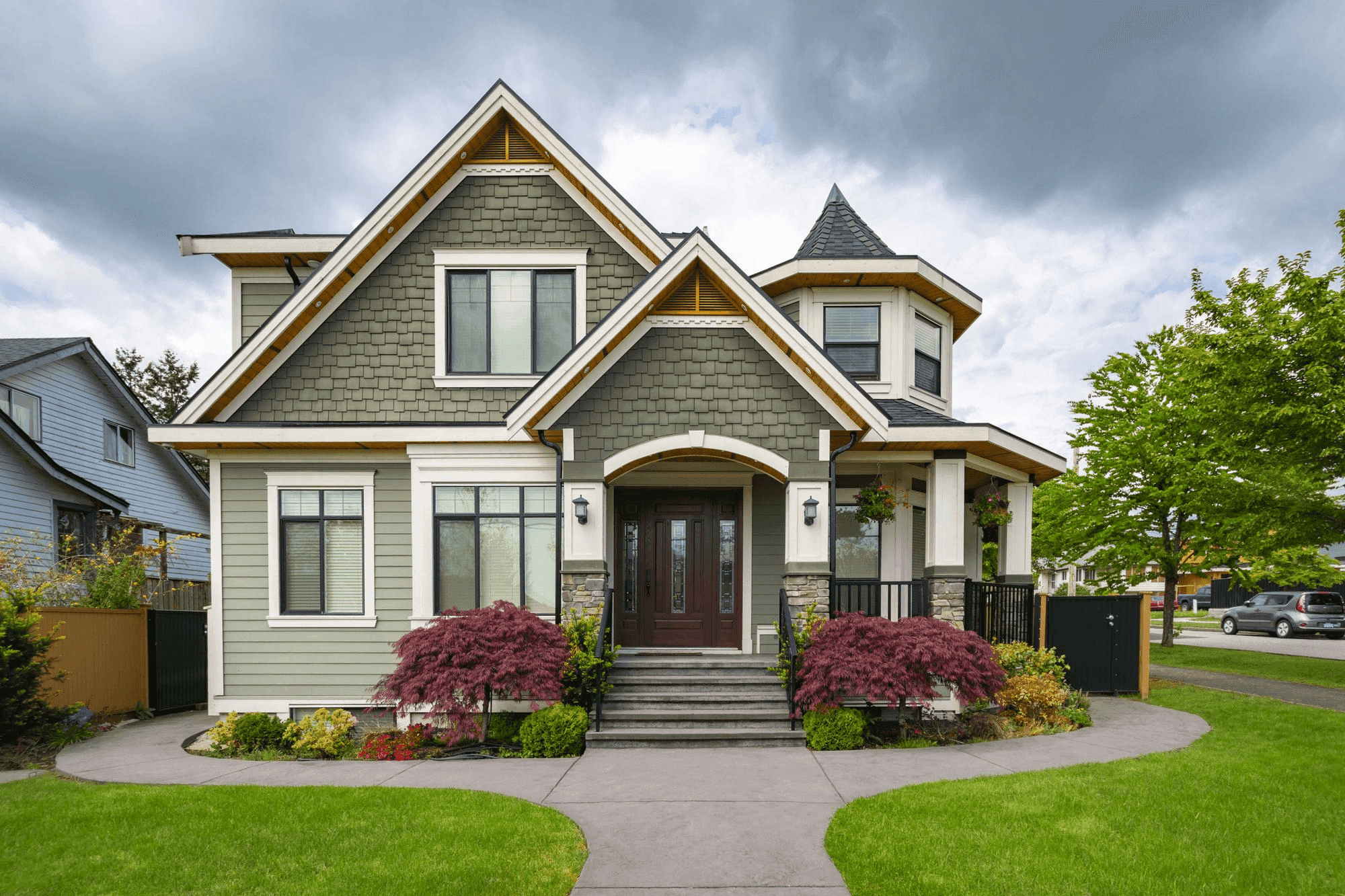
Top 10 Safest Cities in Florida (2026 Rankings)
Independent crime-data analysis from SafeWise, using FBI/NIBRS-reported violent and property crime, put these among the florida cities with lowest crime rate for 2026 - in other words, the lowest crime cities in Florida and the towns with the lowest crime rate in Florida this year:
| Rank | City | Violent Crime (/1,000) | Property Crime(/1,000) |
|---|---|---|---|
| 1 | Vero Beach | 0.3 | 2.7 |
| 2 | Safety Harbor | 1.3 | 7.0 |
| 3 | Dunedin | 0.8 | 9.3 |
| 4 | Hialeah Gardens | 0.6 | 10.2 |
| 5 | St. Cloud | 1.9 | 7.6 |
| 6 | Coral Springs | 1.3 | 11.1 |
| 7 | Sunny Isles Beach | 1.3 | 11.9 |
| 8 | Miami Lakes | 1.0 | 13.2 |
| 9 | West Melbourne | 1.5 | 12.2 |
| 10 | Cutler Bay | 1.5 | 13.9 |
That's a useful list if you're only asking what city in Florida has the lowest crime rate - but it's not the full picture for buyers. Some of the state's genuinely low crime areas in Florida for homebuyers - like Parkland, Marco Island, Wildwood, and Winter Springs - didn't meet SafeWise's population or reporting thresholds for this particular ranking, yet post crime rates that rival or beat everything on this list. That's why the rest of this guide focuses on a buyer-relevant table further down, not just a raw top 10 safest cities in Florida leaderboard.
If you're narrowing your search to just the top 5 safest cities in Florida for buying a home, the strongest combination of low crime, cost data, and market activity points to Parkland, Marco Island, Safety Harbor, Dunedin, and Wildwood - all covered in detail below.
Safest Places to Live in Florida for Families
Search interest in the safest cities in Florida for families and safest places to live in Florida for families has grown alongside relocation demand, and for good reason - families weigh school ratings alongside crime data.
- Parkland - A-rated schools with 77–80% test proficiency, violent crime near 0.16 per 1,000
- Winter Springs - Orlando-area schools, violent crime around 1.6 per 1,000, no coastal storm-surge risk
- Safety Harbor and Dunedin - both rank in Florida's top 3 statewide for 2026 safety and offer strong, stable school zones near Tampa Bay
These four consistently show up across independent rankings as the safest cities in Florida for families, combining low crime with school quality - a combination that matters more to relocating families than crime data alone.
Safest Beaches and Coastal Towns in Florida
If you're specifically looking for the safest beaches in Florida or a coastal ZIP code, the calculus changes: coastal cities trade lower crime for higher hurricane and insurance exposure.
- Marco Island - the standout answer to "safest place to live in Florida from crime" among coastal towns, with violent crime near 0.7 per 1,000 despite heavy tourism
- Vero Beach - SafeWise's #1 safest city in Florida overall for 2026, and a small beach town on the Atlantic coast
- Safety Harbor and Dunedin - Tampa Bay-adjacent, walkable, and far less exposed to direct hurricane landfall than open beachfront
If your priority is the safest place to live in Florida from hurricanes, inland cities beat coastal ones every time - Orlando, Winter Springs, and Wildwood sit well outside the highest storm-surge zones. For buyers weighing the safest place to live in Florida from hurricanes and crime together, Winter Springs and Safety Harbor offer the best combination: low crime, low storm-surge exposure, and manageable insurance costs. If natural disaster risk is your top filter, the safest place to live in Florida from natural disasters is generally inland and elevated - think central Florida over the coast.
Looking specifically near Orlando? The safest place to live in Orlando Florida search often points people downtown, but the real answer is the surrounding low-crime suburbs like Winter Springs and Oviedo, which combine Orlando job access with inland storm protection.
Cheapest and Safest Places to Live in Florida
The most common follow-up question after "where is the safest place to live in Florida" is whether safety and affordability can coexist. For the cheapest and safest place to live in Florida, three cities stand out:
- Wildwood - median home price under $300K, crime roughly half the state average
- Pensacola - median home price around $310K, genuinely coastal, with moderate crime
- Winter Springs - median home price around $425K, strong schools, low storm exposure
These represent the best and safest places to live in Florida for buyers who want low crime without a seven-figure price tag. If you're comparing the safest and most affordable places to live in Florida side by side, Wildwood currently offers the best ratio of low crime to low cost of any city in this guide - making it a strong answer to best safe place to live in Florida for budget-conscious buyers.
Safest Cities in Florida (2026) - Crime + Cost Snapshot
Rates are per 1,000 residents. Home prices are 2026 city medians; mortgage estimates assume a 30-year fixed loan near today's ~6.5% average rate with 20% down.
| Parkland | Violent Crime | Property Crime | Median Home Price | Insurance Impact | Hurricane Exposure | Best For |
|---|---|---|---|---|---|---|
| Parkland | ~0.16 | ~4.3 | ~$1.06M | Low | Low (inland) | High-income families, top schools |
| Marco Island | ~0.7 | ~4.8 | ~$1.2M | High | High (barrier island) | Coastal luxury buyers, retirees |
| Safety Harbor | ~1.3 | ~7.0 | ~$500K | Low–Medium | Medium | Families, long-term owners |
| Dunedin | ~0.8 | ~9.3 | ~$525K | Medium | Medium | Walkable lifestyle, families |
| Wildwood | ~1.0 | ~6.5 | ~$300K | Low | Low (inland) | Budget buyers, retirees |
| Winter Springs | ~1.6 | ~8.0 | ~$425K | Medium | Low (inland) | Orlando commuters, families |
| Pensacola | ~1.0–1.2 | ~11.0 | ~$310K | Medium | High (Gulf Coast) | Budget coastal buyers |
Your tax line item can quietly swing the monthly math even in low-crime areas - sanity-check ownership costs with Florida property tax before you fall in love with a ZIP code.
Buying a Home? Get up to 1.5% Cash Back at Closing
Get pre-approved first, then start exploring homes knowing you can receive up to 1.5% of the home price back at closing.
Parkland - Safest for High-Income Families
Why buyers pay the premium: Parkland's violent crime rate of about 0.16 per 1,000 is among the lowest of any Florida city, and it pairs with A-rated public and charter schools where test proficiency runs 77–80%. Homeownership sits near 94%.
- Median home price: ~$1.06M
- Est. monthly mortgage (20% down, ~6.5%): ~$5,400
- Insurance + taxes: ~$700–$900/mo
- Safety premium: roughly $900–$1,100/mo above mid-market Florida cities
Hidden upside: stable resale demand cushions downside risk in a market shift. Watch out: limited inventory means timing matters more than negotiating room.
Marco Island - Safest Coastal City (Relative Risk)
Why it's safe: low density, high owner-occupancy, and a strong local police presence keep violent crime near 0.7 per 1,000 - well below the state average even with heavy seasonal tourism.
- Median home price: ~$1.2M
- Est. monthly mortgage: ~$6,100
- Insurance + taxes: ~$1,000–$1,200/mo
- True cost driver: insurance volatility, not crime
Hidden upside: crime risk stays low year-round despite tourist traffic. Watch out: buying in the wrong wind/flood insurance cycle can swing costs $400–$700/mo.
Safety Harbor - Best Safety-to-Stability Balance
Why buyers choose it: SafeWise ranked Safety Harbor the #2 safest city in Florida for 2026. Tree-lined streets, a walkable downtown, and consistently low violent crime (~1.3 per 1,000) make it a favorite for long-term owners near Tampa Bay.
- Median home price: ~$500K
- Est. monthly mortgage: ~$2,650
- Insurance + taxes: ~$500–$600/mo
- Safety premium: modest - roughly $300–$400/mo over higher-crime Tampa-area suburbs
Hidden upside: strong long-term appreciation without full coastal exposure. Watch out: limited new construction keeps inventory tight.
Dunedin - Walkable & Family-Safe
Why it works: Dunedin ranked #3 safest in Florida for 2026 per SafeWise, with a violent crime rate near 0.8 per 1,000. Breweries, festivals, and walkable streets keep demand - and prices - resilient.
- Median home price: ~$525K
- Est. monthly mortgage: ~$2,750
- Insurance + taxes: ~$650–$750/mo
- Lifestyle premium: ~$350/mo for walkability and safety combined
Hidden upside: strong rental fallback if plans change. Watch out: older housing stock can push insurance quotes higher.
Wildwood - Safest Budget-Friendly Option
Why buyers like it: inland along the I-75/Villages corridor, Wildwood posts crime rates roughly half the state average while keeping the median home price under $300K - among the lowest on this list.
- Median home price: ~$300K
- Est. monthly mortgage: ~$1,600
- Insurance + taxes: ~$400–$450/mo
- Best safety-per-dollar on this list
Hidden upside: lower carrying costs make a long-term hold easier. Watch out: slower price appreciation than coastal or metro-adjacent cities.
Winter Springs - Safe for Commuters
Why buyers choose it: an inland Orlando suburb with a violent crime rate around 1.6 per 1,000 - safer than the vast majority of U.S. cities - plus A-rated schools and no coastal storm surge risk.
- Median home price: ~$425K
- Est. monthly mortgage: ~$2,250
- Insurance + taxes: ~$500–$600/mo
- Safety premium: modest and manageable
Hidden upside: lower storm exposure than coastal peers near Orlando. Watch out: property crime varies block to block - check the specific neighborhood.
Pensacola - Budget Coastal Trade-Off
Why it's here: one of Florida's last genuinely affordable coastal cities, with a median home price around $310K. Violent crime is close to the national average; property crime runs above it, so this is a "budget coastal" pick, not a top-tier safety pick.
- Median home price: ~$310K
- Est. monthly mortgage: ~$1,650
- Insurance + taxes: ~$600–$700/mo
- Trade-off: lower price, higher hurricane and property-crime exposure
Hidden upside: entry-level access to genuine coastal living. Watch out: property crime affects insurance pricing more than most buyers expect.
Buyers who want "quiet and stable" usually do better when they also check when to enter - stable cities don't always come with price cuts. Use When is the best time to buy a house in Florida to time your search window.
Safest Small Towns, Neighborhoods, and Communities in Florida
Not every buyer wants a big metro suburb. If you're searching for the safest small towns in Florida, safest towns in Florida to live, or the safest parts of Florida to live, the pattern repeats: small, low-density, high-owner-occupancy towns consistently outperform larger cities on crime.
- Wildwood and Safety Harbor are the clearest examples of safest small towns in Florida that also show up in cost-of-living data as genuinely affordable.
- Within any of the cities above, the safest neighborhoods in Florida and safest communities in Florida are typically the ones with high owner-occupancy, stable school zones, and low rental turnover - crime data confirms this pattern city after city.
- When people ask about the safest areas in Florida rather than whole cities, the honest answer is that ZIP-level and neighborhood-level data almost always matters more than city averages. A "safe city" can still contain higher-crime pockets, so always check block-level data before buying.
However you slice it - town, neighborhood, or ZIP code - the search for the safest places to live in Florida almost always comes back to the same handful of low-density, high-owner-occupancy communities covered in this guide.
Where to Live - and Where Not to Live - in Florida
Every "best places to live in Florida" conversation eventually turns into "where to not live in Florida." Crime data from FDLE and the FBI consistently flags a handful of Florida cities with crime rates well above the state average - places like Riviera Beach, Panama City, Lake Worth Beach, Daytona Beach, and pockets of Florida City tend to post the highest violent-crime numbers in the state.
That doesn't mean avoid the whole metro - even cities with rough citywide numbers usually have individual low crime areas in Florida within their borders. It just means the "best place to live in Florida" answer is never a whole city; it's a specific ZIP code within a city, verified against current crime data.
For a broader lifestyle comparison beyond just safety, see Best Places to Live in Florida - a companion guide to this one that ranks Florida's best cities to live in on schools, job growth, and cost of living, not just crime. Pair the two guides together and you get a complete picture: the safest places to live in Florida, cross-checked against the best places to live overall.
Safety vs. Affordability in Florida (Where Buyers Get It Wrong)
Most buyers assume cheapest equals safest long-term. In Florida, that assumption can quietly cost people tens of thousands of dollars over a few years - even when crime rates look "fine" on paper.
Why the Cheapest Cities Become Expensive Later
Low list prices often hide three creeping costs buyers don't model upfront:
- Insurance shock: higher property crime plus storm exposure means premium jumps after year one
- Tax creep: fast-growing "affordable" cities reassess property values aggressively
- Volatility risk: one crime uptick or storm season can stall resale value
That's why buyers who "save" on purchase price often lose it back monthly, not all at once.
The Real Math Buyers Miss (Example)
| Scenario | Cheap Coastal City | Safer Mid-Price City |
|---|---|---|
| Purchase Price | $310,000 | $425,000 |
| Mortgage (Est., ~6.5%) | $1,650/mo | $2,250/mo |
| Insurance + Taxes | ~$650/mo | ~$550/mo |
| Crime / Risk Volatility | Higher | Lower |
| True Monthly Gap | — | +$300–$400 |
That monthly gap often buys price stability, insurance predictability, and an easier resale - not just peace of mind.
Want a clean way to pressure-test "cheap vs. stable"? Use this broader decision frame in Rent or Buy in the US and apply it locally.
Financing Your Move to One of the Safest Places to Live in Florida
Finding one of the safest places to live in Florida is only half the job - financing it correctly is what actually protects your budget. This is where mortgage rates, pre-approval, and closing costs come in.
Compare Home Mortgage Rates Before You Shop
As of July 2026, average mortgage rates 2026 for a 30-year fixed loan sit around 6.4%–6.6% nationally (Freddie Mac, Bankrate). Home mortgage rates Florida buyers see day to day track close to the national average, though jumbo loans (common in cities like Marco Island and Parkland, where home prices exceed $1M) typically run slightly higher. Before you compare home mortgage prices city by city, it's worth running a live rate comparison - the difference between the lowest interest rates mortgage lenders offer and the average can be worth hundreds of dollars a month.
Pre-Approval vs. Pre-Qualification
If you're one of the many Florida first time home buyers house-hunting in a low-crime city this year, understanding the difference between getting pre qualified (sometimes searched as "pre qualify") and pre approved for a house matters:
- Pre-qualification is a quick, informal estimate of what you might be able to borrow.
- Pre-approval involves a lender verifying income, credit, and assets - it's what sellers in competitive, low-crime markets actually want to see with an offer.
Getting pre approved for a mortgage before you tour homes in any of the safest cities in this guide gives you a real number to shop with, not a guess. Start with a quick check of your buying power - no obligation, no rate lock.
Closing Costs, Insurance, and Refinancing
- Closing costs on a Florida home purchase typically run 2%–5% of the purchase price, covering title, appraisal, and lender fees.
- Housing insurance cost varies enormously by ZIP code in Florida - coastal cities like Marco Island and Pensacola carry meaningfully higher premiums than inland cities like Wildwood and Winter Springs.
- If you already own and are watching mortgage refinance rates, a refinance can make sense when rates drop meaningfully below your current rate - but always weigh it against your remaining loan term and closing costs.
To understand exactly what drives your final cash-to-close, start with Closing Disclosure.
Homeownership Options for Every Budget
Not every buyer is chasing a $1M home in Parkland. Florida also has real options for homes for low income families and buyers stretching every dollar:
- Wildwood and Pensacola offer some of the lowest home mortgage entry points among genuinely low-crime cities in this guide.
- State and local down-payment assistance programs exist specifically to help first-time and low-income buyers reach home ownership in Florida - a mortgage lender can confirm what you currently qualify for.
Live Safely - and Buy Smarter at Closing
When you buy with reAlpha, you may be eligible for up to 1% of the purchase price back at closing. Financing through reAlpha Mortgage can increase that to up to 1.5% back, applied directly at closing to reduce cash upfront - no hoops, no delayed payouts.
Why Safety Affects Mortgage Approval (Most Buyers Miss This)
Most buyers think safety only affects quality of life. Lenders see it differently - safety directly touches insurance, underwriting, and final loan approval math.
- Insurance premiums affect DTI. Lenders calculate debt-to-income using the final insurance quote, not an estimate. Higher-risk ZIP codes often mean higher premiums, which can push DTI over the limit after you're already under contract.
- Coastal, wind, and flood risk change coverage requirements. Homes in higher-risk areas may require windstorm coverage, flood insurance, and higher deductibles - costs that get added before clear-to-close and can shift the monthly payment late in the process.
- Condo and HOA finances matter more than buyers expect. For condos, lenders review HOA reserve funding, master insurance policies, and past claims. A weak HOA review can delay or deny loan approval even when your personal finances are solid.
- Claims history can slow or stall closing. Properties with prior insurance claims often trigger extra documentation, re-quotes, and last-minute underwriting reviews - one of the most common causes of surprise delays right before closing.
- Lenders re-check numbers before clear-to-close. Final underwriting happens after insurance, taxes, and HOA details are confirmed, which is why buyers who wait to verify ZIP-level costs often lose time - or the deal.
The 7 Things Smart Buyers Check Before Choosing a "Safe" City
Seasoned buyers don't stop at city labels. They focus on what protects the deal, the timeline, and the monthly payment.
- Neighborhood-level crime, not city averages. Crime varies block by block - check ZIP- and neighborhood-level data before assuming a "safe city" is safe everywhere.
- Insurance pricing by ZIP code. Two homes in the same city can carry very different premiums based on ZIP, claims history, and proximity to risk.
- Flood, wind, and storm exposure. Flood zones and wind mitigation requirements affect coverage availability, deductibles, and lender approval - especially near the coast.
- HOA or condo financial health. Underfunded HOAs, high delinquency rates, or pending assessments can delay or kill loan approval late in underwriting.
- Commute access and resale liquidity. Locations that stay attractive to the next buyer protect your exit value.
- School boundary stability. Frequent boundary changes weaken resale appeal; stable zones support long-term demand.
- Lender approval speed. The safest city doesn't matter if financing slows the deal - pre-approval confirms insurance, DTI, and underwriting readiness before offers go out.
Bottom line: smart buyers don't just choose safe cities - they choose safe deals.
FAQs
What is the safest place to live in Florida?
Based on 2026 crime data, Parkland posts the lowest violent crime rate of any major Florida city at roughly 0.16 per 1,000 residents. Among cities independently ranked by SafeWise for 2026, Vero Beach, Safety Harbor, and Dunedin take the top three statewide spots.
Where is the safest place to live in Florida?
There's no single answer - it depends on your budget and lifestyle. For high-income families, Parkland. For coastal living, Marco Island. For affordability, Wildwood. For a Tampa Bay-area balance of safety and cost, Safety Harbor or Dunedin.
What is the safest city in Florida?
Parkland and Vero Beach both post the lowest citywide crime rates in the state, depending on which data source and year you compare.
What is the safest town in Florida?
Among smaller towns specifically, Safety Harbor and Wildwood consistently rank among the lowest-crime, most affordable options.
What is the safest part of Florida?
Broadly, low-density suburbs in Broward, Collier, and Pinellas counties - home to Parkland, Marco Island, Safety Harbor, and Dunedin - post the state's most consistently low crime numbers.
Is Florida safe to live in?
Yes, statewide - Florida's violent crime rate (3.96 per 1,000) and property crime rate (20.29 per 1,000) both run below national averages. City-level safety varies significantly, which is why this guide focuses on specific cities rather than the state as a whole.
Which safe Florida cities are still affordable for first-time buyers?
Wildwood (~$300K median) and Pensacola (~$310K median) combine below-average crime with the most accessible home prices on this list.
What is the safest coastal city in Florida with reasonable home prices?
Safety Harbor and Dunedin offer coastal-adjacent, low-crime living in the $500K range - well below Marco Island's roughly $1.2M median.
How much does crime impact home prices and insurance in Florida?
Crime itself has a smaller effect on insurance than storm and flood exposure, but ZIP-level property crime does influence premiums and can affect lender debt-to-income calculations late in underwriting.
Which Florida cities are safest for families with top-rated schools?
Parkland and Winter Springs consistently pair low crime with A-rated public schools, making them the most-searched picks for families relocating to Florida in 2026.
Want to Know Which Safe Florida Cities You Can Actually Afford?
Step 1: See your options. Browse real listings in Florida's safest neighborhoods - Explore Homes.
Step 2: Secure your approval. Get pre-approved in minutes with reAlpha Mortgage and lock your rate before prices climb.
Wherever you land on this list, the takeaway is the same: the safest places to live in Florida are not the cheapest or the most expensive by default - they're the cities where crime data, insurance costs, and financing all line up in your favor. Do that homework once, and the rest of the move gets a lot easier.
Get the latest market trends, homebuying tips, and insider updates—straight to your inbox. No fluff, just the good stuff.
Article by
As a great communicator with excellent negotiation skills, I focus more on establishing unbreakable ties between my clients, as opposed to just helping them achieve their real estate dreams. As a representative of both buyers and sellers, I understand how to lead a transaction process to ensure that the needs of both are met. My track record speaks for itself. Since I ventured into the industry in 2013 as a realtor, I have not only helped many buyers land perfect homes, but I have also assisted tons of owners and investors build wealth.