Is 2026 The Best Time to Buy in Florida? Crash, Forecast & Best Month
August 12, 2026
5 minutes
Every year someone asks whether it's the best time to buy a home in Florida, and every year the honest answer depends on which Florida you mean. 2026 is no exception - statewide, the market has shifted meaningfully in buyers' favor, but "meaningfully" and "crashing" are not the same word, no matter how many headlines blur the two.
This guide is built around what buyers are actually searching for right now: is it a good time to buy a house in Florida, is the Florida real estate market crashing, when's the best time to buy a house in Florida, and which city - Tampa, Miami, Orlando, Sarasota, Naples, Jacksonville- actually makes sense for your goals. If you're trying to decide whether this is the best time to buy a home in Florida, the data below should get you most of the way there.
If you're still deciding whether Florida is the right market for your purchase, our guide to how to buy a house in Florida covers the financing, inspections, insurance, and state-specific considerations to review before making an offer.
Is Florida Real Estate Crashing in 2026?
This is the single most-searched question about the Florida housing market this year, so the direct answer first: no, according to every major forecaster currently tracking the state - but the "why not" is more useful than the "no."
The 2008 collapse was driven by a specific, now-absent combination: subprime lending approved with little to no income verification, adjustable-rate mortgages resetting into payments people couldn't afford, and a national housing supply that ballooned to roughly 13 months against a healthy average near 6. When that much oversupply met that much overextended debt, prices didn't just soften - they collapsed, and defaults cascaded through the banking system via mortgage-backed securities.
None of that is currently in place, which is why so few economists are asking "when will the housing market crash in Florida" and answering "soon."
| Factor | 2008 | 2026 |
|---|---|---|
| Housing supply | ~13 months (roughly double normal) | ~3.8–7.5 months depending on metro, several markets still below the ~6-month balanced mark |
| Lending standards | Subprime/no-doc loans widespread; ARMs ~35% of originations | Ability-to-Repay rule in effect; subprime under 5% of new loans; ARMs ~7–8% |
| Homeowner equity | Widespread negative equity | National equity near record highs; only ~1.6% of mortgages underwater |
| Mortgage structure | Teaser rates resetting upward | 90%+ of outstanding mortgages are fixed, many locked at 2.5–4% |
| Foreclosure filings | ~936,000 nationally at the Q3 2009 peak | ~118,700 nationally in Q1 2026 -rising, but a fraction of the prior peak; Florida ranks #3 in state-level foreclosure rate at roughly 1 in 2,067 units |
The Florida real estate crash 2026 storyline gets attention because Florida does have real, Florida-specific pressure points - insurance costs and new condo assessment rules chief among them - but those are localized cost pressures, not the systemic credit failure that defined 2008. Most economists describe 2026 as a market correction toward balance, and "is Florida real estate crashing" is, for now, a no - which is exactly why so many buyers are quietly asking whether this is turning into the best time to buy a home in Florida rather than a moment to keep waiting out. That distinction is also exactly why so many people searching "is Florida real estate crashing," "should I buy a house in Florida now or wait," and "is now a good time to buy a house in Florida" are really trying to figure out whether this is the best time to buy a home in Florida, not whether to abandon the idea of buying altogether.
Bundle your agent and mortgage. Save an average of $10,000.
Don't have an agent yet? Pair your reAlpha mortgage with a reAlpha agent, and you could get up to 1.5% cash back at closing.
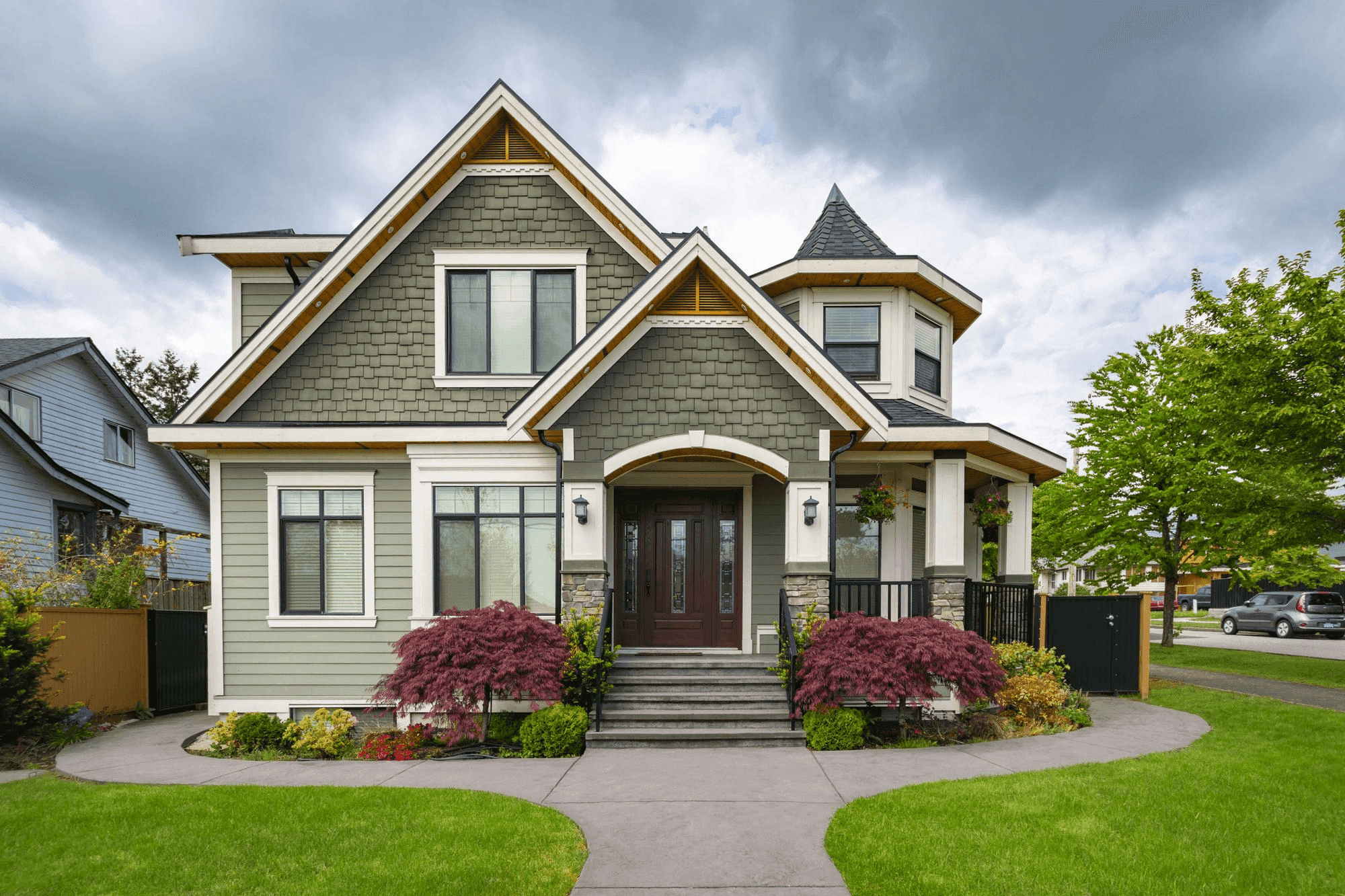
Florida Housing Market Snapshot: 2026
Florida home prices haven't collapsed, but they have flattened - and house prices in Florida now vary enough by source and month that it's worth showing the range rather than a single misleading number.
For a broader view of how prices, inventory, insurance costs, and different Florida markets are moving, see our Florida real estate trends for 2026.
| Metric | 2026 figure |
|---|---|
| Statewide median single-family price | Roughly $394K–$425K depending on source/month |
| Year-over-year price change | Roughly flat to +2%, with a few metros posting declines |
| Days on market (statewide median) | ~80–84 days, up from 68 in Q1 2025 |
| Months of supply (statewide) | ~4.7–7.5 months, approaching the ~6-month balanced benchmark |
| Average homeowners insurance premium | ~$8,458/year -about 3x the national average |
| 30-year mortgage rate (2026 forecast average) | ~6.3%, down slightly from ~6.6% in 2025 |
| Foreclosure rate | 1 in 2,067 housing units in Q1 2026; FL ranks #3 nationally |
Note: the exact statewide median depends on which licensed data source you're pulling from - confirm against your preferred source before publishing, since figures currently range by roughly $30K across Florida Realtors, HouseCanary.
None of these numbers alone answer whether this is the best time to buy a home in Florida - the combination of longer days on market, rising supply, and only modest price movement is what actually shifts leverage toward buyers, not any single statistic in isolation. Taken together, though, these numbers are a big part of why appraisers and agents increasingly frame 2026 as arguably the best time to buy a house in Florida in nearly a decade, even though no single metric proves it on its own. It's also part of why so many people are now asking "is it a good time to buy real estate in Florida" instead of simply "is it a good time to buy property in Florida" - the answer increasingly depends on the specific numbers above, not gut instinct.
Florida Real Estate Forecast: The Next 5 Years (2026-2030)
Every Florida real estate forecast's next 5 years search is really asking one thing: is this the bottom, a plateau, or the start of another climb? Based on current forecaster consensus:
| Year | Expected trend |
|---|---|
| Late 2026 | "Balancing act" -inventory keeps growing, buyers keep gaining leverage, especially inland and in Central Florida |
| 2027 | "Volume recovery" -modest rate relief brings more transactions; price growth stays slow but positive |
| 2028 | "Normalization" -supply and demand approach equilibrium after years of imbalance |
| 2029–2030 | Continued low-single-digit appreciation, assuming no external economic shock |
This same trajectory holds for the south Florida real estate forecast next 5 years specifically - Miami-Dade's international and relocation demand base is expected to keep it more resilient than the statewide average, even as it cools modestly in the near term. If the goal is timing rather than just watching from the sidelines, the "balancing act" phase of late 2026 is where most forecasters land when asked to name the best time to buy a home in Florida over this five-year window. For buyers weighing whether to act now or wait it out, this five-year arc suggests the best time to buy a house in Florida may be closer to the front end of this window than the back.
If you're comparing Florida markets before deciding when to buy, our Florida real estate trends guide breaks down buying cities, price movements, insurance trends, and market risks.
Why Are There So Many Homes for Sale in Florida Right Now?
- Insurance costs are pushing some owners to sell rather than renew, with premiums averaging over $8,000/year -nearly triple the national average.
- New condo safety laws took full effect January 1, 2026. Under Florida's post-Surfside reforms, buildings three stories and up must complete milestone structural inspections and fully fund reserves -no more waivers. That's driving special assessments and pushing some condo owners toward a sale.
- Migration-driven overbuilding is catching up with demand after years of rapid new construction outpacing population growth in some metros.
- Rate lock-in is easing slightly as owners who refinanced into sub-4% rates during 2020–2022 become more willing to sell when life circumstances outweigh the rate-lock cost.
- Investor exits in previously overheated pandemic-era metros, particularly Southwest Florida, as short-term rental economics cooled.
Combined, these factors are a big part of why 2026 keeps coming up in searches for the best time to buy a home in Florida - more listings on the market generally mean more room to negotiate.
2026 Hurricane Season: What It Means for Buyers Right Now
Storm activity is one more factor worth watching if you're weighing timing this year - not because it should stall a purchase, but because it directly touches insurance, inspections, and closing logistics in coastal and Panhandle metros. Here's where things stand as of late July 2026:
- Active storm: Tropical Storm Bertha, the season's second named storm, is tracking through the Gulf toward Louisiana. A Tropical Storm Warning covers the Florida Panhandle, with rough surf, beach closures, and isolated flash-flood risk - while the rest of the state stays dry. It's not expected to reach hurricane strength.
- Season outlook: A strong El Niño is raising wind shear across the Caribbean, pushing forecasters toward a below-average season. NOAA gives 55% odds of below-average activity (8-14 named storms, 3-6 hurricanes), and CSU's July update trimmed its numbers even further (9 named storms, 4 hurricanes).
Buyer takeaway: A quieter-than-usual season isn't a reason to delay. But if you're buying near the Gulf Coast or Panhandle, confirm the property's flood zone, ask for its wind-mitigation history, and get a firm homeowners insurance quote -not an estimate -before closing, since premiums can shift quickly during active storm windows.
Because insurance can materially change the cost of owning a Florida home, it's worth understanding how location and property type affect home insurance costs before comparing properties.
Best Time to Buy a House in Florida in 2026
The old single-month framing oversimplifies a market that now moves seasonally and regionally. If you're asking about the best time of year to buy a house in Florida, here's the more accurate four-window breakdown:
| Window | Why it favors buyers |
|---|---|
| January | Lowest buyer competition of the year; post-holiday sellers are often more motivated |
| March | Spring inventory surge begins before competition catches up |
| August | Post-peak-season lull -snowbird buyers have already transacted, families are past school-shopping season |
| October | Post-hurricane-season listings increase as insurance/inspection uncertainty resolves, just before the winter buyer influx |
Most Florida-specific market guides converge on the same general window - typically August through December - as the best time to buy a home in Florida, since that's when supply is highest and competition lowest; the four-month breakdown above just adds the regional nuance that a single "best month" claim misses. Whichever window you land on, the underlying logic stays the same: the best time to buy a house in Florida is whenever supply and buyer competition tilt furthest in your favor, and 2026's data suggests several such windows this year.
Buying a Home? Get up to 1.5% Cash Back at Closing
Get pre-approved first, then start exploring homes knowing you can receive up to 1.5% of the home price back at closing.

Is It a Good Time to Buy a Condo in Florida?
This deserves its own answer, separate from the single-family question, because 2026 condo dynamics are structurally different. The new milestone-inspection and reserve-funding law has cooled condo demand across the state - inventory in some metros (Miami condos, for instance) runs into the 12-13 month range, well above single-family supply. That's a genuine opening for buyers who do their homework: it means more negotiating room and softer pricing, but it also means every offer should come with a hard look at the building's reserve study and assessment history before you treat it as the best time to buy a condo in Florida for your situation specifically.
If you're considering a condo specifically, our guide to Florida condo prices and buying opportunities provides additional context on pricing, reserve-law changes, and due diligence.
A cheap condo with an unfunded reserve account can turn into an expensive one within a year. Buyers asking "is it smart to buy a condo in Florida now" should weigh that reserve-study risk against the softer pricing before deciding. That's also worth separating clearly from the best time to buy a home in Florida overall, since single-family and condo inventory are currently moving in different directions and on different timelines.
Is Florida a Buyer's Market Right Now?
For much of the state, yes - most regions have crossed into buyer-favorable territory by the usual measures (days on market over 70, months of supply approaching or exceeding six). But "is it a buyer's market in Florida" doesn't have one statewide answer: Sarasota's single-family segment is still tight and seller-favored even as its condo segment favors buyers; Naples remains a seller's market by luxury-segment standards even with softer year-over-year pricing; Cape Coral and Fort Myers are unambiguously buyer-favorable.
If you're asking "when will it be a buyer's market" in a specific metro that's still tight today, the honest answer is: some already are, and others (Naples especially) may not fully tip for years. Match the answer to your specific metro, not the state average. That metro-by-metro variation is exactly why there's no single statewide answer to the best time to buy a home in Florida - the right window in Cape Coral looks nothing like the right window in Naples.
Once you identify a buyer-friendly market, understanding how to negotiate becomes just as important as choosing when to buy. See our guide on seller concessions for ways buyers can reduce upfront costs.
Tampa, Miami, Orlando, Sarasota & Naples: 2026 Regional Outlook
For buyers narrowing their search to Tampa, our guide to the best neighborhoods in Tampa compares housing prices, neighborhood characteristics, and investment considerations.
Tampa Bay
Median single-family price holding near $400K for over two years. Inventory sits below balanced (~3.9 months), but homes are sitting longer and sellers are making more concessions than in recent years- a genuine, if modest, shift toward buyers. Most Tampa real estate market predictions for the rest of 2026 point to continued stabilization rather than either a rebound or a further pullback - teady enough that many local agents are calling it a reasonable best time to buy a home in Florida window for buyers who want price stability over rock-bottom entry costs. For buyers focused specifically on price stability, Tampa is shaping up to be a strong candidate for the best time to buy a house in Florida this year.
Miami-Dade
Median single-family price around $582K, down about 1.2% year-over-year - but demand from Latin American buyers, tax-motivated relocators from California and New York, and corporate relocations keeps Miami firmer than most of the state. Condo inventory (~13 months) is far looser than single-family (~5.2 months), a direct effect of the new inspection rules. Most Miami real estate forecast 2026 outlooks describe continued, steady buyer demand rather than a pullback.
Orlando
A genuinely split market. The metro median sits somewhere in the $395K–$410K range depending on source and month, generally flat to down slightly year-over-year, with days on market stretching into the high 70s/low 80s in some readings -though hyperlocal submarkets tell very different stories: Winter Park and Dr. Phillips remain tighter and pricier, while South Kissimmee and Osceola County offer more negotiating room. The Orlando housing market 2026 story is best summarized as a plateau after 2025's dip, not a crash and not a rebound yet.
Sarasota
A market with two very different stories depending on segment and exact source. Some readings show single-family prices still climbing (up ~2–25% year-over-year depending on the report) with inventory tight at 4.4–5 months; others show steeper year-over-year pullbacks in the luxury tier. What's consistent: the Sarasota housing market forecast 2026 points to condos offering meaningfully more buyer leverage (7–9 months supply) than single-family homes.
Naples
The most insulated Florida market from the "crash vs. correction" debate, because it isn't really driven by typical buyer economics -Naples is dominated by retirees, snowbirds, and cash buyers, with a median price near $795K–$1.3M depending on segment. The Naples real estate market forecast 2026 shows healthy normalization after 2021–2022's artificial scarcity, but this isn't a market where "best time to buy" hinges on mortgage-rate timing the way it does elsewhere in the state.
Southwest Florida (Cape Coral–Fort Myers)
The most buyer-favorable market in the state right now, with 7–7.7 months of supply and a median price near $355,842 -some forecasts project one of the steepest price declines of any U.S. metro here in 2026. This is the clearest current answer if you're asking about the southwest florida real estate market specifically for value. With the state's highest months of supply, Cape Coral–Fort Myers is arguably the clearest example of the best time to buy a house in Florida for buyers who prioritize negotiating leverage over certainty.
Jacksonville / Central Florida
A more affordable entry point, with a January 2026 median near $282,000 (down about 4.4% year-over-year) and homes selling in under 50 days on average- one of the faster-moving, more balanced markets, and a common answer to "where to buy a house in Florida" for affordability-focused buyers. For a closer look at the Jacksonville market, see our guide to Jacksonville real estate, including prices, affordability, and buyer considerations. Broader central Florida housing market conditions (Orlando's suburbs, Volusia, Polk) generally track this same affordability-forward pattern.
(Insurance note: coastal metros carry meaningfully higher premiums - $11,000+/year in Miami-Dade and Monroe vs. roughly $5,500 inland in counties like Polk and Marion. Factor that gap into any city-to-city price comparison.)
Is Florida Real Estate a Good Investment in 2026?
For the right buyer and time horizon, yes - but "is buying property in Florida a good investment" depends heavily on which metric you're optimizing for:
- Cash flow investors are finding better entry points in Jacksonville and Cape Coral/Fort Myers, where price softening has outpaced rent declines.
- Appreciation-focused buyers are better served by Miami and Sarasota, where demand fundamentals remain firmer even amid short-term softening.
- Lifestyle/second-home buyers continue to gravitate to Naples and Sarasota regardless of near-term price movement, since that demand isn't primarily rate- or appreciation-driven.
No single answer covers "is Florida real estate a good investment" statewide - it's really a portfolio of micro-markets, each behaving differently in 2026, which is exactly why the best time to buy a home in Florida for an investor and the best time to buy a home in Florida for a first-time homeowner can point to two completely different metros in the same year. Framed this way, the best time to buy a house in Florida for an investor isn't a calendar date at all - it's whichever metro currently matches their specific strategy.
Best Places to Buy in Florida in 2026, by Goal
(Framed strictly by price, inventory, and investment data - not by neighborhood demographic composition, to stay clear of Fair Housing steering concerns.)
If you're still comparing locations, our best places to live in Florida guide provides another way to evaluate cities based on affordability, lifestyle, and long-term considerations.
| Buyer goal | Where 2026 data points | Why |
|---|---|---|
| Affordability-first | Jacksonville, inland Central Florida | Lower entry price, faster days-on-market, lower insurance costs |
| Best place to buy a house in Florida for investment / value | Cape Coral–Fort Myers | Highest months-of-supply in the state; steepest forecast price softening |
| Stability/steady demand | Miami-Dade | Smaller price declines, strong out-of-state and international demand |
| Balanced, moderate-growth | Tampa Bay | Prices holding steady, inventory still tighter than the state average |
| Lifestyle/second-home | Naples, Sarasota | Retiree and snowbird demand largely insulated from rate cycles |
Read alongside your goals, this table is really a shortcut for identifying the best time to buy a home in Florida in the specific city that matters to you.
Rent vs. Buy: The 5-Year Wealth Math
Rather than a blanket claim, this section runs an actual worked example using statewide 2026 figures - -purchase price, today's mortgage rate, real insurance and property-tax numbers, comparable rent, and typical Florida appreciation assumptions. Treat it as an illustration of the math, not a promise about your specific deal; your city, loan terms, and HOA/condo fees will move every line below.
The assumptions (statewide averages, 2026):
| Input | 2026 figure |
|---|---|
| Median home price | ~$417,100 (mid-range of the $394K-$425K statewide figure used above) |
| Down payment (20%) | ~$83,420 |
| Loan amount | ~$333,680 |
| 30-year mortgage rate | ~6.3% |
| Monthly principal & interest | ~$2,065 |
| Property tax (FL effective rate ~0.91%) | ~$316/month |
| Homeowners insurance ($8,458/year) | ~$705/month |
| Estimated total monthly cost of owning (PITI) | ~$3,086/month |
| Statewide average rent, comparable single-family home | ~$1,800-$2,000/month |
| Monthly cost gap (owning vs. renting) | roughly $1,100-$1,200/month more to own |
That gap lines up with outside analysis: One May 2026 Florida housing breakdown put the ownership premium on a comparable 3-bedroom home at roughly $982/month before counting equity, appreciation, tax deductions, or the opportunity cost of the down payment. Affordability is stretched to match - the same analysis estimates a household needs to earn around $117,000/year to comfortably afford the median $417,100 Florida home under standard lending assumptions (28% debt-to-income, 20% down, low-6% rate), putting the median home at roughly 5.8x median household income, above the traditionally "affordable" 3-4x range.
Where the math shifts back toward buying - the 5-year build:
| Year-5 outcome | Estimate |
|---|---|
| Home value at ~2% annual appreciation | ~$460,600 |
| Equity gained from appreciation | ~$43,500 |
| Equity gained from principal paydown (first 5 years of a 30-yr loan at ~6.3%) | ~$28,000-$32,000 |
| Total equity built (before selling costs) | ~$73,000-$75,000 |
| Cumulative extra cash spent to own vs. rent over 5 years (at ~$1,150/month gap) | ~$69,000 |
Run side by side, the 5-year picture is close to a wash on paper before selling costs - but two things tip it toward ownership for buyers who hold: rent itself isn't fixed, with statewide rent growth projected at roughly 1-2% a year through 2027, narrowing the monthly gap over time, and the equity above is fully locked in only if you sell into a stable or rising market, which is why holding period matters more than the entry price. Florida's price-to-rent ratio also depends heavily on which data source you use - one statewide ranking puts it near 20.4 (above the 20 line that conventionally favors renting), while an investor-focused calculation using different rent and price inputs puts it closer to 12.8 (solidly in buy territory) - so it's worth running your own numbers for your specific metro rather than leaning on a single statewide ratio.
None of this settles whether now is the best time to buy a home in Florida for you personally - hat still comes down to how long you plan to stay, your down payment, and your local rent comparison - but it does show the gap between renting and owning is a real, calculable monthly number in 2026, not just a feeling.
Mortgage Strategy 2026: Buy Now, Refinance Later
Current mortgage rates sit near 6.3% on average heading through 2026, and most rate mortgage rate forecasts show gradual easing rather than a sharp drop -which shapes the core strategy:
- Buy at today's rate, refinance if rates ease. Compare mortgage rates from multiple lenders now rather than waiting on a rate call that may not arrive on your timeline.
- Ask about builder rate buydowns. National builders are offering more competitive in-house financing to offset the higher-rate environment.
- Compare mortgage deals across FHA, VA, conventional, and USDA rather than defaulting to conventional.
- Budget insurance -and for condos, assessment risk -into your monthly number, not just principal and interest.
- Get pre-qualified, then pre-approved, in that order, so your offer carries real weight when you're ready to move.
Locking in financing before rates move again is part of why many lenders describe now as the best time to buy a home in Florida, even with rates still hovering near 6.3%. For buyers exploring a no down payment home loan, a house loan with no down payment, or a no down payment mortgage, VA and USDA programs remain the two most realistic paths - worth raising early with your lender alongside any conversation about the best home mortgage rates currently available.
If you already own and are watching for the best rates for mortgage refinance, best home loan rates refinance, best house refinance rates, or lowest rate mortgage refinance, the same rate mortgage rate forecast logic applies: house refinance activity tends to pick up in the same windows house loans do, so it's worth comparing lending refinance offers on the same schedule you'd use to shop a purchase mortgage.
Best Loan Options for Florida Buyers
| Loan type | Best for | Key requirement |
|---|---|---|
| FHA | First-time buyers / lower down payment | Down payment as low as 3.5%; mortgage insurance required |
| VA | Eligible veterans and active-duty service members | No down payment required; funding fee applies |
| Conventional | Buyers with stronger credit and 5%+ down | PMI required below 20% down |
| USDA | Buyers in eligible rural/suburban areas | No down payment; income and location limits apply |
If you're specifically searching for a home loan for first-time home buyers, an FHA first time buyer loan, an FHA loan for first time home buyers, or a lender for first-time home buyers, FHA and Florida Housing Finance Corporation down-payment-assistance programs are usually the first two options worth comparing before conventional financing. Florida-specific first time home buyer programs Florida buyers should know about include state-run first time homeowner programs in Florida aimed at both the first time home buyer in Florida and the first home buyer in Florida markets, alongside the more general loans for first time homebuyers and house loans for first time buyers available nationally.
First-Time Buyer Roadmap
- Check your credit and pull your report before shopping
- Get pre-qualified for a mortgage, then get pre-approved before you make offers -pre-approval carries far more weight with sellers
- Set a realistic budget that includes insurance and property tax, not just principal and interest
- Compare current mortgage rates and refinance rates across at least three lenders - even small rate differences move your monthly payment meaningfully.
- Research the region, not just the price -insurance and flood-zone status vary block by block in Florida
- Work with an agent who understands 2026's negotiating norms in your specific metro
- Get a full inspection, including roof and, for condos, a reserve-study review
- Negotiate seller concessions on closing costs -2026's longer days-on-market gives you real leverage
- Close, and budget for the first-year insurance renewal, which can shift meaningfully from your initial quote
This roadmap holds whether you're a first-time homeowner loan applicant in Florida, evaluating first time home buyers in California-style programs before relocating, or simply comparing loan first-time buyer options as a first-time, single family home shopper for the first time.
Winter Home Buying Tips (Dec–Feb Window)
For buyers who can be flexible on timing, the winter window is where the seasonal and statistical case for the best time to buy a home in Florida lines up most cleanly with actual on-the-ground conditions.
- Builder buydowns are most aggressive in winter, when builder incentive budgets reset
- Buyer competition drops as relocation-driven house hunting slows during the holidays
- Seasonal price dips are real but modest -expect negotiating room, not dramatic markdowns
- Homestead exemption timing matters -to claim it for the following tax year, you generally need to own and occupy by January 1
- Rate-rise risk still exists -ask your lender about a rate lock if you're closing over several months
Before you act on a seasonal buying opportunity, make sure your financing is ready. Our guide to the best mortgage lenders in Florida explains what to compare when evaluating loan options and approval processes.
For flexible buyers, this seasonal pattern is one more argument that winter can be the best time to buy a home in Florida, even if it isn't the only good window on the calendar.
FAQs
1. Is 2026 the best time to buy a home in Florida?
For many buyers, yes - inventory is up, days on market are longer, and sellers are conceding more than they have in years. But "best time" depends heavily on your metro and property type; Southwest Florida currently offers the most buyer leverage, while Naples and parts of Sarasota remain tighter - which is exactly why the best time to buy a home in Florida really is a metro-by-metro decision rather than a single statewide answer.
2. Is Florida real estate crashing in 2026?
No, according to every major forecaster tracking the state. Supply, lending standards, and homeowner equity are structurally different from 2008 - this looks like a correction toward balance, not a collapse.
3. When will the housing market crash in Florida?
Current data doesn't point to a crash on the horizon. The conditions that caused 2008 - extreme oversupply, subprime lending, negative equity - aren't present. Florida-specific pressure points (insurance, condo assessments) are real, but they're localized cost issues, not systemic credit failures.
4. Are home prices dropping in Florida?
In some metros, modestly - Cape Coral, parts of Sarasota's luxury segment, and Jacksonville have seen year-over-year declines. Statewide, prices are closer to flat, with the overall trend described as stabilization rather than decline.
5. Is it a good time to buy a house in Florida right now, or should I wait?
Waiting for a crash isn't supported by current data. If you're financially ready and plan to hold for several years, most of the current friction (longer timelines, insurance costs) is a negotiating opportunity rather than a reason to delay - one more sign that this may already be the best time to buy a house in Florida for buyers who don't need to time the market perfectly.
6. Why are so many homes for sale in Florida?
Rising insurance costs, new condo safety-inspection requirements, and a supply catch-up after years of rapid construction are the main drivers.
7. Is buying property in Florida a good investment in 2026?
It depends on your goal -cash flow, appreciation, or lifestyle use point to different metros. There's no single statewide answer; Florida is really several distinct markets, and the honest, unsatisfying truth is that the Best Time to Buy in Florida is really a question you answer market by market, not state by state.
Get the latest market trends, homebuying tips, and insider updates—straight to your inbox. No fluff, just the good stuff.
Article by
As a great communicator with excellent negotiation skills, I focus more on establishing unbreakable ties between my clients, as opposed to just helping them achieve their real estate dreams. As a representative of both buyers and sellers, I understand how to lead a transaction process to ensure that the needs of both are met. My track record speaks for itself. Since I ventured into the industry in 2013 as a realtor, I have not only helped many buyers land perfect homes, but I have also assisted tons of owners and investors build wealth.