Buying a Home in Miami Gardens, FL: A Complete Mortgage Guide
July 29, 2026
8 Mintues
Miami Gardens was built from seven separate communities - Andover, Bunche Park, Carol City, Lake Lucerne, Norland, Opa-locka North, and Scott Lake - that incorporated together in 2003. That history still shows up in the housing stock today: pockets of ranch homes, gated townhome communities, and a few golf-course neighborhoods, all inside one city of roughly 113,000 to 115,000 residents.
For anyone shopping for a mortgage here, the practical version of that story is simpler. Miami Gardens is the most affordable large city in Miami-Dade County by median home price. That's a real advantage if you're comparing mortgage options across the county. But there's a second fact that doesn't show up in most listing descriptions: the combined property tax rate here is actually higher than the City of Miami's, even though homes cost less. A buyer who assumes a lower price tag means a lower total mortgage payment is going to be surprised the first time they see a full breakdown from their lender.
This guide walks through what to expect when getting a mortgage in Miami Gardens - what's typical at each price point, which mortgage programs fit, what down payment assistance is realistically available, and where the tax and insurance numbers work differently than the sale price alone would suggest.
Market Snapshot
Depending on which source and month you look at, Miami Gardens' median home price falls somewhere between roughly $432,000 and $496,000. The spread isn't a red flag - it's a function of how each source measures the market. which is the most useful number for a buyer trying to gauge what a mortgage here will actually need to cover. figure is a modeled estimate across all homes, sold or not, which tends to move differently than a closed-sale median. Movoto's number reflects list prices, not what buyers end up financing. If you're comparing sources yourself, know that they're not measuring quite the same thing.
Homes are sitting on the market longer than they were a year or two ago - recent figures put average days on market somewhere in the 60- to 80-day range, up noticeably from the tighter conditions of 2021–2023 Compete Score for the city sits around 42 out of 100, which lines up with local commentary describing the market as more balanced now than during the pandemic-era frenzy. Multiple-offer situations still happen, but they're not the norm the way they were a few years ago.
Median household income in Miami Gardens is $63,627. Depending on the estimate used, comfortably carrying a mortgage on a median-priced home here takes household income somewhere in the $110,000–$150,000 range at current rates. That gap is exactly why down payment assistance and FHA-backed mortgages carry so much weight in this market - they're not a nice-to-have here, they're often the difference between qualifying for a mortgage and not.
One application. 100+ lenders.
reAlpha Mortgage shops a network of lenders to find the right loan for your situation-no rate-shopping required.
Buying in the $300K–$500K Range
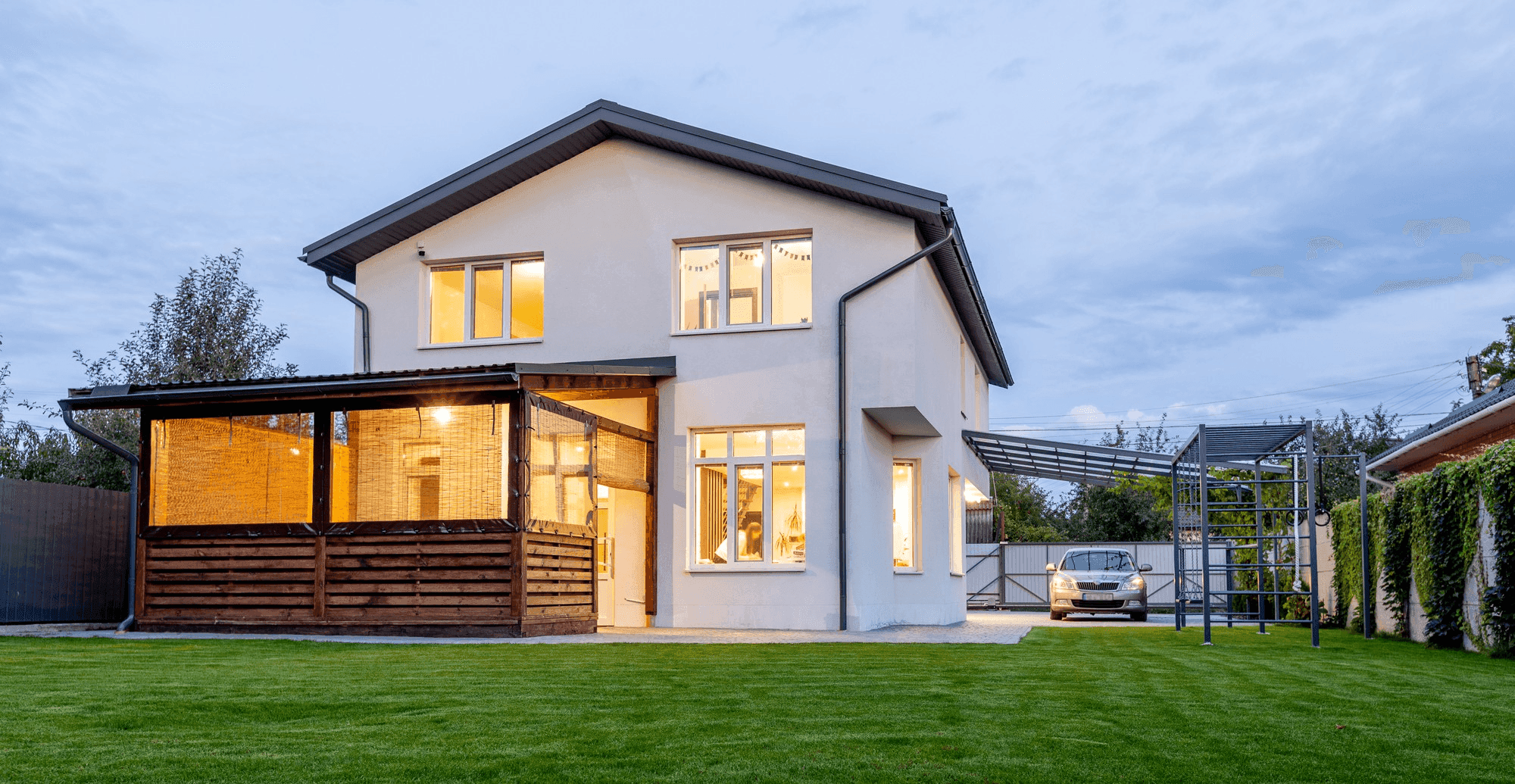
This is where Miami Gardens actually happens. The bulk of the city's inventory - and the bulk of its mortgage transactions - falls in this band, and it's dominated by single-family ranch homes built in the 1950s and 1960s in neighborhoods like Bunche Park, Norland, Carol City, Norwood, Rainbow Park, and Myrtle Grove. neighborhood data puts Bunche Park's median around $374,000 and Norland's ranging from roughly $291,000 to $450,000 depending on the specific sub-area, with Carol City running a bit higher, in the $465,000–$467,000 range. A handful of entry-level townhomes round out the inventory.
- Who buys here: Mostly first-time buyers and workforce households - retail, healthcare support, education, public sector - earning at or somewhat above the city's median income.
- How they get their mortgage: FHA is a strong fit in this tier. Local prices sit comfortably below both the county's conforming loan limit ($832,750) and its FHA limit, so buyers aren't bumping against ceilings the way they might in pricier parts of the county. Conventional 30-year fixed mortgages with 3–5% down, including HFA Advantage-type programs, are also common. Veterans have a solid zero-down mortgage option here too.
- Where the down payment help fits in: This tier is the sweet spot for assistance programs. County income limits for Miami-Dade's Homebuyer Down Payment Assistance Program go up to $136,500 for a four-person household, which covers most buyers shopping this price range comfortably. The county program, MDEAT's Homeownership Assistance Program, HFA Miami's mortgage program, and potentially the City of Miami Gardens' own program can all be layered onto a single mortgage application - more on how that actually works in the down payment assistance section below.
- What an inspection tends to find: Homes built in the 1950s and '60s come with predictable issues. Roof age is the single biggest underwriting friction point in this tier - older roofs can complicate both the appraisal and the insurance approval a lender requires before closing, since insurers commonly require a 4-point inspection on aging homes before they'll write a policy. Electrical panels and plumbing are the next most common negotiation points. None of this should scare a buyer off - it's simply what buying a 70-year-old house involves - but it's worth budgeting time and money for before you write an offer, not after.
- A first-time buyer scenario: Picture a household earning around $70,000 a year, buying a $375,000 ranch home in Norland. They go FHA, put down the minimum, and layer county PHCD assistance - up to $35,000 as an interest-free deferred loan - on top of their mortgage. The home's roof is original to a 1962 build, so the inspection flags it, and the buyer negotiates a credit rather than walking away. This is close to the median experience of financing a home in Miami Gardens today.
Buying in the $501K–$700K Range
Move up from the entry tier and the inventory changes noticeably. This band includes larger or updated single-family homes, some newer construction, and golf-course-community product in neighborhoods like Andover, Lake Lucerne, and Vista Verde, along with higher-end townhomes. Country Club Estates, per neighborhood data, carries a median around $570,000.
- Who buys here: Move-up buyers, dual-income households, and some buyers who've been priced out of higher-cost submarkets elsewhere in the county and are looking for more space or newer construction for the money.
- How they get their mortgage: Conventional financing is the default in this tier - the price points are still well under the conforming limit, so there's no jumbo consideration. FHA remains technically usable but becomes less common as prices climb toward the top of this range.
- A caution on assistance programs: Don't assume the same DPA programs that help fund a mortgage at the entry tier reach up here. Several sources cite purchase-price caps in the $380,000–$460,000 range for various county programs, which would rule out much of this tier. If you're shopping in this range and counting on assistance, confirm the current purchase-price limit directly with the program administrator before you make an offer - don't rely on a figure you saw on a real estate blog.
- What's different about underwriting here: Newer or renovated homes can qualify for better wind-mitigation insurance credits - impact windows and newer roofs genuinely lower premiums - which partially offsets Florida's elevated insurance costs generally. The trickier issue for a lender is appraisal support: comparable sales in Miami Gardens still skew toward the smaller, older homes that dominate the lower tier, so an appraiser may have to work harder to justify value on a larger or updated property.
- A move-up scenario: A family selling a starter home and moving up to a $600,000 property in Andover would typically apply for a conventional mortgage, without assuming any down payment assistance applies. Their appraisal may take longer to support, simply because there aren't as many recent comparable sales at this price point inside the city limits.
Buying Above $700K
Homes above $700,000 exist in Miami Gardens, but they're an exception, not a segment. This isn't a luxury market, and treating it like one would misrepresent what the city actually offers. The limited inventory that does exist tends to be larger custom or waterfront product in Lake Lucerne or Country Club Estates.
A mortgage here is still typically conventional - even $700K+ sits below the county's $832,750 conforming limit, so jumbo loans rarely enter the picture. Down payment assistance is unlikely to apply, since most programs' income and price caps sit well below this range. The main practical challenge is thin comparable-sales data: with so few transactions at this level inside Miami Gardens, appraisers have less to work with. If you're shopping this tier, expect your lender and appraiser to lean more heavily on the buyer's own diligence and possibly comps drawn from adjacent submarkets.
Mortgage Programs That Fit This Market
| Loan Type | Typical Down Payment | Best Fit In Miami Gardens |
|---|---|---|
| FHA | 3.5% (580+ credit score) | $300K–$500K tier; usable into $501K–$700K depending on the confirmed limit |
| Conventional | 3–20% | All tiers; dominant above $500K |
| VA | 0% for eligible veterans | All tiers, especially efficient up to $700K |
| USDA | 0% | Not applicable - Miami Gardens isn't in a USDA-eligible rural area |
| Jumbo | 10–30% | Rarely relevant; only a factor at the extreme top of the $701K+ tier |
An FHA mortgage makes sense for the largest share of Miami Gardens buyers simply because of where local prices sit. The county's FHA loan limit for 2026 isn't fully confirmed in public sources - estimates range from roughly $557,750 to $667,000 - but at Miami Gardens' typical price points, that uncertainty won't affect most buyers. It only matters if you're shopping near the top of the $501K–$700K range, in which case it's worth having your lender confirm the exact current limit before you get too far into the process.
A conventional mortgage carries the upper tiers, and a VA-backed mortgage is worth a serious look for any eligible veteran - zero down, no hard price cap for buyers with full entitlement, and a strong fit given how far below the conforming limit most Miami Gardens homes fall.
USDA and jumbo mortgages both deserve a quick mention and not much more. USDA loans require a designated rural area, and Miami Gardens is a densely developed suburban city - it doesn't qualify. A jumbo mortgage only becomes relevant for an outlier purchase above the conforming limit, which in this city means a small number of transactions at the very top of the $701K+ range.
Get Pre-Qualified and Save Up to 1.5% at Closing with reAlpha
Save up to 1.5% at closing when you combine real estate and mortgage services with reAlpha.
Down Payment Assistance
This is where Miami Gardens buyers have the most room to work with - and where getting the sequencing right matters most for anyone stacking assistance onto a mortgage.
Miami-Dade County's Homebuyer Down Payment Assistance Program
Is the best-documented and most valuable option, administered through the county's Public Housing and Community Development department. It offers up to $35,000 as an interest-free deferred loan, with no monthly payments due until the home is sold, transferred, refinanced, or the borrower passes away. It comes with a shared-equity structure on resale: sell within one to three years and the full profit is owed back to the county; that share drops to 50% in years four through six, and disappears entirely after six years. Income limits scale with household size - up to $136,500 for a four-person household - which covers most buyers in the entry price tier. First-time buyer status (no ownership interest in a primary residence in the prior three years) and a HUD-certified homebuyer education course are required.
HFA Miami's mortgage program
Through the Housing Finance Authority of Miami-Dade County, layers on additional assistance - sources disagree on the exact amount, with the HFA's own site citing up to $15,000 and a third-party aggregator citing $10,000. Where sources conflict like this, the organization's own published figure is generally the more reliable one to trust. It requires a 640 minimum credit score, at least 24 months in the same line of work, and an 8-hour homebuyer education course.
MDEAT's Homeownership Assistance Program
Run by the Miami-Dade Economic Advocacy Trust, offers up to $28,000 as a zero-interest deferred loan for very low- to moderate-income buyers purchasing a primary residence anywhere in Miami-Dade County, including Miami Gardens. The program has deployed more than $57 million since 1995, which says something about how consistently it's been funded, though current-cycle availability should still be confirmed directly with MDEAT.
The City of Miami Gardens' own Down Payment Assistance Program
Is real, but it comes with a catch worth understanding before you get too far into a home search: you have to already have a property under contract before you're eligible to apply. That's a sequencing detail, not a formality - it means this program can't be your first call when you start planning a mortgage, and your lender needs to build it into the timeline rather than assume it works like the others.
It's also worth being straightforward about what isn't known: the city's own website confirms the program exists and confirms the under-contract requirement, but it doesn't publish income limits, assistance amounts, or repayment terms. Figures circulating online - a maximum sales price around $382,195 and up to $20,000 in SHIP-funded assistance - come from third-party sources, not the city itself, and shouldn't be treated as confirmed. If this program matters to your plan, call the Community Development Department directly at 305-622-8041 and get current terms before you count on a specific number. That's not a weakness in this guide - it's the honest state of the information, and it's exactly the kind of thing a good loan officer will tell you to verify anyway.
How stacking actually works in practice
A first-time buyer in the $300K–$500K tier might combine an FHA mortgage with county PHCD assistance, then layer HFA or MDEAT funds on top if they qualify for both. The city program can potentially add a further layer, but only once a contract is signed - which means it functions more like a closing-cost cushion confirmed late in the process than a program you plan a mortgage around from day one.
Insurance & Underwriting Considerations
Homeowners insurance in Miami Gardens tracks the same cost pressure affecting Miami-Dade County broadly - typical dwelling coverage across the county has run somewhere between $4,375 and $7,290-plus per year, though a 2026 rate adjustment from Citizens Property Insurance brought roughly a 10.5% to 14% reduction county-wide. No premium figure specific to Miami Gardens alone was available separate from that county-wide range.
Flood insurance is a parcel-by-parcel question, not a citywide one. Miami Gardens is an inland city, which generally means lower flood risk than coastal Miami-Dade communities, but that's a general geographic pattern, not a guarantee for any specific address. If your mortgage is federally backed and your parcel falls in a high-risk FEMA flood zone, flood insurance will be required regardless of how far you are from the coast. Check the specific address before assuming either way.
The underwriting issue that actually shows up most often here isn't flood risk or condo law - it's roof age. Given how much of the city's housing stock dates to the 1950s and '60s, roof condition drives both appraisal outcomes and the 4-point inspections insurers commonly require before writing a policy on an older home. If you're shopping in the entry price tier especially, budget time for this step and don't be surprised if it becomes a negotiating point before your mortgage can close.
Property Taxes & Closing Costs
Here's the fact that should reshape how you think about affordability in this city: Miami Gardens' combined property tax millage rate - city, county, school, and regional millages together - runs between 22.39 and 22.45 mills, according to the Miami-Dade County Property Appraiser's official rate table. That's higher than the City of Miami's combined rate of roughly 20.03 mills, despite Miami Gardens having noticeably lower home values across the board.
Put plainly: a cheaper home here doesn't automatically mean a cheaper total mortgage payment. On a percentage-of-value basis, the effective tax burden in Miami Gardens can run at or above the county's typical average. This isn't a reason to avoid buying here - it's a reason to run the full numbers, taxes and insurance included, before you fall in love with a listing price.
The good news is that the standard Florida offsets still apply in full. Homestead exemption reduces the taxable value of a primary residence by up to $51,411 in 2026, and the Save Our Homes cap limits annual increases in assessed value to 3% for homesteaded properties, which matters a lot over time even with a higher starting millage rate.
A few other closing-cost details worth knowing: Miami-Dade County has an unusual local custom where the seller typically pays for the buyer's owner's title insurance policy - the opposite of how it works in most of Florida. Documentary stamp tax runs $0.60 per $100 of value for single-family homes, versus $1.05 per $100 for condos and multi-family properties, because of the county's discretionary surtax on non-single-family transactions.
Condo & HOA Considerations
Condo and HOA product exists in Miami Gardens, mostly in gated townhome communities like Majorca Isles and golf-course neighborhoods like Andover and Vista Verde, but it's a smaller share of the market here than in coastal, high-rise-heavy parts of Miami-Dade. That matters for a mortgage application, because it means the condo-related issues that dominate coverage of cities like Miami Beach or Brickell - Florida's statewide milestone inspection law, structural integrity reserve requirements, and buildings that end up on Fannie Mae's non-warrantable list - are a much smaller factor in a typical Miami Gardens transaction. The legal framework applies identically to any qualifying building here, but far fewer buildings in this city are affected simply because there's far less high-rise condo stock to begin with.
If you are financing a condo or townhome here, it's still worth asking whether the building has had a required structural inspection and whether any special assessments are pending. Those questions matter anywhere in Florida right now. They just aren't the defining part of getting a mortgage in Miami Gardens the way they are elsewhere in the county.
Common Buyer Mistakes
- Assuming a lower price means a lower total cost: The millage-rate gap versus the City of Miami is the clearest example of why this assumption breaks down here. Run the full tax and insurance numbers before comparing homes on price alone.
- Skipping the inspection on an older home: With so much of the city's inventory dating to the 1950s and '60s, a roof, electrical, and plumbing inspection isn't optional diligence - it's standard practice, and it directly affects both your negotiating position and your ability to get insured before your mortgage can close.
- Treating unconfirmed city DPA figures as settled: Dollar amounts for the City of Miami Gardens' own down payment assistance program that show up on real estate blogs haven't been confirmed by the city itself. Call the Community Development Department before you build a mortgage budget around a specific number.
FAQs
What is the median home price in Miami Gardens right now?
Roughly $459,000 to $496,000 depending on the source and month, with closed-sale figures generally the most reliable benchmark for what a mortgage here will need to cover.
Is Miami Gardens more affordable than the rest of Miami-Dade County?
Yes - its median price sits meaningfully below the countywide median, though it's still a stretch relative to the city's own median household income.
Why isn't my property tax bill lower if I'm buying a cheaper home?
Because Miami Gardens' combined millage rate is actually higher than Miami's. Lower home price doesn't automatically translate to a lower mortgage payment here.
Does the City of Miami Gardens have its own down payment assistance program?
Yes, but you need a signed purchase contract before you can apply, and the city hasn't published its income limits or assistance amounts online. Call 305-622-8041 for current terms.
Can I get an FHA mortgage in Miami Gardens?
Yes - local prices sit comfortably below both the county's FHA and conforming loan limits, making an FHA mortgage a natural fit for most buyers here.
Is USDA financing available?
No. Miami Gardens is a developed suburban city, not a designated rural area.
Do I need flood insurance?
It depends entirely on your specific parcel's FEMA flood zone. Miami Gardens' inland location generally suggests lower flood risk than coastal cities, but check the individual address - risk can vary block to block.
What kind of home will I find in the $300K–$500K range?
Mostly 1950s–1960s single-family ranch homes in neighborhoods like Bunche Park, Norland, Carol City, and Norwood, plus some entry-level townhomes.
Are condo financing issues like the ones in Miami Beach a concern here?
Legally, the same statewide inspection and reserve laws apply to any qualifying building. Practically, they affect far fewer properties here, since Miami Gardens has much less high-rise condo stock than coastal Miami-Dade.
Is Miami Gardens in a good school district?
It's served by Miami-Dade County Public Schools, the same district as the rest of the county. Norland Senior High runs a Visual & Performing Arts magnet program and is known as the school featured in the Oscar-winning film Moonlight; Miami Carol City Senior High is another notable local option.
Next Steps
If Miami Gardens is where you're planning to buy, a few concrete steps are worth taking early rather than late. Get pre-qualified for a mortgage with a lender who can confirm the current FHA and conforming loan limits - those figures shift year to year, and you want current numbers, not last year's. If down payment assistance is part of your plan, ask your lender specifically about layering county, HFA, and MDEAT programs together, and call the City of Miami Gardens Community Development Department early so you understand exactly what their program requires before you're under contract, not after. And if you're shopping the $300K–$500K tier - which is where most buyers here end up - get a 4-point inspection quote before you write an offer on an older home, so roof or electrical issues surface as a negotiating point rather than a closing-week surprise.
None of this replaces a conversation with a licensed mortgage professional who can run your specific numbers. But going into that conversation already understanding the tax-rate reality and the DPA sequencing puts you in a stronger position than most buyers walking into this market cold.
Get the latest market trends, homebuying tips, and insider updates—straight to your inbox. No fluff, just the good stuff.
Article by
Rocky Billore is a mortgage industry leader and Chief Sales Officer with over two decades of experience across residential and commercial lending. Since entering the industry in 2004, he has been directly involved in funding more than $1.4 billion in loans. A recognized expert in VA and government lending, Rocky combines deep program knowledge with a data driven, relationship-first leadership style. His work focuses on building scalable sales organizations, developing high performing teams, and aligning technology with real world lending outcomes to improve the homeownership experience.