What is a Deed of Reconveyance? Why Homeowners Need It
August 4, 2026
9 minutes
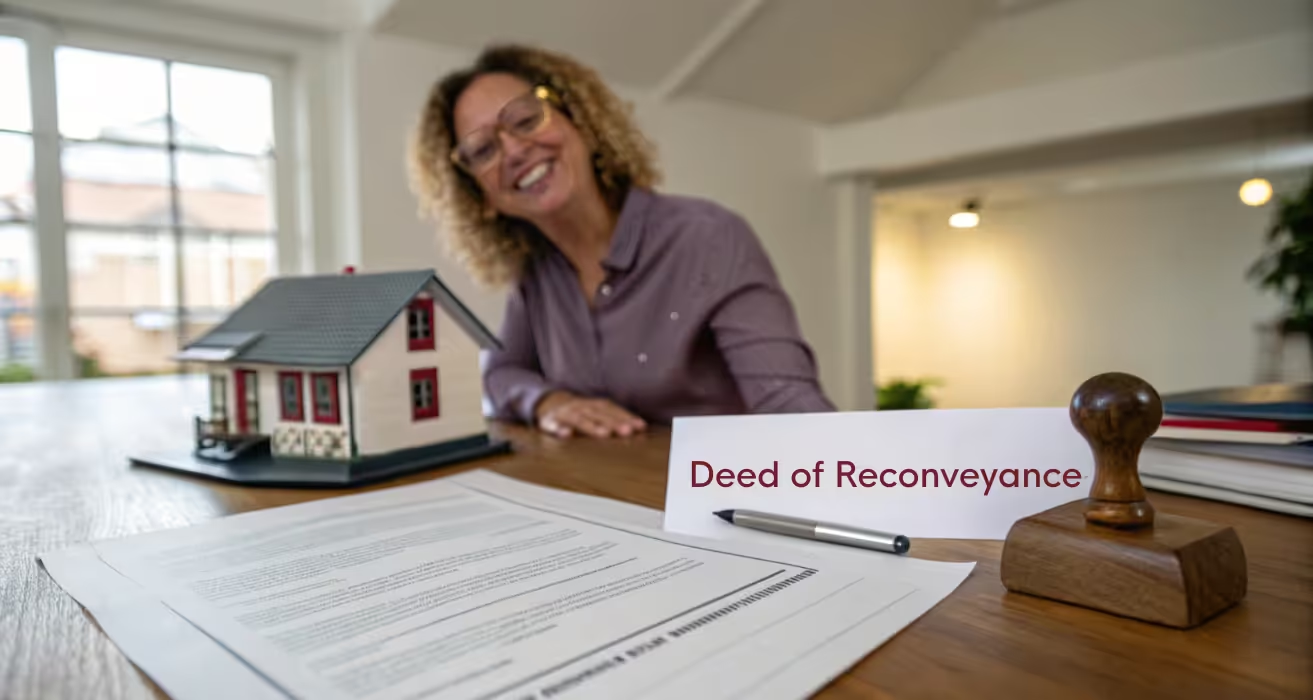
Congratulations, you’ve paid off your mortgage! That’s a huge milestone. But there’s one more step that’s easy to miss and absolutely crucial: obtaining your Deed of Reconveyance.
Here’s the kicker: Without this document, your home still legally shows a lien from the lender, even though your balance is zero. That can turn into a nightmare when you try to sell or refinance. This guide will walk you through everything you need to know, including how to get the document, what it looks like, and how to protect your rights as a homeowner.
Key Takeaways:
- A Deed of Reconveyance confirms your lender no longer holds a lien on your property.
- It's critical for proving full loan repayment and protecting property rights.
- Missing this document can delay property sales and cause legal headaches.
- You can request it manually if your lender doesn’t automatically issue it.
- Always record the deed with your county recorder’s office.
What Is a Deed of Reconveyance?
A Deed of Reconveyance is a legal document issued by your mortgage lender once your loan has been fully paid off. It serves as official proof that the lender no longer holds any claim, AKA a lien, on your home.
Think of it as your home’s clean title badge. Without it, the title may still show the mortgage company’s interest.
Bundle your agent and mortgage. Save an average of $10,000.
Don't have an agent yet? Pair your reAlpha mortgage with a reAlpha agent, and you could get up to 1.5% cash back at closing.

Key Elements in a Deed of Reconveyance:
- Name of borrower and lender
- Date of loan satisfaction
- Legal property description
- Signature of trustee (if used in deed of trust states)
- Notarization and county recording stamp
Why Is It Important?
Without a recorded Deed of Reconveyance:
- Your title still shows the mortgage lien
- You may not be able to sell or refinance
- You risk delays and legal costs
Pro Tip:
Always confirm your deed was recorded with your local county recorder’s office. If it’s not recorded, it’s not officially released.
How to Get a Deed of Reconveyance?
In most cases, your lender or loan servicer will automatically issue and record the deed within 30 to 60 days of your final payment. But mistakes happen.
If You Haven’t Received It:
- Call your lender. Request a copy of the reconveyance.
- Check with your title company. They may have handled this at closing.
- Visit your county recorder’s website. Search your property by address or parcel number.
What If It’s Missing?
If a Deed of Reconveyance was never filed or was lost:
- Request a new one from your lender.
- If they no longer exist (due to a merger or closure), contact your state’s Department of Financial Institutions.
- You may need to file a quiet title action, a legal process to clear the lien.
Heads Up:
This process can take months and involve attorney fees. The earlier you resolve it, the better.
How does it impact Title & Ownership?
Even if your loan is paid off, a lingering lien from a missing deed can:
- Make buyers or lenders walk away
- Trigger additional documentation at closing
- Slow down refinancing or second mortgage processes.
Buying a Home? Get up to 1.5% Cash Back at Closing
Get pre-approved first, then start exploring homes knowing you can receive up to 1.5% of the home price back at closing.

FAQs
What is the difference between a Deed of Reconveyance and a Satisfaction of Mortgage?
They serve the same purpose: releasing the lender’s claim. A Deed of Reconveyance is used in deed of trust states (like California), while a Satisfaction of Mortgage is used in mortgage states (like Florida).
Do I need a lawyer to file it?
Not usually. But if the lender is no longer in business or refuses to cooperate, legal help may be needed.
Is there a deadline to record the deed?
Laws vary by state, but typically the lender must issue and record it within 30-90 days. If they don’t, you can take legal steps.
Can I sell my home without it?
Technically, yes. But title companies will flag the unresolved lien and may halt the sale until it's cleared.
A Smarter Way to Buy a Home - and Save at Closing
Buying a home is a big decision - and having the right information puts you ahead. But the real advantage comes from pairing smart research with a smarter way to buy.
When you use a reAlpha real estate company, you can be eligible to receive up to 1% of the home purchase price back as a credit at closing. Add reAlpha Mortgage, and that Cashback can increase to up to 1.5% back, helping offset closing costs and keep more money in your pocket when it matters most.
The Cashback is simple, transparent, and applied directly at closing - no complicated hoops, no delayed payouts. Just real savings tied to using a fully integrated homebuying experience.
See how much you could save:
- Check your eligibility
- Explore homes that fit your budget today.
- Your next move could come with thousands back at closing.
Estimate your savings → Rebate Calculator
Get the latest market trends, homebuying tips, and insider updates—straight to your inbox. No fluff, just the good stuff.
Article by
Jamie is a mortgage industry executive and CEO of the Mortgage Division at ReAlpha Tech Corp (NASDAQ: AIRE), with more than 25 years of experience across operations, sales, compliance, and senior leadership. A sustained top-producing Loan Originator with multiple years of $100M+ in personal production, Jamie pairs strategic vision with deep operational fluency. Based in Southern California, Jamie serves on the Advisory Boards of 20/20 Vision for Success and the Broker Action Coalition and speaks widely on mortgage leadership, sales strategy, and industry transformation.
Related Topics
October 10, 2026
October 8, 2026
October 8, 2026
October 6, 2026
September 30, 2026
September 30, 2026