Jumbo Loans: Limits, Requirements, Costs and How They Work in 2026
September 30, 2026
8 minutes
A jumbo loan is a mortgage that exceeds the conforming loan limit for the property's location. In 2026, the standard conforming loan limit is $832,750 in most areas of the continental U.S., while certain high-cost areas have higher limits.
Jumbo mortgages help borrowers finance properties that require more borrowing than standard conforming financing allows. They can finance primary residences, vacation homes and investment properties.
What Is a Jumbo Loan?
A jumbo loan is a nonconforming mortgage because the loan amount exceeds the applicable conforming limit established for the property's location.
The Federal Housing Finance Agency (FHFA) establishes annual conforming loan limits. The applicable limit can vary by county because housing prices differ across the country.
You may need a jumbo loan when:
- Your mortgage amount exceeds the local conforming loan limit.
- You are purchasing a high-priced property.
- You are buying a home in an expensive housing market.
- You need financing beyond the standard conforming threshold.
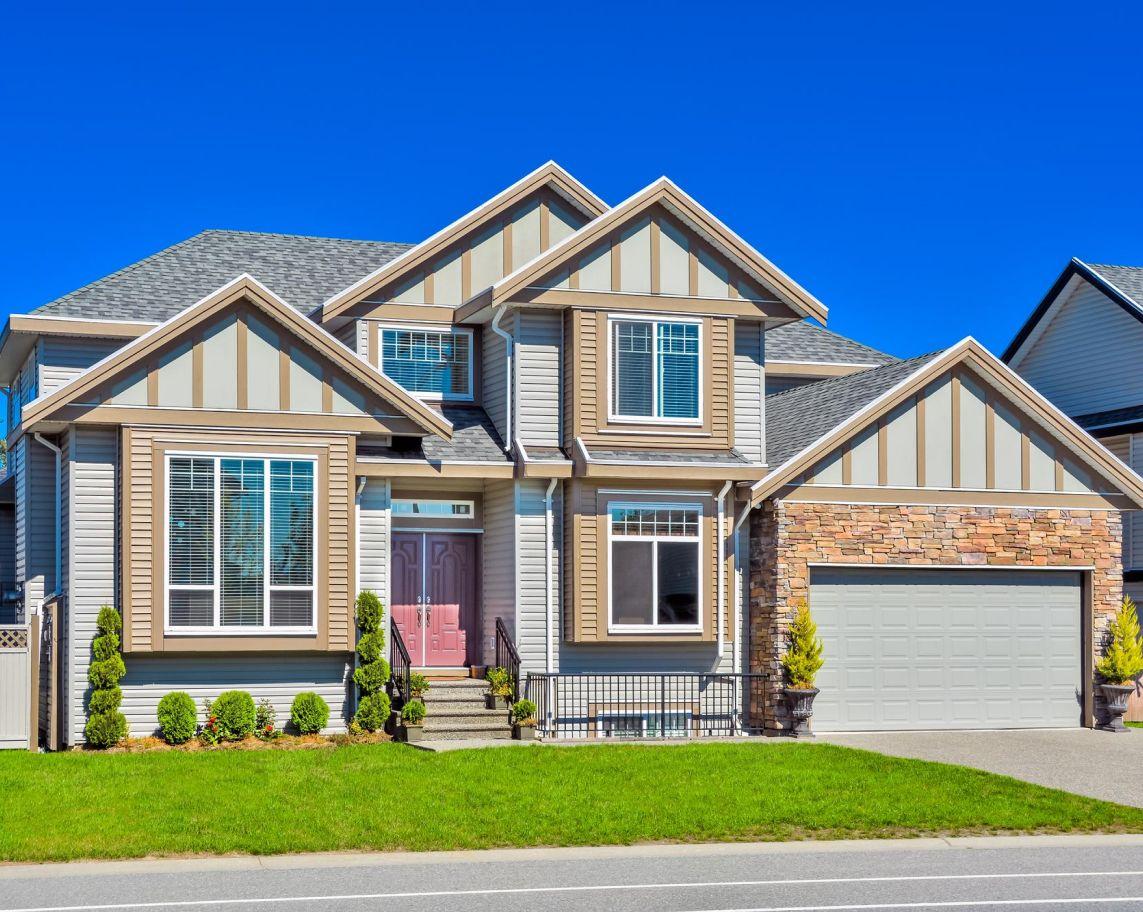
A jumbo loan does not necessarily mean you are purchasing a luxury property. A relatively ordinary home in a high-cost market can require jumbo financing.
What Are the Jumbo Loan Limits for 2026?
For 2026, the conforming loan limit is $832,750 in most areas. In Alaska, Hawaii and certain high-cost counties, the limit can reach $1,299,500.
| 2026 Jumbo Loan Factor | Amount |
|---|---|
| Standard conforming limit in most areas | $832,750 |
| Maximum conforming limit in certain high-cost areas | $1,299,500 |
| Typical jumbo down payment | 10%–20% |
| Typical liquid reserves | 6–12 months of mortgage payments |
| Common minimum credit-score threshold | Around 700 |
The applicable threshold depends on the property's county. You should therefore determine the local conforming limit before deciding whether a mortgage falls into jumbo financing.
Understanding the conforming loan limit can help you determine when jumbo financing applies. For a detailed explanation of 2026 county-level limits, borrowing thresholds and how loan limits affect your buying power, see our guide to conforming loan limits in 2026.
One application. 100+ lenders.
reAlpha Mortgage shops a network of lenders to find the right loan for your situation-no rate-shopping required.

How Does a Jumbo Loan Work?
A jumbo mortgage works similarly to other conventional mortgages. Depending on the loan program, you can have a fixed-rate or adjustable-rate mortgage with different repayment terms.
The primary difference involves the loan amount and underwriting process.
Jumbo mortgages generally receive more detailed financial scrutiny because they fall outside the conforming loan limits. Lenders may assess your income, debt obligations, credit history, assets, down payment and cash reserves.
How Do You Qualify for a Jumbo Loan?
Jumbo mortgage qualification generally requires a stronger financial profile than standard conforming financing.
Key qualification factors include:
- Maintain a strong credit score: Many lenders require a score around 700 or higher.
- Keep debt manageable: A lower debt-to-income ratio can support qualification.
- Provide a larger down payment: A typical range is 10% to 20%.
- Maintain liquid reserves: You may need six to 12 months of mortgage payments in reserves.
- Document income and assets: Lenders generally review financial documentation in greater detail.
Your specific requirements can vary according to the loan program, property and borrower profile.
What Credit Score Do You Need for a Jumbo Loan?
Many jumbo mortgage programs require a minimum credit score around 700, although requirements vary between lenders and loan programs.
Jumbo borrowers generally need stronger credit because the mortgage exceeds the standard conforming limit. A higher credit score can also form part of a broader financial profile that includes income, assets and debt obligations.
How Much Down Payment Do You Need for a Jumbo Loan?
A jumbo mortgage typically requires a 10% to 20% down payment. The required amount can vary according to the lender, property and borrower qualifications.
For example, a $1 million jumbo mortgage could require approximately:
| Down Payment | Amount |
|---|---|
| 10% | $100,000 |
| 15% | $150,000 |
| 20% | $200,000 |
You should also budget for closing costs and required cash reserves rather than allocating all available funds to the down payment.
How Much Cash Do You Need in Reserves?
Jumbo borrowers may need liquid assets covering six to 12 months of mortgage payments. Reserve requirements provide additional financial capacity after closing.
For example, someone borrowing $1 million may need substantial funds beyond the down payment. The source illustrates a potential reserve requirement of approximately $40,000 to $80,000, depending on the applicable mortgage payment and assumptions.
Jumbo Loans vs. Conforming Loans
The main difference between jumbo and conforming mortgages is whether the loan amount falls within the applicable conforming limit.
| Feature | Jumbo Loan | Conforming Loan |
|---|---|---|
| Loan amount | Exceeds applicable conforming limit | Falls within applicable limit |
| 2026 standard limit | Above $832,750 in most areas | Up to $832,750 in most areas |
| Credit requirements | Generally stricter | Generally less restrictive |
| Down payment | Often 10%–20% | Requirements vary |
| Cash reserves | May require 6–12 months | Requirements vary |
| Underwriting | More extensive | Standard conforming criteria |
Conforming loans meet eligibility requirements established for loans that can be purchased or guaranteed through the conventional secondary mortgage market. Jumbo loans fall outside those conforming criteria.
Get Pre-Qualified and Save Up to 1.5% at Closing with reAlpha
Save up to 1.5% at closing when you combine real estate and mortgage services with reAlpha.
What Types of Property Can You Buy With a Jumbo Loan?
Jumbo financing can apply to several property types.
- Buy a primary residence that exceeds the local conforming limit.
- Purchase a vacation home requiring a larger mortgage.
- Finance an investment property subject to applicable program requirements.
- Purchase a high-priced property in an expensive housing market.
The property does not have to be a mansion. The local property market can push an otherwise ordinary home above the conforming loan limit.
VA-eligible borrowers have another jumbo financing option to consider. If you qualify for VA benefits and need financing above conventional conforming limits, learn more about VA jumbo loan limits in 2026, including entitlement, down-payment requirements and lender-specific limits.
Are Jumbo Mortgage Rates Higher?
Jumbo mortgage rates have often been higher than conforming mortgage rates, although the difference changes with market conditions. The source reports that the gap had narrowed at the time of its 2025 rate comparison.
Because mortgage rates change frequently, borrowers should compare current annual percentage rates, interest rates, loan terms and fees rather than relying on historical rate examples.
What Are the Costs of a Jumbo Loan?
The total cost of jumbo financing depends on the interest rate, loan amount, repayment term, fees, property characteristics and borrower profile.
Before applying, consider:
- Interest charges over the full loan term.
- Closing costs associated with the mortgage and property purchase.
- Down payment requirements.
- Cash-reserve requirements.
- Potentially higher mortgage rates.
- Property taxes and homeowners insurance.
- Other ongoing homeownership expenses.
A large mortgage can increase the monthly payment substantially. Your housing budget should account for the complete cost of homeownership rather than the mortgage payment alone.
Is a Jumbo Loan Right for You?
A jumbo mortgage may be relevant when the amount you need exceeds the applicable conforming limit and your financial profile satisfies the required underwriting criteria.
Before applying, review:
- Your credit score.
- Your debt-to-income ratio.
- Your annual and monthly income.
- Your available liquid assets.
- Your down payment.
- Your expected closing costs.
- Your required cash reserves.
- Your total monthly housing expenses.
A jumbo mortgage can create financial pressure when housing expenses consume too much of your available budget. The source also identifies a piggyback loan arrangement using two smaller mortgages as a potential alternative for some borrowers who do not qualify for or do not want a jumbo mortgage.
Bottom Line
A jumbo loan finances a mortgage above the applicable conforming loan limit. In 2026, that benchmark is $832,750 in most areas, with higher limits in designated high-cost locations. Jumbo borrowers typically need stronger credit, manageable debt, a 10%–20% down payment and substantial liquid reserves.
Before choosing jumbo financing, compare the local conforming limit, required down payment, cash reserves, interest rate, closing costs and total monthly housing expenses. These factors determine how the mortgage fits your overall home-buying budget.0
FAQs
What is the jumbo loan limit in 2026?
The standard conforming loan limit is $832,750 in most areas for 2026. Certain high-cost areas have higher limits, reaching up to $1,299,500. The applicable limit depends on the property's location.
What credit score is needed for a jumbo loan?
Many jumbo loan programs require a credit score of approximately 700 or higher. Individual requirements vary, and lenders can consider your overall financial profile rather than credit score alone.
Can I get a jumbo loan with 10% down?
Yes. The source identifies 10% to 20% as a typical jumbo-loan down-payment range. The required percentage depends on the loan program, property and borrower qualifications.
How much cash should I keep after closing?
You may need liquid assets covering six to 12 months of mortgage payments after accounting for the down payment and closing costs.
Can I use a jumbo loan for an investment property?
Yes. Jumbo loans can finance investment properties, although the applicable underwriting requirements depend on the loan program and property.
Can I use a jumbo loan for a vacation home?
Yes. Jumbo financing can apply to vacation homes when the mortgage exceeds the applicable conforming loan limit and meets the program's requirements.
Are jumbo loans fixed-rate or adjustable-rate?
Jumbo mortgages can use fixed-rate or adjustable-rate structures. Available terms depend on the loan program.
Are jumbo loans harder to qualify for?
Jumbo mortgages generally involve stricter underwriting requirements than conforming mortgages. Lenders may place greater emphasis on credit, income, debt levels, assets, down payment and cash reserves.
Can I avoid a jumbo loan?
A piggyback mortgage arrangement can provide an alternative in some situations. It uses two smaller mortgages rather than one jumbo mortgage. The availability, cost and qualification requirements depend on the applicable loan programs.
Get the latest market trends, homebuying tips, and insider updates—straight to your inbox. No fluff, just the good stuff.
Article by
Jamie is a mortgage industry executive and CEO of the Mortgage Division at ReAlpha Tech Corp (NASDAQ: AIRE), with more than 25 years of experience across operations, sales, compliance, and senior leadership. A sustained top-producing Loan Originator with multiple years of $100M+ in personal production, Jamie pairs strategic vision with deep operational fluency. Based in Southern California, Jamie serves on the Advisory Boards of 20/20 Vision for Success and the Broker Action Coalition and speaks widely on mortgage leadership, sales strategy, and industry transformation.