How to Spot and Avoid Mortgage Fraud?
August 10, 2026
8 minutes
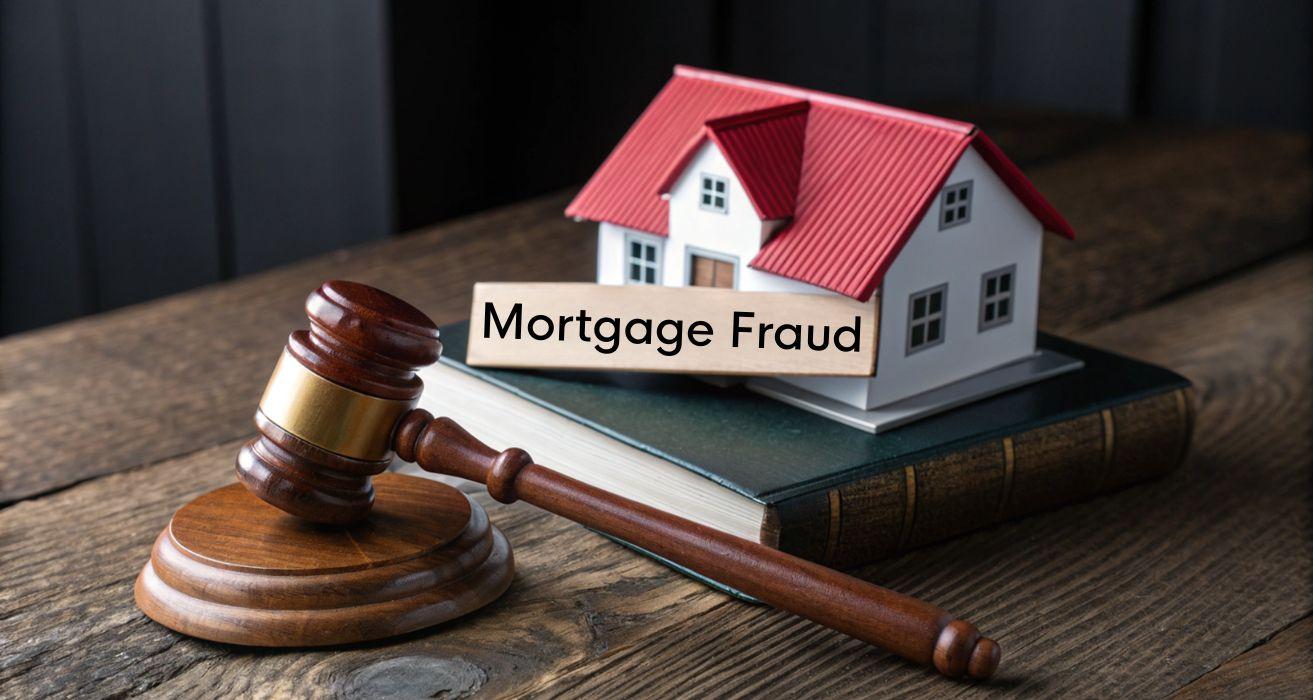
Buying a home is one of the most meaningful financial milestones you'll ever experience. But lurking in the background is a threat that could turn your dream into a nightmare: mortgage fraud. Whether you're a first-time homebuyer or a seasoned investor, you're not immune.
Here’s the deal:Mortgage fraud doesn’t just hurt banks, it targets people like you. Unscrupulous actors might try to manipulate documents, hide fees, or even impersonate professionals. That’s why being informed is your strongest defense.
This guide teaches you what mortgage fraud looks like, how to identify red flags, and which actions you can take to protect yourself, in plain English and compliance-verified advice.
Key Takeaways:
- Mortgage fraud can happen to any borrower; know the warning signs.
- Watch out for pressure tactics, falsified documents, and "too good to be true" deals.
- Work only with licensed professionals. Verify NMLS IDs.
- Ask questions, request documentation, and don’t rush decisions.
- Platforms like reAlpha Mortgage and reAlpha offer safe, transparent paths to homeownership - helping you avoid scams and save money at closing.
What is Mortgage Fraud, Exactly?
Mortgage fraud doesn’t always mean a borrower fudging numbers, sometimes, it’s the lender who’s playing dirty. Some of the most damaging scams are those committed against borrowers by unethical lenders or mortgage professionals.
This kind of fraud often involves:
- Loan stacking - pushing you into multiple loan products you don’t need.
- Inflated rates or fees - hiding markups or steering you into high-cost loans for bigger commissions.
- Falsified application info - changing your income, employment, or occupancy details without your knowledge to make the loan “fit.”
- Equity stripping schemes - where predatory lenders use aggressive tactics to trap you in debt and eventually seize your home equity.
The worst part? Many of these scams look like legitimate offers at first glance.
One application. 100+ lenders.
reAlpha Mortgage shops a network of lenders to find the right loan for your situation-no rate-shopping required.

7 Red Flags That Should Raise Eyebrows
Not all fraud is obvious at first glance. But there are some classic warning signs:
- Guaranteed Approval - No one can guarantee a mortgage.
- Missing or Vague Loan Documents - If you’re not seeing a full Loan Estimate, walk away.
- High Pressure to Act Quickly - Legit lenders give you time.
- Requesting Payment Outside Escrow - Big red flag.
- Inconsistent Information Between Docs - Always compare your disclosures.
- Unlicensed Professionals - Use NMLS Consumer Access to verify.
- Too-Good-To-Be-True Rates or Fees - If it sounds fake, it probably is..
How to Protect Yourself?
1. Only Work with Licensed Mortgage Professionals
Always ask for the NMLS number. For example, reAlpha Mortgage is licensed under NMLS #1743790.
2. Get Everything in Writing
Verbal promises are worthless. Always ask for documents to be sent over email or uploaded securely.
3. Know the Disclosures You Should Receive
- Loan Estimate (LE)
- Closing Disclosure (CD)
- Servicing Disclosure
These are required under the TILA/RESPA Integrated Disclosure Rule (TRID).
4. Review and Compare Loan Estimates
Pro Tip: Compare at least three offers and focus on APR, lender fees, and prepayment penalties.
5. Don’t Share Sensitive Info Over Email
Use encrypted platforms and avoid emailing your SSN or financial documents directly.
6. Use Trusted Platforms
reAlpha Mortgage and reAlpha promote ethical, transparent lending practices - connecting you with licensed professionals you can trust.
A Smarter Way to Buy a Home - and Save at Closing
Buying a home is a big decision - and having the right information puts you ahead. But the real advantage comes from pairing smart research with a smarter way to buy.
When you use a reAlpha real estate company, you can be eligible to receive up to 1% of the home purchase price back as a credit at closing. Add reAlpha Mortgage, and that Cashback can increase to up to 1.5% back, helping offset closing costs and keep more money in your pocket when it matters most.
The Cashback is simple, transparent, and applied directly at closing - no complicated hoops, no delayed payouts. Just real savings tied to using a fully integrated homebuying experience.
See how much you could save:
- Check your eligibility
- Explore homes that fit your budget today.
- Your next move could come with thousands back at closing.
Estimate your savings → Rebate Calculator
Get Pre-Qualified and Save Up to 1.5% at Closing with reAlpha
Save up to 1.5% at closing when you combine real estate and mortgage services with reAlpha.
FAQs
What’s the biggest red flag in a mortgage transaction?
Any promise of "guaranteed approval" or being asked to pay upfront outside of escrow.
How can I verify that someone is licensed to offer mortgage loans?
Use NMLS Consumer Access to check their credentials.
What if I’ve already submitted information to a suspicious lender?
Contact your state regulator and the CFPB. Freeze your credit report and monitor your accounts.
Is mortgage fraud always committed by lenders?
No, it can also be borrower-driven or involve third-party professionals like appraisers or brokers.
Can I report fraud anonymously?
Yes, you can report fraud to the FBI, HUD OIG, or CFPB without disclosing your identity.
Get the latest market trends, homebuying tips, and insider updates—straight to your inbox. No fluff, just the good stuff.
Article by
Jamie is a mortgage industry executive and CEO of the Mortgage Division at ReAlpha Tech Corp (NASDAQ: AIRE), with more than 25 years of experience across operations, sales, compliance, and senior leadership. A sustained top-producing Loan Originator with multiple years of $100M+ in personal production, Jamie pairs strategic vision with deep operational fluency. Based in Southern California, Jamie serves on the Advisory Boards of 20/20 Vision for Success and the Broker Action Coalition and speaks widely on mortgage leadership, sales strategy, and industry transformation.
Related Topics
October 10, 2026
October 8, 2026
October 8, 2026
October 6, 2026
September 30, 2026
September 30, 2026