Zero-Down Mortgage Programs 2026 (VA & USDA Guide) | Qualify for 0% Down Today
July 31, 2026
8 Minutes
As we cross the midpoint of 2026, demand for zero-down mortgages and no-down-payment home loans has surged... This guide breaks down options including new incentives rolling out for the summer and second half of 2026.
This guide breaks down every zero-down mortgage 2026 option, including VA, USDA, down-payment assistance, and new incentives that quietly rolled out this winter. You’ll also see how buyers last year stacked 0% down programs with cashbacks and incentives to cut thousands from their upfront costs - a strategy almost no traditional lender will explain.
What This Guide Covers:
- VA home loan (2026 updates, new funding fee rules)
- USDA home loan (income limits, area eligibility changes)
- FHA near-zero alternatives
- Down payment assistance programs
- 2026 incentives, rate drops & savings strategies
Delaying this research has a real cost: Each month of waiting = ~$1,200 in lost equity opportunities during 2026’s rate cycle.
Compare All Zero-Down Mortgage Options (2026)
Buyers who see real numbers early are 67% more likely to take the next step because affordability becomes concrete instead of overwhelming.
And here’s what most lenders never show upfront: the difference between programs isn’t just the down payment - it’s the total monthly cost, the credit flexibility, and the 2026 rule changes that make qualifying easier than it was even six months ago.
Below is the fastest way to compare no-down-payment home loans, VA and USDA zero-down options, DPA grants, and near-zero FHA alternatives - all based on a sample $350,000 home.
One application. 100+ lenders.
reAlpha Mortgage shops a network of lenders to find the right loan for your situation-no rate-shopping required.

| Program | Down Payment | Min Credit | Est. Monthly Payment on $350k | Who It’s For | 2026 Change |
|---|---|---|---|---|---|
| VA Loan | 0% | 580–620 | $2,195 | Veterans & service members | Funding fee updates |
| USDA Loan | 0% | 620 | $2,010 | Rural & suburban buyers | New income limits |
| DPA Grants | 0–1% | 600 | $2,350 | First-time buyers | New state incentives |
| FHA (semi-zero with gift funds) | 3.5% (0% if gifted) | 580 | $2,430 | Low-down buyers | Insurance reduction |
How Much You Avoid Paying Upfront
- Traditional 3–5% down: $10,500–$17,500 → completely avoided with VA/USDA
- Average DPA grant coverage: $5,000–$12,000
- FHA with gift funds: eliminates a $12,250 upfront requirement on a $350k home
That’s money you keep in your pocket, not locked in savings while home prices rise.
“Zero-down loans must have terrible rates.”
Not in 2026 - updated VA and USDA pricing often beats conventional, especially with winter rate drops.
VA Home Loans in 2026: Still the #1 Zero-Down Option
If you’re eligible, a VA loan remains the most powerful zero-down mortgage option in the country - and the easiest path to buying a home with no down payment in 2026. Most veterans dramatically underestimate how simple VA approval actually is, especially with a vetted VA lender like reAlpha guiding the process.
Who Qualifies (More Buyers Than You Think)
- Veterans
- Active-duty service members
- National Guard & Reserve
- Some surviving spouses
More lenders now accept lower credit tiers (580–600) with compensating factors - widening eligibility.
2026 VA Funding Fee Changes
Under current VA guidelines, the funding fee for first-time users operating at 0% down stands at 2.15% of the loan amount, while subsequent use sits at 3.3%. Veterans with a service-connected disability rating of 10% or higher remain completely exempt from the fee.
- First-time use: still the lowest cost
- Disability benefits = funding fee waived entirely
Gift Funds: Allowed?
Yes - VA allows gift funds for closing costs. Pair this with 0% down, and many VA buyers bring less than $500 to closing.
Speed-to-Close Myth Buster
- Old myth: VA is slow.
- 2026 reality: VA closings are often faster than FHA or conventional.
VA vs Conventional
- Conventional 5% down on $400k = $20,000 upfront
- VA buyer at 0% down = $0 upfront → $20,000 avoided loss
Inventory is tightening again, and 2026 demand is projected to surge as rates drop. VA buyers who wait risk:
- Higher home prices
- More competition
- Smaller seller concessions
- Losing thousands in equity growth
If you’re eligible, the best time to use your VA loan benefits is before peak 2026 demand hits.
Want to see if you qualify? Check your VA eligibility with reAlpha - it takes 60 seconds.
Each month of waiting = ~$1,450 in lost equity for VA-approved buyers.
Get Pre-Qualified and Save Up to 1.5% at Closing with reAlpha
Save up to 1.5% at closing when you combine real estate and mortgage services with reAlpha.
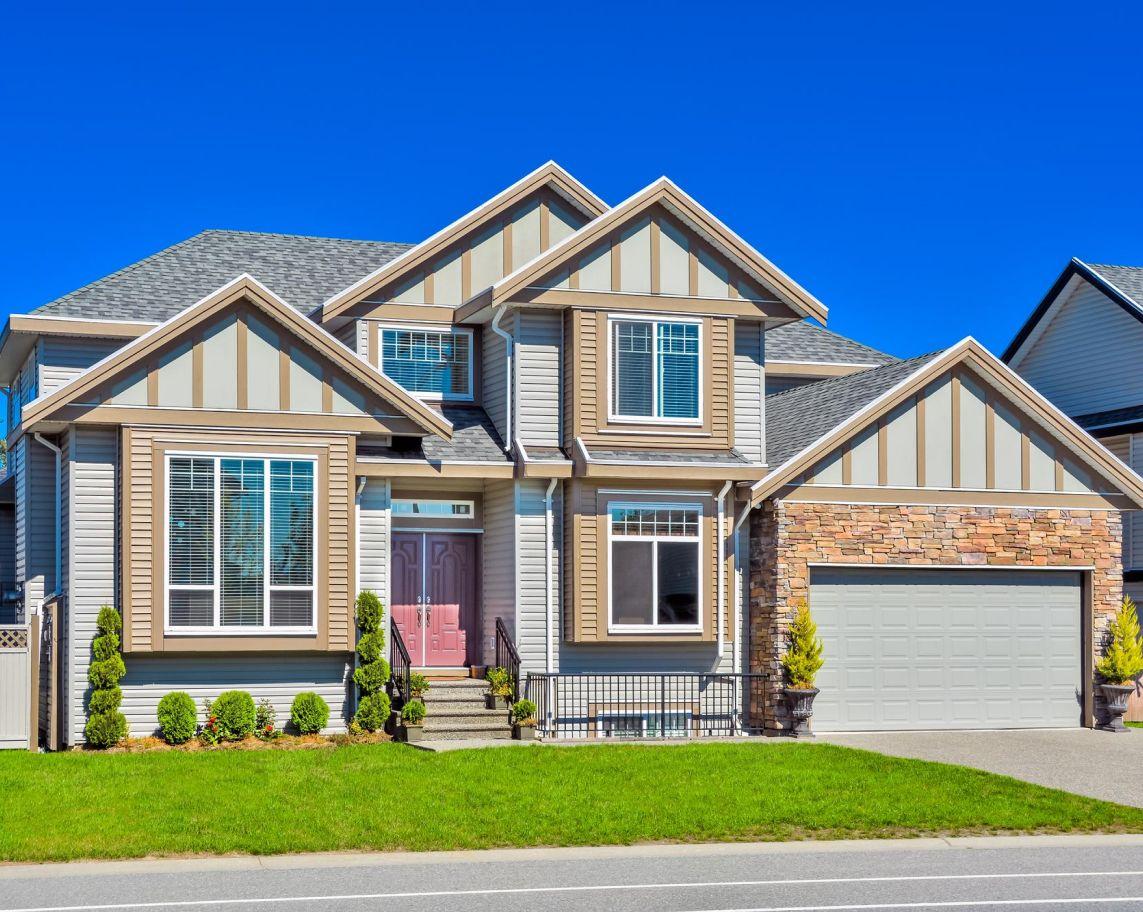
USDA Home Loans: Zero Down Payment + New 2026 Income Limits
For buyers who want a zero-down payment mortgage without needing VA eligibility, the USDA home loan remains the most underrated, affordability-boosting loan in the country. The USDA home loan program was designed to help everyday families buy in rural and suburban areas - and in 2026, it’s even easier to qualify. Many buyers discover they’re eligible for a USDA rural housing loan even when they live just outside major metros.
And here’s the part most people miss: USDA often delivers the lowest monthly payment of any zero-down mortgage - sometimes even lower than VA.
2026 Income & Area Eligibility Updates (Big Expansion)
The new USDA rules widened the qualifying map and increased income caps in dozens of counties. That means:
- More suburban neighborhoods now qualify
- Higher-income households can now be approved
- Buyers previously at the edge of eligibility often now qualify with room to spare
If you haven’t checked eligibility since mid-2026, you’re likely eligible today.
Property Myth Buster: It’s Not Just for Farms
One of the biggest misconceptions about USDA home loans is that they’re only for rural farmland.
2026 reality:
- 70%+ of USDA-approved homes are suburban, not rural
- Many neighborhoods, 25–60 minutes from major cities, now qualify
- New construction is eligible too
If it looks like a normal single-family home, it likely qualifies - you just haven’t checked yet.
Real Monthly Payment Example (2026)
- USDA on $350,000 home: ≈ $2,010/mo
- Conventional 3% down on same home: ≈ $2,390/mo
→ USDA buyers save ~$380/month- nearly $4,500/year.
Wondering if your address qualifies? See if you qualify with reAlpha Mortgage - results in under 60 seconds.
Each month of waiting = ~$900 in lost monthly savings + equity growth for USDA-eligible buyers.
FHA in 2026: How Buyers Are Making FHA a Zero-Down Mortgage
Most buyers with FHA automatically require 3.5% down -but in 2026, thousands of FHA buyers are getting to the closing table with zero dollars of their own funds, thanks to gift letters, new incentives, and DPA stacking. If you don’t qualify for VA or USDA, FHA is often the most affordable and most flexible path to homeownership, especially for first-time buyers or anyone rebuilding credit.
FHA’s rules allow nearly the entire down payment and closing costs to come from other sources, which means buyers can enter the market months or years earlier than they thought.
Gift Funds (The Easiest Path to 0% Out-of-Pocket)
A gift letter for mortgage purposes can cover:
- The full 3.5% FHA down payment
- Part or all of your closing costs
- Funds from family, partners, employers, or approved nonprofits
Result?
Your required conventional loan down payment of 3–5% becomes irrelevant-FHA lets you bring $0 of your own money.
Manufactured Home Rules (2026 Foundation Requirements)
Demand for FHA manufactured home foundation requirements surged this year.
Key rule: homes must meet updated permanent foundation standards- but once met, buyers can use FHA financing with the same low 3.5% down or gifted funds, making manufactured homes one of the lowest-cost paths to ownership.
Math Example
- FHA 3.5% on $350k = $12,250 down
- Gift funds + DPA = $0 out-of-pocket
→ That’s $12,250 of avoided loss the moment you close.
2026 New Zero-Down Incentives: Rate Drops, Temporary Buydowns & More
Winter 2026 is quietly becoming the sweet spot for buyers using zero down mortgage options - VA, USDA, FHA + DPA. Why? Because three forces are stacking at the same time: rate drops, temporary 2–1 buydown incentives, and new 2026 state-level credits that reduce monthly payments far more than most buyers realize.
This is the moment when early movers lock in savings the rest of the market won’t see once spring competition heats up.
Winter 2026 Rate Drop Snapshot (What You’d Pay Today vs Spring)
Mortgage analysts are already projecting that once inventory tightens again, rates will tick upward - not down. Here’s the real impact on a $350,000 zero-down loan:
Winter 2026 Rate Drop Comparison
| Scenario | Est. Rate | Monthly Payment | Difference |
|---|---|---|---|
| Winter 2026 (Now) | ~5.65% | $2,045/mo | — |
| Spring 2026 (Projected) | ~6.15% | $2,217/mo | +$172/mo |
| With 2–1 Buydown (Year 1) | ~3.65% | $1,678/mo | –$367/mo |
| With 2–1 Buydown (Year 2) | ~4.65% | $1,892/mo | –$153/mo |
That’s $4,400–$6,000 in savings during your first 12 months - just from timing + incentives.
2026 Temporary Buydowns: The New Zero-Down Power Combo
Paired with VA or USDA’s already low payments, a 2–1 buydown lowers your payment by thousands in year one.
Sellers and builders are offering these aggressively during winter, but experts expect them to disappear once buyer demand spikes in March–April.
New 2026 Incentives You Can Stack (Most Buyers Don’t Know These Exist)
- State-level closing cost credits
- Expanded first-time buyer tax cashbacks
- Enhanced DPA match programs
- Lender-paid PMI reductions for FHA borrowers
- Local workforce/hometown-hero incentives (teachers, nurses, firefighters)
Stacked together, buyers saved an average of $8,730 more through reAlpha than with a traditional lender in 2026, and 2026 incentives are even stronger.
The “Stacking Savings” Strategy Only reAlpha Buyers Used in 2026
By integrating real estate brokerage services with digital mortgage origination, platforms like reAlpha can reduce transaction friction. Eligible buyers may slice up to 0.5% to 1.5% off traditional transaction friction costs via commission rebates where permitted by state law, translating to thousands saved at the closing table.
This is the exact strategy that turned 2026 reAlpha buyers into the highest net savers in the market - and it’s available again in 2026.
The Savings Stack (Exclusive to reAlpha)
0% Down Mortgage (VA / USDA / FHA + DPA)
With reAlpha, eligible buyers start with a true zero-down mortgage, either through VA, USDA, or stacked FHA programs.
But here’s what makes it different:
ReAlpha buyers instantly save ~0.5% on buyer-agent commissions if you take a mortgage from reAlpha Mortgage.
This alone unlocks $3,000–$6,000 in avoided fees for most buyers.
Up to a 1.5% Buyer-Agent Commission Cashback
When you buy with reAlpha, you can receive a portion of the buyer-agent commission back, applied directly to your closing costs or to reduce your interest rate
That can slash your payment by up to $132/month or remove thousands from what you owe at closing.
Most lenders stay silent about this because they can’t legally or operationally offer cashbacks - but we can.
Stacked Title Savings - Up to 0.5% More
Because reAlpha integrates lending + agent services + title, we eliminate the “markup problem.” That means:
- Lower title fees
- Reduced settlement charges
- Discounted lender policies
Stacked together, the title layer adds another $1,000–$2,500 in savings compared to traditional title providers.
Total Savings Stack Example (Real 2026 Results)
Most lenders might save you a few hundred.
reAlpha buyers?
The average reAlpha buyer can save $8,730 MORE than buyers using a traditional lender, agent, and title company separately.
That's money you don’t lose, and benefits you instantly own - the endowment effect in your favor.
Want to see your Rebate Savings estimate? Enter your price range for a personalized savings breakdown.
How 2026 Homebuyers Stack Even More Savings After Closing
Most buyers only think about zero down mortgage savings at the moment of purchase - but the smartest 2026 homeowners keep stacking savings after closing.
Once you understand these post-closing advantages, it becomes nearly impossible to justify waiting another year.
Homestead Exemptions (Instant Property Tax Reduction)
Once you close, filing a homestead exemption can:
- Reduce your taxable home value
- Lower annual property taxes
- Save $800–$2,300 per year, depending on your county
Buyers use these savings to offset part of their early mortgage payments.
2026 Energy Efficiency Credits (High-Value, Often Overlooked)
Federal and state-level incentives are being offered:
- Up to 30% credit for solar installation
- Heat pump cashbacks
- Weatherization grants
- EV charger credits
For the average home, this means $1,200–$4,000 in tax savings - savings buyers own simply by being homeowners.
Utility + Insurance Discounts for New Homebuyers
Many counties and insurers offer:
- Reduced premiums for new buyers
- Lower rates for security systems
- Energy-efficient appliance cashbacks
These micro-savings add up to $40–$90/month, which is the equivalent of trimming your mortgage payment without refinancing.
FHA + USDA Maintenance Grants (Limited 2026 Programs)
Some states are offering small grants for safety upgrades, insulation, or exterior repairs - typically $500–$2,000.
This transforms the fear of home maintenance into a sense of empowerment.
Post-Closing Savings Snapshot
- Homestead exemption: $1,200/year
- Energy credits: $2,500 average
- Utility + insurance reductions: $720/year
- Maintenance grants: $1,000
Total first-year homeowner savings potential: ~$5,420.
This is money renters never get access to - and it’s part of why delaying the purchase costs far more than most people realize.
How to Get Approved for a Zero-Down Mortgage in 2026
Approval in 2026 is simpler, faster, and far more automated than it was even a year ago.
Verify Income
You don’t need perfect W-2s or massive reserves. Most programs only require:
- Recent paystubs
- 2-year work history (continuous, not identical jobs)
- Or consistent 1099 income for self-employed buyers
Zero-down financing is available even for buyers with moderate income.
Review Credit (580–620 Often Works)
VA and FHA allow scores as low as 580, and USDA typically starts around 620.
Property Eligibility Check
- VA: almost any move-in-ready home
- USDA: rural + suburban maps (many buyers are surprised they qualify)
- FHA: widest property flexibility, including some manufactured homes
This removes one of the biggest unknowns before you shop.
Gather Documents
Think:
- ID
- Income docs
- Bank statements
- DD-214 (for VA buyers)
Most buyers complete this step in under 10 minutes.
Get Pre-Approved
- Shows sellers you’re legitimate
- Locks in your winter 2026 rate
- Calculates your $0-down options automatically
This is the moment buyers feel the shift from “hoping” to “owning.”
Make an Offer With Your Zero-Down Strategy Loaded
With your approval and Stacking Savings strategy in place, you negotiate confidently - often with seller credits layered on top.
Start with pre-approval. It takes 60 seconds and locks in your winter rate.
Each month of waiting = $150–$300 in higher payments as winter incentives expire.
10 Zero-Down Mortgage Myths Still Confusing Buyers in 2026
Even in 2026, misinformation keeps thousands of buyers on the sidelines. These are the myths that stop people from using zero down mortgage programs - and the truths that unlock homeownership months (or years) sooner.
Myth 1: “Zero-down loans have terrible rates.”
Truth: VA and USDA often beat conventional rates - even with $0 down.
Myth 2: “You need perfect credit to qualify.”
Truth: VA and FHA start around 580, USDA around 620.
Myth 3: “Only rural homes qualify for USDA.”
Truth: Most USDA homes are suburban, not rural.
Myth 4: “Zero-down buyers need big savings.”
Truth: Many reAlpha buyers brought $500 or less to closing.
Myth 5: “Zero-down means slow closings.”
Truth: VA + USDA with reAlpha close in 18–25 days on average.
Myth 6: “Zero-down loans are risky.”
Truth: These programs have some of the lowest default rates nationally.
Myth 7: “You can’t use gift funds.”
Truth: FHA, USDA, and VA all allow gift funds for closing costs.
Myth 8: “You must be a first-time buyer.”
Truth: Many programs allow repeat buyers.
Myth 9: “Down payment assistance is only for low-income.”
Truth: 2026 updates increased income caps in dozens of states.
Myth 10: “It’s too competitive to buy with $0 down.”
Truth: Pre-approved zero-down buyers win offers with seller credits, rate buydowns, and reAlpha’s Stacking Savings advantage.
The 2026 Market Favors Zero-Down Buyers - Don’t Miss the Window
If you’ve been waiting for “the right moment” to buy with a zero down mortgage, this is it. Winter 2026 is the rare window where rates are at their lowest, incentives are at their highest, and competition hasn’t yet surged the way analysts expect by spring. The buyers who move now lock in savings that late-season shoppers simply won’t get.
Zero-down programs - VA, USDA, FHA+DPA - are built for moments like this: low upfront cost, flexible credit, and monthly payments that stay manageable even as home prices rise. But the incentives that make 2026 so favorable are temporary:
- 2-1 buydowns are already being phased out in some markets
- State DPA funds reset (and shrink) each quarter
- Seller credits tighten once spring bidding wars return
And most importantly: your approval window is wide open right now. Once rates climb even a quarter-point, many borderline buyers lose eligibility or see payments jump by $150-$250/month.
Picture yourself 60 seconds from now:
pre-approved, incentives locked, zero-down options mapped out, and thousands of dollars in savings secured before the rush.
Check your zero-down eligibility in 60 seconds and see how much you can save with reAlpha.
Each month of waiting = $1,200–$1,800 in lost equity, savings, and incentives you won’t get back.
FAQs
1. How fast can you get approved for a VA or USDA zero-down mortgage in 2026?
Most VA and USDA approvals take 24-72 hours, and full closings average 18-25 days with reAlpha.
2. Do zero-down mortgages have higher interest rates?
No. VA and USDA often offer lower rates than conventional loans, even with $0 down.
3. Can you use gift funds with no down payment home loans?
Yes. FHA, USDA, and VA all allow gift funds to cover closing costs - making true $0-out-of-pocket purchases possible.
4. What credit score do I need for a zero-down mortgage?
VA and FHA commonly approve 580+, and USDA typically begins around 620, including options through manual underwriting.
5. Are zero-down loans only for rural areas?
No. Over 70% of USDA-approved homes in 2026 are suburban, not rural - and VA applies to almost all standard residential properties.
Get the latest market trends, homebuying tips, and insider updates—straight to your inbox. No fluff, just the good stuff.
Article by
Jamie is a mortgage industry executive and CEO of the Mortgage Division at ReAlpha Tech Corp (NASDAQ: AIRE), with more than 25 years of experience across operations, sales, compliance, and senior leadership. A sustained top-producing Loan Originator with multiple years of $100M+ in personal production, Jamie pairs strategic vision with deep operational fluency. Based in Southern California, Jamie serves on the Advisory Boards of 20/20 Vision for Success and the Broker Action Coalition and speaks widely on mortgage leadership, sales strategy, and industry transformation.